







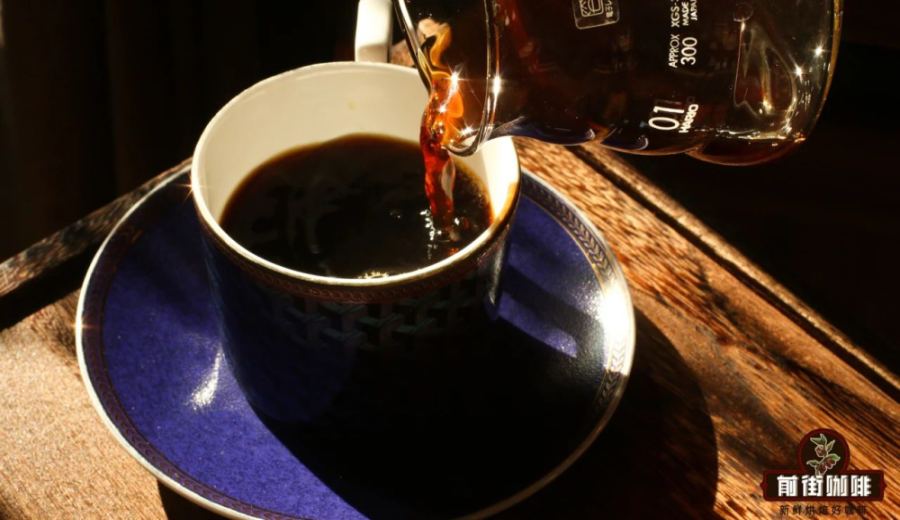
Introduction:Jamaica Blue Mountain coffee is hailed as the "Emperor of Coffee," renowned for its rare production and unique flavor profile. However, the market is also flooded with numerous counterfeits and blended beans. This article delves into the authentic origins of Blue Mountain coffee, its official grading system, methods to identify barrel packaging and the rain frog logo, along with practical pour over parameters and genuine flavor descriptions to help you effectively distinguish real from fake Blue Mountain when purchasing and tasting.
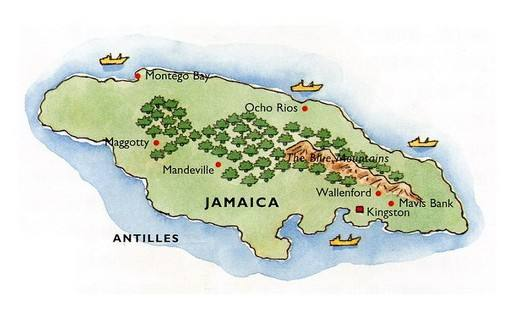
Jamaica Blue Mountain coffee stands at the pinnacle of specialty coffee with its prestigious title of the "Emperor of Coffee." Its production is limited exclusively to highlands of the Blue Mountain range between elevations of 1,000 to 1,700 meters, where exceptional climate and soil conditions produce its well-balanced and refined flavors. However, due to its extremely limited yield and high price, it is often targeted by unscrupulous vendors, resulting in many so-called "Blue Mountain-style" blends in the market.
In Japanese classifications, Blue Mountain-related products are broadly divided into three tiers: "Blue Mountain Coffee" must consist entirely of beans from the Blue Mountain region with no blending from other areas; "Blue Mountain Blend" requires at least 60% Blue Mountain beans; whereas "Blue Mountain Flavor" need not contain any Blue Mountain beans at all. Therefore, consumers should pay special attention to products labeled as "Blue Mountain Flavor," as they have absolutely no connection to genuine Blue Mountain coffee.
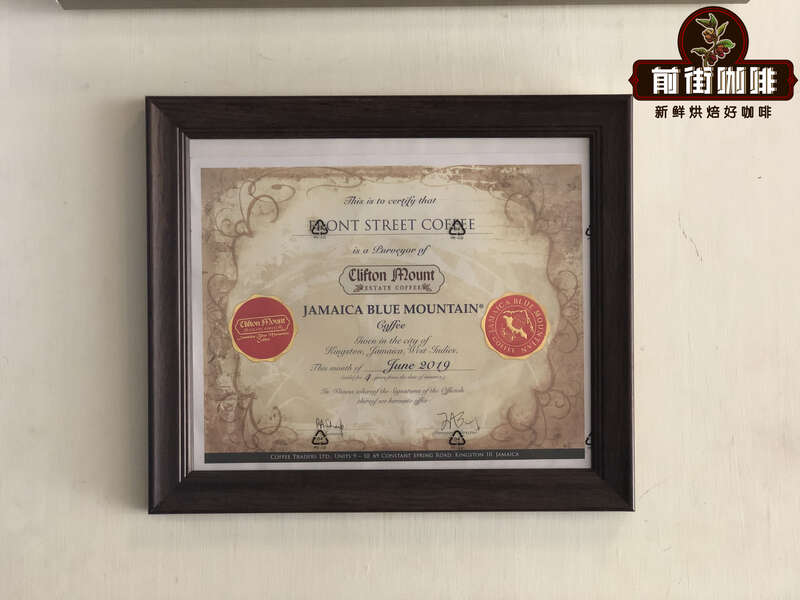
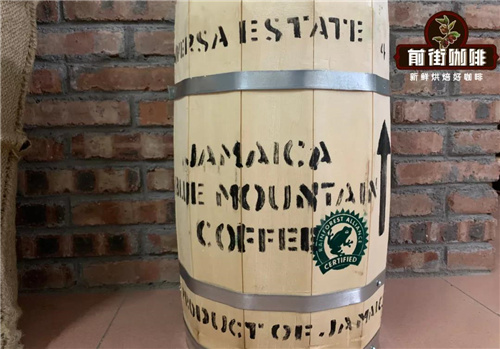
Authentic Blue Mountain coffee is also packaged differently from ordinary coffee. Instead of using common cotton or linen sacks, it is stored in exclusive wooden barrels, usually adorned with a tropical rain frog totem — one of the official certification marks of Jamaica. In addition, each batch of genuine product comes with an official certification document issued by the Jamaican government. When purchasing, it is recommended to ask the vendor for relevant proof to ensure that what you are buying is the real thing.
The Jamaican authorities categorize coffee produced in the Blue Mountain region into three main quality classes: Blue Mountain Coffee, Jamaica High Mountain Supreme Coffee Beans, and Jamaica Prime Coffee Beans. Among these, Blue Mountain Coffee and Jamaica High Mountain Supreme Coffee Beans are each further divided into two grades, with the overall ranking as follows: Blue Mountain No. 1 > Blue Mountain No. 2 > High Mountain No. 1 > High Mountain No. 2 > Jamaica Coffee. If categorized by green bean appearance, the grades are NO.1, NO.2, NO.3, and PB (peaberry). According to CIB (Coffee Industry Board) standards, Blue Mountain No. 1 green beans must have a screen size of 17 or above, a defect rate below 3%, and a moisture content of around 13%. These stringent criteria collectively contribute to its unique flavor foundation.
The flavor of Blue Mountain coffee has long been a hot topic among industry professionals and consumers. Common descriptions include an excellent balance of acidity, sweetness, bitterness, and body, an elegant aroma, and low caffeine content, making it ideal for health-conscious modern drinkers. Many coffee enthusiasts describe it as the "coffee beauty," boasting almost perfect taste performance. Executives from the renowned American coffee trading firm Peet’s have also praised it as being as precious as a gemstone, with a rich and smooth flavor unmatched by other coffees.
However, in recent years, some market practices have emerged where low-altitude beans are mixed with high-altitude beans for sale, resulting in products whose quality is far from the original standard of Blue Mountain. This has also discouraged many consumers from purchasing Blue Mountain coffee. Furthermore, numerous consumers mistakenly buy products labeled as "Blue Mountain Flavor" or "Blue Mountain Blended Formula," which may contain no Blue Mountain beans at all or only trace amounts, failing to deliver the true characteristics of Blue Mountain.
So why is Blue Mountain coffee so expensive, and what makes it so delicious? Take the Blue Mountain from the Clifton Estate as an example: its green beans are uniformly greenish, of medium to small size, slightly pointed at both ends, with a neat overall appearance. After roasting, the beans visibly expand, appearing plump and tightly packed. Due to their growth at high altitudes, their cellular structure is relatively loose. When ground by hand, the feel is crisp and smooth with almost no resistance.
The freshly ground Blue Mountain coffee powder emits a rich and robust aroma, a characteristic that many blends fail to deliver. For brewing, it is recommended to use a KONO filter, with water temperature controlled at 88°C, a coffee-to-water ratio of 1:15, and about 15 grams of coffee. A simple three-stage pour over method can be applied: first, pour 30 grams of water for blooming for about 30 seconds to allow the coffee grounds to fully expand; then pour 125 grams of water at the 54-second mark, and once the water level drops to two-thirds of the coffee bed, add the final 225 grams of water at the 1 minute and 40 second mark, achieving a total extraction time of about 2 minutes and 10 seconds. Gently swirl the brewed coffee before serving.
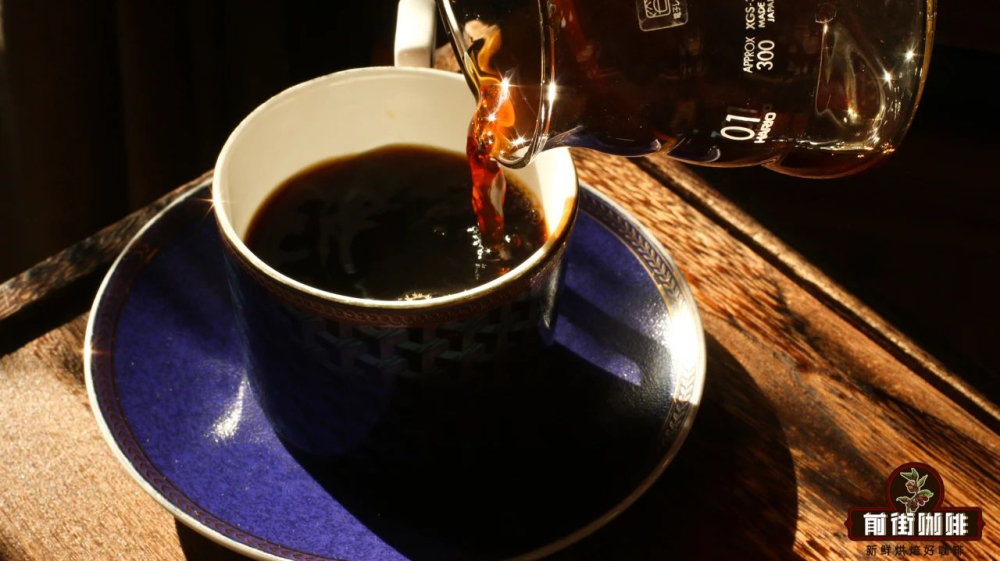
The final brewed Blue Mountain coffee has a mild citrus acidity upon entry, with an overall smooth and balanced mouthfeel. The mid-palate reveals distinct nutty notes, while the aftertaste leaves a hint of dark chocolate. Its most outstanding feature lies in the seamless integration of various flavor elements, with none overpowering or missing — a key hallmark of authentic Blue Mountain coffee.
The above content is compiled by CoffeeHunters, a coffee news website.


