







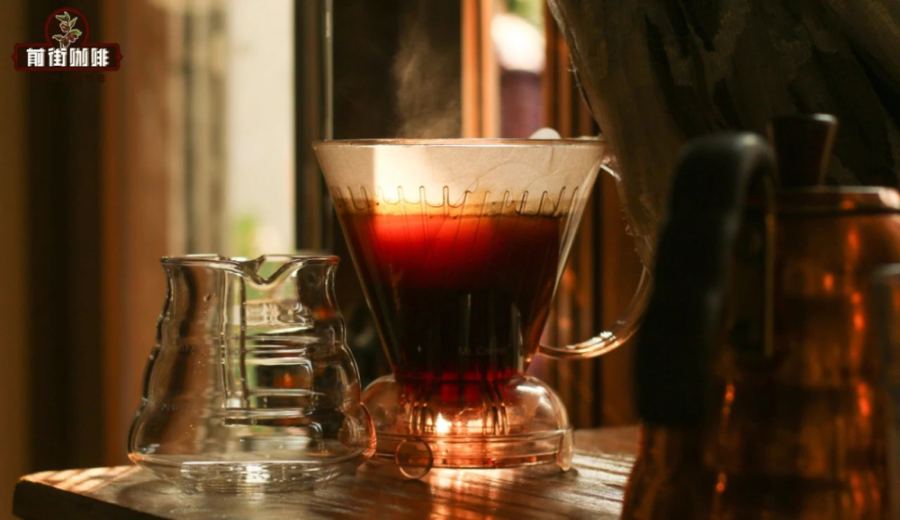
Introduction:Want to brew coffee easily but worried about the hassle of cleaning? The clever dripper combines the convenience of a French press with the flavor advantages of pour over, making it a top choice for many coffee beginners and those who prefer simplicity. This article delves into the working principle and structural design of the clever dripper, compares its extraction in terms of flavor complexity and mouthfeel with that of pour over, and recommends coffee beans suited to different flavor preferences to help you find your ideal brewing method.
Among many convenient coffee brewing tools, while the French press is intuitive to use, its cleaning challenges often deter users—especially when coffee grounds get stuck between the filter and the glass walls, making scrubbing time-consuming and laborious. In contrast, the clever dripper features a bottom valve design that allows for both immersion brewing and easy cleaning, making it an ideal choice for busy individuals or those who want to avoid complicated steps.
When it comes to simple and user-friendly coffee tools, many people first think of the French press. Compared to pour over, moka pots, or espresso machines, the French press indeed eliminates many steps, but its cleaning process is often off-putting—especially when leftover coffee grounds get trapped in the filter’s crevices, discouraging frequent use.
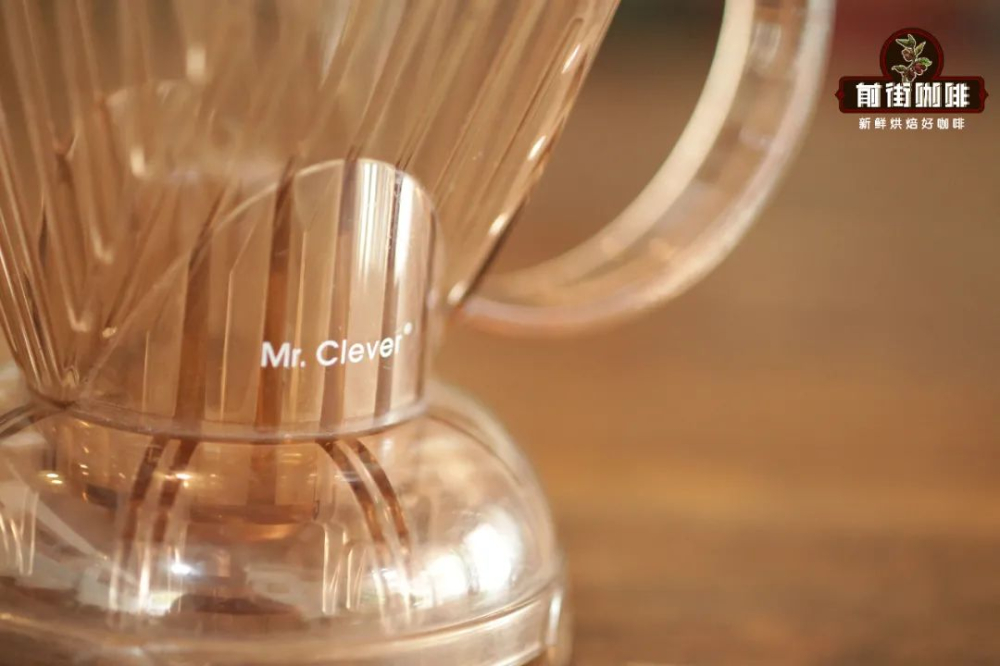
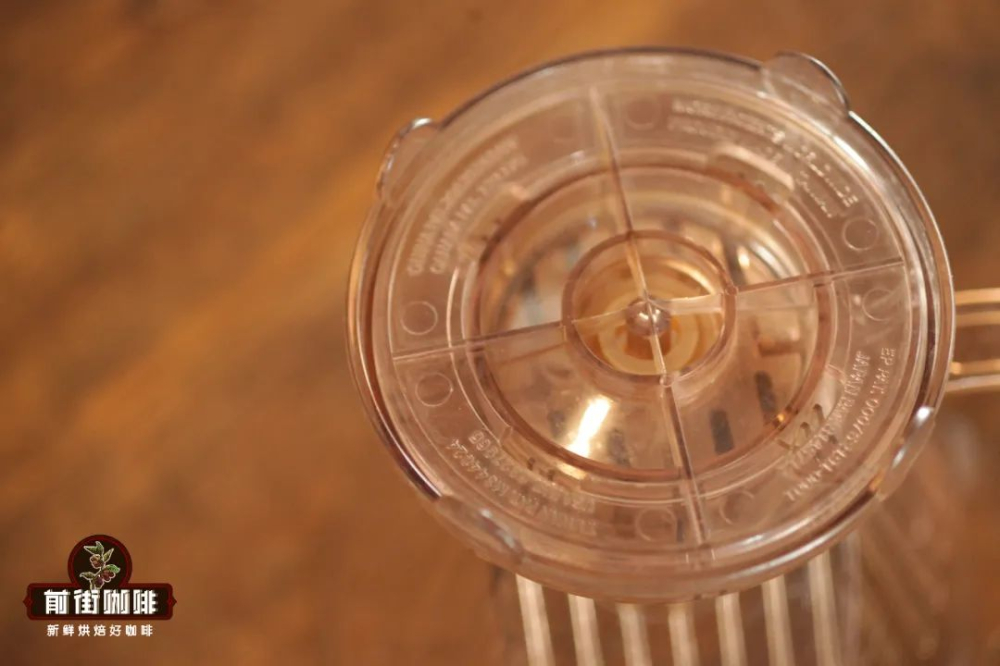
The clever dripper originated in Taiwan and resembles an oversized fan-shaped pour over dripper. Its key feature is a piston-style valve at the bottom. When you pour hot water into the cup, the water pressure automatically presses the valve shut, allowing the coffee grounds to steep inside. Once steeping is complete, simply place the dripper on top of a cup, and the pressure on the base will open the valve, letting the brewed coffee flow out smoothly.
<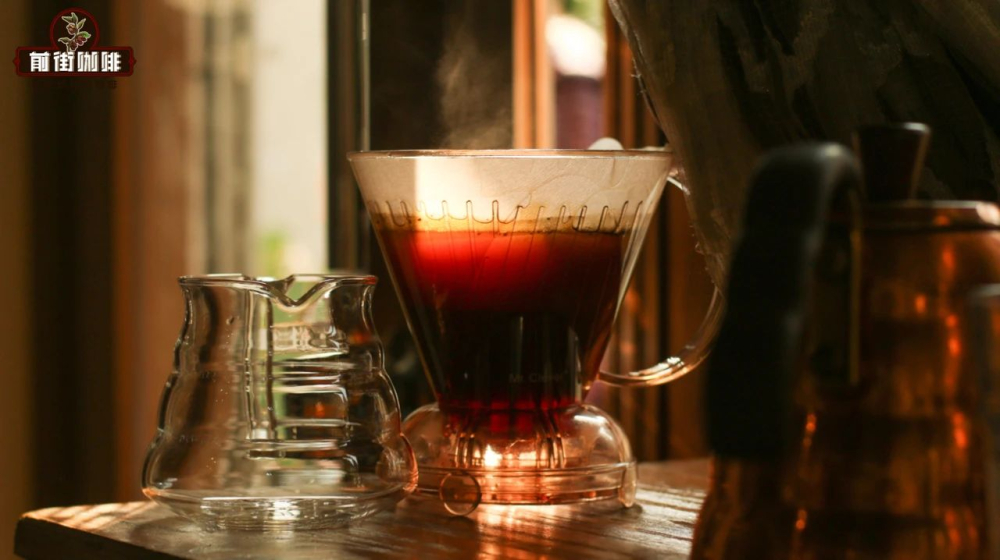 >
In short, the clever dripper is like a dripper equipped with a controllable valve, and since then, many brands have released similar products. It offers great versatility—some use it to mimic the steps of pour over, while others treat it as a no-clean French press. The latter is undoubtedly the preferred method for users who value convenience.
To actually use a clever dripper, you only need a few simple items: the dripper itself, large fan-shaped filter paper, coffee grounds, hot water, and a cup to catch the brew. First, place and flatten the filter paper in the dripper, then add the coffee grounds. It’s recommended to grind slightly coarser than pour over—around 70% through a #20 sieve—to ensure stable water flow during steeping. For a single serving, 15 grams of coffee is a good starting point, though you can adjust based on personal taste.
For pouring, it’s best to use relatively hot water, aiming for a temperature between 94 to 95 degrees Celsius. Pour around 16 times the weight of the coffee grounds—so about 240 milliliters of water for 15 grams. After pouring, cover the dripper and let it steep for about 4 minutes. Once the time is up, gently shake the dripper and place it on the cup; the brewed coffee will flow out naturally through the opened valve.
As for cleaning, the clever dripper is relatively straightforward. Just remove and discard the used filter paper, then quickly rinse the dripper with water. The whole cleaning process is simpler than with a French press and is less likely to leave behind lingering odors.
The extraction process of pour over combines water flow agitation and immersion, resulting in more distinct, vibrant, and varied flavor layers. In contrast, the clever dripper mainly relies on immersion for extraction, delivering a smoother, fuller, and more rounded mouthfeel, making it ideal for those who enjoy a richer, mellower cup.
< >
Most coffee beans suitable for pour over can also be used in a clever dripper, with differences mainly showing in the nuances of flavor expression. If you prefer bright floral and fruity acidity notes, you might choose beans like Kenya Little Tomato, Yirgacheffe Guji Dingding, or Panama Geisha, which often showcase jasmine-like floral aromas, refreshing citrus acidity, and tomato-like fruitiness—perfect for those who enjoy a clean and bright cup.
On the other hand, if you’re not fond of pronounced acidity, you might opt for more balanced beans with sweet undertones, such as Brazil Queen Estate Yellow Bourbon, Jamaica Blue Mountain No.1, or Papua Paradise Bird. These beans typically highlight warm, sweet notes like nuts, chocolate, and caramel, offering a smooth mouthfeel and long-lasting aftertaste—ideal for coffee lovers who prefer a rich and full-bodied flavor.
< >
The above content is compiled by CoffeeHunters, a coffee news website.


