








Introduction:Want to make a cappuccino at home that rivals those from cafés? The unique charm of a cappuccino lies in its silky-smooth mouthfeel resulting from the perfect harmony of milk foam, steamed milk, and espresso. This article delves into the key techniques for steaming milk to create foam, including the optimal temperature range for milk, controlling the density of the foam, the importance of the right amount of foam, and how milk texture affects taste—helping you master the essential skills of professional baristas and avoid common mistakes.
In the world of specialty coffee, both cappuccinos and lattes are beloved classic drinks, but if you observe closely, you’ll notice that the layer of milk foam on a cappuccino is noticeably thicker than that on a latte. This isn’t a coincidence, but rather the result of four key factors: milk temperature, foam fineness, the amount of foam used, and milk texture. This article will focus on the cappuccino, starting with the correct technique for steaming milk to analyze why 55–65°C is the ideal temperature range for blending milk foam and coffee, and explain how too thin or too thick foam can impact overall flavor. We’ll also compare how cappuccinos and lattes differ in their treatment of milk foam, so you can easily create a professional-grade cappuccino at home with perfectly integrated foam and liquid coffee, and a smooth mouthfeel.

Whether you're ordering at a café or brewing at home, lattes and cappuccinos are always top choices. But have you noticed that the milk foam layer on a cappuccino is often thicker and more velvety than that on a latte? That’s the key to its unique mouthfeel. This article will break down the essentials of making cappuccino foam—from basic principles to practical techniques—to help you master this art.

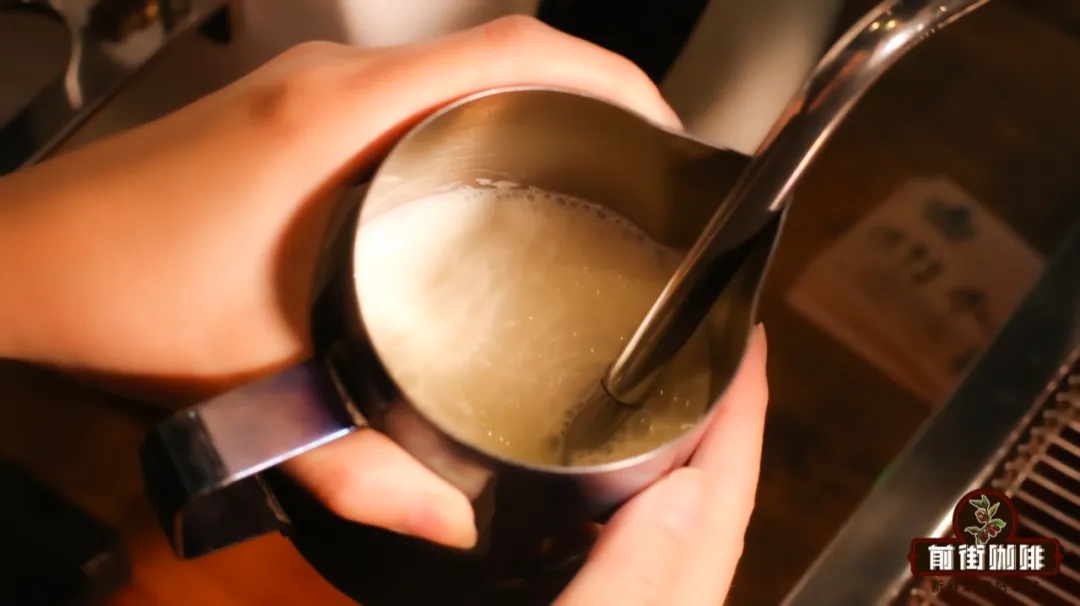
Making cappuccino foam mainly relies on using a steam wand to inject air into the milk while heating it to form fine bubbles. This process is not just about heating—it’s a skill that requires technique and feel. The goal is to create uniform, fine, and stable foam that forms a solid foundation for blending with espresso later.

To bring out the best sweetness and balance in a cappuccino, the key lies in controlling the milk temperature. It’s recommended to use chilled milk—not only does it stay fresh longer, but it also makes it easier to control the final temperature. The best practice is to store the milk in the refrigerator, take it out just before using, and return it promptly after use. Milk should not be overheated,with the ideal range being a comfortable, silky-smooth 55–65°C.
If milk is overheated, it often causes the foam and liquid to separate. When drinking, you first feel the foam floating on top, then are suddenly hit by the heat of the liquid. This happens because steam heating mainly raises the temperature of the liquid, whereas the foam, being made of bubbles, doesn’t actually increase in temperature, creating a noticeable temperature difference when it hits your mouth. In addition, excessive heat can amplify the bitterness of the coffee, suppress its sweet flavors, and even pose a scalding risk. Therefore,it’s advised to gauge the appropriate steaming time by feeling the temperature with your palm and listening to changes in the steam sound. Baristas train by repeatedly practicing to expertly use their sense of touch and the sound of steam to accurately judge the milk’s heating level, ensuring each cappuccino is enjoyed at its best.

The fineness of the foam is one of the core elements that determine the mouthfeel of a cappuccino. Fine foam not only enhances the smoothness of drinking but is also the foundation for beautiful latte art. To produce high-quality foam, two key points must be noted: first,gradually and steadily injecting air into the milk, and second,making full use of the energy of the steam emitted by the steam wandto avoid waste.
In practice, you can observe the state of the foam with your eyes. The finer the foam, the smoother its surface will be and the softer it will feel to the touch, ultimately resulting in a more aesthetically pleasing cappuccino. If you notice the surface of the milk has uneven or bumpy bubbles, it likely means the air in the steam hasn’t fully integrated with the milk. This not only prolongs foaming time but also causes the milk to absorb too much water, resulting in diluted taste and loss of richness. Therefore, it’s recommended to slowly introduce air while observing whether the foam surface is smooth and bubble-free. This not only saves time but also ensures foam quality.
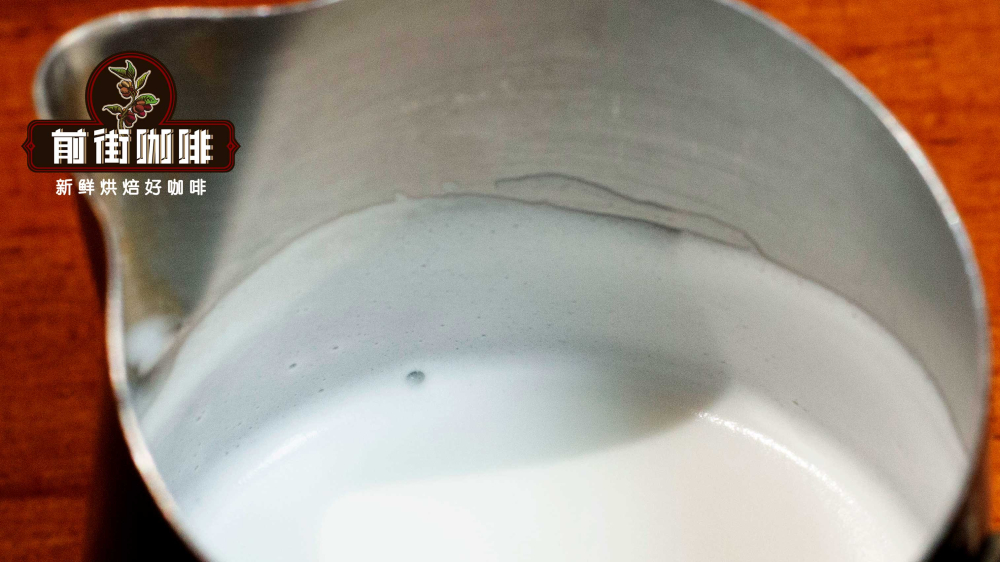
Remember, making foam is a gradual process, not something to be done all at once. Keeping the foam surface steady and heat concentrated not only improves efficiency but also results in finer foam. Though injecting a large amount of air all at once may seem convenient, it often leads to coarse foam, heat dissipation, and even longer preparation times.

The amount of foam in a cappuccino is a crucial factor affecting overall mouthfeel and texture. The right amount of foam not only adds a soft tactile sensation but also achieves an ideal unity between the foam and liquid coffee. If the foam is too thin, it can quickly separate from the milk after pouring, making it difficult to experience the signature integrated mouthfeel of a cappuccino.
Compared to a latte, a cappuccino requires a thicker layer of foam, which helps maintain the balanced ratio among coffee, milk, and foam. Insufficient foam increases the proportion of liquid milk, which can dilute the espresso's flavor and make it difficult to showcase its delicate sweetness and aroma. Therefore, the right amount of foam is not just a matter of taste, but key to flavor presentation.
The texture of the milk—that is, its feel and visual appearance—has a significant impact on the overall cappuccino experience. Here, texture refers to the patterns, smoothness, and overall feel of the milk after frothing. To make a high-quality cappuccino, two points are essential: first,creating finely textured foam, and second,improving efficiency to produce high-quality foam quickly.
In practice, it’s recommended to gently and continuously stir the milk as you pour it into the espresso to ensure the foam, liquid milk, and coffee are uniformly blended, avoiding uneven flavors. Additionally, while attractive latte art can enhance a cappuccino, overall flavor balance is more important. When pouring the milk, avoid pouring from a single point; instead, use circular or layered motions to allow the foam and coffee liquid to naturally merge, creating a beverage experience that is rich in layers and consistent in mouthfeel.
The above content is compiled by CoffeeHunters, a coffee news website.


