







Introduction:Espresso requires extremely precise grind size—any slight deviation can affect extraction efficiency and flavor performance. This article delves into the principles of espresso grinding, explaining why the optimal particle size range is between 150–300 microns, and how to fine-tune grind settings accurately through flow rate observation and taste feedback. It also provides practical daily grind adjustment tips, including recommended coffee-to-water ratios and common troubleshooting strategies for issues like bitterness, insufficient crema, and short aftertaste.
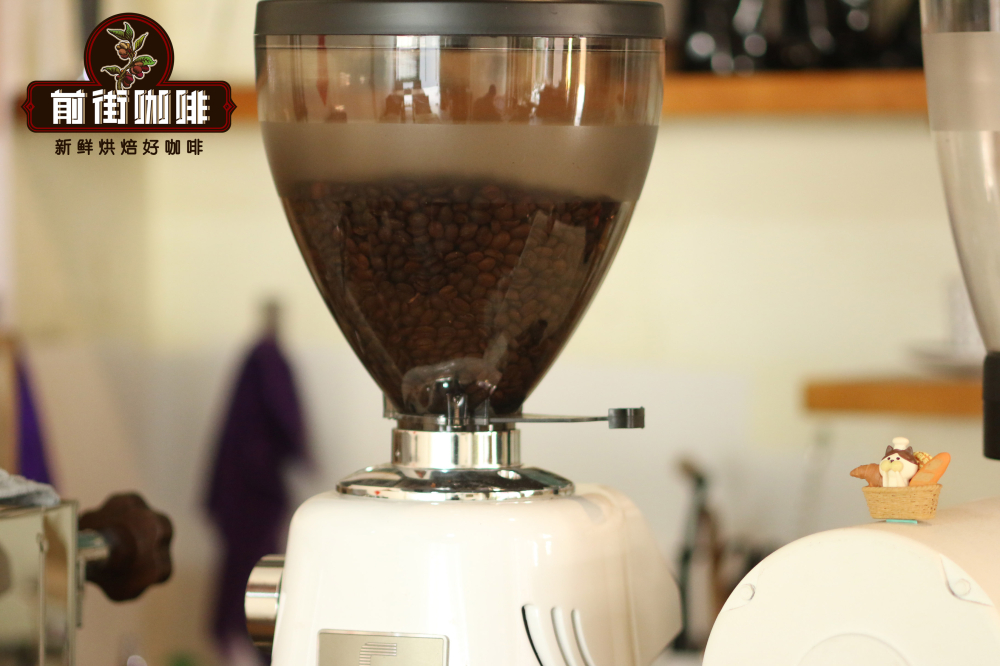
Grind size is one of the core factors affecting coffee extraction quality, and it’s especially critical for espresso. Since this brewing method takes place under high temperature and pressure with an extremely short extraction time, it demands a very high standard of coffee particle fineness and uniformity. Compared to other brewing methods, espresso requires greater precision in grinding—which is why many baristas emphasize that "the grinder is the soul of espresso."
Before the invention of espresso, people primarily used immersion methods to brew coffee, a process that typically took several minutes. However, with the advent of espresso in the early 19th century, the goal shifted to extracting a concentrated coffee liquid in an extremely short time. By utilizing steam pressure, hot water under high temperature and pressure could rapidly penetrate the coffee puck, significantly improving extraction efficiency. After years of technological evolution, the semi-automatic and fully automatic espresso machines we are familiar with today were born.
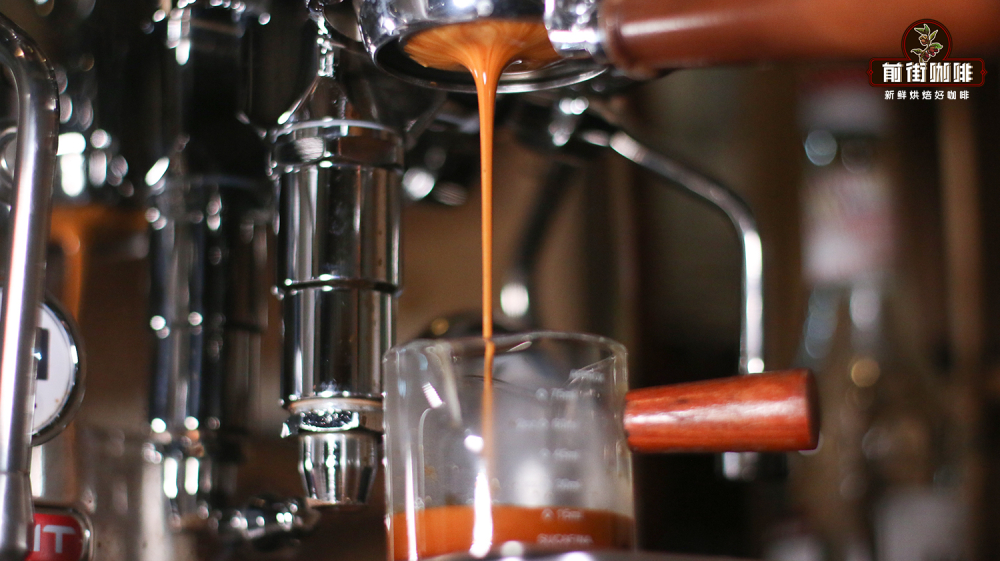
In this high-pressure, short-duration extraction process, the soluble flavor compounds in coffee must be released within just a few dozen seconds, which means the contact between water and coffee grounds must be highly efficient—thus requiring an extremely fine grind size with a uniform particle distribution. Precisely because it is a pressurized extraction, even the slightest variation is magnified, whether it’s positive flavors or defects. This is why espresso demands much stricter grind size precision compared to other brewing methods.
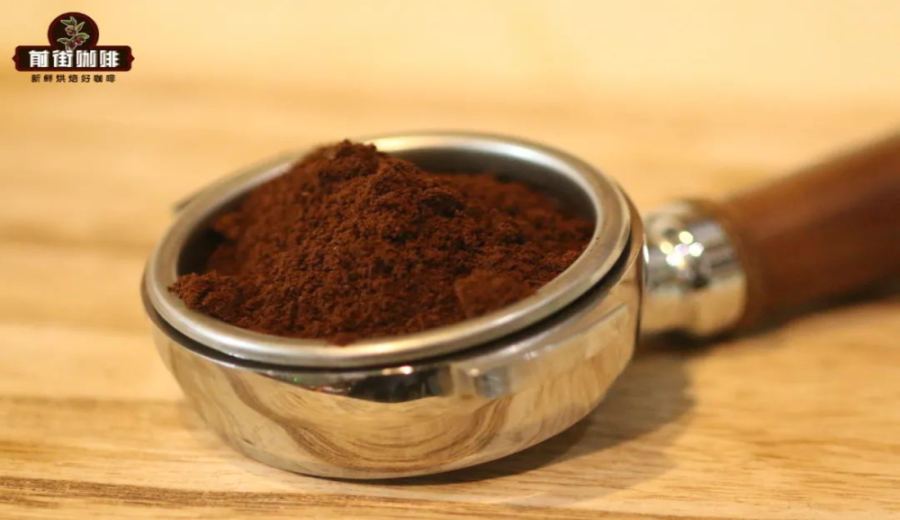
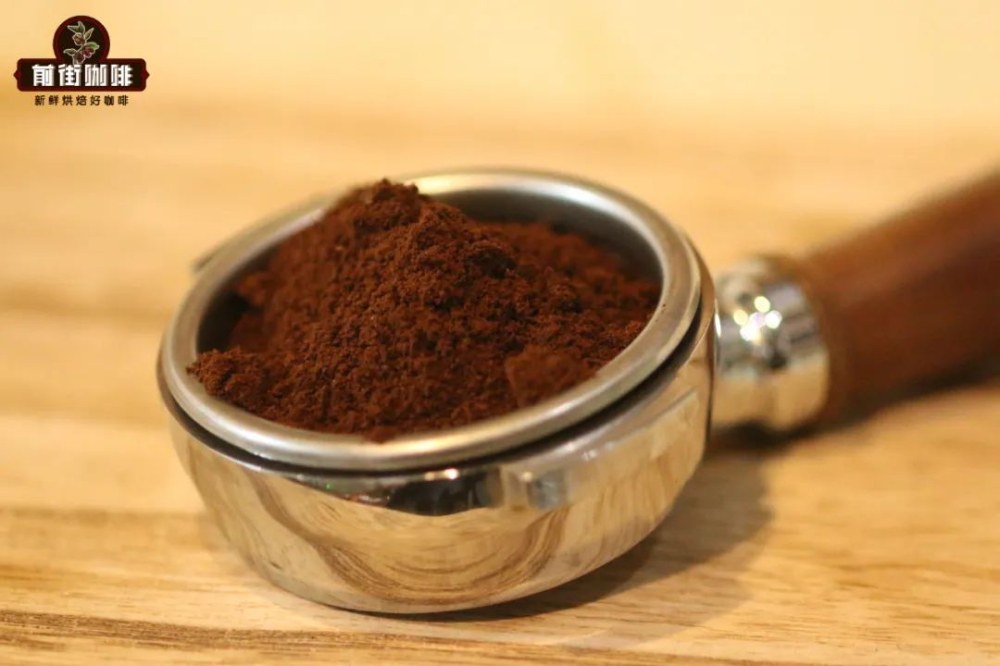
If your shop offers both espresso and pour over coffee, you’ll need at least two different grinders. The coffee grounds produced by an espresso grinder are as fine as powdered sugar, with particle sizes generally ranging between 150 and 300 microns—so fine that they’re almost indistinguishable to the naked eye. However, we can judge whether the grind is appropriate based on the interaction between coffee and water.
When the grind is slightly too fine, water flows through the coffee bed more slowly, which can lead to over-extraction and result in bitter or astringent flavors; conversely, if the grind is too coarse, water passes through too quickly, causing under-extraction, making the coffee taste thin or overly acidic. These differences can sometimes stem from just a 0.1 adjustment on the grind setting. Therefore, in practice, we usually determine whether further grind adjustments are needed by observing the espresso’s flow rate and combining that with taste evaluation.
 When you get a new coffee bean and want to achieve ideal espresso, the first step is to find the right grind size. If your grinder hasn’t been calibrated yet, or you’re not familiar with the suitable grind range, it’s recommended to start by taking a small amount of beans and testing different grind settings. When the coffee powder feels as fine as flour, with no noticeable granules, it indicates that you’re close to the desired fineness for espresso.
Next, you can apply common espresso extraction parameters for testing. It’s generally recommended to use a 1:2 coffee-to-water ratio—that is, extracting about 2 grams of coffee liquid per 1 gram of coffee grounds, with a time frame controlled between 20 to 30 seconds. For example, if you’re using a 20-gram portafilter basket, you’d use 20 grams of coffee grounds, aiming to extract 40 grams of coffee liquid. If the extraction time is less than 20 seconds, it usually means the flow rate is too fast—the coffee may taste weak and acidic, so you should adjust the grind finer. Conversely, if it exceeds 30 seconds, the grind may be too fine, preventing water from flowing smoothly, often resulting in bitterness—and you should adjust the grind coarser.
Adjusting the grind setting mainly relies on accumulated experience. If the difference from the target time is within 5 seconds, adjust by 0.2 clicks each time; if the time difference is larger, you can boldly adjust by 0.5 to 1 click. Even if the time suddenly shifts from too long to too short, this process can help identify the general range, after which you can make gradual fine adjustments until the ideal extraction state is achieved.
While the above formula helps quickly identify the grind range, it doesn’t guarantee a delicious shot of espresso. The final judgment still depends on the beans’ characteristics and actual flavor performance, combined with experience. For a barista, mastering the knack comes quickly through extensive hands-on practice in a shop; for amateur enthusiasts, it may take more time, practice, and record-keeping to gradually adjust the coffee to their preferred taste.
 If you find that your espresso has a noticeable burnt or bitter taste but the concentration is normal, it usually means the extraction time is too long, releasing too many bitter compounds—try adjusting the grind slightly coarser. If the crema on the coffee’s surface is pale or thin, it may indicate over-extraction in the later stage—consider reducing the yield by adjusting the coffee-to-water ratio to between 1:1.5 and 1:1.7. On the other hand, if the coffee has rich flavor layers but a short aftertaste, you might try increasing the yield by adjusting the ratio to 1:2.5, allowing more nuanced flavors to be extracted.
The above content is compiled by CoffeeHunters, a coffee news website.


