







Introduction:Yirgacheffe is one of Ethiopia’s most iconic specialty coffee regions, renowned for its bright acidity and delicate floral notes. This article will delve into how washed and natural processing methods influence flavor, and provide detailed brewing parameters and practical tips for three common extraction methods—pour over, cold drip, and drip bags—to help both beginners and seasoned enthusiasts perfectly recreate this classic bean’s profile at home.
Yirgacheffe coffee originates from Ethiopia and stands as one of the country’s most representative specialty coffee regions, as well as a classic in the hearts of specialty coffee lovers worldwide. Its most distinctive features are its bright acidity, subtle floral aromas, and refined mouthfeel, making it an ideal starting point for exploring the world of specialty coffee.
Many people, when first trying pour over coffee, are surprised by its acidity, which is a far cry from the "bitter and harsh" coffee they may have expected. This eye-opening experience often begins with a cup of Yirgacheffe. For many beginners, it’s after their first sip that they embark on a deeper journey into specialty coffee.
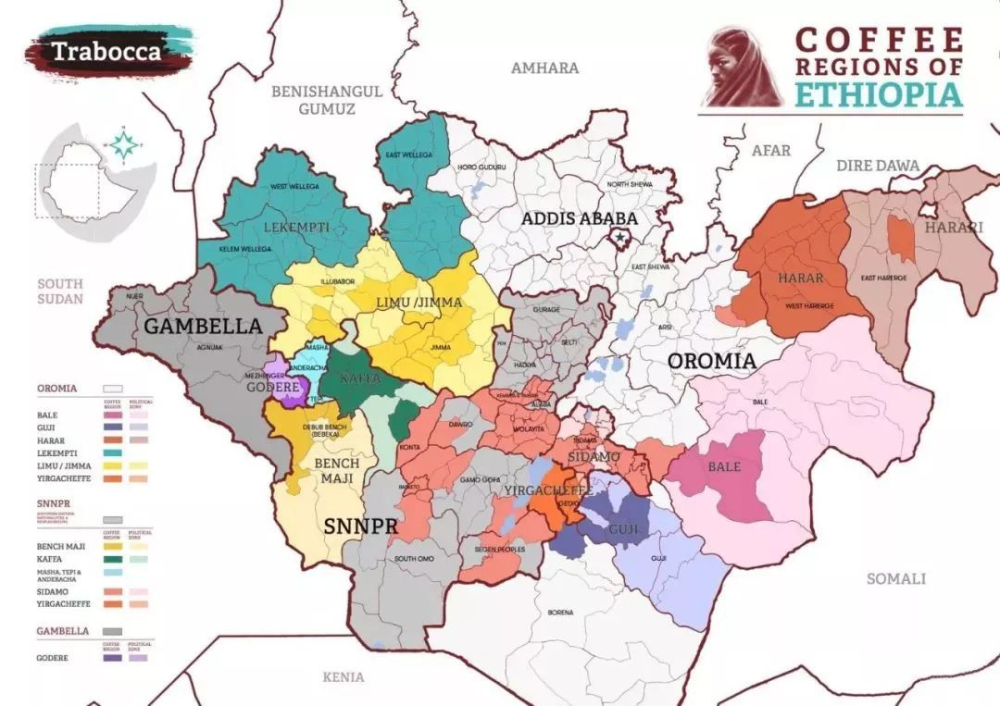
Originally a sub-region under the Sidamo region, Yirgacheffe has gradually stood out and become an independent and highly esteemed region, thanks to its uniquely vibrant coffee profile featuring fresh white floral notes and citrus tones. Interestingly, in 2004, Starbucks attempted to trademark the name “Yirgacheffe,” prompting resistance from the Ethiopian government. The issue was resolved in 2007 when the name was rightfully returned to its place of origin.
The captivating flavors of Yirgacheffe are largely tied to its processing methods. The two most commonly seen methods on the market are washed and natural, and these two approaches yield distinctly different flavor profiles.
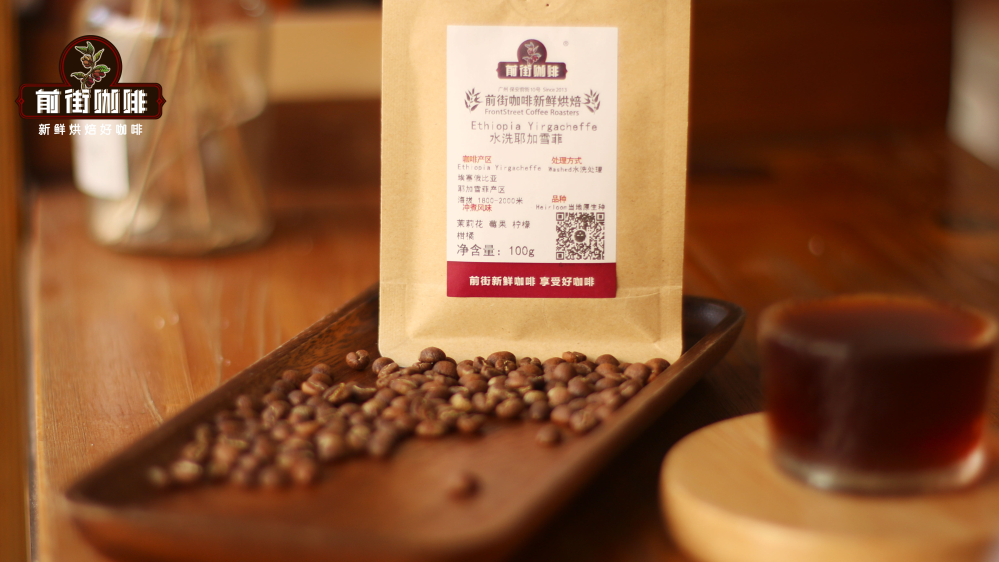
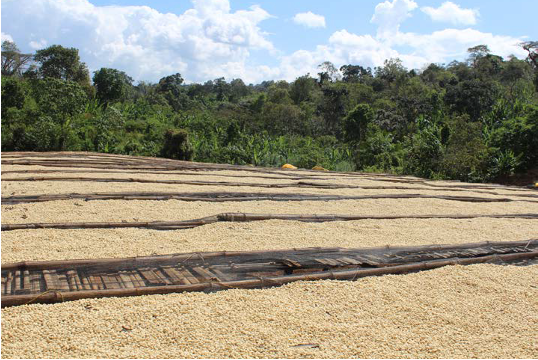
Washed-process Yirgacheffe typically exhibits a clean, bright acidity along with delicate floral characteristics. The process involves removing the skin and pulp of the harvested coffee cherry, then fermenting the mucilage-covered parchment beans in water tanks. The mucilage is subsequently removed through manual stirring, and the beans are dried on raised beds to avoid ground contact until moisture levels drop to 13%. This method effectively minimizes impurities and unwanted flavors, allowing the coffee to showcase its pure regional character.
The advantage of this process lies in its refreshing, well-layered profile, especially appealing to those who enjoy fruity acidity and floral notes. Many coffee aficionados prioritize washed Yirgacheffe when selecting an entry-level bean, as it faithfully reflects regional traits without overly pronounced off-flavors or fermentation sensations.
In contrast, naturally processed Yirgacheffe presents a completely different personality. This method involves drying whole coffee cherries directly under the sun, allowing sugars from the fruit and mucilage to fully penetrate the beans, resulting in richer fruitiness, more pronounced sweetness, and a fuller body.
In a classic offering from a certain brand, natural Yirgacheffe—like Red Cherry—is often described as having berry-like sweet-tartness and mild fermentation aromas, with a honey-like sweetness lingering on the finish. It suits drinkers who prefer intense flavors and bold fruit bursts.
Whether washed or natural, Yirgacheffe showcases the unique regional characteristics of Ethiopian coffee. Understanding its processing method can help you choose the bean profile that best matches your taste preferences.
Next, we’ll focus on the practical brewing methods for Yirgacheffe—including pour over, cold drip, and drip bags—and provide expert parameters and useful techniques to help readers brew professional-grade flavors at home.
[Pour Over Coffee Parameters and Steps]
Brewing Equipment: It is recommended to use a Hario V60 dripper, which highlights Yirgacheffe’s clarity of acidity and layered profile.
Recommended Parameters:
- Water Temperature: 90°C
- Coffee Dose: 15 grams
- Coffee-to-Water Ratio: 1:15
- Grind Size: Passes about 80% through a #20 Chinese sieve, equivalent to a medium-fine grind
- Start by pouring 30 grams of hot water for a 30-second bloom
- Then pour in a thin stream in circular motions from the center outward until reaching 125 grams
- Once the water level drops, continue pouring until the total reaches 225 grams
- Aim to complete the entire extraction in about 2 minutes
- Coffee Dose: 15 grams
- Hot Water (92°C): 150 grams (10x)
- Ice: 75 grams (5x)
- Grind Size: 83% through a #20 sieve, slightly coarser than for pour over, approximately EK43s setting 9 or C40 setting 22
- Place the ice in the lower chamber, then add the coffee grounds and gently tamp them flat
- For the first stage, pour 30 grams of hot water for a 30-second bloom, controlling the flow rate at 3–4 ml/s
- For the second stage, pour 60 grams of hot water, paying attention to the liquid level
- For the final stage, pour the remaining 60 grams of hot water. The total extraction time should be around 1 minute 50 seconds to 2 minutes
Coffee beans from a certain brand are usually freshly roasted and are best used within 4 to 7 days of receipt, when their flavors are at their peak. A 30-second bloom is recommended before brewing to release CO₂, aiding subsequent flavor extraction.
Pour Over Steps:
Maintaining a stable flow rate and even pouring path helps fully bring out Yirgacheffe’s delicate floral and citrus notes.
[Cold Drip / Iced Coffee Parameter Suggestions]
For coffee lovers who prefer cold beverages, cold drip or iced Yirgacheffe is also highly recommended. This method preserves acidity while showcasing a rounder and sweeter flavor profile.
Recommended Parameters:
Brewing Method (Three-Stage Pour):
This method allows the coffee to slowly extract sweetness and fruitiness as it cools, making it particularly suitable for summer enjoyment.
[Drip Bag Brewing Tips]
Drip bags are a top choice for many busy individuals or office workers. They’re simple to use yet still capable of highlighting Yirgacheffe’s refined flavors. However, improper brewing can result in dull aromas and flat acidity.
Recommended Coffee-to-Water Ratio:1:15 to 1:18, adjustable based on personal taste
Taking a 10-gram drip bag as an example, the total water volume is recommended to be 150–180 ml. For a stronger taste, a three-stage pour is suggested: start by pouring a small amount of hot water (about half the capacity) for a 20-second bloom, then pour in two increments to fill to nine-tenths full, for a total time of about 1 minute 30 seconds.
Drip bag products from a certain brand, such as “Guodingding” and “Red Cherry,” are medium-light roasted and use non-woven fabric filters, thus containing almost no oils but delivering clear sweet-tart profiles and clean aftertastes.
Guodingding drip bags feature a green-tea-like note with citrus acidity, offering a refreshing and delicate flavor; Red Cherry presents berry-like sweet-tartness with honey sweetness, ideal for those who enjoy rich fruit flavors.
In summary, Yirgacheffe is an exceptionally expressive specialty coffee bean. Whether you choose pour over, cold drip, or drip bags, mastering grind size, water temperature, and pouring technique will allow you to enjoy a high-quality café-level coffee experience at home.
The above content is compiled by CoffeeHunters, a coffee news website.


