








Introduction:Many coffee enthusiasts wonder whether a BRIKKA moka pot with a pressure valve design can produce crema similar to that of an espresso shot, or even allow for beautiful latte art. By comparing the use of the same dark roasted blend with both a moka pot and a professional espresso machine, and then attempting to pour latte art with each, we take an in-depth look at the key differences in pressure, crema, and fluidity — helping you understand whether a moka pot can also be a practical choice for making milk-based coffee drinks in your daily routine.
The BRIKKA moka pot from BIALETTI is known for its distinctive octagonal shape and pressure valve system, and is considered one of the few moka pots on the market capable of producing crema (that fine, reddish-brown foam on the surface of coffee). As a result, many users are curious: since it can generate an appearance similar to espresso, can coffee brewed with the BRIKKA also produce beautiful latte art patterns like those made with a professional machine? This article puts it to the test by using both a BRIKKA moka pot and an espresso machine, with the same dark roasted blend (composed of Brazilian, Indonesian, and Vietnamese beans, roasted dark to enhance aroma and crema expression), and compares the results using identical milk foam and latte art techniques, to show you the actual differences in their latte art performance.
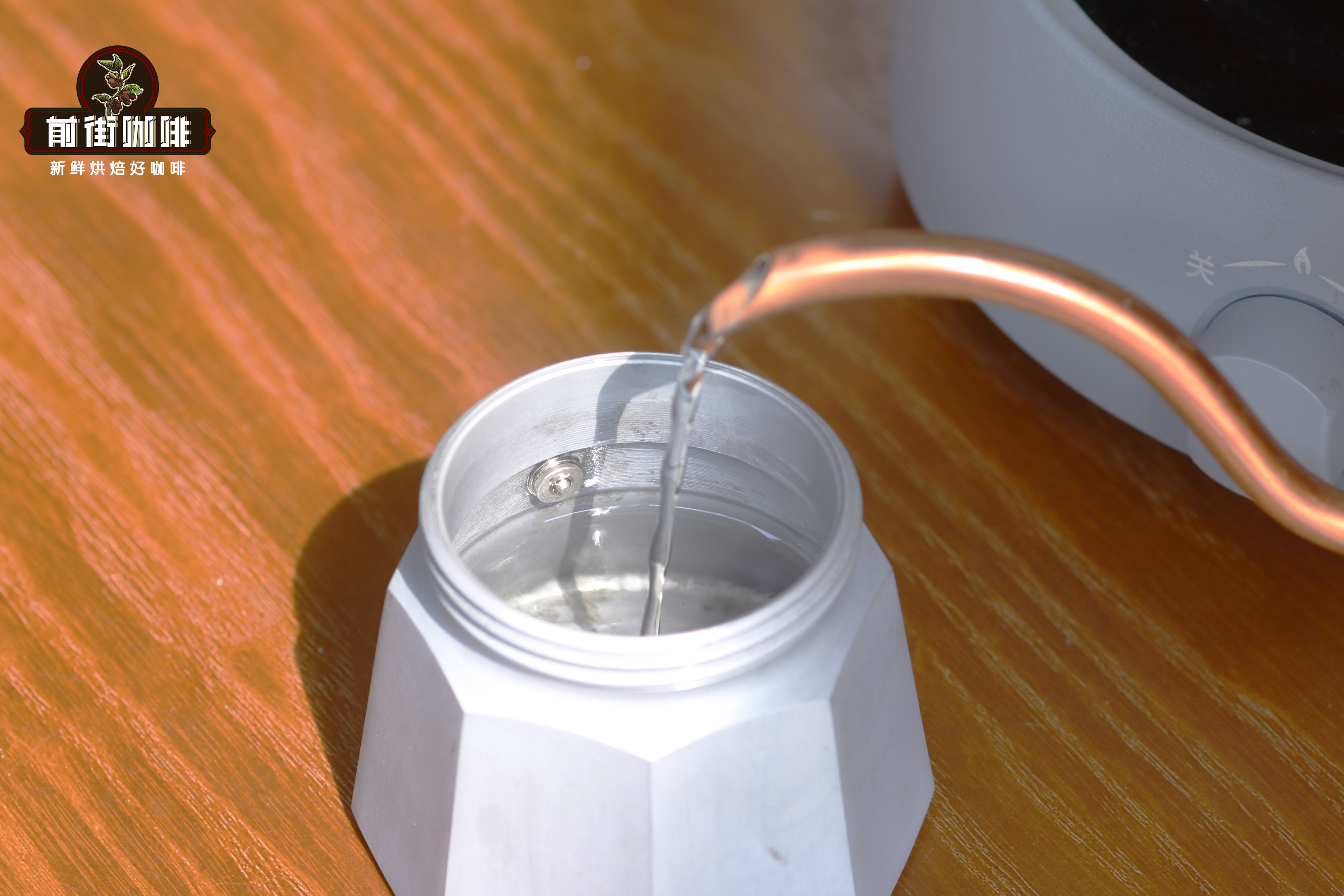
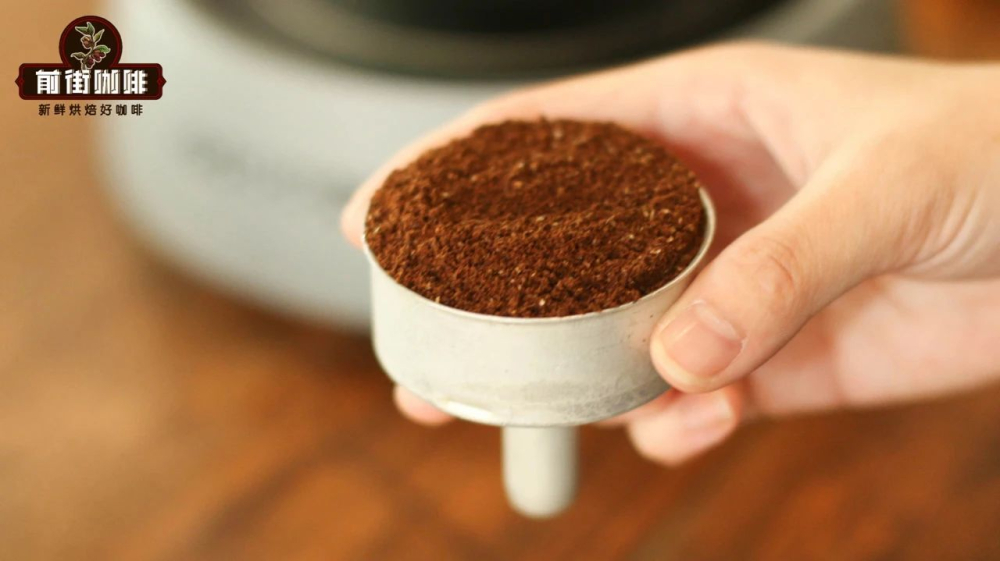
To make the comparison more meaningful, we first followed the standard brewing procedure to prepare coffee with the BRIKKA moka pot:Step 1is to fill the lower chamber with cold water up to the valve level, then insert the filter basket;Step 2recommends grinding the coffee slightly coarser than standard espresso grind, filling the basket with the coffee piled slightly higher in the center while leveling out and filling any gaps around the edges, then directly screwing on the upper chamber. Be aware of the slightly concave design of the upper filter, which helps compact the coffee bed for more stable extraction;Step 3is to place the assembled moka pot on an electric stove and heat it over high heat until you hear a distinct “wuuu-pff” sound;Step 4then reduce the heat to low and open the upper chamber lid to observe;Step 5once the coffee has extracted to about half full, turn off the heat and let the remaining coffee be pushed up into the upper chamber by residual heat and pressure;Step 6finally pour the coffee into a cup for drinking. At this point, you might be pleasantly surprised to find that the BRIKKA does indeed produce some crema, making the coffee’s appearance closer to that of an espresso.

Next, we used the same milk foam and latte art technique to pour patterns with coffee from both the BRIKKA moka pot and the espresso machine. Upon observation, we found that latte art made with moka pot coffee hadlighter-colored patterns,with blurred edges, and overall lower contrast in the design; whereas the patterns poured from the espresso hadclear lines and vibrant color, resulting in a more visually appealing effect. This mainly stems from the differences in crema content and fluidity between the two.
While moka pot coffee can produce a small amount of crema, this layer of oils quickly dissipates within just over ten seconds after pouring, resulting in the coffee havinginsufficient body, which in turn affects the stability of the milk foam and coffee mixture during pouring, and how well the pattern holds. In contrast, an espresso machine uses9–12 bars of high pressurealong with water heated to around90°Cto pass through a tightly compressed coffee puck. This not only extracts richer and more refined crema, but also gives the coffee greater body and flow control, making it easier for the milk foam to adhere and flow smoothly during pouring, resulting in sharper, more defined patterns.


From a technical standpoint, the BRIKKA moka pot utilizes its patented pressure valve system to build up pressure during heating. Once the appropriate brewing pressure is reached, hot water is pushed through the coffee bed. Although its maximum pressure is only about1–2 bars— far less than the 9 bars or more of professional machines — it is still enough to brew a stronger cup of coffee with more crema than a typical moka pot. However, due to the noticeably lower pressure, the resulting crema is not only minimal in volume but also less stable, which directly impacts the quality of subsequent latte art.
If you simply want to try making patterned milk coffee at home with lower cost and fewer barriers to entry, the BRIKKA moka pot can indeed do the job — as long as you get the grind size, coffee-to-water ratio, and heating timing right, you can still brew a strong cup of coffee with a touch of crema, and with the addition of milk foam, create basic latte art. But if you’re aiming forprofessional-level latte art with sharp patterns, strong contrast, and excellent visual and flavor qualities, then the advantages of an espresso machine in terms of pressure, crema, and fluidity are still aspects that a moka pot cannot fully replace at this time.
The above content is compiled by CoffeeHunters, a coffee news website.


