







Introduction:Have you ever wondered how the bitterness in Americano and espresso differs? If you don’t have a professional coffee machine at home, how can you use simple tools to brew something close to the flavor of an iced Americano? This article delves into the extraction principles and flavor differences between the two, introduces suitable types of coffee beans for brewing, and shares practical parameters for pour over and cold brew. It also recommends several beans that are great for making refreshing iced coffee, allowing you to enjoy professional-level flavors easily at home.
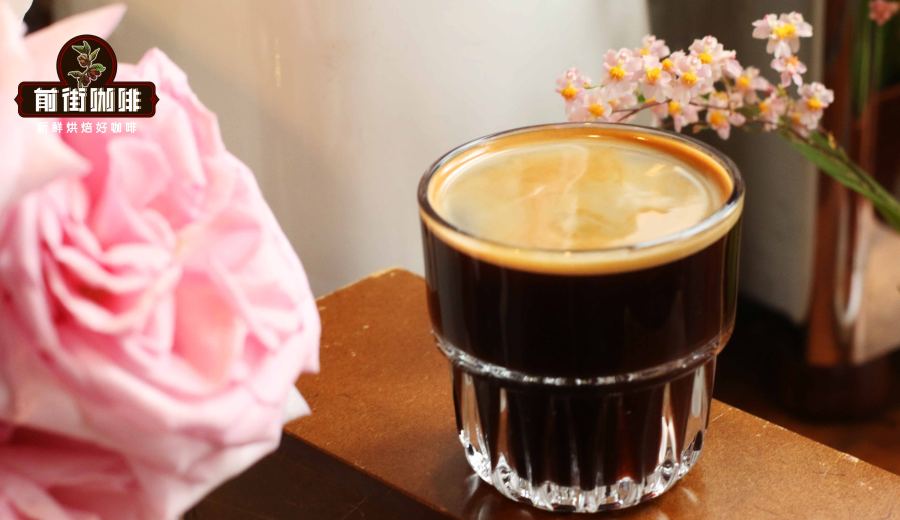
In the world of coffee, although both Americano and espresso are black coffees, they differ greatly in flavor, brewing method, and bitterness expression. Americano is typically made by diluting espresso with hot water, making it an extension of the espresso system. For this reason, its bitterness is softer compared to pure espresso, but it is also more susceptible to the influence of bean variety and roast level. If you prefer a clean and refreshing coffee taste, understanding the differences between them is very important.
So, if you don’t have an espresso machine at home, can you make something similar to iced Americano using pour over or cold brew? The answer is yes, but the effect is fundamentally different from traditional iced Americano. Iced Americano emphasizes the richness and clear layers of the espresso base, while pour over and cold brew tend to highlight the fruitiness and sweetness of the coffee itself, with completely different flavor profiles. However, by selecting the right bean variety and mastering extraction techniques, you can still produce equally satisfying iced coffee.
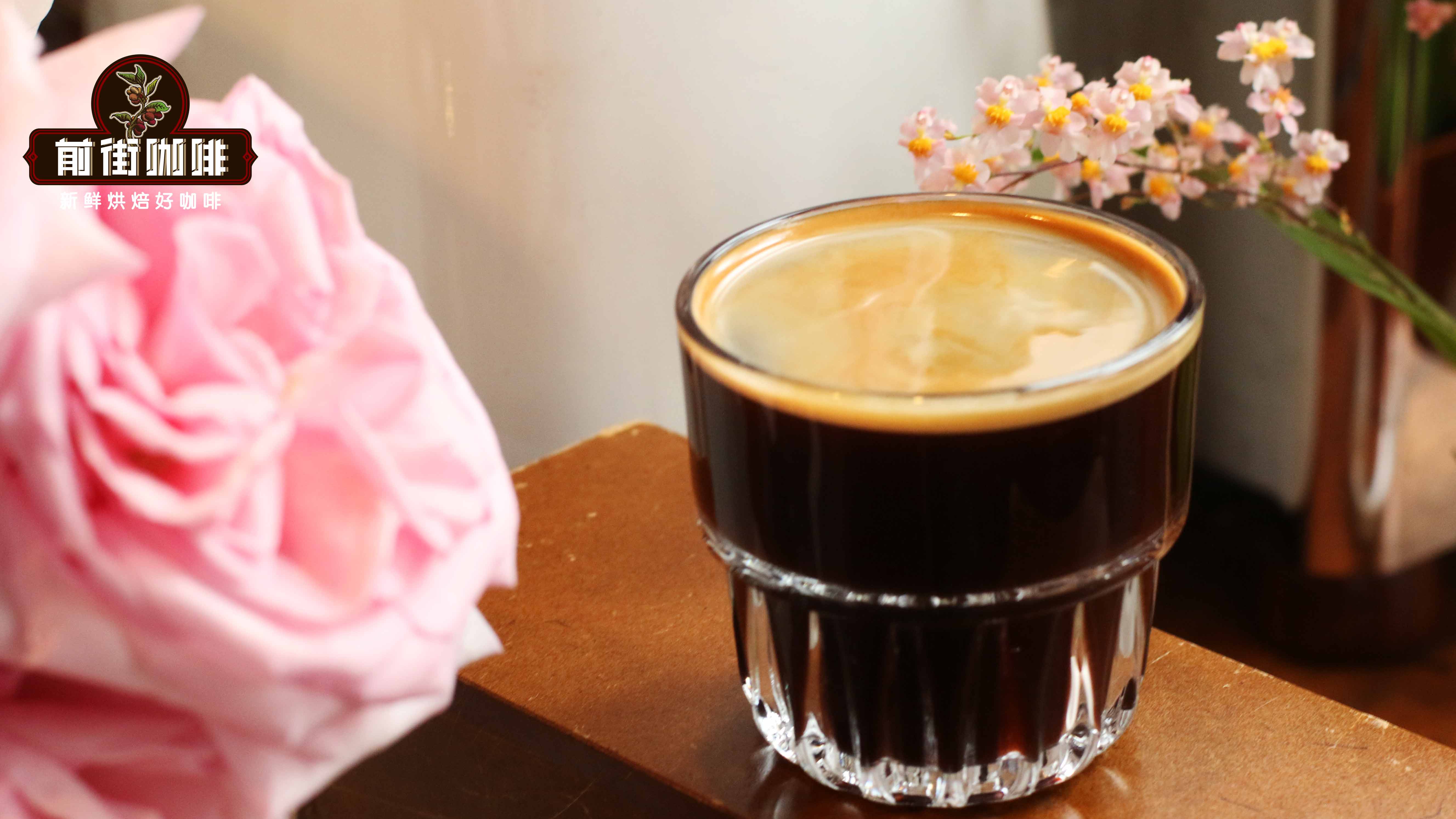
The so-called Americano is actually a drink made by mixing a small amount of highly concentrated espresso with a large amount of hot water. This method not only reduces the overall concentration but also balances the originally concentrated bitterness and acidity. Therefore, choosing the right coffee beans becomes key to determining whether the Americano tastes good. Generally speaking, medium roast to medium-dark roast blends or single-origin beans (SOE) are more suitable for making Americano with balanced flavor, ideal for daily drinking.
For beginners, choosing a coffee bean suitable for a home moka pot is particularly important. For example, a certain dark cocoa blend is a favorite among many coffee novices. This blend combines Yunnan small-seed variety and Brazilian Cerrado beans, featuring distinct notes of nuts, chocolate, and a hint of plum. The overall flavor is round and not overly sharp, making it suitable for brewing with a moka pot and then adding water to make a hot Americano—simple to operate and easy to get started with.
If you prefer a thicker and richer taste, you might consider a certain Golden Mandheling SOE. This premium coffee bean from Indonesia undergoes multiple rigorous screenings and, after medium-dark roasting, emits strong aromas of spices, caramel, and dark chocolate. Its crema performance is outstanding, and even a simple filtration can reveal rich layers, making it especially suitable for those who don’t like excessive acidity.
When actually making a hot Americano, it’s recommended to use the golden extraction ratio—for example, using 20 grams of coffee grounds to extract 40 grams of espresso, with an extraction time controlled between 25 to 30 seconds—to achieve a coffee liquid that has both concentration and flavor. Then, following a 1:6 ratio, add the 40 grams of espresso to 240 grams of hot water at around 88°C to complete a standard hot Americano. If you want to make an iced Americano, simply replace the hot water with 120 grams of ice cubes and 120 grams of room temperature water, and drink it before the ice fully melts to retain the maximum flavor and texture.
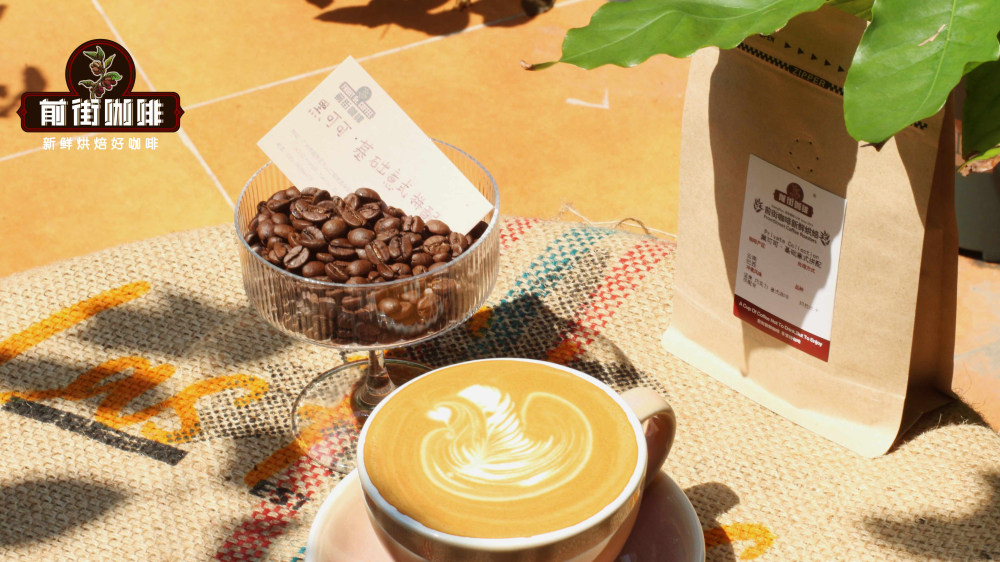
So, can cold brew and pour over also produce something similar to iced Americano? The answer is no. Although they can also make iced coffee, their flavor characteristics are completely different. Cold brew coffee is usually extracted through long steeping in a low-temperature environment, resulting in a softer flavor with noticeable sweetness and easier expression of fermented aromas in the coffee. Pour over coffee, on the other hand, can highlight the regional characteristics of the beans, with a clean and refreshing layering and a clean aftertaste, making it more suitable for drinkers who prefer fruity or floral flavors.
If you choose to make iced coffee using cold brew, it’s recommended to prioritize coffee beans with floral and fruity aromas. For example, a certain sun-dried Hua Kui features strong flavors of strawberry and guava, a certain Red Cherry showcases fresh citrus and floral notes, and a certain Fruit Ding Ding has tones of honey and green tea. These beans are very suitable for low-temperature, long-duration extraction and can deliver a smooth and layered taste.
Additionally, if you prefer coffee with a stronger juice-like feel and more exuberant fruit flavors, you might also consider specialty beans such as a certain Strawberry Sugar, a certain Cherry Tomato, or a certain Mozart. These bean varieties usually have distinct fruit characteristics, such as grape juice, rose, cherry tomato, dark plum juice, or even pineapple aromas, making them ideal for showcasing rich fruit flavors in pour over or cold brew. These products are usually available on online coffee marketplaces, convenient for coffee enthusiasts who love to try new things to purchase.
The above content is compiled by CoffeeHunters, a coffee news website.


