







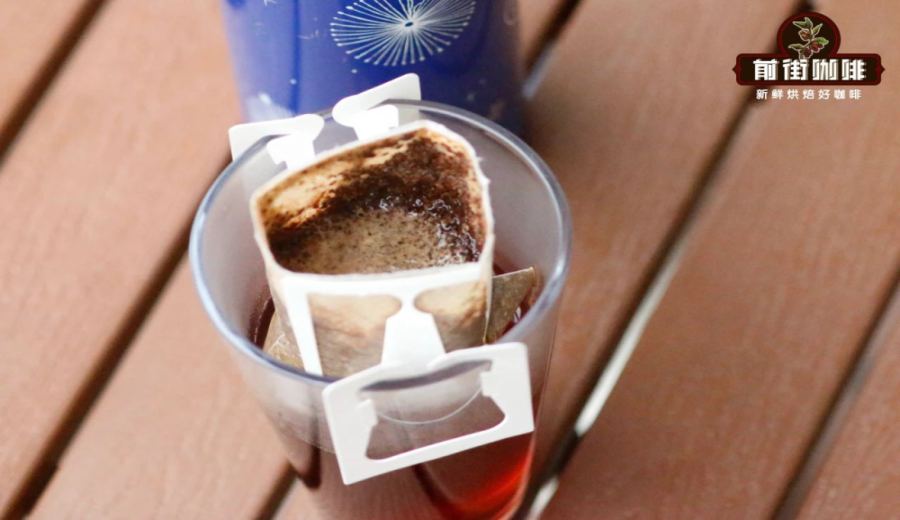
Introduction:Want to brew a delicious cup of drip bag coffee at home but not sure where to start? This article will detail two common brewing methods—hot brewing and cold drip—including practical parameters such as optimal water temperature, coffee-to-water ratio, pouring technique, and time control. It also explains why drip bags are only suitable for single use. Additionally, we provide golden ratio suggestions for black coffee and fresh milk, allowing you to adjust the flavor to your preference—whether you enjoy a bold, rich taste or a refreshing one.
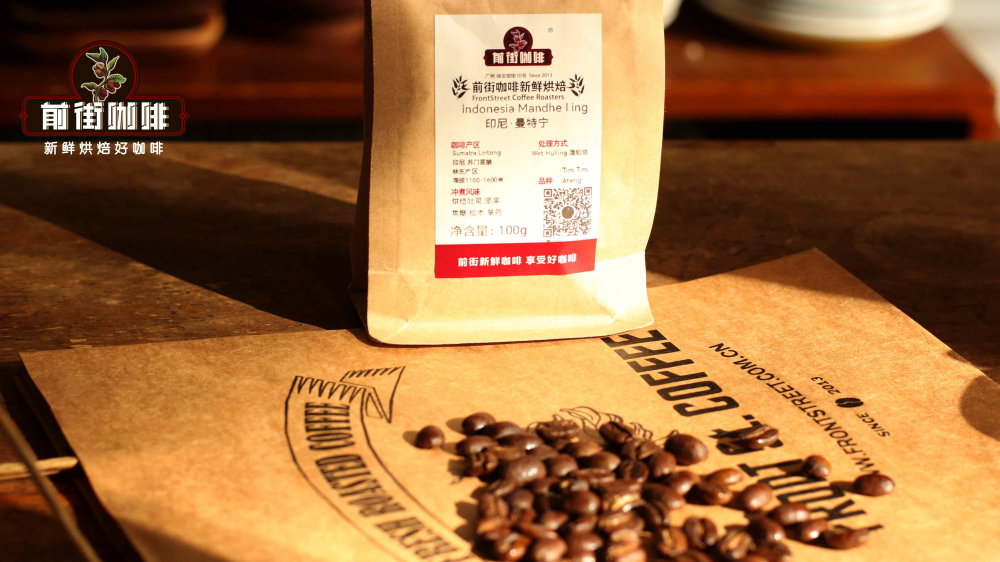
Drip bag coffee is a convenient way for modern people to enjoy the flavor of freshly ground coffee. Without the need for expensive equipment, just hot water and you can easily do a pour over. There are many drip bags on the market featuring flavors from different regions—for example, the spicy and caramel notes of Indonesian Mandheling, the floral and fruity acidity of Ethiopian Yirgacheffe, and the nutty base tone of Brazilian Cerrado. Each has its unique characteristics to satisfy different taste preferences. This article not only guides you on how to correctly brew drip bag coffee but also delves into the differences between hot brewing and cold drip, and teaches you how to pair it with simple milk to make the coffee smoother.
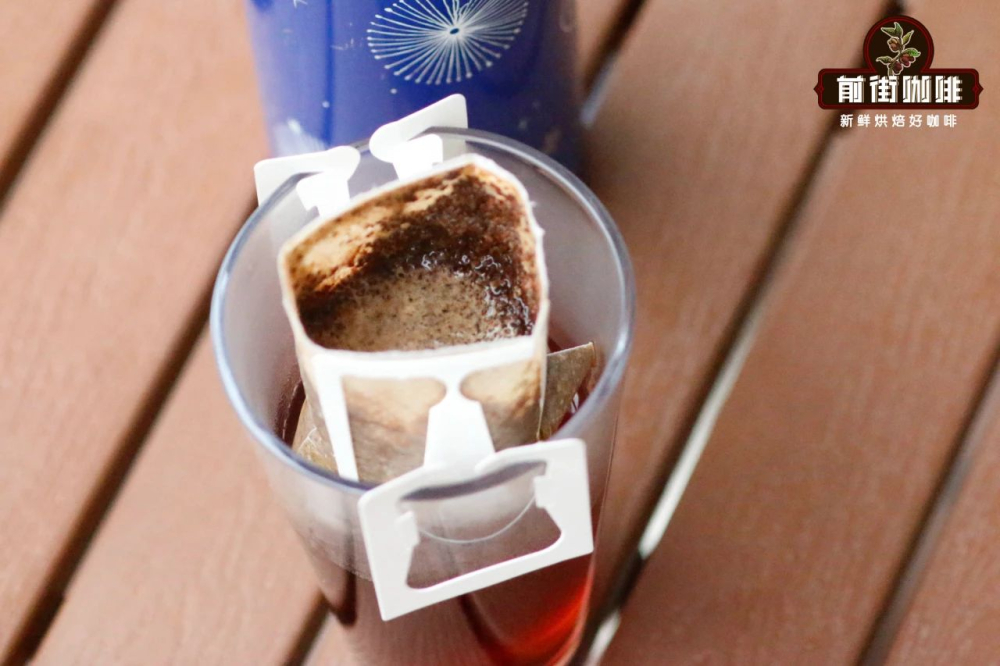
Hot brewing is the most common brewing method, with a low barrier to entry—you only need a pour over kettle and a heat-resistant cup. Taking a common 10-gram drip bag as an example, it is recommended to use hot water at about 90°C, along with a 1:15 coffee-to-water ratio (i.e., 10 grams of coffee grounds to 150 milliliters of water), which can fully showcase the layers and aroma of the coffee. The specific steps include: first tear open the outer pouch of the drip bag, open the enclosed filter paper with handles and hang it over the cup; then slowly pour a small amount of hot water (about 20 grams) using the pour over kettle for a 20-second bloom to help release carbon dioxide from the coffee grounds; next, pour the remaining water in two stages—first 60 grams, then 70 grams—maintaining a steady and fine water flow to evenly saturate the coffee grounds, resulting in a well-balanced pour over coffee.
If you prefer a cold drink, drip bag coffee is also suitable for making cold drip coffee. It is recommended to use the same 10 grams of coffee grounds, but adjust the coffee-to-water ratio to 1:10 (i.e., a total water volume of 100 milliliters), and pour with 90°C hot water. First, perform the same 20-gram water bloom step, then pour the water in two batches—for example, first pour until the filter bag is half full, wait about ten seconds or so, then pour until nearly full to allow for more thorough extraction. Once the coffee liquid has completely dripped through, add 50 to 70 grams of ice cubes and stir well to enjoy a refreshing iced coffee. Compared to hot brewing, cold drip coffee usually has a fresher flavor, with more pronounced acidity, but overall body is slightly lower, making it suitable for those who prefer a clean and crisp taste.
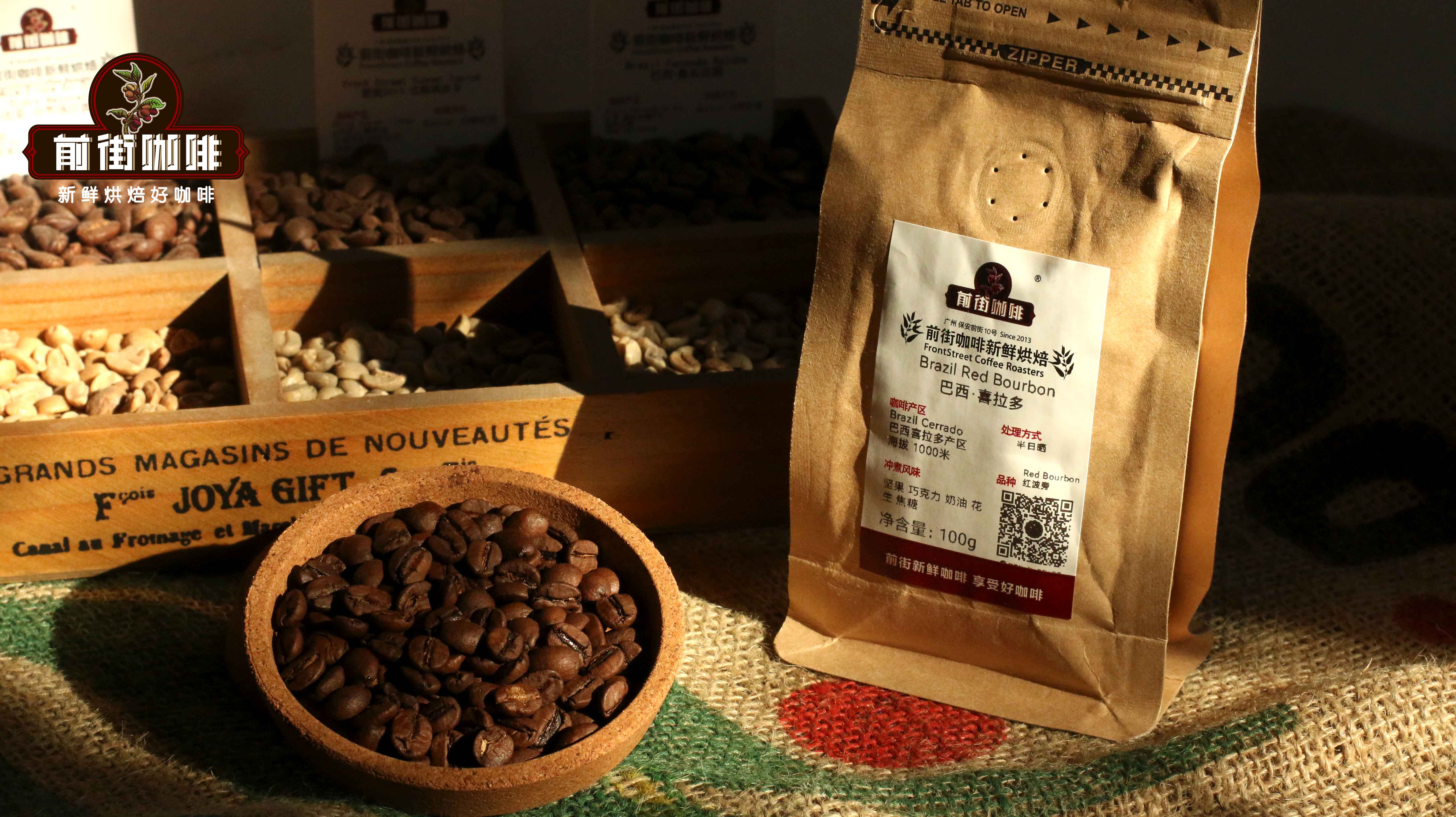
It is worth noting that about 30% of each coffee bean consists of soluble flavor substances, of which approximately 28% are released during the first extraction, leaving only a minimal portion of flavor and a large amount of woody fiber. If you attempt a second brew with the same drip bag, although a small amount of taste may still dissolve, it mostly consists of bland impurities and fibrous texture, unable to deliver the intended layers of the coffee. Therefore, it is recommended to use each drip bag only once to achieve the best tasting experience.
For users who are not accustomed to the strong bitterness of black coffee, consider blending with fresh milk. A ratio of 5:1 is recommended—for example, adding about 26 grams (approximately 2 tablespoons) of fresh milk to 130 milliliters of black coffee. This can effectively soften the taste and add creaminess, making the overall flavor rounder and smoother. This method is particularly suitable when paired with milder-flavored drip bags such as Yirgacheffe or Brazilian Cerrado, further highlighting sweetness and body.
Based on comprehensive testing, hot brewed Yirgacheffe drip bags usually exhibit bright citrus acidity and a juicy sensation, with a hint of sweetness in the aftertaste; whereas the cold drip version presents a refreshing lemony tone, with a slight honey aroma in the lingering finish. Although the overall flavor layers are not as rich as the hot version, it is even more refreshing and pleasant. Regardless of which method you choose, as long as you master the correct parameters and techniques, you can easily enjoy a high-quality drip bag coffee experience at home.
The above content is compiled by CoffeeHunters, a coffee news website.


