







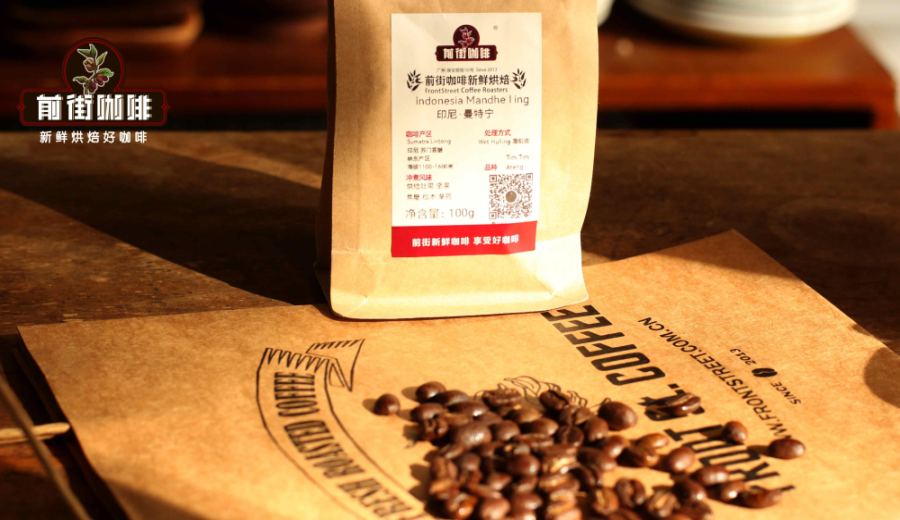
Introduction:Medium-dark roasted coffee beans are known for their rich, sweet, and smooth flavor profiles, making them especially appealing to those who enjoy bold tastes. This article takes Indonesia’s PWN Golden Mandheling as an example to explore in depth how the KONO filter enhances the body and complexity of coffee through its unique filter structure and matching pouring techniques. It also compares the use of the Hario V60 at different roast levels, helping you master more precise pour-over brewing skills.
Among the many coffee roasting styles, medium-dark roasts have always enjoyed a steady following. These coffees are often characterized by pronounced sweetness, full-bodied mouthfeel, and smooth aftertastes. Among them, Indonesia’s PWN Golden Mandheling is a classic representative. It uses the traditional wet-hulled processing method, employs the Typica variety, and is roasted just before the second crack, resulting in intense caramel aromas and chocolatey notes while retaining a slight herbal undertone. It lacks prominent fruity acidity, making it ideal for drinkers seeking a rounded mouthfeel.
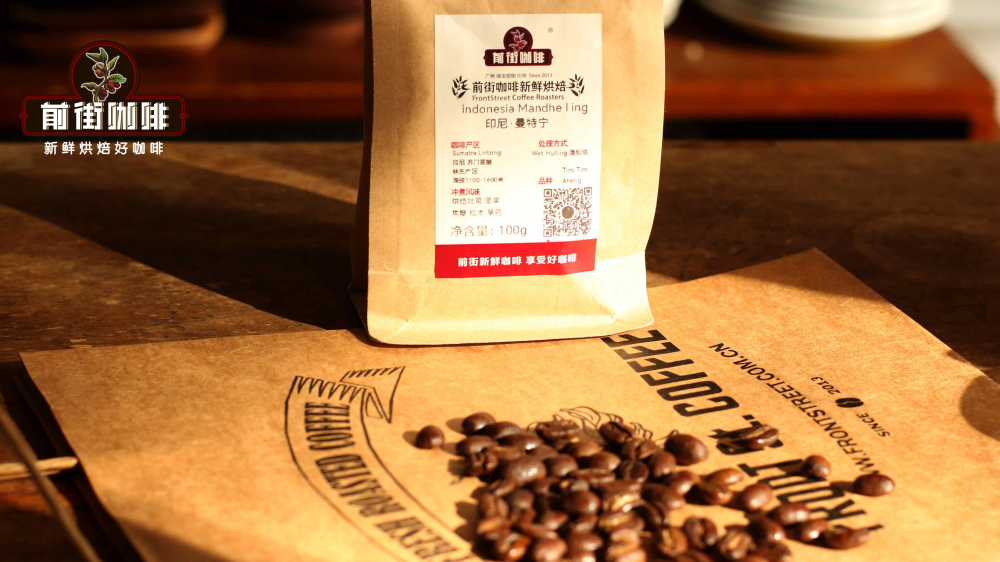
Many consumers, when choosing medium-dark roasted coffee, are not so concerned with the roast level or acidity of the beans, but rather whether they can deliver the “right taste” they’re looking for. They tend to care more about the overall harmony of flavors and the rich, smooth experience upon drinking. For this reason, selecting the right filter and pour-over method becomes particularly crucial.
For medium-dark roasted coffee beans, the structural design of the filter significantly impacts the final flavor expression. For instance, freshly roasted beans usually release gases actively. Once the coffee grounds absorb water, channels can easily form, causing the water to pass through too quickly and leading to under-extraction. In such cases, using a Hario V60, which features a spiral rib design, can help gases escape more quickly, reducing channeling effects and allowing water to penetrate the coffee grounds more evenly.
In the freshly roasted stage, it is recommended to use the Hario V60 for brewing medium-dark roasts. At this stage, the beans are highly active, with abundant internal carbon dioxide. The V60’s spacious gas venting space effectively guides the release of gases, preventing the formation of dry zones on the surface of the coffee bed and maintaining a more stable extraction rate. A medium-coarse grind is advised, along with steady circular pouring. The water temperature should be set between 90–92°C, and the total brew time is best kept within 2.5 to 3 minutes.
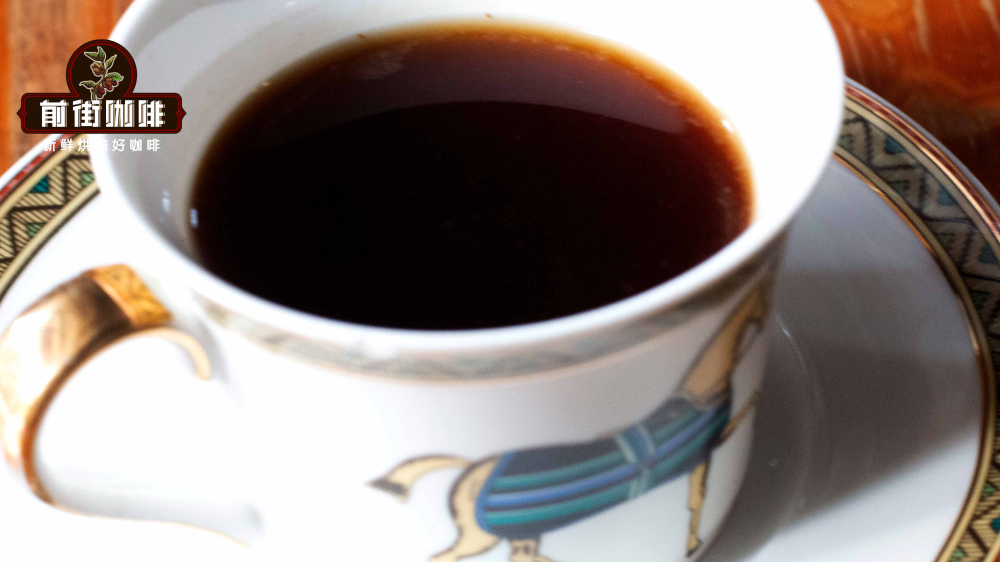
When the coffee beans reach the later stages of degassing—after most of the CO₂ has been released—it’s worth considering switching to the KONO filter. The most distinctive feature of the KONO filter is its straight rib design, with ribs covering only about one-quarter of the filter, while the remaining area adheres closely to the filter paper, creating a nearly sealed environment.
Although this design reduces venting efficiency, it extends the contact time between water and coffee grounds, enhancing extraction. As water is poured and the water level gradually rises, the weight of the water applies pressure to the coffee bed, prompting more soluble flavor compounds to dissolve. This makes it particularly well-suited for highlighting the rich base, caramel sweetness, and dark berry notes of medium-dark roasted beans.
In practice, when using the KONO filter, it is recommended to use a slightly finer grind than with the V60, though still avoiding one that is too fine to prevent over-extraction or clogging. The water temperature can be slightly lowered to 88–90°C, which helps balance richness and clarity. The pouring method can involve slow, center-focused pouring with gradual expansion or small-circle pouring, maintaining a steady water flow. The total brew time may be slightly longer—around 3 minutes—to allow for fuller flavor release.
It’s worth noting that due to its limited venting space, the KONO filter may experience slower drainage—or even dripping issues—if the beans are too fresh, as internal pressure can hinder flow. Therefore, it is recommended to wait at least 7 to 10 days of degassing before using the KONO filter for brewing, to achieve optimal flavor performance and smooth operation.
Whether you’re just beginning to explore the world of medium-dark roasted coffee or already have some pour-over experience and hope to refine your brewing technique, understanding how filter characteristics match bean conditions will greatly enhance your brewing experience. By adjusting equipment and parameters, you’ll be able to more precisely capture the rich layers and aromatic expressions of coffee, and enjoy the surprises brought by every pour-over session.
The above content is compiled by CoffeeHunters, a coffee news website.


