







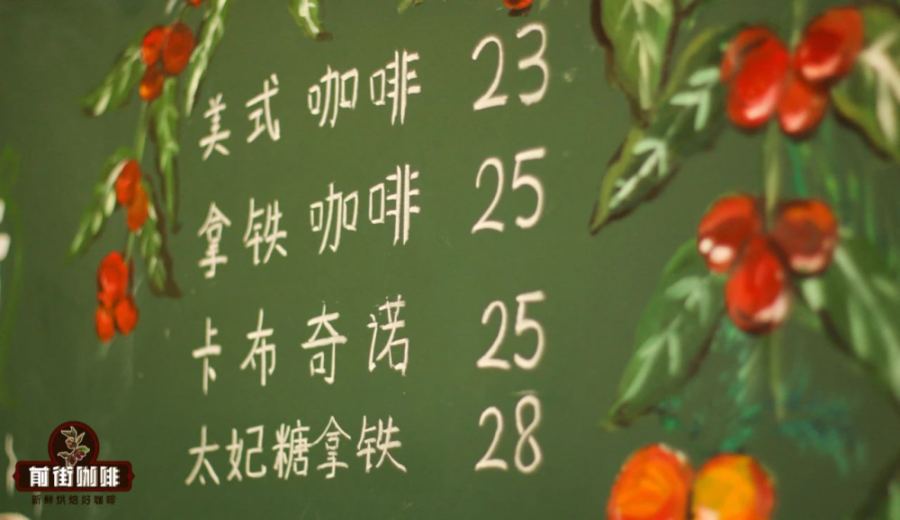
Introduction:Espresso is a classic on café menus and the starting point for many people’s journey into coffee culture. While most people’s first impression of espresso is its intense bitterness, drinks based on it come in a wide variety—from classic lattes and cappuccinos to creative options like Dirty and caramel macchiato, each with unique flavors and characteristics. This article will detail common types of espresso-based drinks, including their composition, ratios, and brewing methods, to help you understand them deeply and find your perfect cup.
Walk into any café and you’ll quickly notice that espresso drinks dominate the menu. Many people’s first encounter leaves them with the impression of espresso being “extremely bitter,” yet the world of espresso goes far beyond that. Built upon the espresso base, there are countless variations—from milky and smooth lattes, to cappuccinos with distinct foam, sweet yet not cloying caramel macchiatos, and visually striking Dirty drinks. Each has its own unique flavor profile and brewing details. This article will guide you through these classic espresso drinks, from basic definitions and common ratios to actual brewing parameters, helping you understand how to choose, enjoy, and make them.
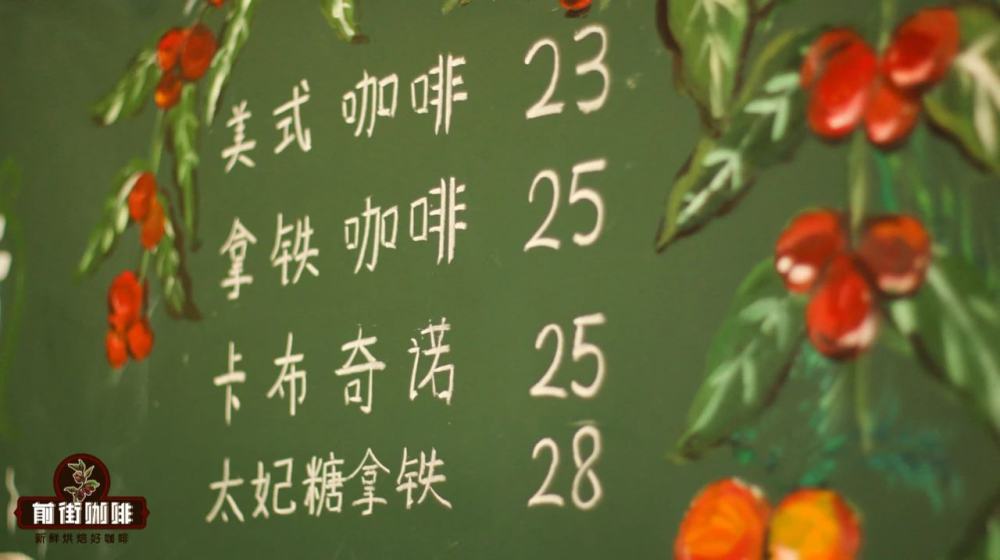
In everyday language, espresso is also often broadly referred to as a “fancy coffee,” not only because it comes in a rich variety of forms but also because it has become an important symbol of global coffee culture. Many people, upon their first taste of espresso, may find it “too bitter” due to its high concentration and strong roasting aroma. However, by understanding the composition and preparation methods of different types, it’s easy to find one that suits your taste. This article compiles several classic espresso drinks, including espresso, Americano, latte, cappuccino, mocha, macchiato, caramel macchiato, and Dirty, analyzing their unique flavors, ingredients, and recommended brewing ratios, taking you step-by-step into the secrets of espresso.
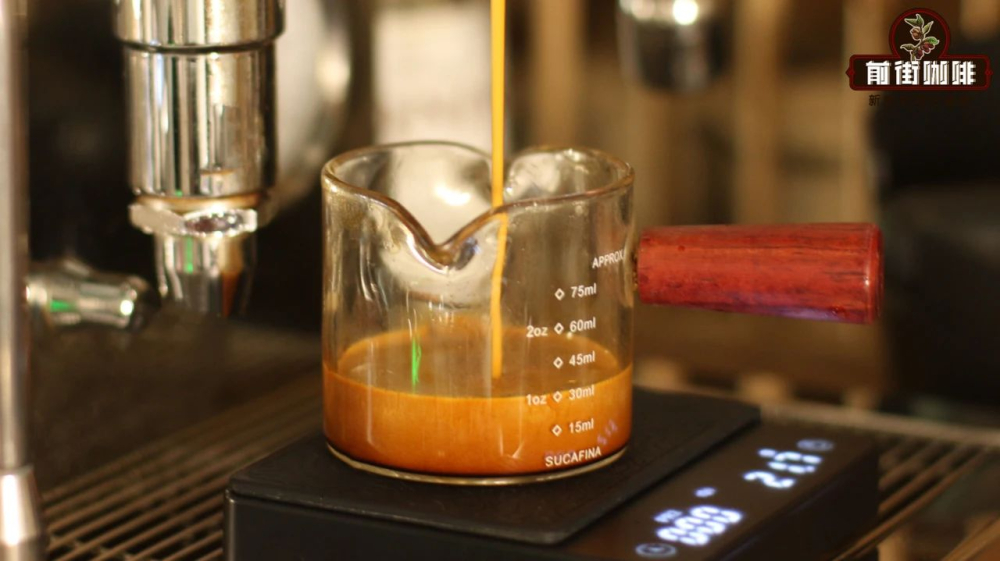
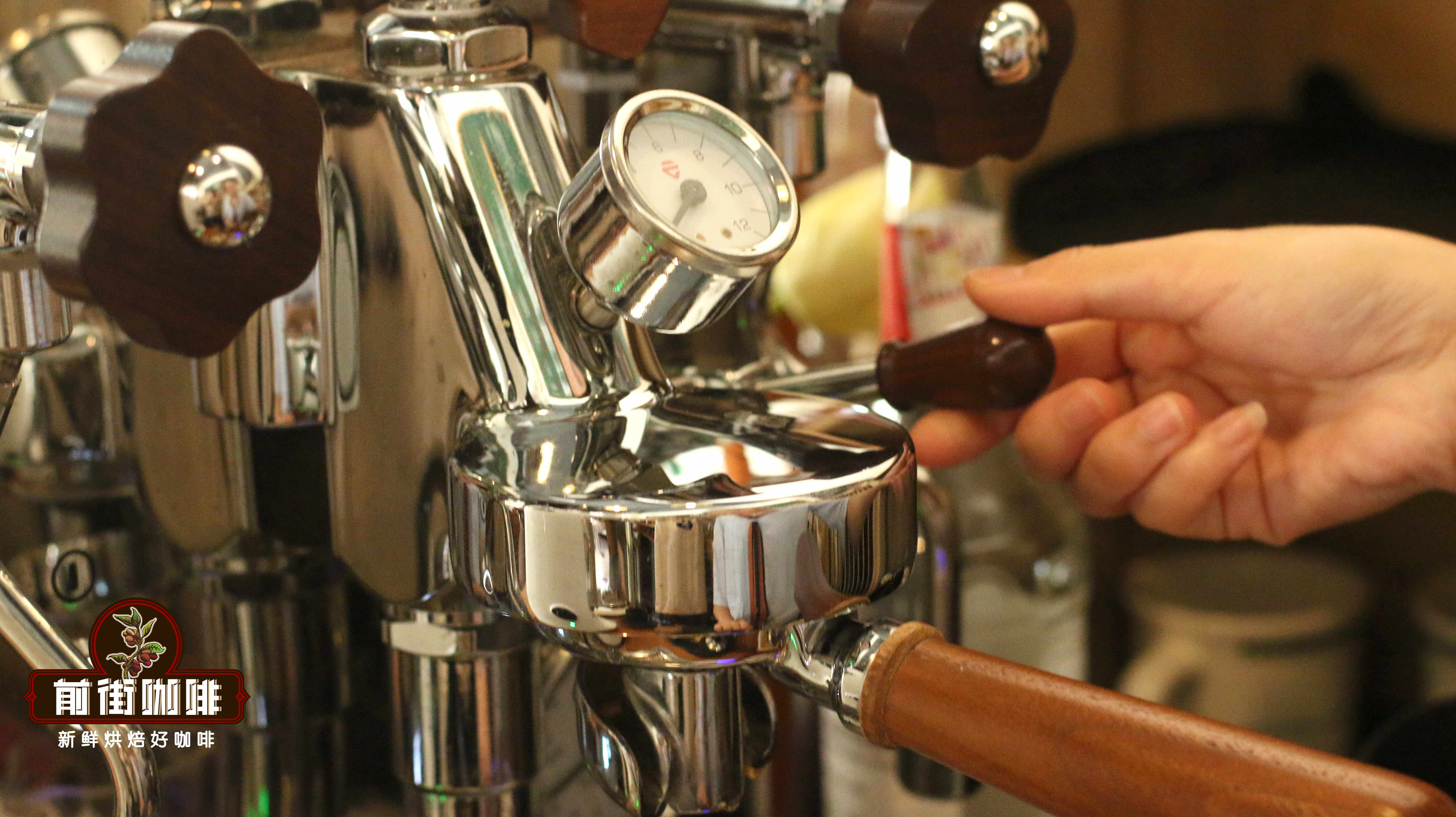
When talking about espresso, the “espresso” itself is undoubtedly the core of the entire family. Almost all fancy espresso drinks are derived from this small cup of highly concentrated, high-extraction black liquid. True espresso is made by forcing nearly boiling (around 92–94°C) high-pressure hot water (about 9 bar) through finely ground and evenly tamped coffee puck, extracting it in just 20–30 seconds to produce about 30 ml of concentrated liquid. One of the most distinctive features of this coffee is the thin, golden-brown layer of crema on the surface, whose thickness and color vary with the roast level of the beans, and it’s also one of the key indicators of successful extraction.
The term “espresso” is derived from the Latin “ex,” meaning fast or immediate—the “es” in espresso. The coffee beans used for espresso are often blends, known as House Blends, which are mixed in proportion from beans sourced from different regions. The goal is to balance flavors, stabilize the taste, and ensure smoother extraction. For optimal results, these beans are usually finely ground using a professional grinder, allowing water to efficiently extract the essence of the coffee in a short time.
Many people add sugar to their espresso, or further customize it with milk, syrups, and spices, leading to a wide range of flavored fancy coffees. For example, con panna, macchiato, cappuccino, latte, mocha, and even popular modern drinks like Dirty and caramel macchiato, all belong to the espresso family, each showcasing the versatility of espresso.
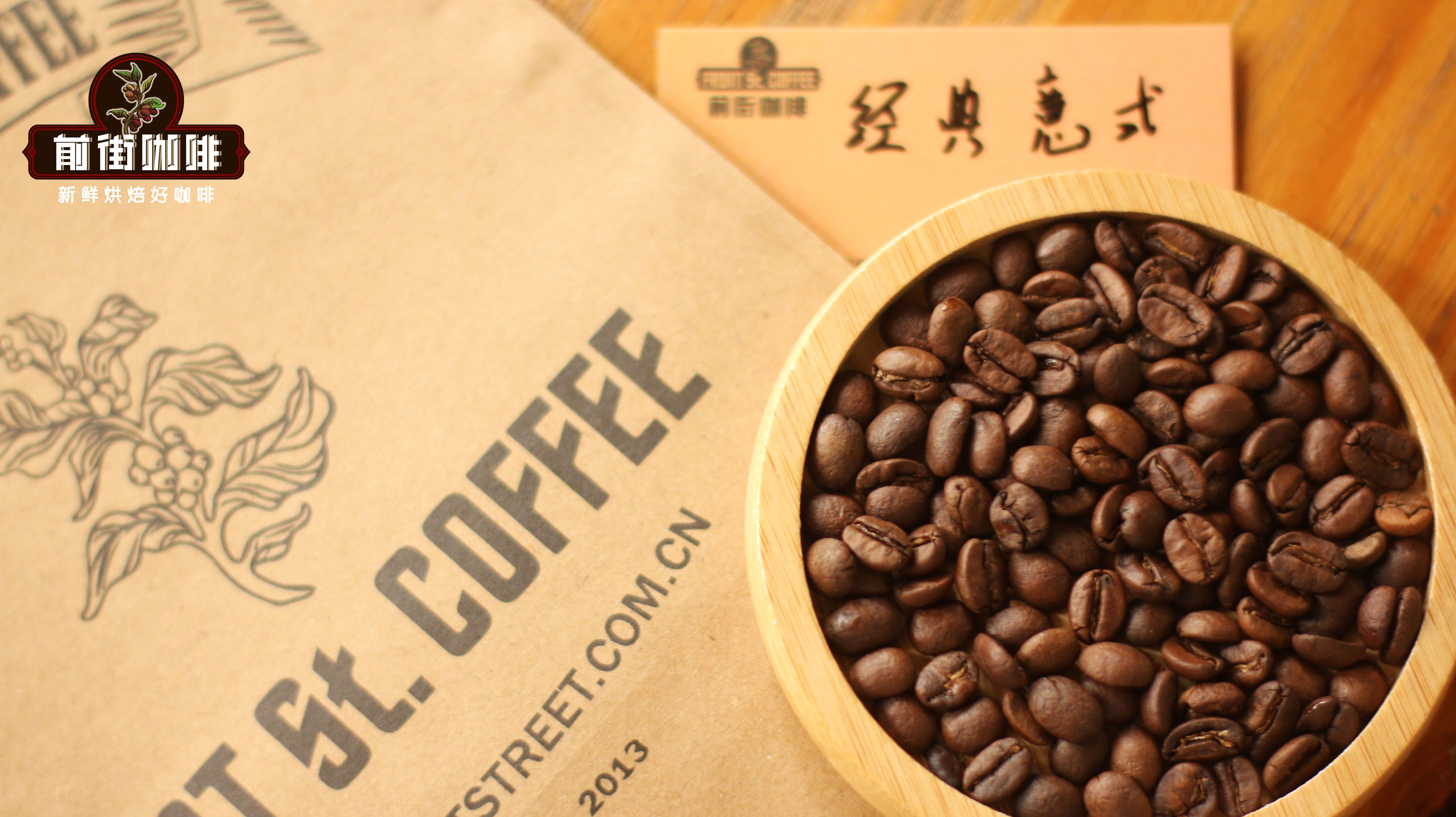
The foundation of espresso drinks is the espresso shot, so choosing the right beans and mastering extraction parameters is key. For making various fancy drinks, it’s recommended to use medium-dark to dark roasted blends, which help bring out rich aromas and bold flavors, along with a luxurious and detailed crema. These beans are suitable for preparing Americanos diluted with water and pair perfectly with milk to create smooth, sweet lattes and cappuccinos.
【Espresso (Espresso)】
Espresso is the most classic and fundamental espresso drink, primarily made with dark roasted beans, using high pressure for quick extraction to deliver a strong, smoky flavor with a slight bitterness and lingering sweetness. For extraction, about 20 grams of finely ground coffee are used, and under 9 bar pressure, approximately 40 grams of espresso are extracted in around 25 seconds, with a rich crema covering the surface. If extraction is insufficient, all subsequent drinks based on it will be greatly compromised in flavor.
【Americano (Americano)】
An Americano is a simple variation where espresso is diluted with hot water. Its origin is said to date back to World War II when American soldiers stationed in Italy, unaccustomed to the strong taste of espresso, began adding hot water themselves. A common ratio is one part espresso to four to five parts hot water—for example, 40 grams of espresso with 180 ml of water, totaling about 220 ml, at a ratio of roughly 1:4.5. It’s ideal for those who prefer a lighter coffee while still enjoying the essence of coffee.
【Latte (Caffe Latte)】
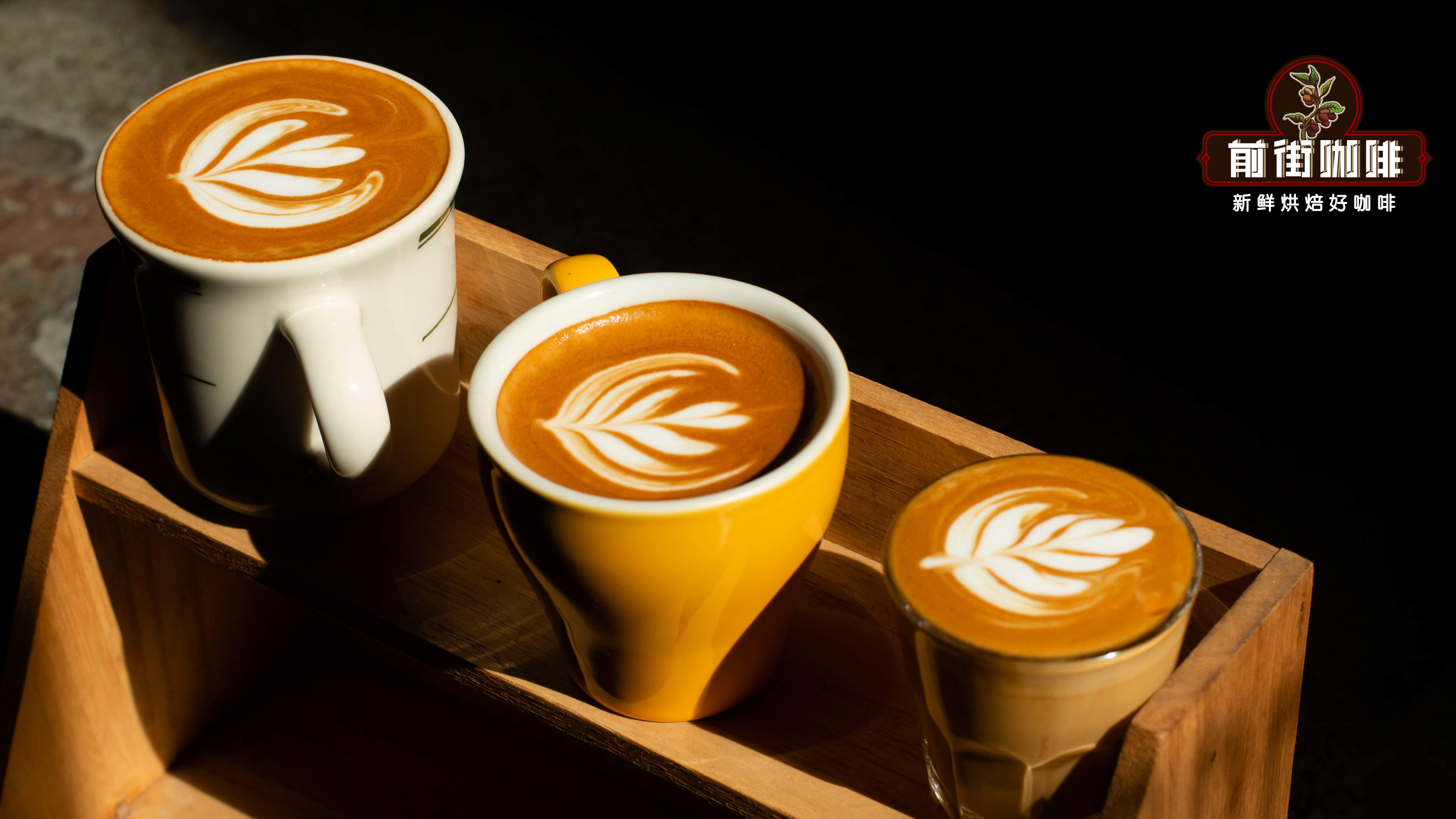
In Italian, "latte" means "milk," so a latte is essentially a coffee drink dominated by milk. The typical composition is 1/5 espresso, 2/5 hot milk, and 2/5 milk foam—smooth, sweet, and ideal for latte art. It’s recommended to use a double shot of espresso (about 40 grams), paired with 260 grams of milk and about 1 cm of fine microfoam, achieving the perfect balance between coffee and milk.
【Cappuccino (Cappuccino)】
A cappuccino also consists of espresso, milk, and foam, but in a 1:1:1 ratio—each component makes up one third—giving it a stronger coffee presence. Its name originates from the brown robes of the Capuchin friars in Italy. It’s recommended to use a tulip cup of about 180 ml, first pouring a shot of espresso, then slowly adding steamed, well-textured thick foam and hot milk, creating distinct layers and a rich taste.
【Mocha (Mocha)】
Mocha originally referred to coffee beans with chocolate flavors but later became a general term for espresso drinks with added chocolate. The usual composition is 2/5 espresso, 2/5 hot chocolate, and 1/5 hot milk, combining the richness of coffee with the sweetness of chocolate. It’s recommended to use 40 grams of espresso, 20 grams of chocolate sauce, and 260 grams of hot milk to create a sweet yet not overly rich winter drink.
【Macchiato (Macchiato)】
In Italian, “macchiato” means “marked.” Legend says it originated when baristas “marked” an espresso with a small amount of milk by placing a dollop of foam on top. The method is simple—just place a small spoonful of fine foam on top of a shot of espresso, preserving the espresso’s original intensity while adding a subtle layer of milk flavor. It’s recommended to use 40 grams of espresso and a spoonful of delicate foam.
【Caramel Macchiato】
Although its name includes “macchiato,” the caramel macchiato is actually unrelated to the traditional Italian version and is a Starbucks-created drink. It mainly consists of 1 shot of espresso (about 30 ml), plenty of milk, vanilla syrup, and caramel sauce, offering a sweet, rich taste with thick foam—it’s a favorite among dessert lovers.
【Dirty (Dirty Coffee)】
Dirty is a popular iced coffee variation characterized by the absence of ice cubes, letting hot espresso flow directly into iced milk to create a clear visual and flavor contrast. The key is to use a transparent glass, first pouring pre-chilled milk, then slowly injecting the espresso while keeping the spout about 1 cm above the milk surface, allowing the coffee to float on top of the milk. Over time, they gradually blend, creating a “dirty” visual effect and offering the contrasting experience of hot and cold. The recommended ratio is 150 grams of iced milk and 40 grams of espresso—enjoy the intense initial hit of espresso followed by the smoothness of milk.
The above content is compiled by CoffeeHunters, a coffee news website.


