







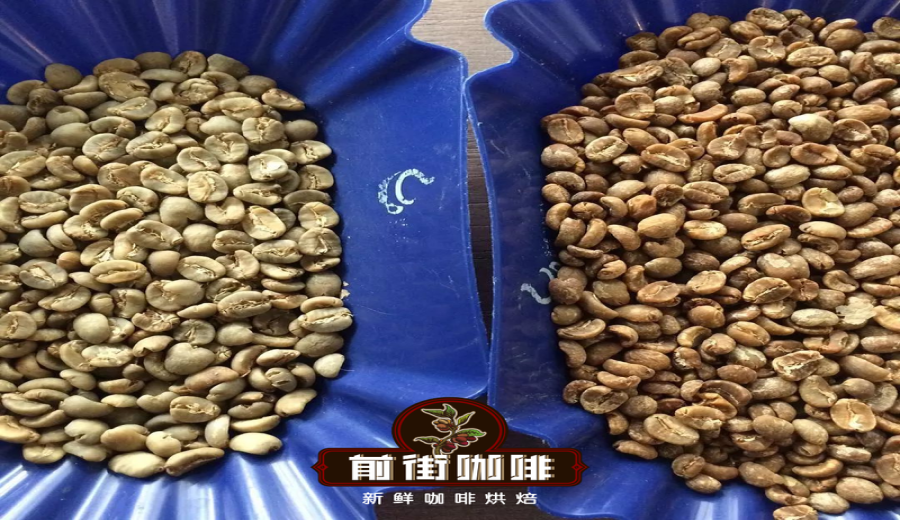
Introduction:Sumatra Mandheling is renowned for its unique wet-hulled processing method and aged flavors. From Lintong to the Golden Region, various coffee beans showcase distinct aroma profiles. This article delves into the characteristics of five classic Mandheling coffees, including the transformative charm of aged beans, the fruity notes of sun-dried processing, and provides practical pour over parameters and flavor evaluations to help coffee enthusiasts find the choice that suits their taste.
Sumatra Island is not only home to the Sumatran tiger but also one of Indonesia’s most representative coffee-growing regions. The Mandheling coffee nurtured here has developed a unique aged flavor through the wet-hulling process and a long history of maritime shipping. From Lintong to the Golden Region, Mandheling coffee beans vary in flavor profiles due to differences in altitude, variety, and processing methods.
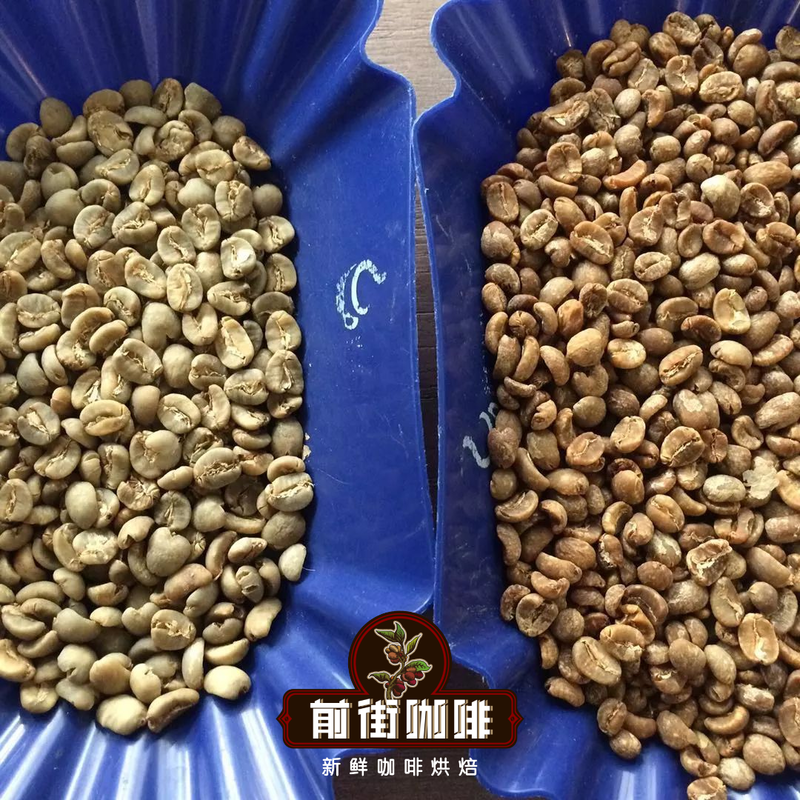
Coffee cultivation in Sumatra is mainly concentrated in two key areas: the southern region, centered around Lintong and Lake Toba, is the traditional home of Mandheling; whereas Golden Mandheling comes from the Gayo Mountains in Aceh, at altitudes of about 1100 to 1600 meters. Lintong Mandheling primarily features Typica and Catucaí varieties, processed using the wet-hulled method, with flavors characterized by roasted toast, nuts, and herbal notes, suitable for drinkers who prefer a bold taste.
Golden Mandheling is the premium offering among Sumatran Mandheling coffees. Its green beans undergo strict G1-grade screening, with an extremely low defect rate, uniform bean shape, and deep green color. This coffee uses the Ateng variety, which undergoes three rounds of hand sorting, and is processed via the wet-hulled method to present aromas of spice, chocolate, and nuts. It has a clean taste with high sweetness, making it a top choice for many coffee lovers.Its bean size specification of eighteen mesh and above ensures stability during roasting and uniformity in extraction.
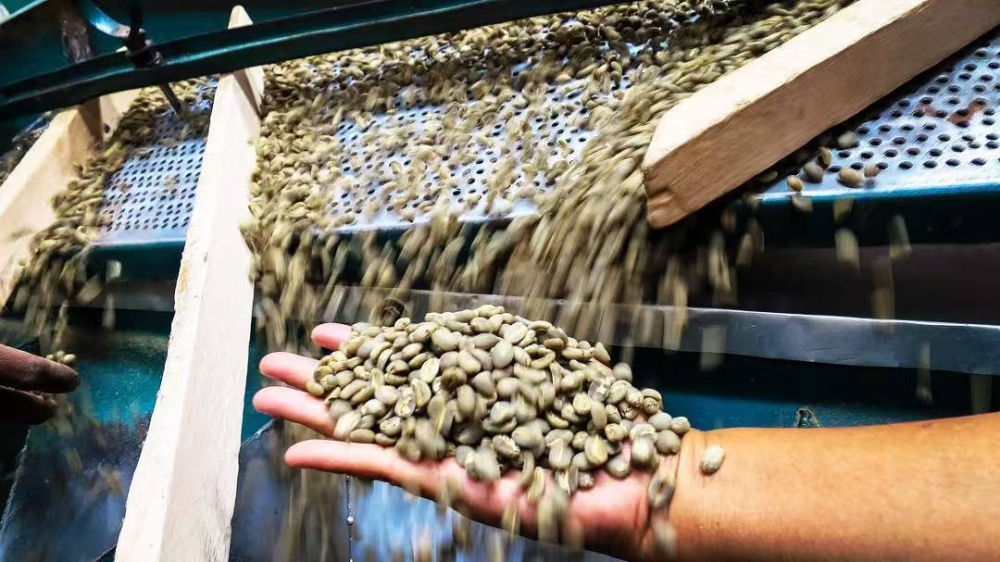
Tiger Mandheling is produced in the Sumatran region at an altitude of 1500 meters, with varieties including Catucaí, Typica, and Sidikalong, also processed using the wet-hulled method. This coffee features flavors dominated by nuts, cream, and dark chocolate, with subtle notes of caramel and pine. Its taste is relatively balanced, making it suitable for everyday drinking.
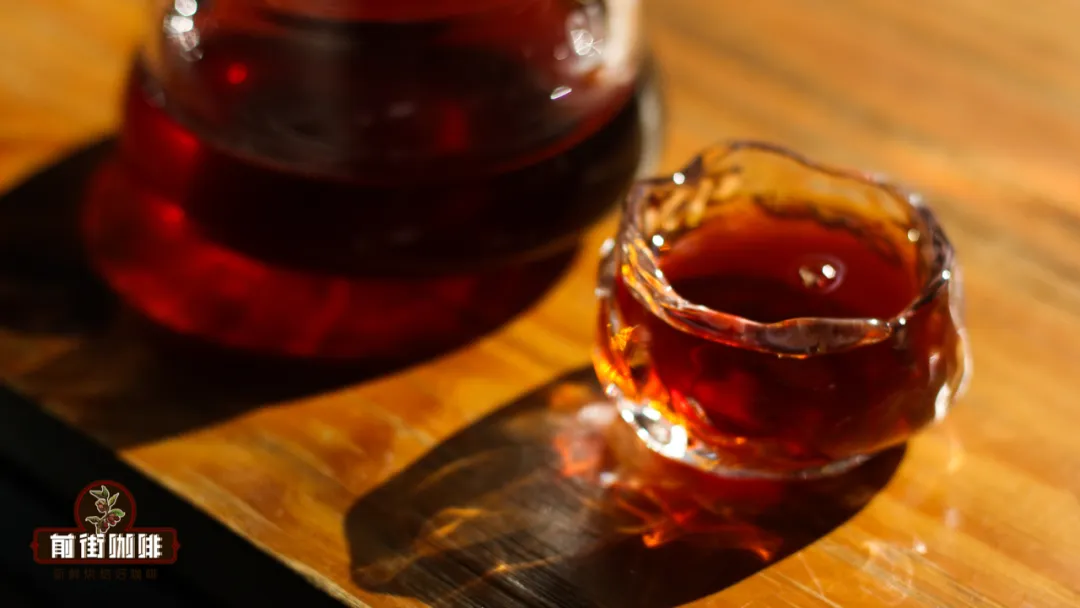
Aged Mandheling is a classic representative of Sumatran coffee, and its special processing technique gives the coffee a round and deep flavor. Due to the long shipping times in the past, the coffee beans naturally dried during transport, forming a unique aged aroma. Modern Aged Mandheling, through controlled environments, simulates this flavor transformation, presenting a steady texture reminiscent of Pu-erh tea. It has low acidity and rich sweetness, with complex aromas of malt, caramel, and herbs.
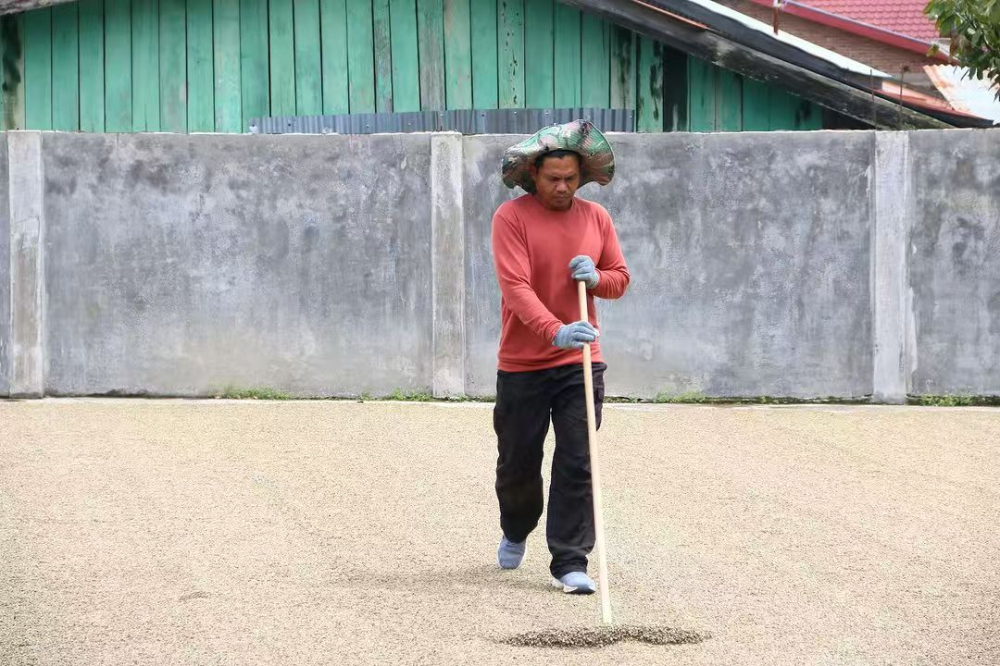
In addition to wet-hulled Mandheling, Sumatra also offers a rare sun-dried Mandheling, produced at the Wahana Estate on Lake Toba, at altitudes of 1000 to 1700 meters. This coffee uses Bourbon and Typica varieties, processed via the sun-dried method and medium-light roasting, showcasing tropical fruit, fermentation, and peach aromas. Its flavor is fresh with notable sweetness, suitable for drinkers who enjoy fruity profiles.
For brewing, Sumatran wet-hulled Mandheling is recommended to use a KONO or French press filter, focusing on immersion extraction. The pour over water temperature should be controlled at 86-88°C, with a grind slightly coarser than that for light roast beans. The suggested powder-to-water ratio is 1:13-1:14 to highlight its rich taste.For example, when using a KONO filter, you can employ the Hario small Fukuoka grind setting 4, with 15 grams of coffee and 225 grams of water, for a total extraction time of about 2 minutes.
Sun-dried Mandheling, due to its medium-light roast characteristics, is recommended to use a V60 filter, with the water temperature increased to 90°C, the grind adjusted to a fine sugar level, and the powder-to-water ratio maintained at 1:15, to bring out its tropical fruit and fermentation aromas.During brewing, you can perform a three-stage pour, with a total time of about 2 minutes and 10 seconds to ensure distinct flavor layers.
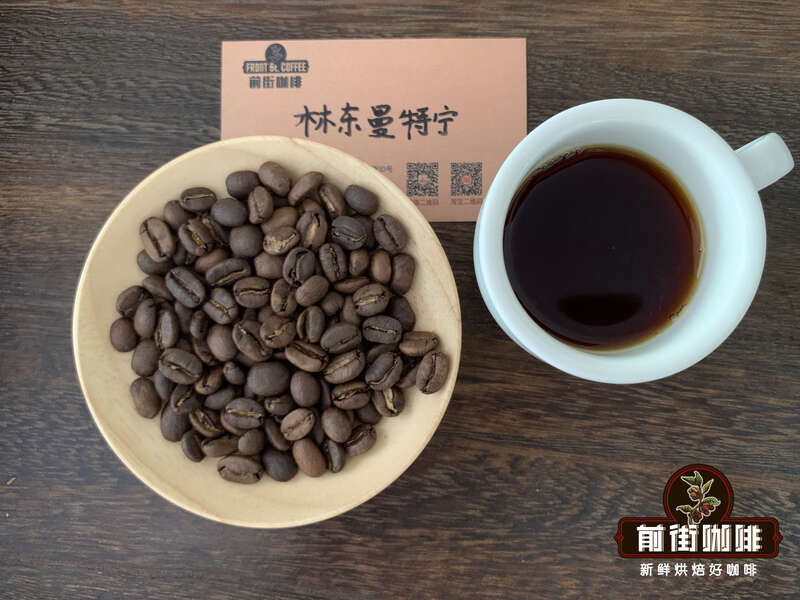
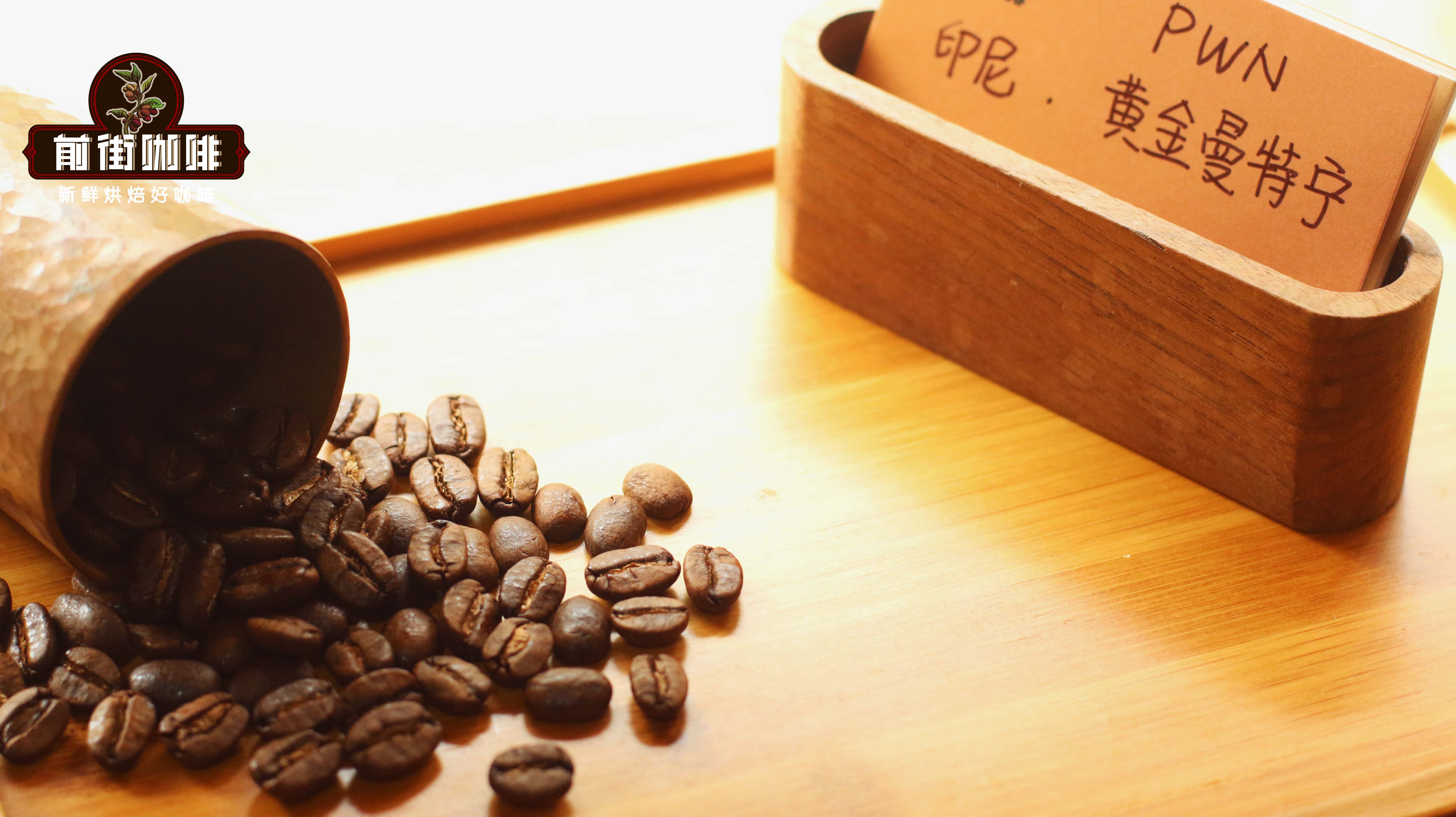
In terms of flavor, Golden Mandheling is multi-layered, rich yet balanced, with lingering notes of chocolate and nuts; Lintong Mandheling mainly features herbal and dark chocolate notes with a pronounced aftertaste; Tiger Mandheling has a balanced taste, with outstanding cream and dark chocolate tones; Aged Mandheling loses its wildness and gains a mellow and refined mature flavor; Sun-dried Mandheling shines with fruity and sweet notes, ideal for those seeking a fresh taste.
In summary, the diversity of Sumatran Mandheling is astonishing, ranging from the boldness of traditional dark roasts to the freshness of sun-dried profiles. By understanding the terroir conditions and processing methods of each region and selecting suitable brewing parameters, you can more fully experience the potential of these coffee beans.
The above content is compiled by CoffeeHunters, a coffee news website.


