







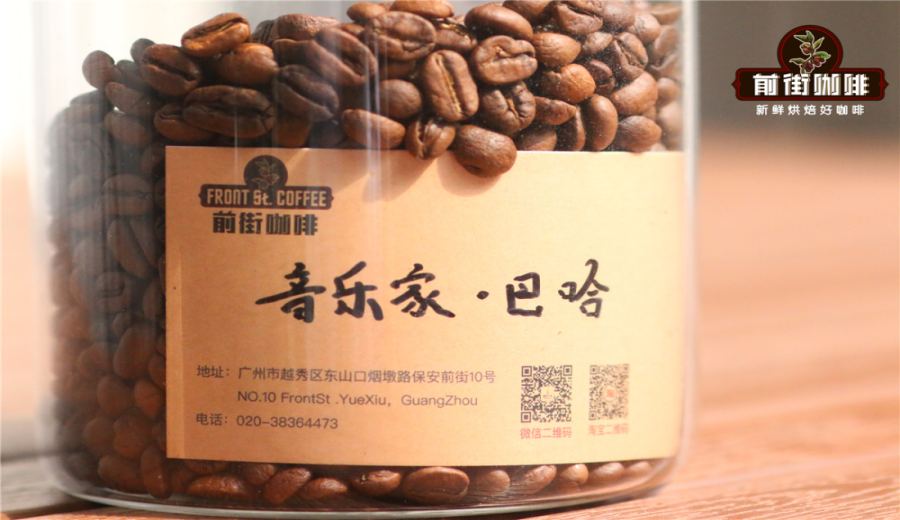
Introduction:The renowned Costa Rican musician series coffee beans have recently been questioned for allegedly containing flavorings and pineapple peel, drawing market attention. However, current accusations are mostly speculative, lacking substantial testing evidence. This article delves into the variety, altitude, and processing methods of specialty coffee, explores how natural fermentation produces rich floral and fruity notes, and clarifies the boundary between public allegations and legal proof, helping readers rationally assess market rumors.
Recently, the Costa Rican musician series coffee beans have been caught in a whirlwind of controversy. Independent media outlets have published multiple articles questioning the addition of flavorings, even claiming the presence of pineapple peel components, and alleging that related businesses destroyed evidence. However, upon investigation, these claims currently remain at the speculation stage, with no authoritative testing reports yet emerging. Are these flavors derived from natural processing techniques, or is there really some "funny business"? We need to analyze this more rationally.
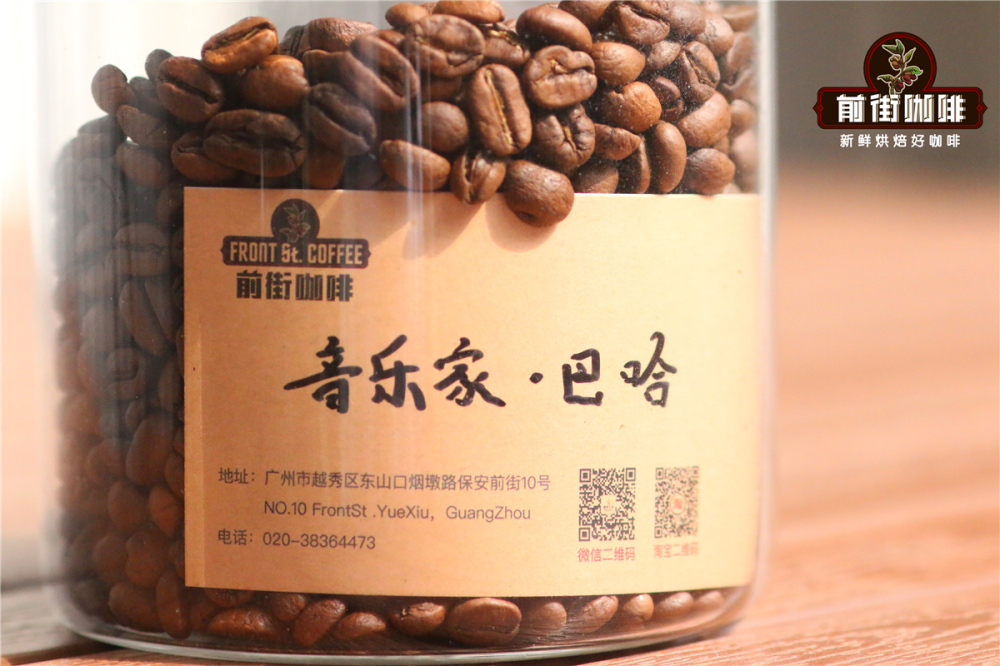
In fact, the controversy surrounding this series of coffee beans has been raging in social circles for some time. Some articles not only assert the addition of foreign substances but also expand the discussion to food safety. However, upon closer examination, most arguments lack concrete evidence and rely solely on fragmented inferences and personal impressions, which can easily mislead consumers.
Professional coffee industry experts point out that the flavor performance of specialty coffee mainly depends on three core elements: variety, altitude, and processing method. Among these, anaerobic fermentation and natural sun-drying are common high-end processing techniques that effectively trigger interactions between yeasts and sugars within the beans, thereby bringing out intense floral, fruity, and fermented aromas. These flavors are, in fact, an important representation of the regional characteristics of specialty coffee.
For example, during the anaerobic fermentation process, different yeast strains and fermentation environments can significantly influence the final aroma profile of the coffee. Similarly, naturally sun-dried coffee beans, due to prolonged contact between the pulp and the seeds during drying, naturally tend to accumulate rich fruity flavor tones. These are all conventional practices that have been scientifically and market-validated and should not be casually equated with illegal additives.
It is worth noting that some skeptics claim to have smelled or tasted unusual flavors and immediately infer the addition of flavorings or foreign substances, yet they provide no specific testing data or professional analysis. Without laboratory-grade GC-MS (gas chromatography–mass spectrometry) or other chemical analyses, such subjective speculation is difficult to substantiate. Generally speaking, testing for additives in coffee costs around 1,000 to 2,000 yuan per test, and the required sample size is not large, but so far, no official public reports have emerged to support these allegations.
From a legal perspective, any public accusation involving "illegal addition" touches on legal responsibility and the principle of burden of proof. According to the basic legal doctrine of "he who asserts must prove," the party raising the质疑 has the responsibility to provide preliminary evidence, such as test results or credible testimony, rather than simply concluding that a product is problematic based on sensory experience or online comments. Otherwise, it may constitute false accusation and could even lead to legal disputes.
In addition, the market has also circulated specific but unfounded claims such as the "addition of pineapple peel." However, from a processing perspective, such operations not only lack conventional processing logic but also have no real-world case precedents. Moreover, if there were indeed any regulatory violations, they should be reported or evidence preserved immediately, rather than merely discussed behind the scenes.
Currently, the sales of the Costa Rican musician series coffee beans in the market have not been interrupted, and they remain favored by some consumers. Whether their unique flavors are the natural outcome of innovative processing techniques or whether there are other intervening factors still requires more professional research and transparent information to clarify. Until then, we should remain rational and avoid making hasty conclusions about any brand or product without sufficient evidence.
In summary, the diversity of coffee flavors is, in itself, a reflection of industry progress and innovation. But when skepticism escalates into accusations, we must adhere to a scientific attitude and legal principles, ensuring that every assertion is well-founded. Only in this way can we jointly maintain a fair, transparent, and healthy coffee market environment.
The above content is compiled by CoffeeHunters, a coffee news website.


