







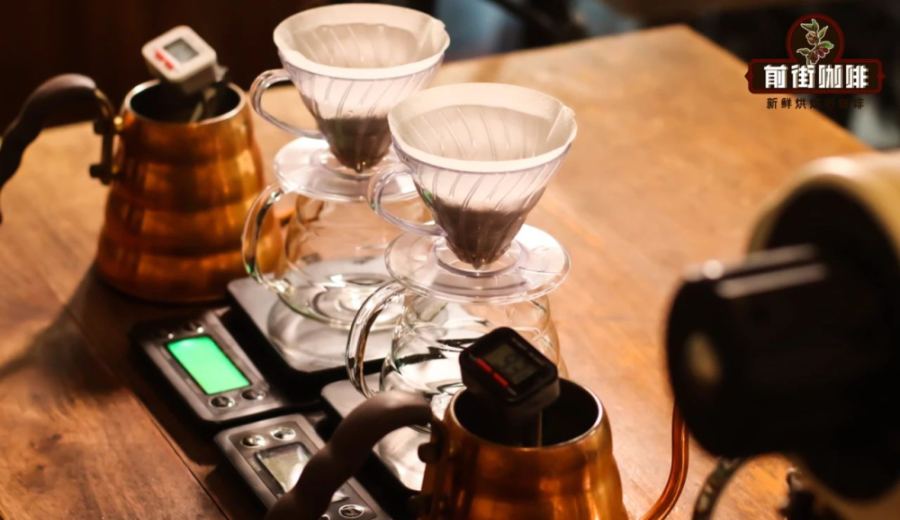
Introduction:The charm of pour over coffee lies in its ability to showcase diverse flavor profiles from the same coffee beans through different pouring techniques. Among these, the one-pour (一刀流) and three-pour (三刀流) methods are the two most discussed mainstream techniques. This article, based on a 15-gram coffee dose and a 1:15 coffee-to-water ratio, provides an in-depth analysis of the procedures, key parameters, and suitable scenarios for both methods. It also explores the differences in their flavor expressions to help you find the brewing method that suits you best.
The allure of pour over coffee comes not only from the pairing of equipment and bean varieties but also from the subtle influence of pouring techniques on flavor. Among them, one-pour and three-pour are two of the most widely known brewing methods, each with its own unique extraction logic and flavor direction. Using a 15-gram coffee dose with a 1:15 coffee-to-water ratio as an example, this article will break down the practical operations, step timing, and key parameters of these two methods in detail. It will also compare their flavor performance through real examples, helping you better understand how to choose the right technique based on bean characteristics and personal preference.
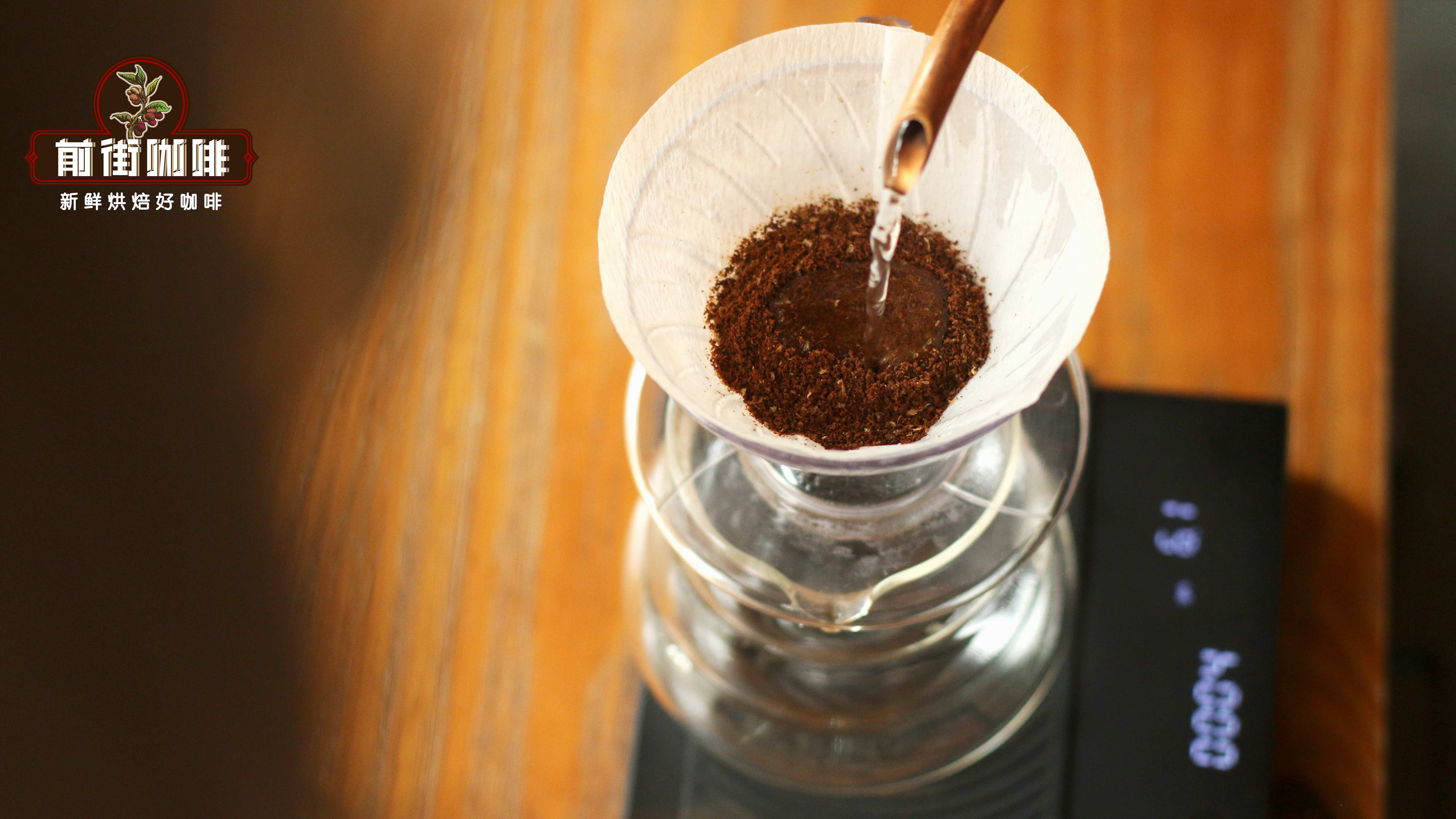
As the name suggests, the one-pour method means “completing the extraction in a single pour,” but it actually consists of two stages: first is the 30-gram bloom pour, followed by the second stage where the remaining 195 grams of hot water are poured all at once, totaling 225 grams. While the logic of this method is simple and direct, it demands relatively strict control over pouring stability and grind size. To begin, preheat the filter cone and server, add the ground coffee, and start with hot water around 88–92°C. In the first stage, pour 30 grams of hot water in a circular motion from the center outward. After about 30 seconds, enter the bloom phase, during which the coffee grounds will gradually expand, forming what is called a “coffee hamburger.” Then, at the 31-second mark on the scale, pour steadily with a fine stream (about 4 grams per second) in a spiral motion from the center outward—like a mosquito coil. Keep the water flow vertical, and once the foam covers the entire coffee bed, gradually narrow the water stream from the outside inward until the total water volume reaches 225 grams. The standout feature of this method is its straightforward process, but it poses a significant challenge to the operator’s pouring control skills.
The flavor profile of the one-pour method is usually clean, clear, and stable. With minimal manual intervention, it more directly highlights the intrinsic characteristics of the coffee beans. However, precisely because there is little room for adjustment through multiple pours, it requires stricter precision in parameters such as grind size and water temperature. A grind that is too coarse may lead to under-extraction and a thin flavor, while a grind that is too fine can easily result in over-extraction, producing bitterness and off-flavors. In addition, the stability of the water flow is crucial. If the pouring speed varies or the water column is unstable, it can easily amplify negative flavors. Thus, while this method is suitable for beginners practicing the basics, achieving a high-level one-pour still requires long-term practice and careful adjustments.
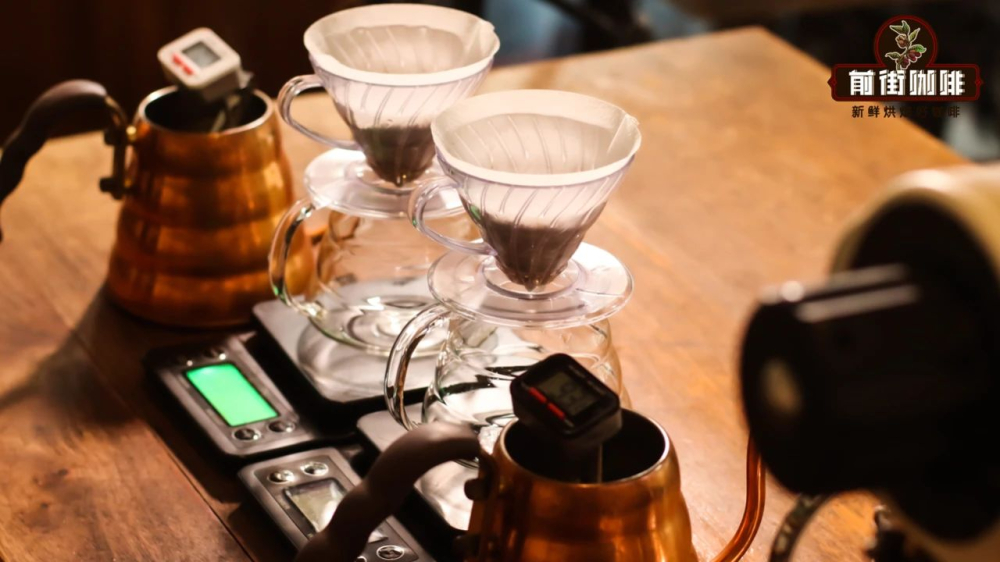
In contrast, the three-pour method divides the pouring process into three stages: an initial 30-gram bloom pour, followed by two subsequent pours of approximately 100 grams and 95 grams, totaling 225 grams. This method allows for more flexible control over the rhythm and balance of flavor extraction through segmented brewing. The operational process is similar: first preheat the filter cone and add the coffee grounds. The first stage begins with pouring 30 grams of hot water to start the timer, allowing the coffee to bloom fully for 30 seconds and achieve a plump expansion of the coffee bed. In the second stage, starting at the 31-second mark, pour 100 grams of hot water steadily in a circular motion from the center outward. Ensure the water flow is vertical and stable to allow the foam to release fully and evenly cover the surface of the coffee bed. The liquid level will gradually rise to the base of the short ribs of the filter cone. When the liquid level drops to about half or two-thirds, move on to the final stage. Then pour the remaining 95 grams of hot water, again in a circular motion from the center outward using a “fragrance-sniffing” style. Allow the water to penetrate the accumulated water layer and evenly agitate the lower coffee grounds, ultimately bringing the liquid level back to the height of the second stage. This segmented approach effectively prevents uneven extraction between upper and lower layers caused by excessively high water levels.
The advantage of the three-pour method is its ability to extract the multi-layered flavors of coffee more thoroughly, making it particularly suitable for bean varieties with complex flavor profiles or varied roast levels. For example, beans with pronounced floral and fruity notes can reveal richer layers—such as the balance of fruit, floral, and sweetness—through the three-pour method. For beginners, even if initial pouring control is not precise, adjustments can be made by varying the water volume and timing of each stage to flexibly compensate for uneven extraction. Additionally, the three-pour method has a higher tolerance for grind size, making it applicable to a wider range of beans. Whether it's a light roast with bright acidity or a medium-to-dark roast with rich body, optimal balance can be achieved by adjusting the parameters of each pouring stage.
In summary, the one-pour and three-pour methods each have their own suitable scenarios and flavor characteristics. The one-pour method excels in simplicity and clarity of flavor but demands higher stability in operation and precision in parameters. The three-pour method, on the other hand, offers greater flexibility for adjustment through segmented extraction, adapting to a wider variety of beans and brewing conditions, and is more beginner-friendly. Regardless of which method you choose, the key lies in understanding its principles and mastering the skills of water control and parameter adjustment through practice. Only then can you fully unlock the potential of the coffee beans and brew a satisfying flavor profile.
The above content is compiled by CoffeeHunters, a coffee news website.


