







Introduction:Gain an in-depth understanding of Colombia, Brazil, and Mandheling—the three globally renowned coffee-producing regions—by breaking down their unique characteristics from geography, bean varieties, grading standards to brewing methods. Whether you're a beginner just starting with pour over or an enthusiast aiming to master coffee flavors more precisely, this article provides comprehensive reference information and practical advice to help you find your ideal cup.
In the world of specialty coffee, Colombian, Brazilian, and Sumatran Mandheling coffees are undoubtedly the most representative of the three major producing regions. These three types of beans not only differ greatly in growing environments but also vary in processing methods, resulting in distinctive flavor profiles. If you're new to coffee or looking for beans suitable for pour over, understanding their regional backgrounds, variety traits, grading criteria, and optimal brewing parameters will greatly assist in selection and extraction.
Colombian coffee is known for its stable quality, as the country is the world’s second-largest coffee producer and the largest exporter of Arabica and washed beans. Its main producing areas span across 590 towns and 14 coffee zones, covering a total cultivation area of 875,000 hectares. Most of Colombia’s coffee farms are small-scale operations, with over 60% of cultivated land under one hectare. Despite their modest size, careful farming allows them to consistently produce high-quality green beans. Colombian beans typically feature a distinct balance of acidity and sweetness, with notes of nuts and berries, making them ideal for coffee lovers who enjoy layered complexity.
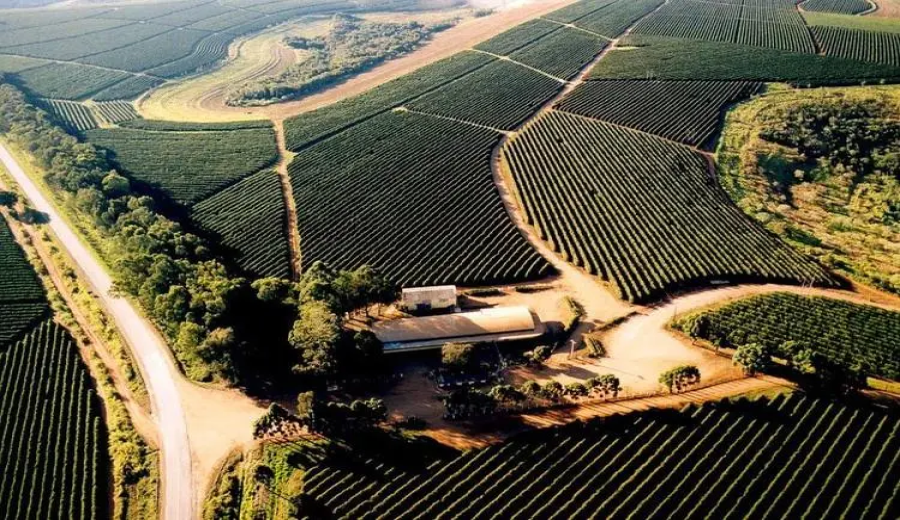
Brazil, on the other hand, firmly holds the title of the world’s largest coffee producer. With vast cultivation areas and impressive overall output, any fluctuations in production directly impact global market prices. The Brazilian landscape is dominated by tropical savannas and rainforests, offering climate conditions well-suited for large-scale cultivation. Brazilian coffee flavors often emphasize body and low acidity, commonly presenting notes of chocolate, nuts, and caramel. The Brazilian coffee grading system is relatively unique—it doesn’t prioritize high altitude, but rather grades beans based on size, defect rate, cupping quality, and flavor performance. Common grades include Strictly Soft (very smooth), Soft (smooth), and NY.2 (very few defects), with 17 and 18 screen sizes representing high quality.
As for Mandheling, its name does not originate from a place but is the result of a historical misunderstanding. During World War II, Japanese soldiers tasted high-quality coffee from the Lake Toba area in North Sumatra, Indonesia. Upon returning home, they sought to repurchase it through traders. Since the suppliers were unable to disclose the actual producing region, they casually referred to the local ethnic group “Mandheling (Mandailing)” as the origin, and the name has been used ever since. Sumatran Mandheling is mainly produced around Lake Toba, particularly in the regions of Lidong and Lake Toba. The wet-hulled processing method used here creates a uniquely rich, full-bodied, low-acid profile with notes of nuts, chocolate, and spices—making it a classic choice for dark roast enthusiasts.
In terms of grading systems, Colombia primarily uses bean size as the main criterion, with Supremo being the largest grade (17 screen) and Excelso ranging from 14 to 16.5 screen. Although larger beans are often more favored in the market, actual flavor still closely relates to the producing region and processing method. Brazil’s grading is more diverse, taking into account the number of defects (e.g., NY.2 grade allows no more than 6 defects per 300g of green beans), cup quality (e.g., Fine Cup, Good Cup), and flavor performance, with 17–19 screen sizes being the highest grades. Mandheling, meanwhile, grades beans based on defect count, with G1 being the best (fewer than 11 defects), followed by G2 (12–25 defects) and G3 (26–44 defects). The higher the number, the more defects present, affecting the overall flavor purity.
In actual brewing, each of these three beans also has its own optimal performance method. Take Colombian Rose Valley, for example—it undergoes anaerobic double-enzyme washed processing, offering bright acidity and fresh floral and fruity aromas. It is recommended to use a V60 filter with medium-fine grind (approximately 80% passing through a #20 sieve), with water temperature controlled at 90–92°C, and a three-pour technique to bring out its grape and strawberry-like fruit acidity and juiciness.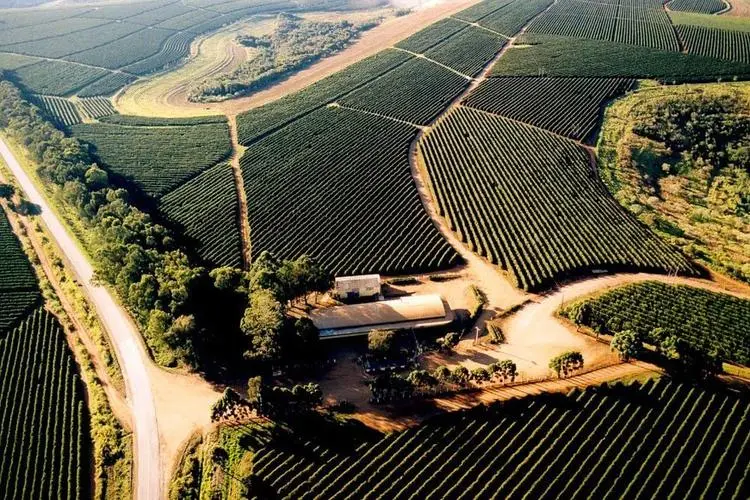 For the Brazilian Queen Estate’s Yellow Bourbon natural-processed beans, which have a sweet and rounded flavor profile, it is suitable to use a KONO filter with slightly lower water temperature (87°C) and medium grind (70% passing through a #20 sieve). A three-pour technique enhances its caramel and nutty base while preserving a moderate citrus note. As for Indonesian Golden Mandheling, due to its wet-hulled processing, it has higher water activity. It is recommended to use a KONO filter, 87°C water temperature, and 70% fine grind, extracting through a three-pour method to bring out its rich nutty, caramel, and chocolate finish—ideal for those who prefer a bold and full-bodied taste.
In summary, choosing coffee beans is not just about selecting a region—it also involves considering variety, processing method, roast level, and brewing technique. Colombian beans are perfect for those seeking fruity aromas and layered complexity, Brazilian beans are the top choice for fans of full-body and low acidity, and Mandheling represents the classic profile of dark roast and intense flavors. Whether you're new to the world of coffee or already an experienced enthusiast, gaining a deeper understanding of the characteristics of these three regions will help you more accurately unlock the potential of each bean during your daily brewing and make the cup that suits you best.
The above content is compiled by CoffeeHunters, a coffee news website.


