







Introduction:Panama’s La Esmeralda Estate Geisha grading system (Red Label, Green Label, Blue Label) is an industry-recognized benchmark for quality, yet many coffee enthusiasts remain puzzled by the differences between the three. This article delves into the estate’s terroir characteristics, the rationale behind its three-tier classification, real-world cupping flavor distinctions, and offers expert pour over recommendations along with extraction comparisons across different filter cones — helping you find the most suitable Geisha option based on your taste preferences and budget.
In the world of specialty coffee, Panama’s La Esmeralda Estate is practically synonymous with the Geisha variety. The estate not only pioneered the discovery of Geisha’s astonishing potential but also introduced the distinctive Red Label, Green Label, and Blue Label grading system, enabling consumers to select different tiers of Geisha beans according to their needs. What’s the logic behind this classification? How do the actual flavor profiles differ across each grade? Below is a comprehensive breakdown.
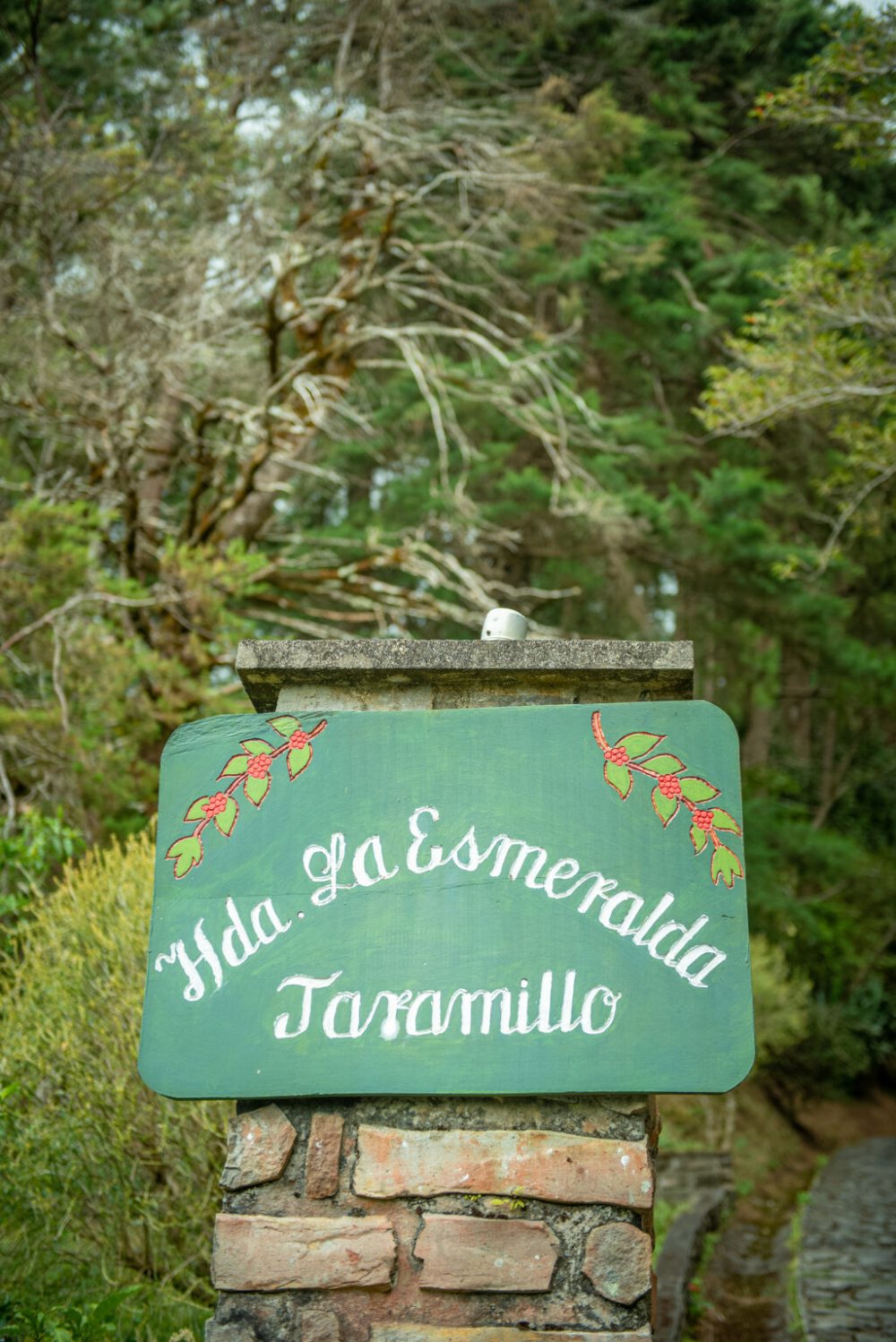
The core production area of La Esmeralda Estate is located in Boquete, Panama, which boasts a typical high-altitude microclimate — notable for significant day-night temperature variations, fertile volcanic soils, and the protection from cold air provided by the central mountain range, creating an environment ideal for coffee cultivation year-round. Especially in plots such as Jaramillo and Cañas Verdes, the Geisha variety is able to express its ultimate flavor potential.
Red Label Geisha: Auction-grade Specialty
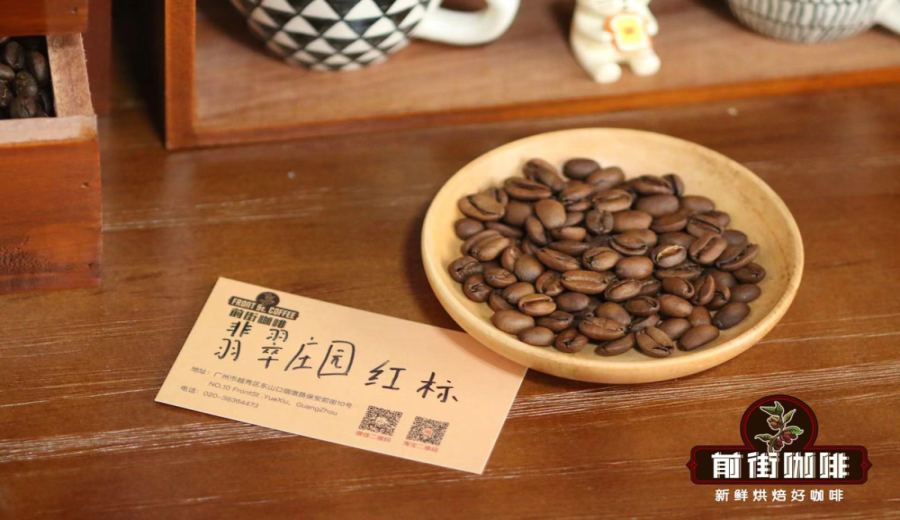
Red Label Geisha (Esmeralda Special) represents the highest grade of La Esmeralda Estate, meticulously selected from beans grown at elevations of 1600-1800 meters with cupping scores above 90, primarily from the Jaramillo and Cañas Verdes regions. These beans typically come from specific small plots (such as Mario, Reina, etc.), and only batches that pass strict screening are released under the Red Label name. It’s worth noting that the Red Label comes in both auction and non-auction versions — the actual growing regions and processing methods are exactly the same, with the only difference being whether they participate in the annual auction. The Red Label mostly employs washed or natural processing, delivering exceptionally bright flavors, often featuring intense jasmine floral notes, citrus tones, accompanied by honey sweetness and vibrant fruit acidity, with a well-defined taste structure and a long-lasting aftertaste.
Green Label Geisha: High-value Blended Beans
Green Label (Private Collection) is a selection of micro-lot blended beans from La Esmeralda Estate. Though not individually auctioned, its quality remains top-tier. The elevation range is similar to the Red Label (1600-1800 meters), but the beans come from a mix of multiple plots including Jaramillo and Cañas Verdes, making it impossible to trace specific origins. Due to the blended nature, flavor may vary slightly between batches, sometimes even approaching Red Label performance.The Green Label also offers both washed and natural options.Its flavor profile is anchored by citrus and berry notes, paired with a smooth creamy texture and clear floral notes, making it suitable for coffee lovers who want to experience Geisha characteristics but have a limited budget.
Blue Label Geisha: Entry-level Option
Blue Label (Geisha1500) is now managed under the “volcanic rock Las Rocas” brand promoted by traders. The original version used blended beans grown at elevations of 1400-1500 meters, encompassing Jaramillo, Cañas Verdes, and El Velo plots. Compared to the first two, the Blue Label still mainly uses washed processing, with a milder flavor intensity, presenting clean citrus and lemon notes, paired with moderate sweetness and tea-like characteristics, resulting in a relatively refreshing taste, making it a good entry-level choice for exploring the Geisha category. Note that the original Blue Label series was adjusted in 2021, and currently circulating market versions may come from the newly promoted brand.
Plot Details and Elevation Impact
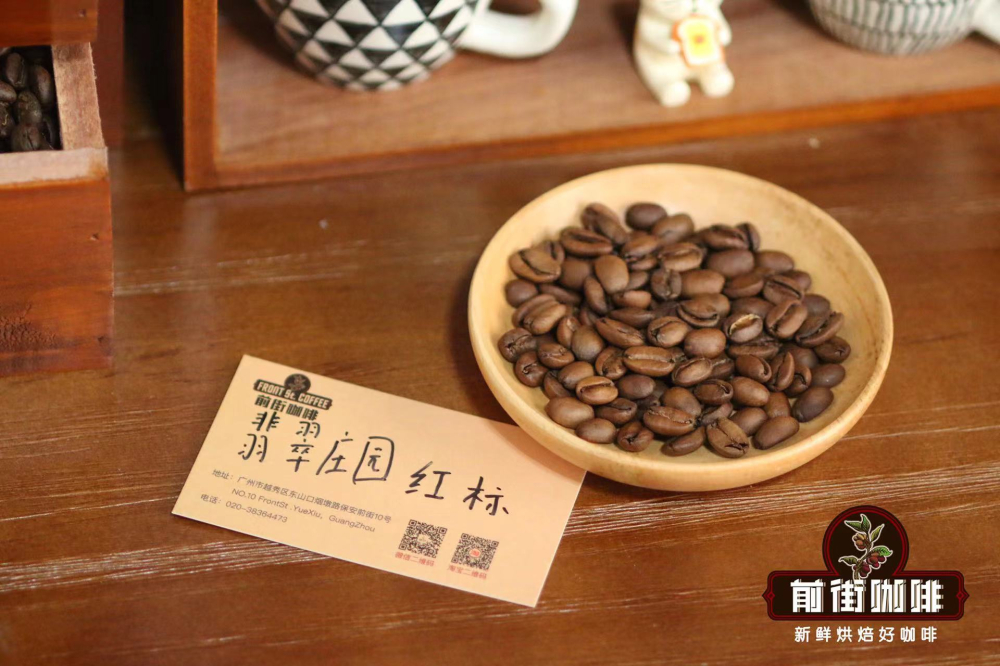
The core Geisha-producing regions of La Esmeralda Estate include Jaramillo (average elevation 1600-1700 meters, annual rainfall 4000 mm) and Cañas Verdes (average elevation 1600-1800 meters, annual rainfall 3500 mm), both known for significant diurnal temperature variations and organically rich soils. Additionally, the El Velo plot, as a newly acquired high-elevation area (1700-1900 meters), though not yet fully integrated into the main grading system, features diverse microclimates and variety combinations (such as Geisha, Catuai, etc.), and may become a new highlight of quality in the future.
Roasting and Extraction Recommendations
For these three light-roast beans, it is recommended to aim forhighlighting floral aromas and bright fruit acidity.Example actual roasting parameters: Red Label uses an entry temperature of 150°C, yellowing point around 147.6°C, first crack starting at 8’10”, and final temperature of 189.5°C; Green Label uses an entry temperature of 160°C, with first crack occurring slightly earlier (7’50”), and final temperature of 192.5°C; Blue Label has a higher bean entry temperature (180°C), first crack at 8’30”, and final temperature of 190°C. For pour over, it is recommended to use a V60 filter cone, with water temperature at 90°C, a 1:15 coffee-to-water ratio, and grind size at about 80% through a #20 sieve, using a step extraction method (30g bloom, then pouring to 125g in the first pour, continuing to 225g) to bring out the optimal flavor expression.
Flavor Profile Comparison
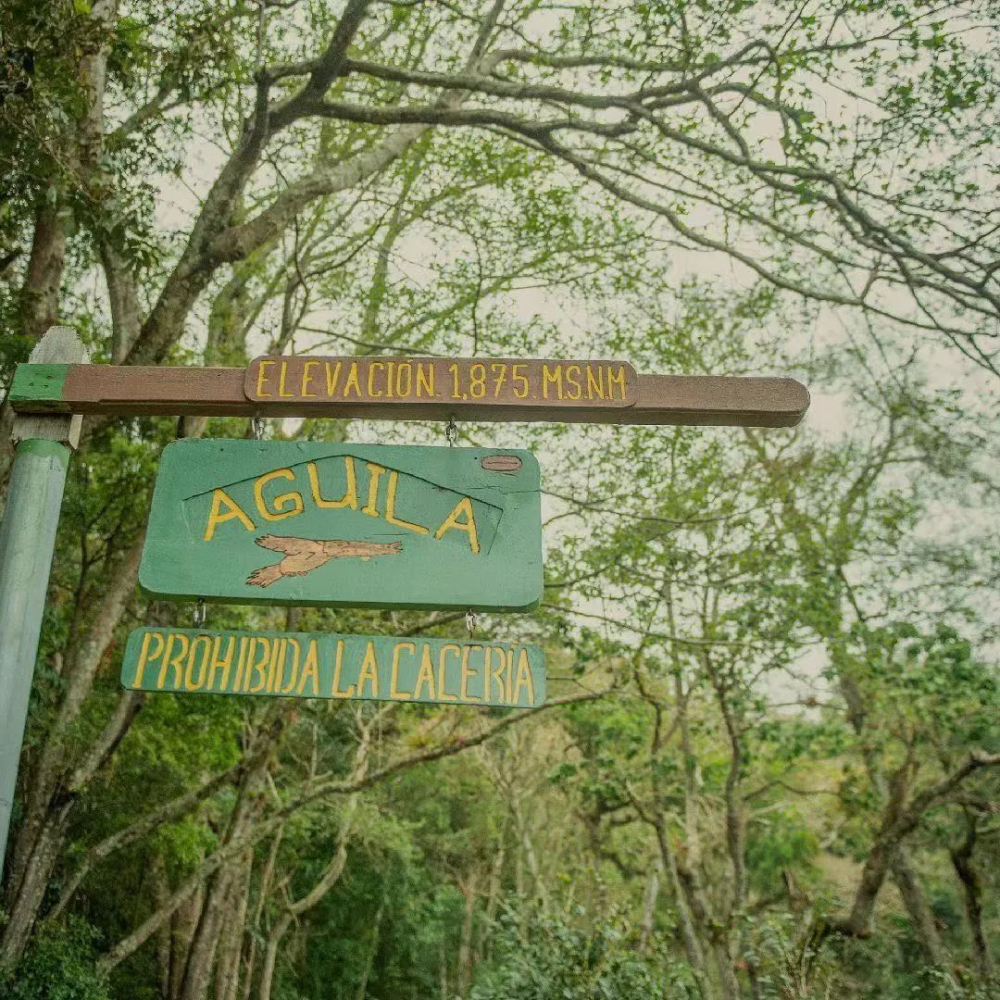
The Red Label’s cupping flavor features jasmine and citrus as top notes, with a taste that presents a complex acidity of lemon, honey, berries, and citrus, and an aftertaste with creamy texture and tea notes; the Green Label emphasizes the bright acidity of lemon and sweet orange, accompanied by honey sweetness and almond undertones, overall balanced and well-layered; the Blue Label has a milder flavor, based on citrus and lemon, with prominent honey sweetness in the mid-palate, and an aftertaste that ends softly with oolong tea and brown sugar notes. The three beans show a clear gradient in flavor intensity and complexity, allowing consumers to choose according to personal taste preferences.
Filter Cone Difference Test
In addition to the V60, you can also try the Kalita Wave (trapezoid filter cone) and the Kalita flat-bottom cake filter cone. The V60, with its faster flow rate, better highlights the vibrant acidity and aromatic layers of Geisha; the Kalita, due to its immersion-style extraction, delivers a rounder flavor with clear citrus and jasmine notes; the cake filter cone’s flat-bottom design makes extraction more stable, resulting in a relatively mellow and balanced mouthfeel. Actual testing shows that different filter cones have particularly noticeable effects on the flavor of the Blue Label — the V60 brings out fresh acidity, the Kalita enhances the citrus main tone, and the cake filter cone highlights more nutty and tea-like elements.

The above content is compiled by CoffeeHunters, a coffee news website.


