







Introduction:The Vietnamese drip filter has a simple structure and affordable price, often mistakenly thought to be suitable only for strong Robusta beans. However, by mastering the right grind size, water temperature, and coffee-to-water ratio, it can not only brew elegant light-roast beans but also produce a balanced and smooth latte. This article explains its basic structure, brewing principles, and provides practical parameters for both black coffee and iced latte, making it easy for beginners to advance with confidence.
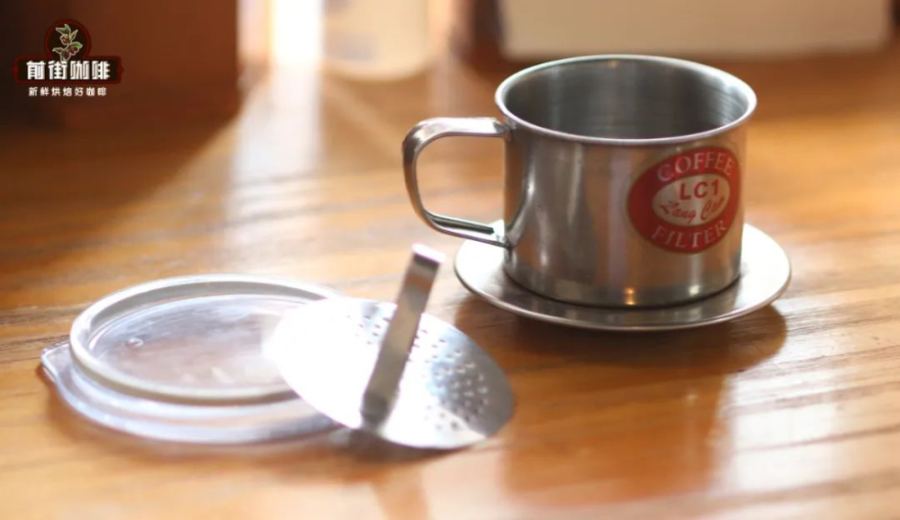
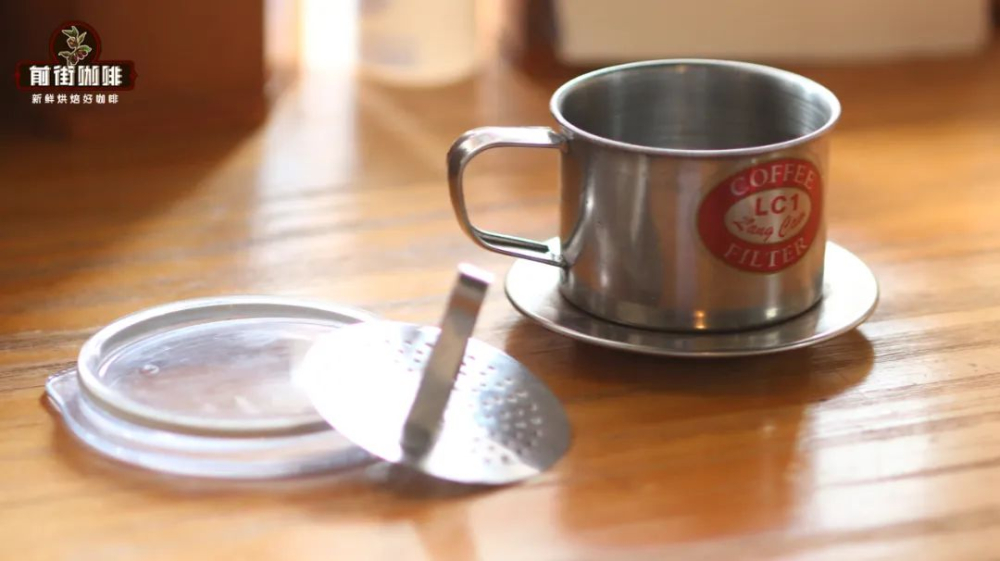
Although its appearance is not flashy, the Vietnamese drip filter is an economical choice for many coffee beginners stepping into the world of pour over. It mainly consists of three parts: an outer filter container, a middle press plate with a showerhead, and a top lid. The overall design is simple and practical, and the price is very budget-friendly, making it perfect for coffee enthusiasts with limited funds to try out.
Vietnam has a rich local drip coffee culture. Since the country mainly grows Robusta beans with a pronounced bitterness, it’s common to see street vendors brewing sweetened condensed milk coffee using the drip filter. The method is very simple: pour condensed milk at the bottom of a cup, place the drip filter on top, add hot water, and cover it with the lid. Then just wait as the coffee slowly drips down to create a refreshing drink.
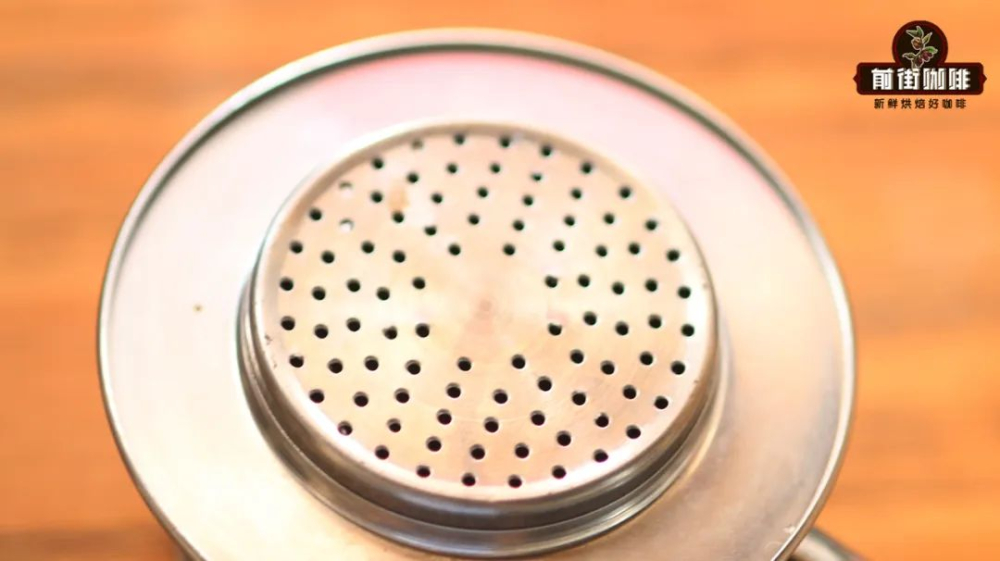
But what if you’re using a bright, light-roast coffee bean? Can this dripper still deliver? The key lies in understanding its brewing logic. The bottom of the Vietnamese drip filter is covered with small holes, which at first glance may seem prone to letting fine coffee grounds pass through. However, thanks to the tight pressing effect of the press plate with the showerhead, most of the coffee grounds remain stable on the filter, effectively reducing filtration issues.
In practice, after adding the coffee grounds into the filter, gently level them, then place the press plate and showerhead horizontally and press down firmly—it's recommended to press as tightly as possible to ensure stability, which also helps control the flow rate. Additionally, the purpose of the top lid is to prevent the press plate from floating up after pouring water. Some newer designs have replaced the lid with a twist-lock mechanism, eliminating the need for a top lid altogether.
From a brewing perspective, the Vietnamese drip filter is essentially a drip-style device. By adjusting the grind size, water temperature, and coffee-to-water ratio, light-roast beans can perform excellently as well. Based on multiple tests,a 1:15 coffee-to-water ratiois an easy starting point to achieve good extraction yield and strength, whilethe water temperature is recommended to be set at 94°C, as the thermal insulation of this dripper is average, and a higher temperature helps improve overall extraction efficiency. As for coffee dosage, it’s suggested to use10 grams, and adjust between 10 to 12 grams depending on the base area of the filter.
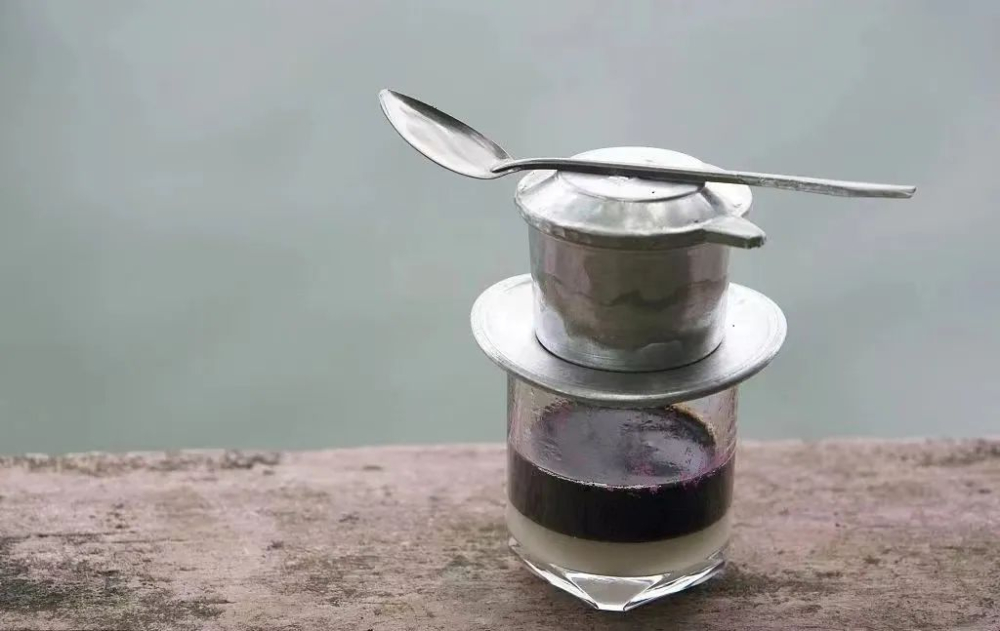
The pouring process needs to be done in two stages, as the filter has limited capacity and can hold approximately 100 ml of water at a time. It’s advised to pour 100 ml of hot water first, put on the lid, and once the water level drops by half, add another 50 ml, then cover again until dripping is complete. By fine-tuning the grind coarseness, you can further control the flavor profile.
Based on testing, when using an EK-43s grinder set to9.5 to 10.5 on the scaleand sieved through a No. 20 mesh, achieving a75% to 83% extraction rate, the brewing time can be controlled within2 to 3 minutes. If the grind is too coarse, the dripping speed will be faster, and the resulting flavor will be more acidic. If the grind is finer, the dripping time will lengthen, bringing out a sweeter taste and richer mouthfeel. This adjustability allows even home users to enjoy a convenience close to that of a drip bag. To avoid coffee grounds falling into the cup, you can place a round paper filter inside the filter basket for a cleaner filtration.
Beyond traditional black coffee, the Vietnamese drip filter can also make a well-balanced iced latte. The key is to choose a dark roast bean with a strong bitter note and adjust the grind size to be similar to that used for a moka pot. It’s suggested to put 50 grams of ice in a cup, pour in 150 ml of milk, then place a paper filter in the drip filter, add 10 grams of coffee grounds, press the plate down firmly, pour in 70 ml of 95°C hot water, and finally cover with the lid. Wait for the coffee to drip through—a process that takes about 5 to 6 minutes—to complete a cool and smooth iced coffee latte.
The above content is compiled by CoffeeHunters, a coffee news website.


