







Introduction:As a giant variety within the Arabica family, Maragogype is renowned for its unusually large bean size and distinctive flavor profile. This article delves into its origin story, key growing region characteristics, and highlights the premium Maragogype beans from the Mama Mina Estate of the Mierisch Family in Nicaragua. It also explores how sun-drying processing impacts the flavor and provides professional roasting profiles and pour over brewing recommendations to help you fully understand this special coffee from bean to cup.
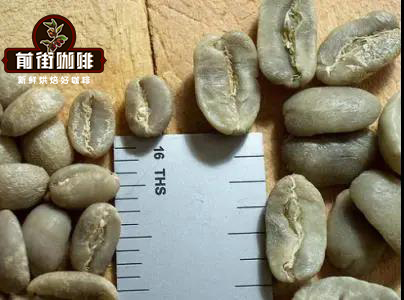
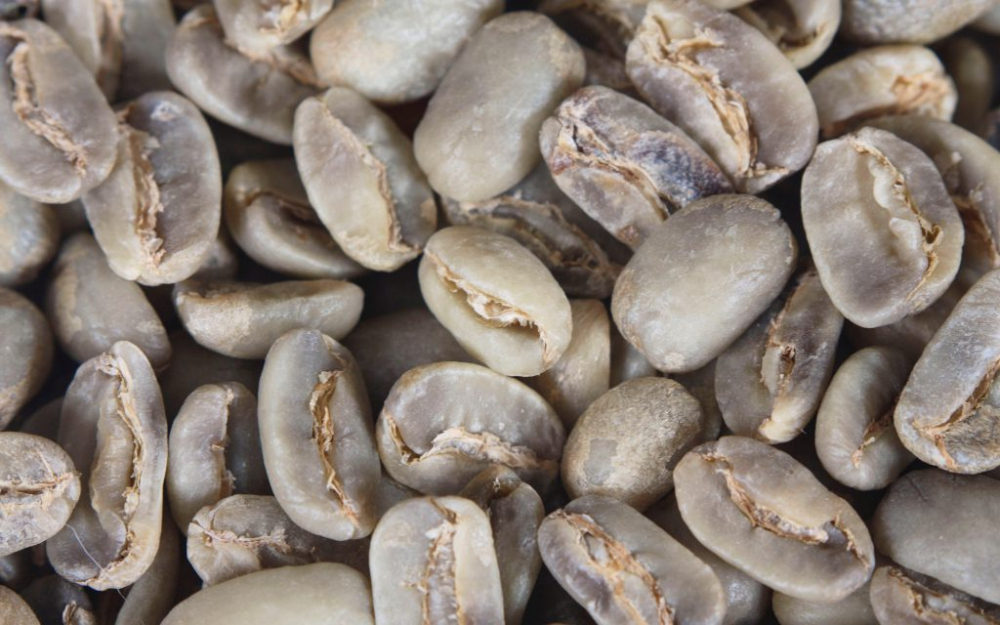
Among the many Arabica varieties, there is a type of coffee bean known as “elephant bean” due to its significantly larger size than standard beans; its scientific name is Maragogype. This variety was first discovered in 1870 in the Maragogype region of Bahia, Brazil, and genetic analysis confirmed it to be a natural mutation of Typica. Its most notable feature is its exceptionally large bean size, typically about three times that of a regular Arabica bean. Within the common 17 to 18 mesh grading, Maragogype beans often reach 20 mesh or even larger,making them an extremely rare grade in regions where beans are graded by size..
Coffee beans are generally divided into three main categories based on size: small-bean Arabica, medium-bean Robusta, and large-bean Liberica. Among these, Arabica, known for its delicate flavors and bright acidity, dominates the market. Yet within this very variety, Maragogype stands out as an “oddity.” Not only does it stand out in size, but in certain regions, it also exhibits highly recognizable flavor characteristics that pique interest in its backstory.
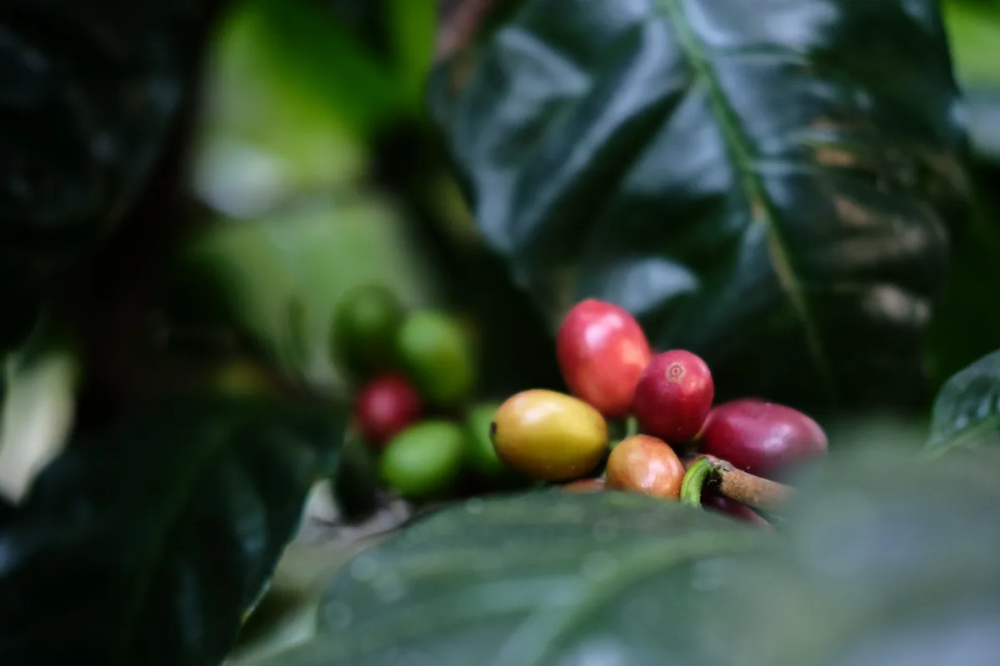
Due to their tall trees, lush foliage, and need for more growing space and nutrients, along with longer fruit maturation times and relatively difficult harvesting and management, Maragogype beans come with high cultivation costs and limited yields. They are mainly grown in Central and South American countries such as Brazil, Nicaragua, Mexico, and Guatemala. Among them, the Maragogype beans produced by the Mama Mina Estate under the Nicaraguan Mierisch Family are particularly outstanding in terms of flavor performance.This estate has been in continuous operation since 1908 and owns nine coffee plantations spread across multiple high-altitude regions in Nicaragua, including San Jose, Limoncillo, Escondida, Milagros, Placeres, Los Altos, Mama Mina, and Suspiro, with another one located in Cerro Azul, Honduras.
The Mama Mina Estate is situated in a volcanic soil zone and has long employed shade-growing practices, which not only help maintain ecological balance but also provide a slower and more uniform ripening environment for the coffee beans. The Maragogype planted here is generally cultivated at altitudes above 1,500 meters, combined with rigorous agronomic management, resulting in coffee with a solid body and clear layering. When tasted, one can often perceive intense blackberry-like aromas, such as those of blackberries and dark plums intertwined, along with the fresh scent of citrus peel. The overall flavor is delicate, with a silky and sweet aftertaste.
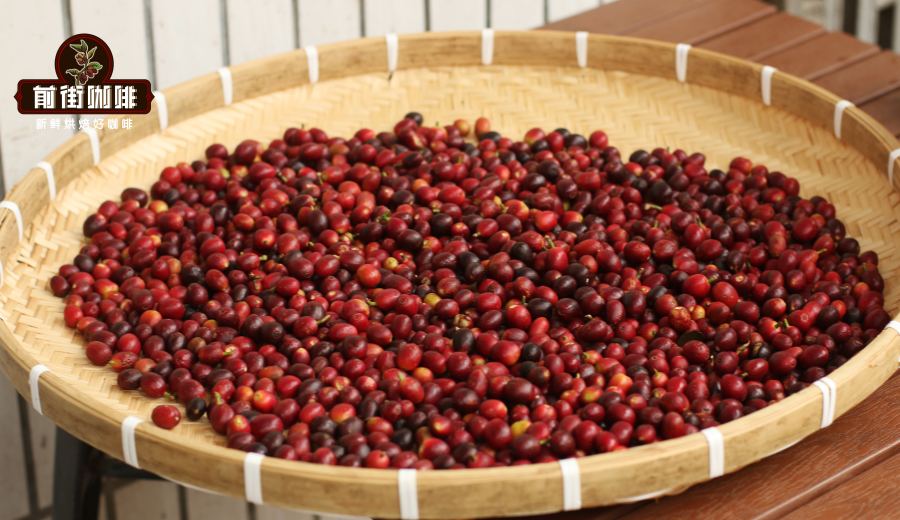
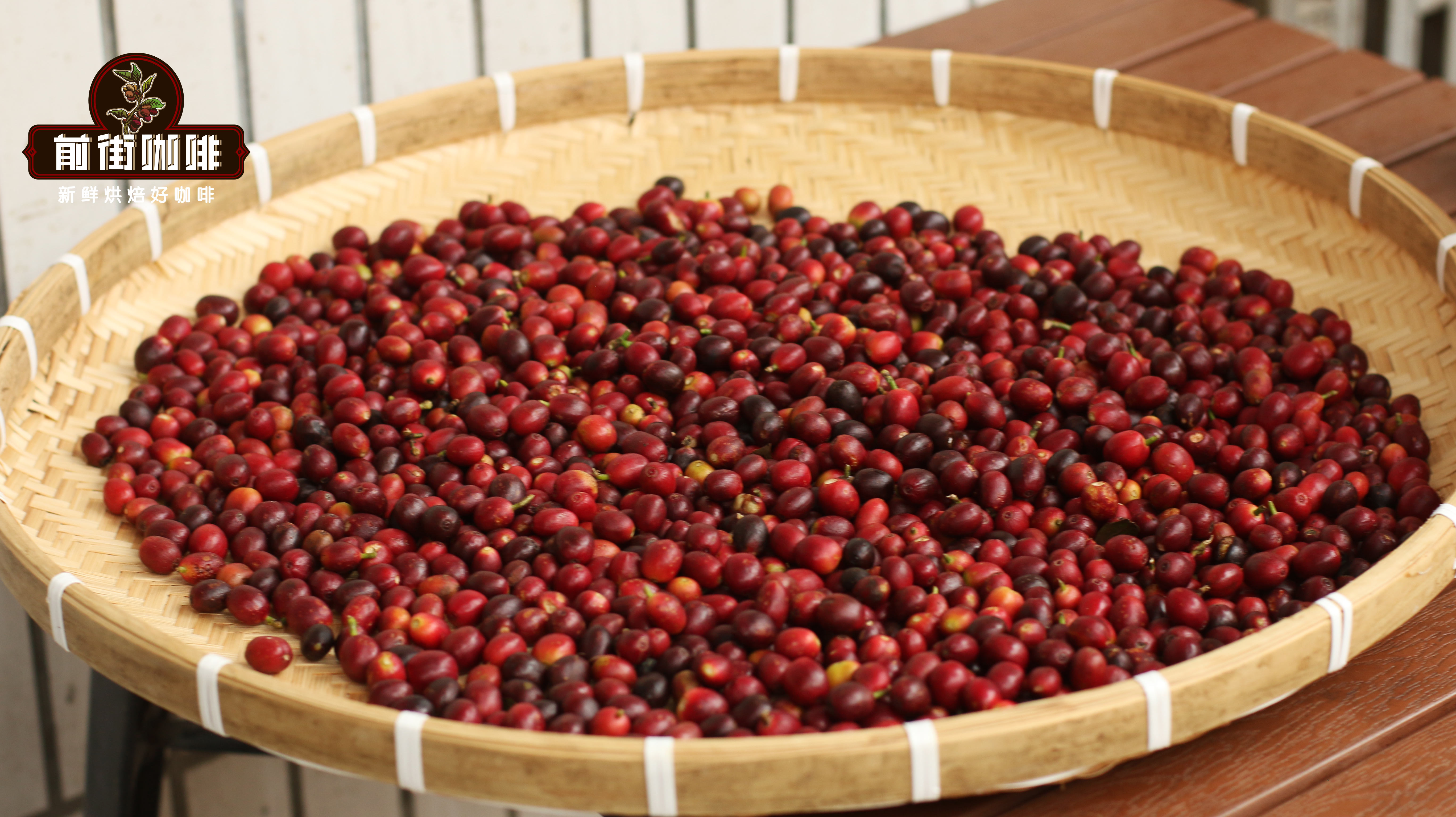
This batch of Nicaraguan Maragogype beans is processed using the traditional sun-drying method. Sun drying is one of the most original and flavor-retaining processing methods. The steps include: first placing the harvested coffee cherries in a water tank and using buoyancy principles to remove unripe or overripe defective beans; then evenly spreading the healthy cherries on a drying patio, where they undergo prolonged sun exposure, gradually reducing moisture content from the original 60% down to 12% to 15%; finally, using a hulling machine to remove the dried pulp and parchment, leaving clean green beans. This method imparts rich sweetness and fruity notes to the coffee, making it especially well-suited to a distinctive variety like Maragogype.
In terms of roasting, due to the large bean size, the dehydration rate and heat conduction differ from those of regular coffee beans. To ensure even heating of both the core and surface of the beans, it is recommended to usea medium-light roast level,with a lower rate of temperature increase to stabilize heating and extend the dehydration phase, effectively reducing internal and external temperature differences. For practical operations, you can refer to the following roasting parameters: using a Yangjia 700N machine, with a green bean charge of 300 grams, an initial drum temperature set at 175°C, starting flame power at 120 and air vent at 3; the turning point is reached at approximately 1 minute and 32 seconds when the temperature hits 100.9°C, after which the air vent and flame are gradually adjusted as the temperature rises—especially when the beans turn yellow and grassy notes fade, entering the main dehydration stage; after first crack begins, development continues for about 1 minute and 40 seconds, with the final drop at 196°C. These parameters help fully develop the fruitiness and layered complexity of the Maragogype while maintaining a smooth mouthfeel.
Recommended pour over parameters are as follows: 15 grams of coffee grounds, a 1:16 coffee-to-water ratio, water temperature controlled at 91°C, and grind size medium-fine, with an estimated 20-mesh standard sieve passing rate of about 78%. In practice, start by pouring 30 grams of hot water for a 30-second bloom, then continue pouring in small circles until reaching 150 grams for the first pour. Once the water level slightly drops and is about to expose the coffee bed, pour again up to a total of 240 grams before stopping. Wait until the water level in the filter drops again and is about to reveal the coffee layer before removing the filter. The total extraction time is around 1 minute and 56 seconds. These settings help balance extraction yield, highlighting a clear citrus tone and brown sugar aroma, with a middle section that reveals notes of nuts and maple syrup, delivering a smooth and layered mouthfeel overall.
Although Maragogype comes with higher costs in cultivation and processing and is grown by relatively few producers, its unique flavor characteristics still attract many coffee enthusiasts. It’s worth mentioning that a hybrid variety of Maragogype, Pacamara, is a cross between Pacas and Maragogype. Pacamara inherits the large bean size and excellent acidity of Maragogype, while also benefiting from the high yield and environmental adaptability of the Pacas variety. Its bean size is about 70% to 80% that of Maragogype and has repeatedly achieved top results in El Salvador’s Cup of Excellence competition, making it another noteworthy specialty variety.
The above content is compiled by CoffeeHunters, a coffee news website.


