







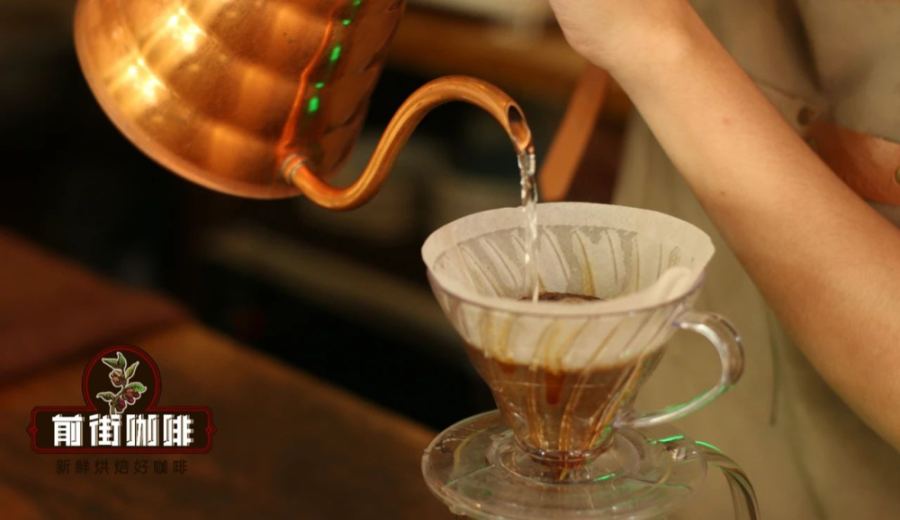
Introduction:The Smart Cup combines both immersion and drip extraction mechanisms, making it an ideal tool for many beginners stepping into the world of pour over coffee. This article delves into its working principles, explaining key parameters such as water temperature, grind size, and coffee-to-water ratio in detail, and walks you through a standard brewing process using 15 grams of coffee, a 1:16 ratio, and 94°C water temperature—with practical examples—to help you easily brew a cup of coffee with balanced flavors and pronounced sweetness.
Among the many pour over coffee tools, the Smart Cup stands out as a top choice for beginners, thanks to its unique dual mechanism of immersion and filtration. Compared to traditional drip methods, it not only has a lower learning curve but also consistently delivers the fundamental flavor characteristics of coffee. This article will take you through the full process—from extraction principles and parameter adjustments to hands-on brewing steps—so you can fully understand how to use the Smart Cup to brew a cup of coffee with clear flavors and a smooth mouthfeel.
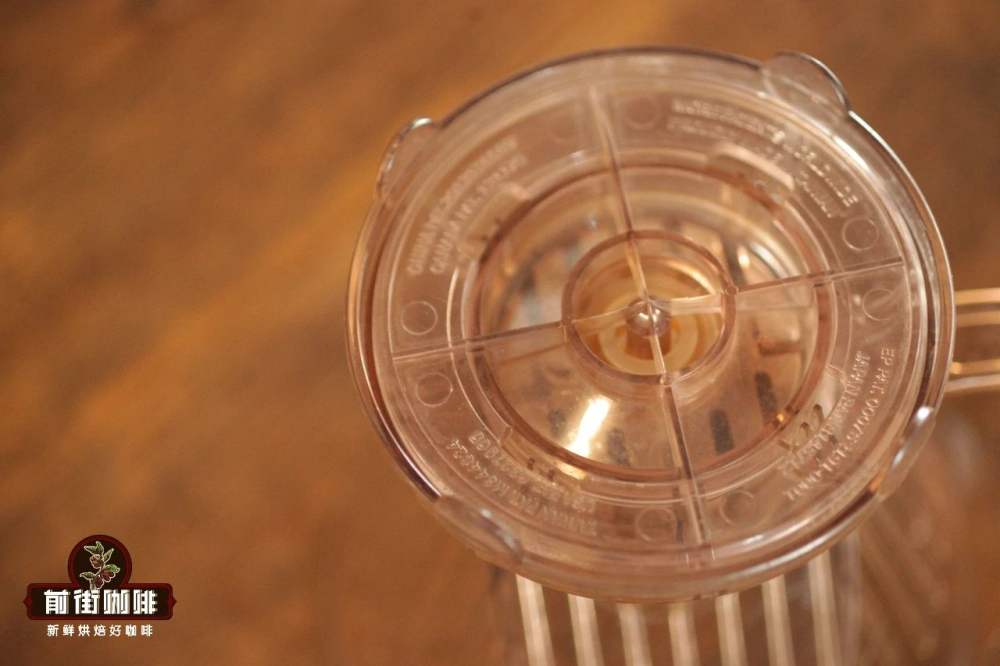
The basic structure of the Smart Cup consists of an outer stand and an inner filter cup, with the latter equipped with a push-button valve. When placed on a flat surface, the valve remains closed, allowing the coffee grounds and hot water to steep fully. Once the steeping time is complete, simply press the piston at the base lightly to open the valve, and the filtered coffee will flow smoothly into the container below. This design gives it the advantages of both immersion and drip brewing, making it especially suitable for coffee lovers who value stability and convenience.
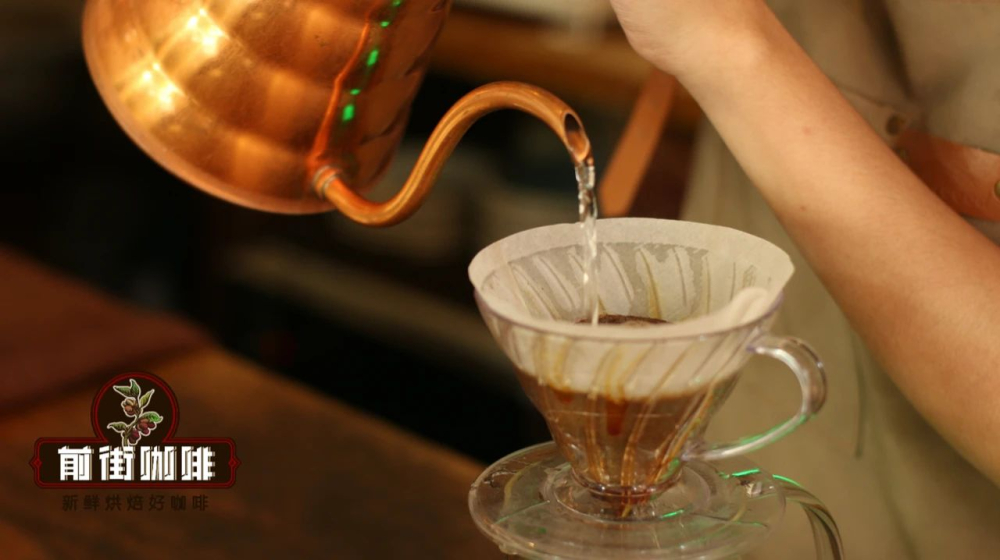
Compared to common drip filter cones like the V60, the most distinctive feature of the Smart Cup is its immersion function. This brewing method, which allows the coffee grounds to interact with water for an extended period, reduces reliance on pouring techniques—making it easy for even novice users to master and reproduce consistent basic coffee flavors. Moreover, by adjusting variables such as water temperature, coffee-to-water ratio, grind coarseness, and steeping time, you can significantly alter the final flavor profile, including details like acidity, sweetness, and body.
In practical use, the Smart Cup requires very simple equipment: the Smart Cup itself, dedicated filter paper, freshly roasted coffee grounds, hot water, and a cup to hold the brewed coffee. It’s recommended to adjust the grind size based on the roast level of the coffee beans—for example, a medium grind (about 75% passing through a #20 sieve) for medium-light roasts, and a medium-coarse grind (about 70% passing rate) for medium-dark roasts. As for water temperature, medium-light roasts suit 93°C to 94°C, while medium-dark roasts are better brewed at 90°C to 91°C to fully bring out the aromas and layers characteristic of each roast level.
This demonstration uses Ethiopian Yirgacheffe Hambela Guji Washed (Huakui) coffee beans from the Sidamo region, processed with the natural (sun-dried) method, showcasing prominent tropical fruit notes, outstanding sweetness, and a rich flavor profile. The brewing parameters are as follows: 15 grams of coffee, a 1:16 coffee-to-water ratio, water temperature controlled at 94°C, and a medium grind size (75% passing through a #20 sieve). This combination effectively highlights the sweetness and fruity aroma of the Huakui beans, making it suitable for users trying immersion brewing for the first time.
For preparation, use a large fan-shaped filter paper. Place the filter paper into the Smart Cup and rinse it with a small amount of hot water. This not only helps the filter paper adhere to the cup walls but also preheats the entire brewing system. Next, add the ground coffee into the cup, and it’s recommended to reset the digital scale and start timing simultaneously. At this point, you can pour in 16 times the weight of the coffee in hot water all at once. For example, with 15 grams of coffee, that means pouring 240 milliliters of hot water. It’s advised to maintain the water temperature between 94°C and 95°C to ensure sufficient extraction.
After pouring the water, gently cover the cup with the lid and let it sit for about 4 minutes. This period allows the coffee grounds and hot water to interact fully, releasing the flavor compounds. Once the time is up, you can gently shake the Smart Cup to help distribute the coffee liquid evenly, then place it over your serving cup and slowly press down the piston at the base to allow the filtered coffee to flow out. This process is not only simple to operate but also makes it easier to control the stability of extraction.
Once brewing is complete, simply remove and discard the filter paper and give the Smart Cup a quick rinse—the cleanup is much simpler than with a French press. Coffee brewed using this immersion method typically has high clarity and good body, with sweetness that tends to be well-rounded. It’s suitable for coffee lovers who prefer stable flavors and an easy brewing process.
In summary, the Smart Cup is a brewing tool that combines convenience with stability. Whether you’re a beginner or a daily drinker, you can find the coffee flavor that suits your taste through simple adjustments of key parameters. By mastering elements such as water temperature, grind size, and steeping time, you can easily enjoy a cup of coffee with balanced flavors and distinct layers, brewed through immersion.
The above content is compiled by CoffeeHunters, a coffee news website.


