








Introduction:The French press and the moka pot are two of the most popular classic brewing tools among home coffee enthusiasts. Not only are they easy to use, but they also offer distinct coffee experiences. This article dives deep into the immersion extraction logic of the French press and the pressure extraction principle of the moka pot, covering key parameters such as grind size, coffee-to-water ratio, water temperature, and brewing steps, along with practical tips and common pitfalls to help you choose the most suitable brewing method based on your personal taste.
If you want to easily brew a flavorful cup of coffee at home, the French press and moka pot are top choices for many. Although these two classic tools are not difficult to operate, their extraction logic and the resulting coffee flavors are quite different. This article will detail their operation processes, recommend optimal grind sizes and ratios, and provide practical guidance for common questions, allowing you to select the brewing tool that best suits your preferences.

The French press, also known as a French press, is a simple yet highly representative immersion brewing device, first appearing in France around 1850. It mainly consists of a heat-resistant glass carafe and a metal filter plunger. Its operation is intuitive—just control the water temperature, coffee-to-water ratio, and steeping time to consistently extract coffee with balanced flavors.
This brewing method is closest to professional cupping, fully releasing the oils, aromas, and various flavor compounds in the coffee, ultimately resulting in a rich, sweet, and smooth coffee liquid. For users who enjoy a full flavor profile and don’t want to spend too much time adjusting parameters, the French press is a very user-friendly choice.
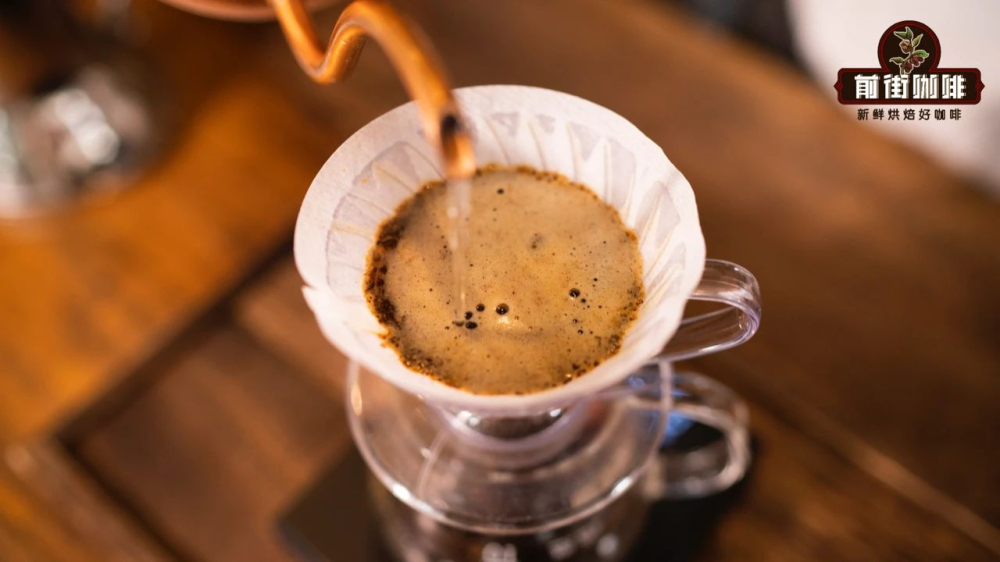
When using a French press to make coffee, it’s recommended to choose single-origin beans with medium to dark roasts or varieties with pronounced fruit acidity, which pair well with its immersion brewing characteristics. In terms of grind size, a medium-coarse grind is advised, roughly between levels 5–6, with a texture similar to sea salt. If the grind is too fine, it can lead to over-extraction and may cause fine particles to pass through the filter, making the coffee cloudy.
Specifically, you can refer to the following grind standards: cold drip > pour over siphon 80% > moka & American drip 75–80% > cupping 70–75% > French press 65–70%. A coffee-to-water ratio of 1:10 is recommended to start with, for example, 20 grams of coffee grounds with 200 grams of water, suitable for two servings. The steeping time is generally controlled between 3–4 minutes and can be fine-tuned according to the bean characteristics and personal preference. Do not press the plunger down early during the steeping period; allow the coffee grounds and hot water to fully interact to fully release the flavors.
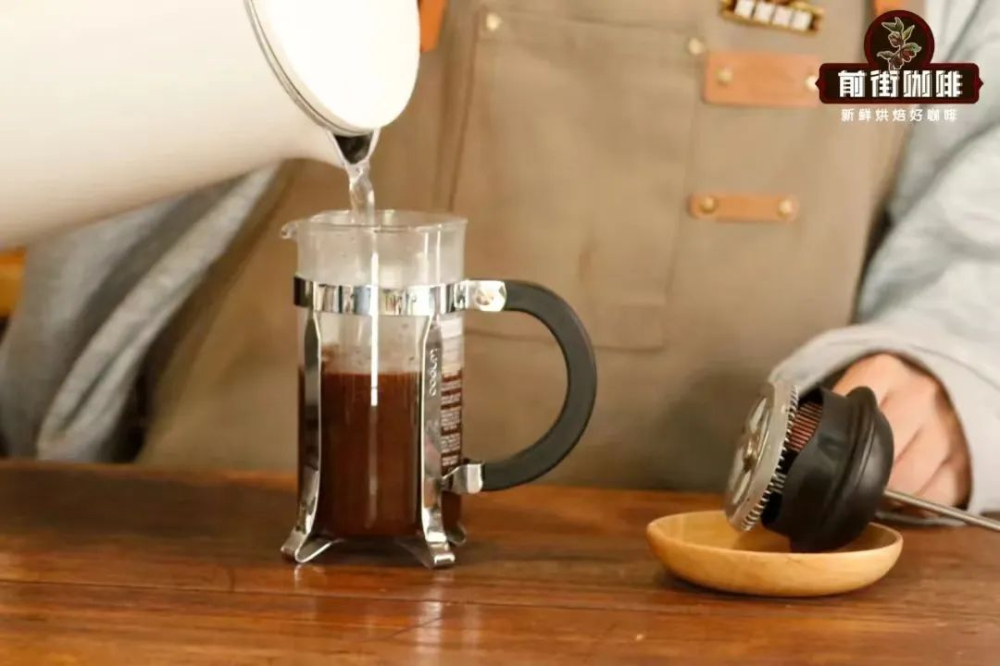
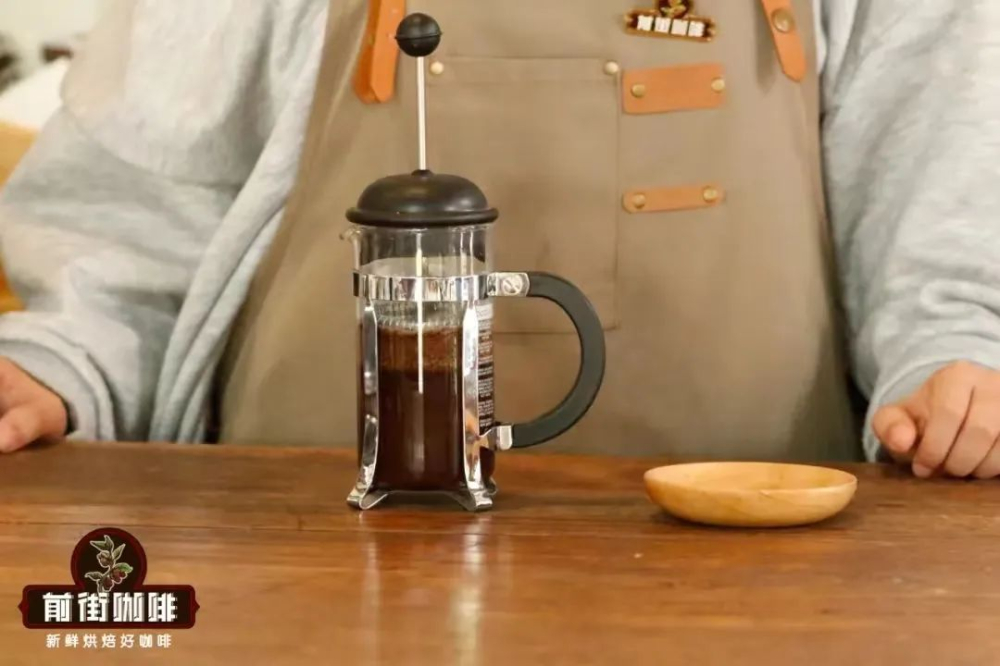
For the actual operation steps, first grind the coffee beans to the appropriate coarseness, pour them into the French press, and then add hot water directly. The water temperature should be maintained at around 93°C. After pouring, gently stir with a spoon to help mix the grounds and water evenly. Then put the lid on, but keep the plunger at the highest position, and let it steep for about 4 minutes. Once the time is up, first open the lid to check and remove any foam and fine sediment, then slowly and steadily press the plunger to the bottom. It’s recommended to immediately pour the coffee into a thermos or other container to avoid over-extraction from continued steeping. Finally, pour it into a cup and enjoy.

When using a French press, it’s recommended to use an electronic scale. Even if the carafe has markings and a measuring spoon, accurately measuring the coffee grounds and water ratio helps replicate successful recipes or troubleshoot failures in the future. Additionally, water quality is also an important factor affecting flavor—be sure to use fresh, clean soft water and avoid hard or unfiltered water that could affect the final taste. When pressing the plunger, do so gently to avoid excessive force leading to over-extraction and producing bitter or astringent off-flavors.
If you want to make milk coffee with a French press, there’s a simple method: take a clean French press, pour in about 1/3 warm milk, slowly insert the plunger and gently push it up and down repeatedly until the milk volume doubles, indicating it’s frothed. Then mix it with the brewed coffee.
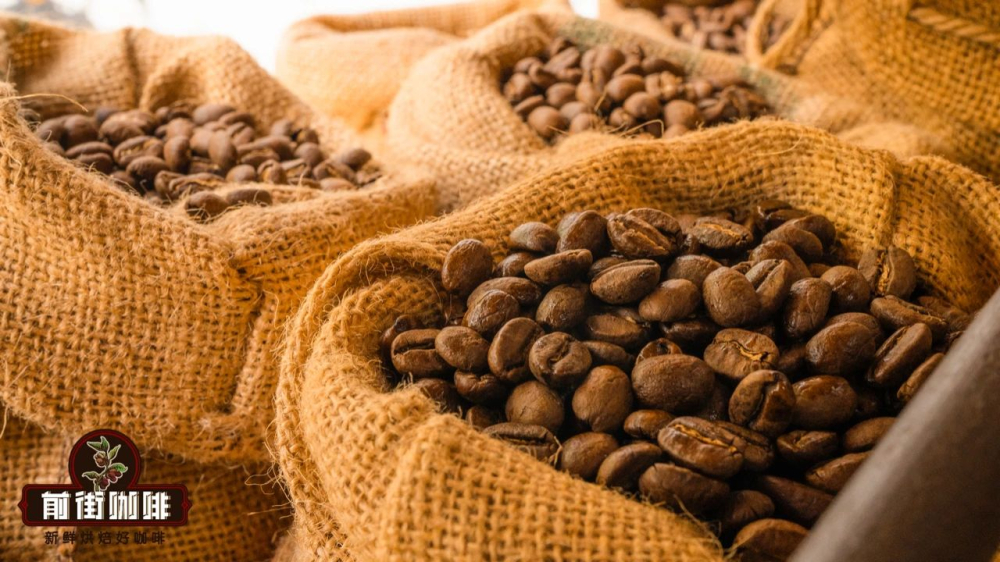
Compared to the immersion brewing of the French press, the moka pot uses a pressure-based principle to extract coffee with a strong, bold flavor. The moka pot, known in English as a Moka Pot, was designed in Italy and mainly consists of three parts: the upper chamber, the coffee chamber, and the lower base. The lower base holds water, the coffee chamber contains finely ground coffee, and the upper chamber collects the brewed coffee.
Its working principle is to generate steam pressure by heating the lower base. When the pressure is sufficient, it pushes the hot water upward through the coffee grounds, eventually forming a strong cup of coffee in the upper chamber, sometimes even producing crema similar to that of an espresso.
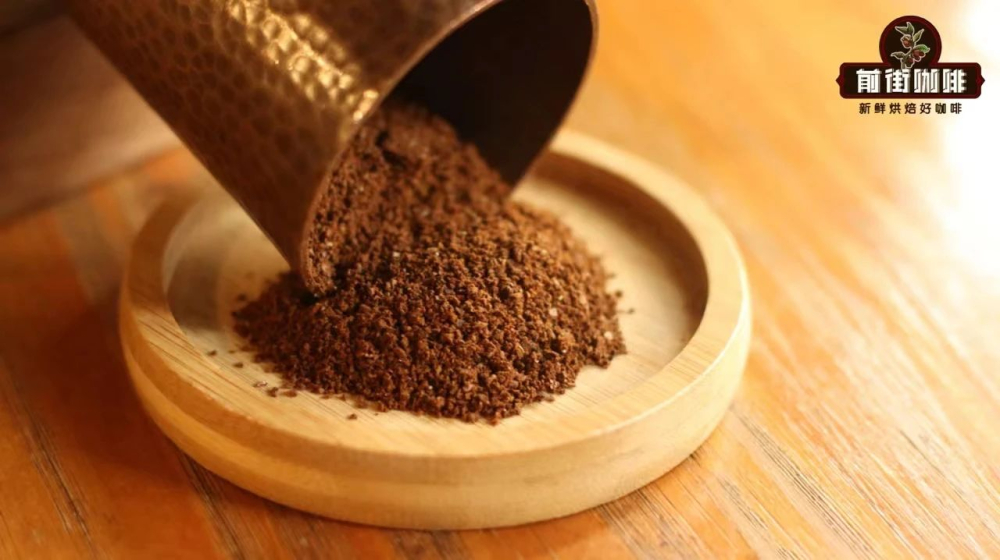
When using a moka pot, it’s recommended to choose coffee beans with a darker roast, which better highlight its intense flavor characteristics. In terms of grind size, it should be slightly finer than regular pour over but a bit coarser than espresso beans, roughly matching the gap of the coffee chamber filter—avoid too fine a grind that could fall into the lower base and affect brewing flow. After adding the coffee grounds to the chamber, gently tamp them down, then use a distribution method to level the surface, forming a small mound shape which helps with even heat distribution.
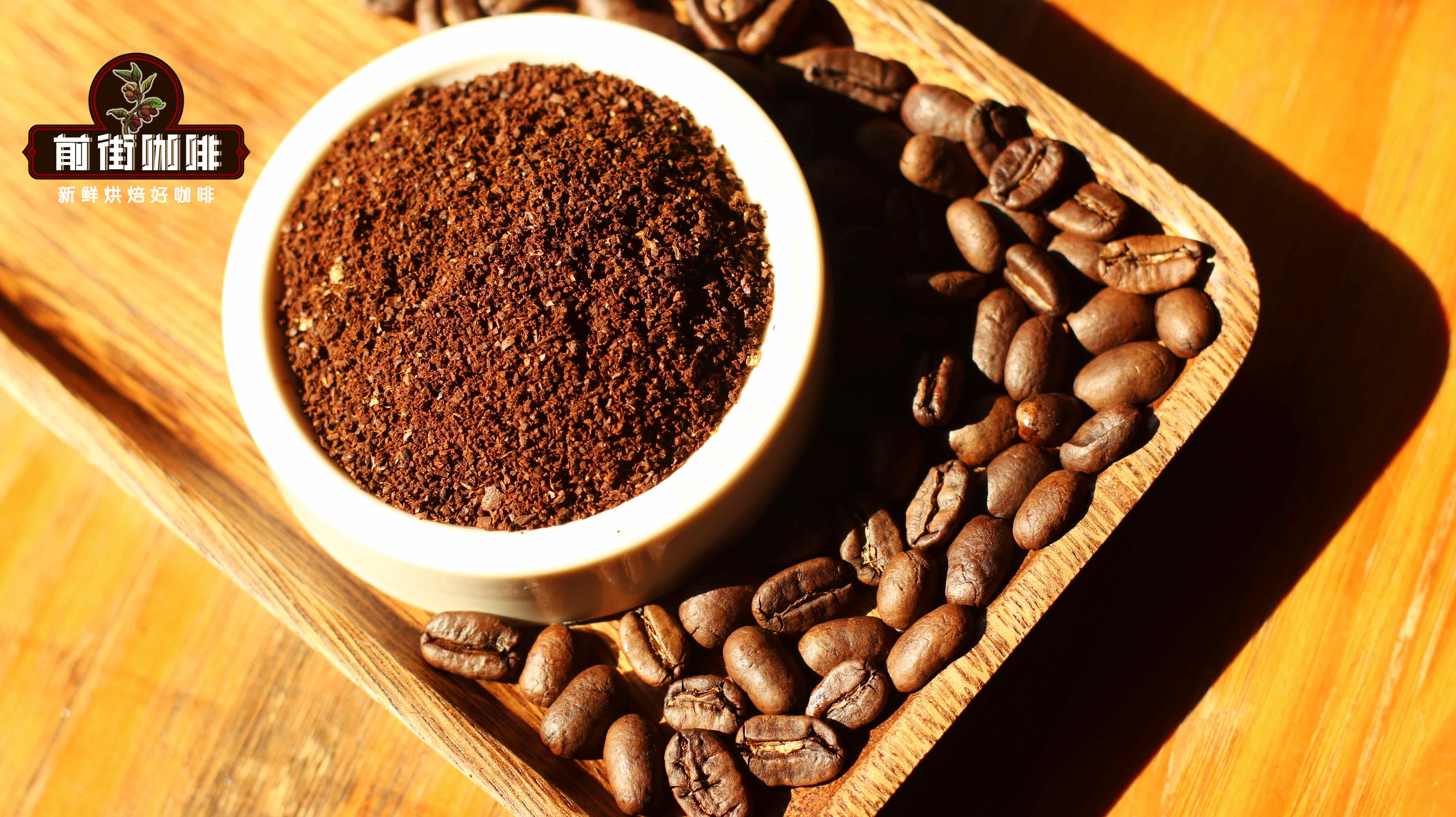
For the operation steps, first pour pure water into the lower base, with the water level not exceeding about 0.5 cm below the safety valve. Then add the prepared coffee grounds into the coffee chamber, lightly press to stabilize the coffee bed. Next, place the coffee chamber into the lower base, securely screw the upper and lower parts together, and place it on an electric stove over high heat. When you hear a distinct “wuu wuu” sound, it indicates the pressure is gradually increasing—then switch to low heat and open the upper chamber lid to observe the brewing process.
When about half of the coffee has flowed into the upper chamber, you can turn off the heat and let the residual heat and remaining pressure push the rest of the coffee up. Once all the liquid has been extracted, you can pour and enjoy the coffee. This type of coffee usually has a strong, layered flavor, suitable for drinking straight or adjusting with water or milk according to personal taste.
When operating a moka pot, pay attention to heat control. Excessively high heat can not only scorch the coffee grounds but may also cause excessive pressure, affecting the brewing quality and the lifespan of the tool. Also, regularly check the safety valve and the tightness of all joints to ensure safe usage. First-time users are advised to experiment with different heat levels and grind sizes to find the parameters that best suit their flavor preferences.
In summary, the French press and moka pot each have their unique brewing styles and suitable scenarios. If you prefer a rich, full-bodied, easy-to-operate immersion coffee, the French press is a great choice; if you want to enjoy the intense pressure-brewed coffee experience at home, the moka pot can deliver the bold feel of an espresso. No matter which one you choose, mastering the correct grind size, water temperature, coffee-to-water ratio, and operational details can greatly enhance the quality and enjoyment of your home-brewed coffee.
The above content is compiled by CoffeeHunters, a coffee news website.


