







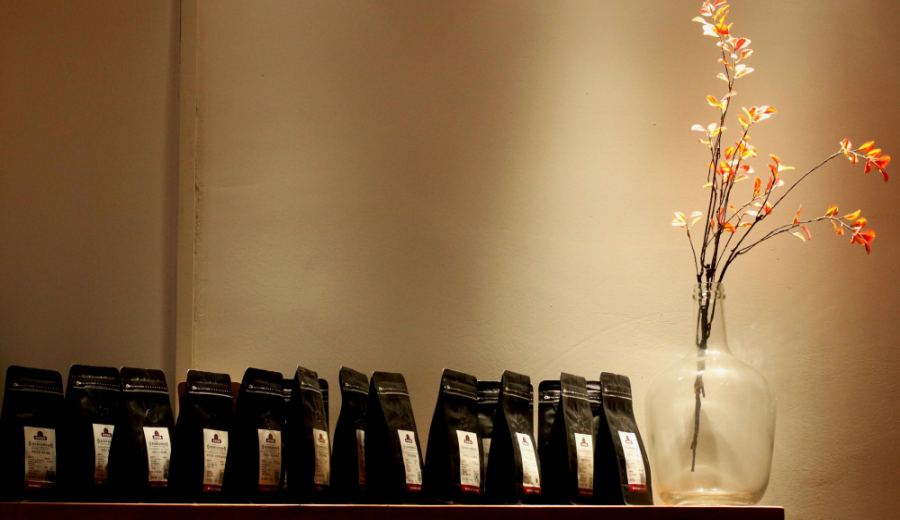
Introduction:Single-origin espresso (SOE) has become a popular choice in the specialty coffee scene in recent years. However, compared to traditional espresso blends, it shows significant differences in flavor, stability, and extraction parameters. This article delves into the fundamental distinctions between SOE and espresso blends, explores the medium roast characteristics of a particular Red Cherry SOE, and offers practical extraction tips to help you brew a balanced and layered cup—whether at home or in a café setting.
In recent years, SOE (Single Origin Espresso) has garnered increasing attention among coffee enthusiasts and in competition circles. Compared to common espresso blends, SOE emphasizes using beans from a single origin, allowing the unique aromas, sweetness, and acidity of that specific region to shine through—such as bright citrus, berry, or floral notes. However, SOE is not synonymous with specialty coffee. When selecting beans, particular attention must be paid to their flavor clarity and processing method to highlight their distinctiveness.
Take the renowned Ethiopian Natural Red Cherry as an example. This bean, processed via whole red cherry natural fermentation, delivers intense fruity sweetness and delicate floral notes. It’s not only suitable for pour over but also frequently used to make SOE espresso. One brand even launched a medium roast version of Red Cherry SOE tailored for home espresso machines, allowing users to experience café-level flavors at home.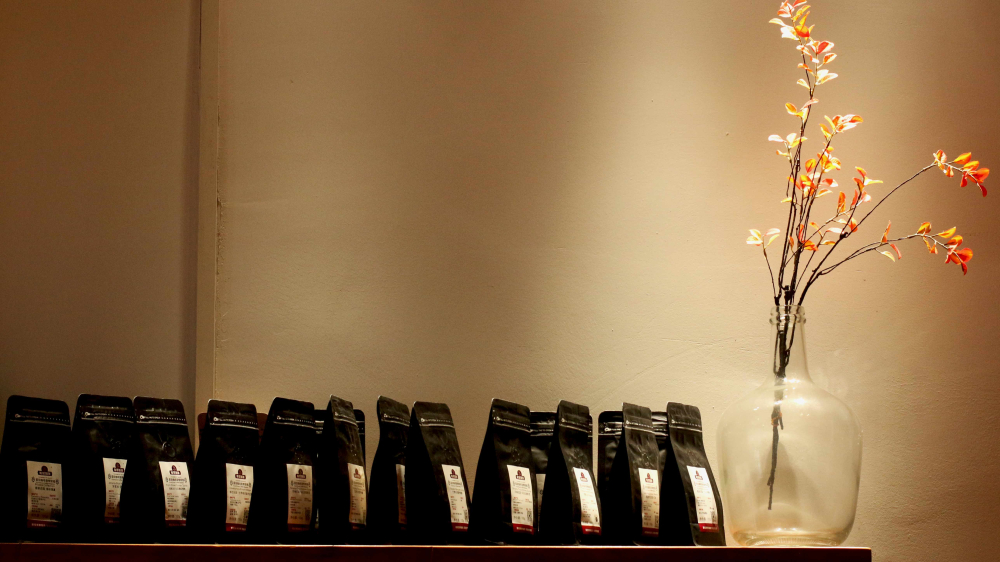
During actual extraction, using 20 grams of Red Cherry SOE coffee grounds with a 27-second brew time yields about 40 grams of espresso. The most striking feature of this cup is the thick layer of deep reddish-brown crema on the surface, exuding an inviting aroma. Upon tasting, you’ll notice pronounced citrus and berry notes, accompanied by moderate fermentation aromas, medium-level bitterness, and relatively high acidity—delivering an overall vibrant and layered mouthfeel.
Notably, when using the same Natural Red Cherry for pour over, the coffee typically lacks crema because the filter paper filters out some of the oils. Additionally, SOE and pour over coffee share similarities in roast levels, often featuring medium-light roasts to preserve the original flavor characteristics of the origin. One brand’s selection spans over 50 origins, with the vast majority roasted medium-light, adjusted to medium-dark or dark only under special flavor considerations.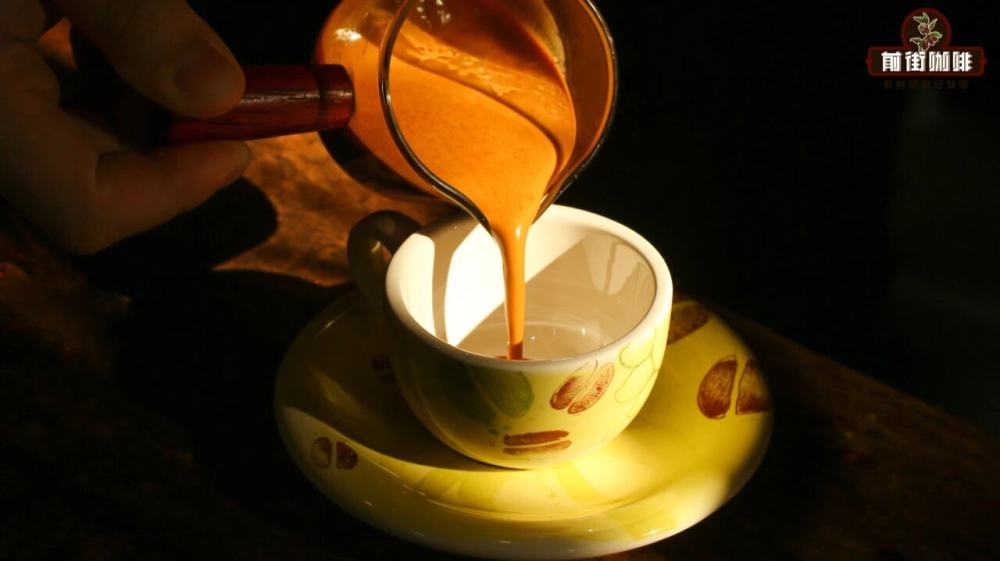
So, what differentiates SOE from traditional espresso blends? Generally, espresso blends consist of three or more types of beans—some recipes even include ten—primarily aiming to ensure consistent and stable flavors. Chains like Starbucks and Luckin commonly use espresso blends to maintain standardized product flavors.
In contrast, SOE uses beans from a single origin, which can highlight regional traits but also comes with clear limitations. Since harvests from a single region are influenced by season, climate, and growing conditions, both yield and flavor may fluctuate annually, resulting in less stability than blend beans. Moreover, SOE usually selects higher-grade beans, making them generally pricier than standard espresso offerings.
When selecting blend beans, many baristas adjust the proportions to target desired flavors—for instance, adding a small amount of Robusta to enhance body and crema performance while controlling costs. This is one reason why commercially available espresso tends to be more affordable than SOE.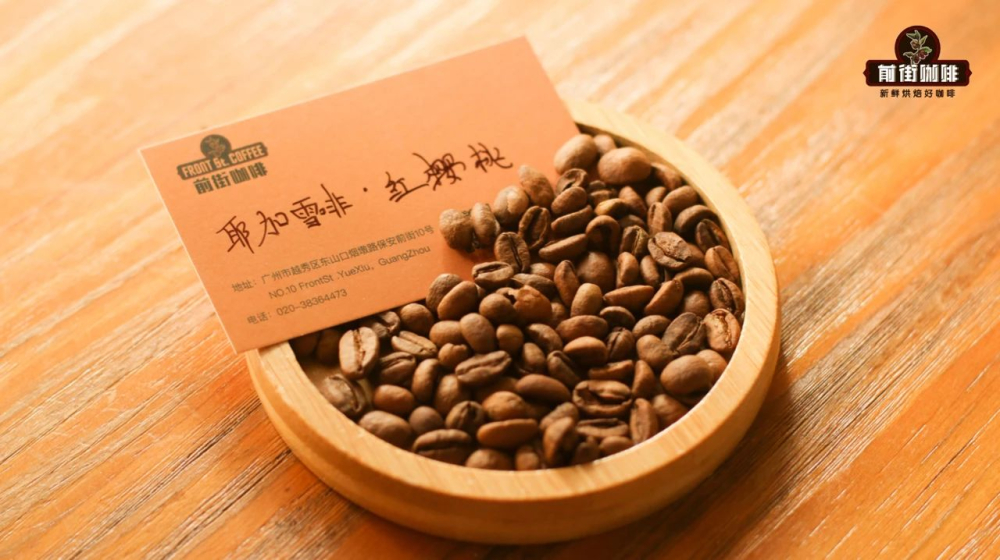
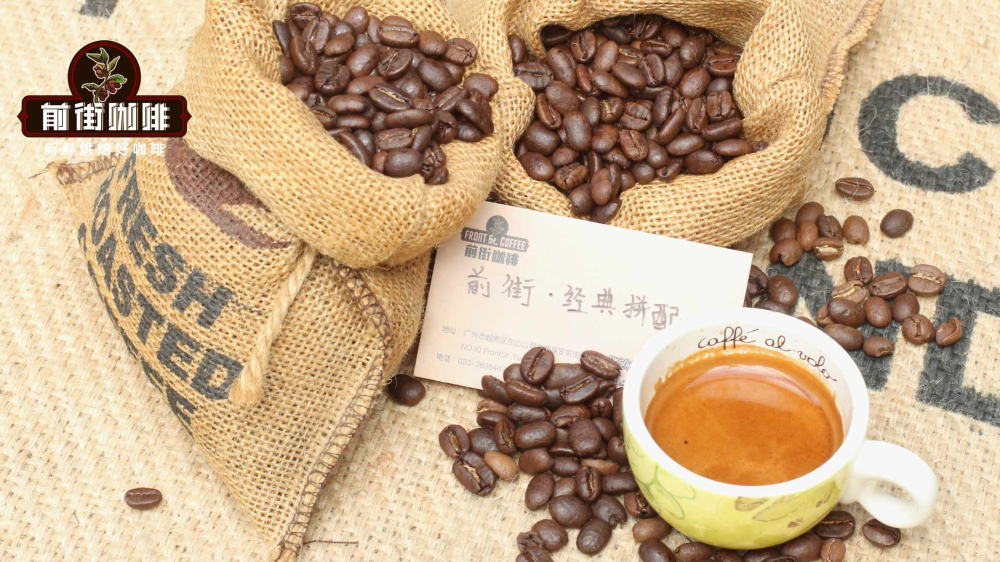
A brand known for its in-house roasting features carefully crafted espresso blends in its cafés. Among them, the “[Commercial Blend]” is designed specifically for cafés, using Colombian washed beans and Brazilian semi-washed Arabica as the base, complemented by a touch of Robusta to deliver aromas of nuts, cocoa, and caramel. Built on the classic combination of Brazilian and Colombian beans, enhanced by Robusta, this blend offers complex nutty notes like toasted bread, almonds, and walnuts, with rich and smooth crema, low acidity, and a full-bodied mouthfeel.
For consumers who prefer sweeter profiles, the brand also offers a “Strawberry Candy Espresso” blend, composed of three single-origin beans from different regions. It features prominent rose floral notes and, in Americano or latte form, showcases sweet flavors reminiscent of grapes, dried blueberries, sweet orange, and fruit candy—unique and highly appealing.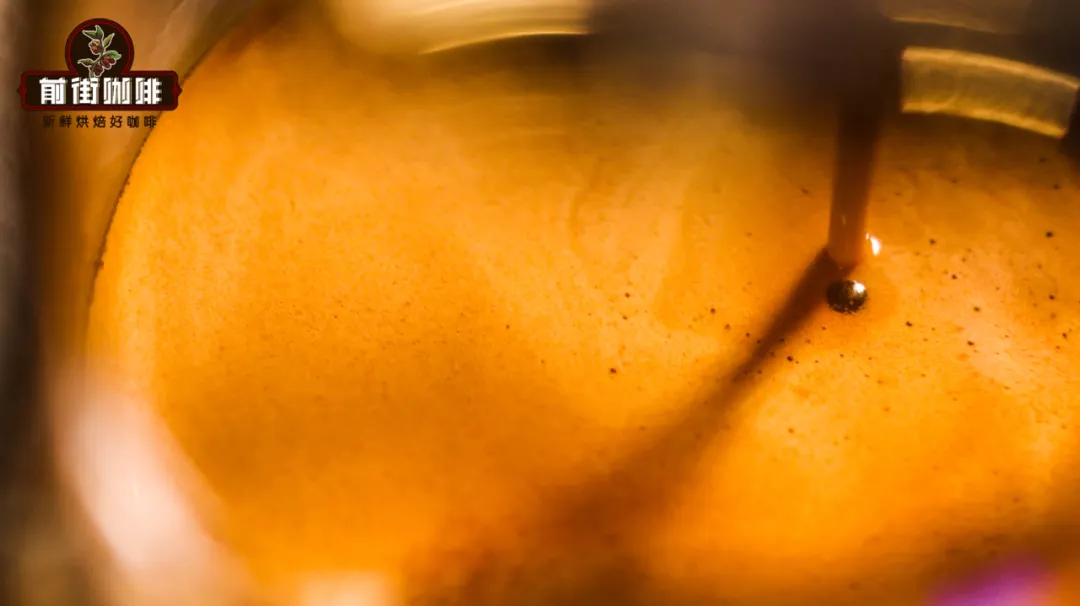
Regarding the use of blend beans, the brand recommends keeping the number of bean varieties to a minimum, generally no more than five, to avoid overly mixed flavors that can compromise overall performance. Whether it’s SOE or espresso blends, adjusting extraction parameters is key. The concentration and brew time of espresso must be precisely controlled, as even slight deviations can noticeably impact flavor.
The brand typically uses a coffee-to-water ratio of 1:1.5 to 1:2.5 when making espresso, with 1:2 being the most common—for example, 20 grams of coffee grounds yielding 40 grams of espresso. If the ratio is too low, the coffee may taste overly strong and bitter; if too high, it might result in a weak or overly sour cup. Additionally, the extraction time is recommended to be kept between 20 and 35 seconds—too short may lead to under-extraction, while too long can cause over-extraction.
Monitoring flow rate is also a crucial technique: if coffee begins dripping about five seconds after pressing the extraction button and maintains a steady flow afterward, it usually indicates that the grind size and pressure settings are appropriate. If the flow is too fast or too slow, adjusting the coarseness of the coffee grounds may be necessary to achieve optimal extraction.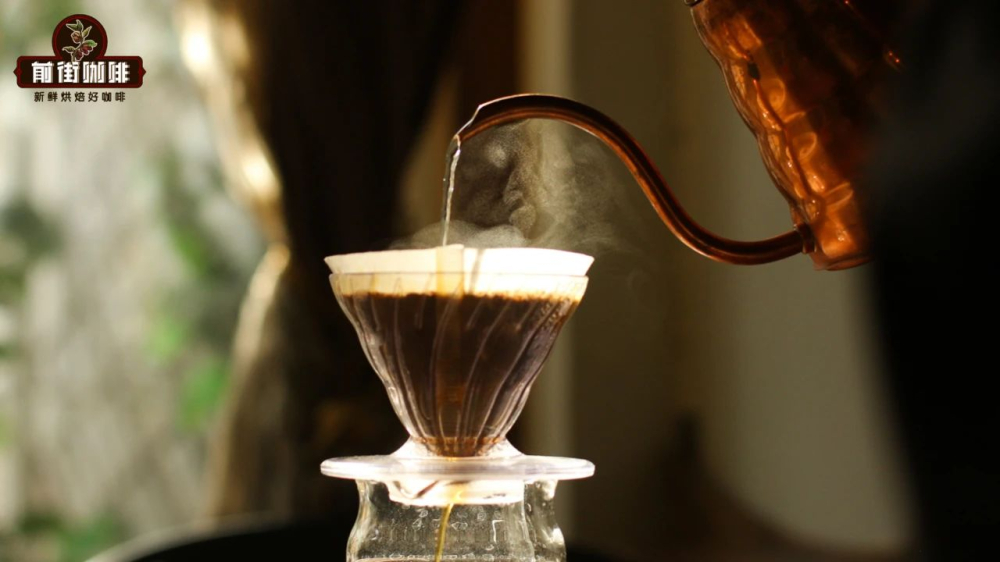
The above content is compiled by CoffeeHunters, a coffee news website.


