







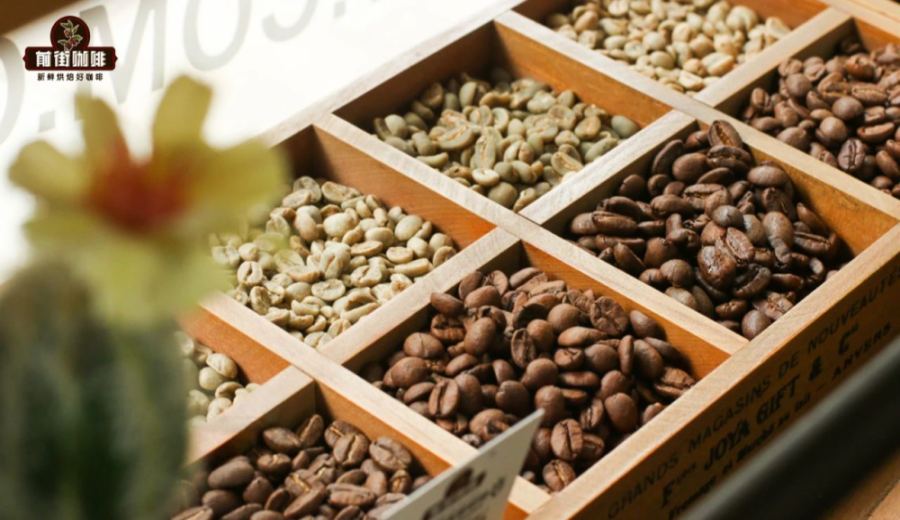
Introduction:Papua New Guinea coffee has gained recent fame for its washed Arabica beans, often referred to as the "Little Blue Mountain." Its bright acidity and well-balanced body have won the hearts of coffee enthusiasts. This article delves into the strengths of the country’s coffee-growing regions, explores the characteristics of its flagship Typica variety, and explains the classic washed processing method. It also highlights how Sigri Estate achieves high-quality AA-grade beans through meticulous post-harvest practices, and provides practical roasting and pour over parameters to help you fully experience the unique charm of this fine Oceanian coffee.
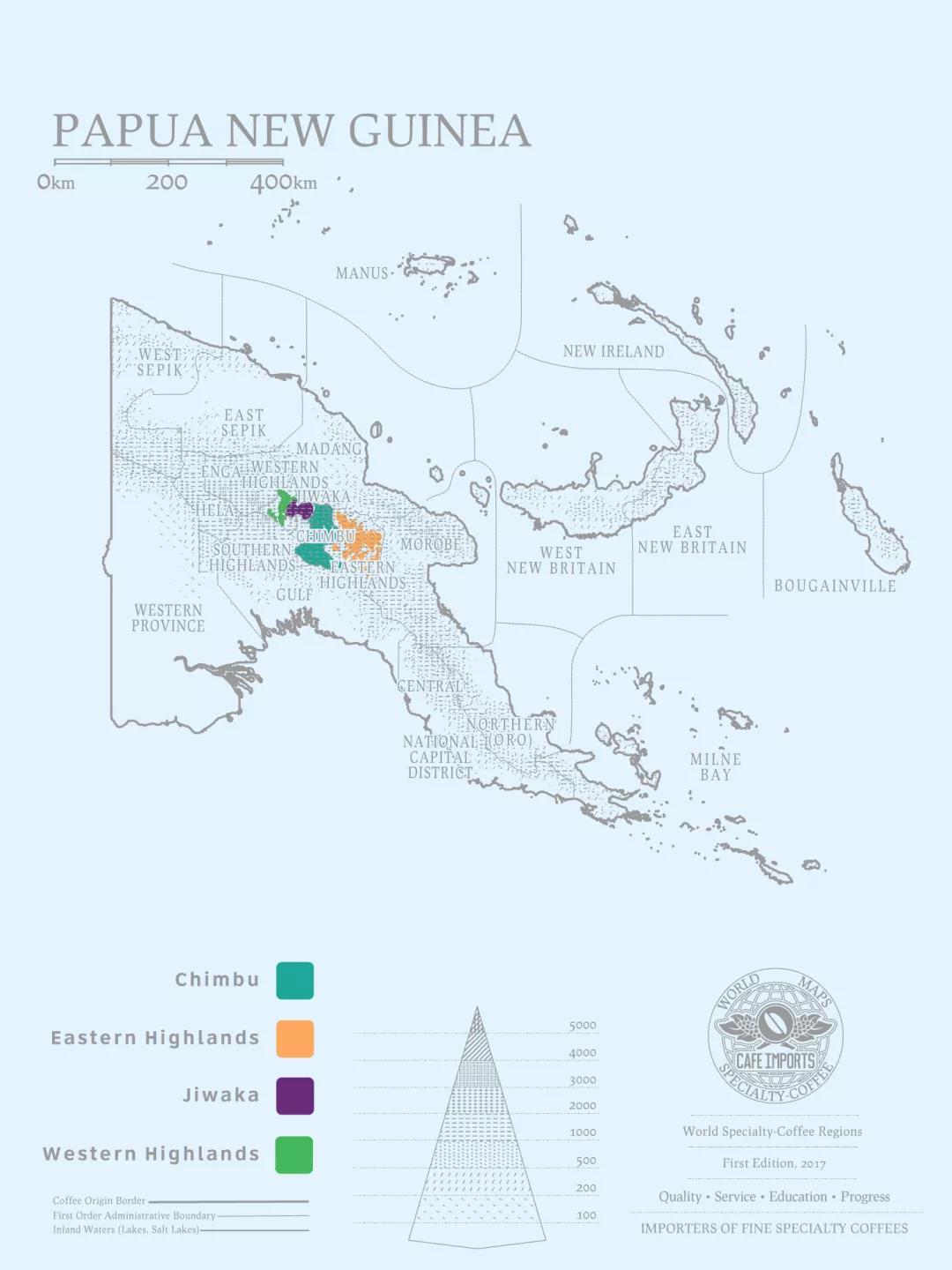
In recent years, Papua New Guinea coffee has solidified its place among the world’s specialty coffees with its refined washed Arabica beans, even earning the nickname "Little Blue Mountain" due to its flavors reminiscent of Blue Mountain. This island nation in the southwest Pacific, despite sharing the same large island with Indonesia, boasts a distinctly different coffee terroir. With its typical island climate—hot and humid year-round—with lowland temperatures averaging around 24°C and rapidly dropping as altitude increases, especially within the 1300 to 2500-meter cultivation zone where day-night temperature variation is pronounced, the conditions are ideal for the accumulation of coffee flavor compounds.
Geography Lays the Foundation for Coffee Flavor
Comprising the eastern half of the island of New Guinea, Papua New Guinea shares the same landmass with Indonesia but features a completely different coffee-growing environment. The country has a typical island climate—hot and humid all year round—with average lowland temperatures around 24°C, and temperatures dropping rapidly with altitude. Especially within the 1300 to 2500-meter growing belt, the notable day-night temperature variation aids in the accumulation of coffee flavor compounds.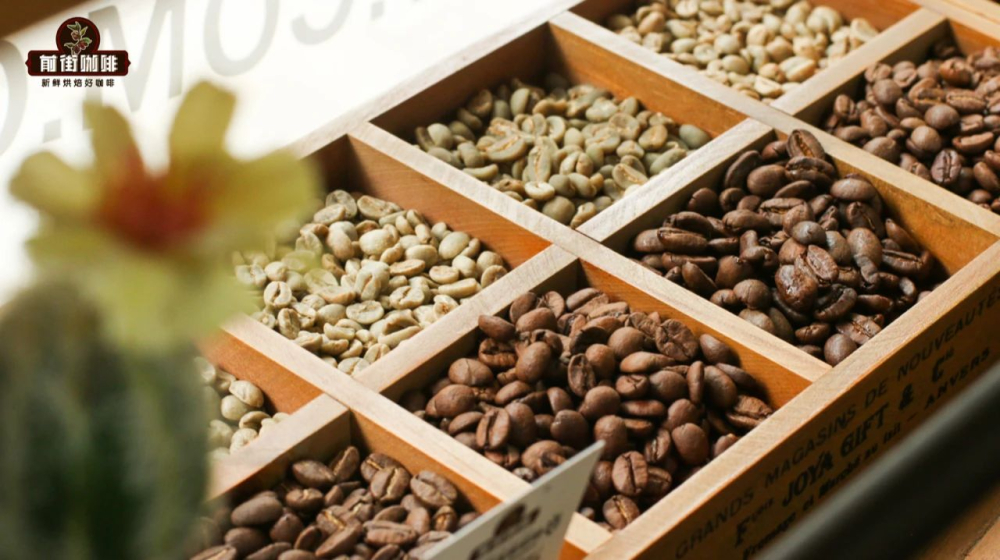
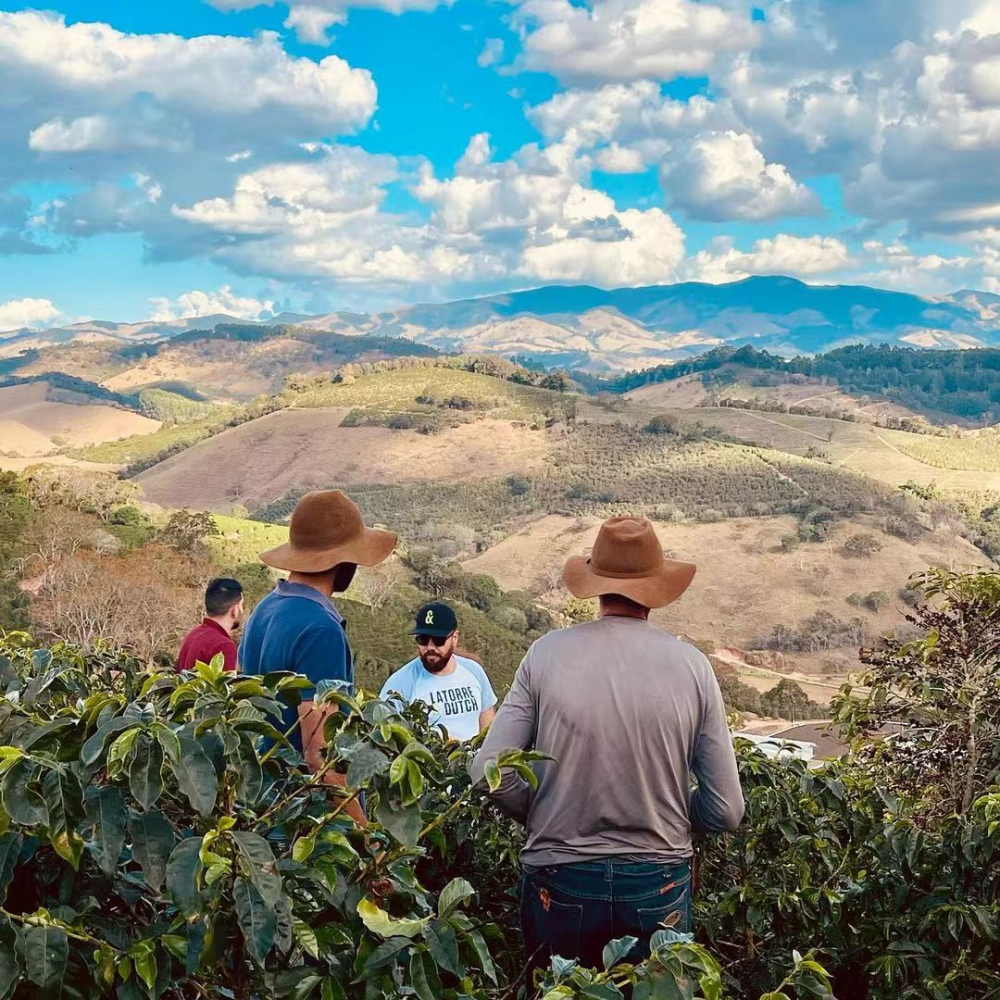
The land is home to tropical rainforests, volcanic rock, and highland terrain, and local coffee is mainly grown at elevations above 1300 meters. Organic and shaded farming methods are widely used, resulting in coffee that is rich and full-bodied, with pronounced fruity aromas, as well as nutty and floral notes. This stands in sharp contrast to the earthy, spicy profiles typical of Indonesian Sumatra coffee.
Smallholder System and Cooperative Model
Although Papua New Guinea’s coffee output is not massive, about 85% comes from smallholder garden plots. Most of these producers are part of local cooperatives that share processing facilities and technical support. This model not only preserves coffee diversity but also ensures basic quality standards. Coffee is the country’s second-largest agricultural export, underscoring its economic importance.
Smallholders typically grow coffee in the highlands and employ washed processing, yielding a bright acidity and floral-fruit aroma distinct from Indonesian coffees. Some larger estates have their own washing stations, but some smaller independent farmers produce coffee with even more nuanced flavor profiles due to careful management and individualized processing.
Flagship Variety: Typica and Its Characteristics
Papua New Guinea primarily grows the Typica variety, one of the earliest Arabica types introduced from Yemen. Renowned for its elegant flavor and clean profile, it is relatively susceptible to disease, particularly leaf rust. Typica’s top leaves exhibit a bronze hue, earning it the nickname "red-top coffee." Its beans are relatively slender and pointed, differing from the more common round-shaped Bourbon variety.
Coffees of this variety typically display a high level of cleanliness and balance, with delicate acidity and often subtle sweet fruit notes paired with a soft overall tone. It is considered a classic flavor profile beloved by many specialty coffee aficionados.
Sigri Estate: A Model of Premium Washed Typica
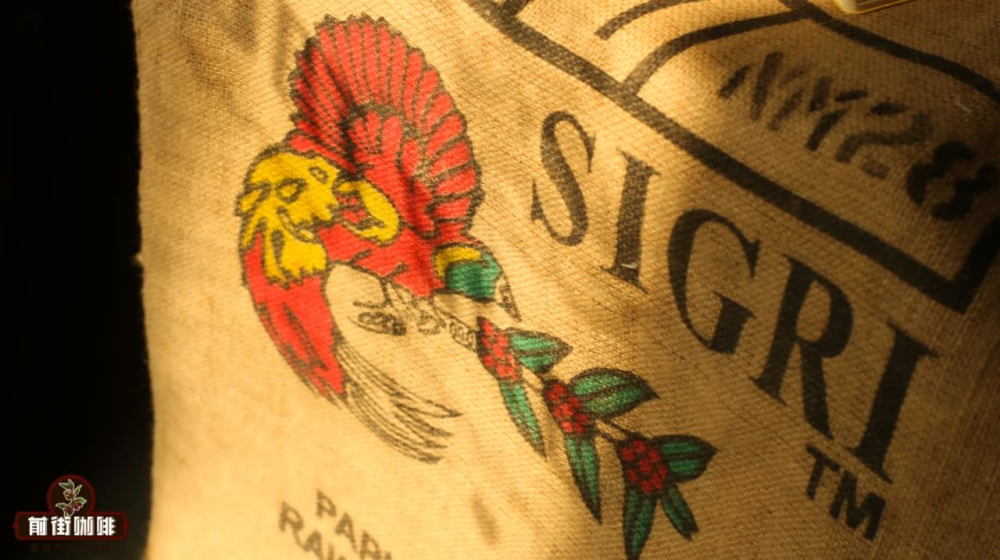
At Sigri Estate, you’ll find some of the most representative washed Typica beans in Papua New Guinea. Named for being home to up to 90 bird species, including the country’s national bird, the bird of paradise, the estate lies in a pristine and biodiverse environment. It is operated under WR CARPENTER COMPANY-PNG, the largest coffee and tea exporter in Papua New Guinea, which annually exports up to 1.6 million kilograms of washed Arabica beans.
Sigri Estate practices full organic cultivation, insists on handpicking only fully ripe coffee cherries, and processes them on the same day of harvest. The process uses natural spring water for fermentation and sun drying, with strict control at every step to ensure the purity and consistency of the final beans. After hulling, the beans undergo careful grading to meet AA-grade export standards.
Key Steps in the Washed Processing Method
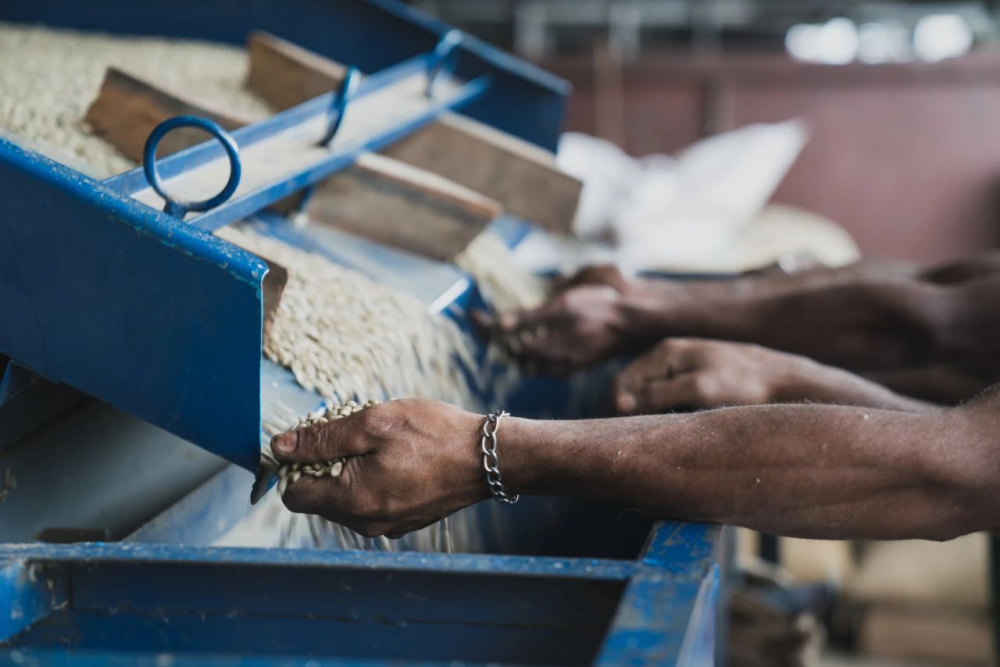
Washed processing in Papua New Guinea differs slightly from that in Central and South America, notably through the use of “triple-wash fermentation,” each cycle lasting about 24 hours with fresh water changes to effectively reduce impurities and over-fermented flavors. After processing, the beans are depulped, graded (such as AA, AB, peaberry PB, etc.), ensuring each batch meets high standards.
This refined technique imparts brighter fruit acidity, delicate sweetness, and a clean aftertaste, allowing drinkers to fully appreciate the layered complexity and balance unique to Papua New Guinean coffee.
Roasting Insights and Parameter Suggestions from a Brand
When selecting Papua New Guinea coffee, the washed Typica from Sigri Estate stands out for its rich fruitiness, grapefruit acidity, and tea-like mid-palate, making it a favorite among many roasters. A medium-dark roast is recommended to enhance cocoa notes and body while preserving moderate acidity and aroma.
For actual roasting, consider the following parameters:Charge at 170°C, with fan speed at 3, heat at 140°C, and turning point at 1’36”; by 6’25”, the bean surface turns yellow, temperature reaches 151°C, and dehydration is complete; first crack starts at 10’08”, with a development time of about 3 minutes, and drop temperature at 198.5°C.This roast curve helps highlight its fruity character and balanced sweetness.
Cupping and Pour Over Practical Reference
In cupping (recommended within 8–24 hours post-roast, using a 200ml ceramic bowl, 1:18.18 coffee-to-water ratio, 94°C water, 20号 sieve with 70–75% extraction), this bean exhibitsdry aroma of caramel and citrus, wet aroma with herbal notes, and flavors of nuts, cocoa, cream, and caramel, with soft and layered acidity.。
For pour over, it is recommended to use a Kono filter, with 15g of coffee, a 1:15 coffee-to-water ratio, 89°C water, and medium-coarse grind (20号 sieve with 75% extraction). Use a three-stage extraction method: 30g bloom for 30 seconds, then pour to 125g for the first pour, and finally to 225g. Total extraction time is about 2 minutes. This approach highlights the coffee’s sweetness, spicy finish, and bright acidity, delivering clear flavor layers and a long-lasting aftertaste.
The above content is compiled by CoffeeHunters, a coffee news website.


