







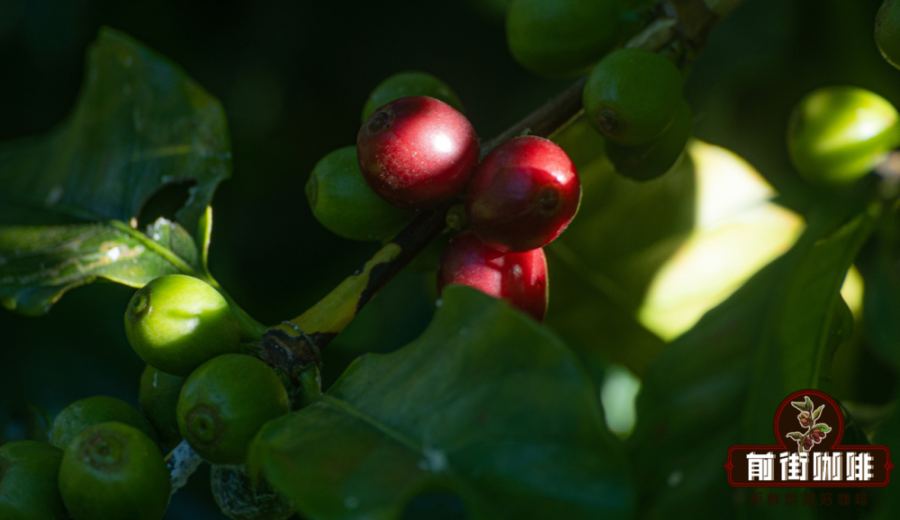
Introduction:Want to learn about the regional background and variety differences of Yunnan small-grain coffee? This article starts with its historical origins, analyzes the flavor profiles of Lincang Typica and Baoshan Catimor, and provides practical V60 pour over parameters to help you choose Yunnan coffee beans that suit your taste.
Yunnan small-grain coffee belongs to the Arabica species within the Rubiaceae family of the coffee genus, primarily cultivated in regions such as Lincang, Baoshan, Pu’er, Dehong, Nujiang, and Xishuangbanna. As early as 1892, a French missionary introduced the first coffee plant to China and successfully trial-planted it in Binchuan County. Due to its relatively small fruit size, it was called "small-grain coffee," and subsequent genetic identification confirmed the variety to be Typica. Some of these coffee trees still remain in Binchuan today, serving as an important testament to the history of Yunnan coffee.
In the beginning, the scale of coffee cultivation in Yunnan was limited. It wasn’t until the period when China needed to repay foreign debts that the government actively promoted the expansion of coffee planting, gradually making coffee cultivation more widespread. However, after the debt repayment was completed, domestic demand for coffee declined, and many farmers turned to growing other crops. Nevertheless, because Yunnan is located between the Tropic of Cancer and the Tropic of Capricorn, it boasts a suitable climate, altitude, and fertile soil, earning it the reputation of the “coffee golden growing belt,” which attracted the attention of international brands such as Nestlé.
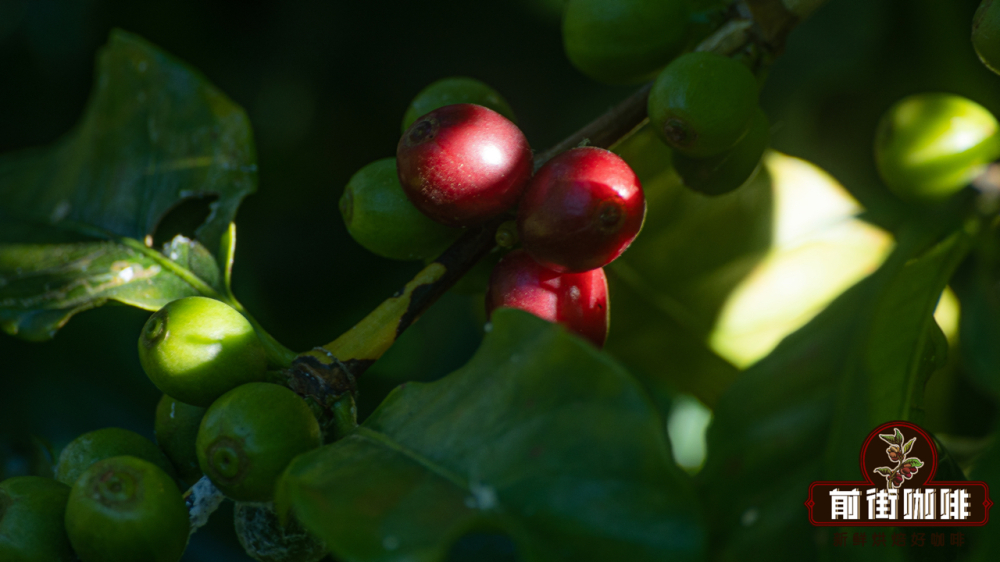
After Nestlé entered, it promoted the Catimor variety, which is resistant to pests and diseases and offers stable yields, leading Yunnan coffee to be primarily used as raw material for instant coffee for a long time. This left many people with the impression that Yunnan beans were only suitable for commercial-grade use. But in recent years, with the rise of the specialty coffee trend, Yunnan’s cultivation and post-harvest processing techniques have continuously improved, and the coffee beans produced have gradually gained recognition in both domestic and international markets, becoming a promising specialty coffee producing region.
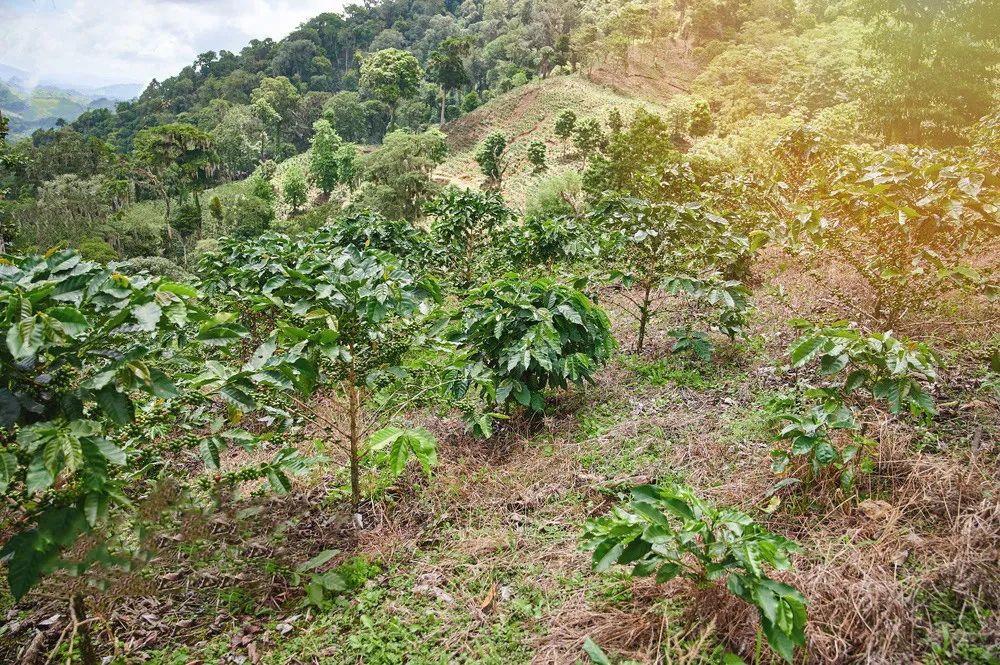
Among the Yunnan small-grain coffee currently available on the market, two representative varieties are commonly seen: one is Catimor planted at an altitude of about 1,200 meters in Baoshan’s Luxi Dam, and the other is Typica planted at an altitude of 1,300 meters in Lincang. Although both types of coffee beans belong to Arabica, they exhibit distinctly different flavor profiles due to varietal and microclimate differences.
Baoshan Catimor usually features a pronounced plum-like acidity, with bright fruity aromas, making it suitable for drinkers who prefer a refreshing acidic profile. On the other hand, Lincang Typica showcases a cleaner mouthfeel and a natural sweetness, with a more rounded flavor. When moderately roasted (usually medium roast), both can express the unique flavor combination of the Yunnan region: plum, nuts, caramel, and a subtle tea-like note, with balanced acidity and bitterness, rich aroma, and distinct layers.
If brewing via pour over, it is recommended to use a Hario V60 dripper with the following parameters to fully bring out its regional characteristics: 15 grams of coffee grounds, water temperature around 90°C, medium-fine grind (about 80% extraction through a standard Chinese No. 20 sieve), a 1:15 coffee-to-water ratio, and using the pulse pouring method. The V60’s filter design features ribs that curve up and down with varying lengths, helping ensure smooth airflow and stable flow rate, thereby enhancing the expression of flavor layers.
Specific brewing suggestions are as follows: start by pouring 30 grams of hot water for a 30-second bloom, then pour in a small circular motion from the center outward until reaching 125 grams for the first pour. Once the water level drops to just about to expose the coffee bed, continue pouring to 225 grams, then stop. Remove the dripper when the water level has nearly drained and is about to expose the coffee grounds again. The total brew time is recommended to be around 2 minutes, with minor adjustments based on actual conditions.
In terms of actual tasting, Lincang Typica emits faint notes of caramel and nuts in the dry aroma. Upon tasting, the dominant note resembles plum, accompanied by a brown sugar-like sweetness and delicate fruity acidity. The aftertaste presents a soft black tea-like sensation, with clear flavor layers, a refreshing and clean mouthfeel. Meanwhile, Baoshan Luxi Dam’s Catimor carries subtle fermented and roasted nut aromas in the dry scent. During sipping, the plum acidity stands out, paired with the sweet notes of roasted nuts and caramel. The aftertaste exhibits a fermented tea-like finish, with a full-bodied and layered mouthfeel.
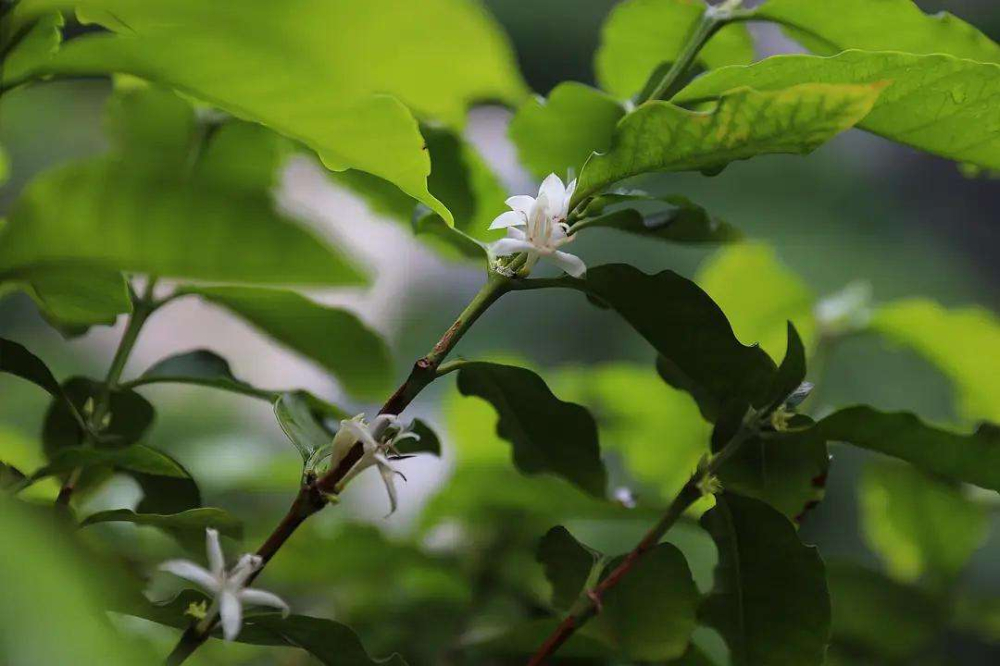
Whether you’re a beginner pour over enthusiast or a coffee lover seeking new regional flavors, Yunnan small-grain coffee is definitely worth trying. By understanding the regional background, varietal characteristics, and suitable brewing methods, you’ll be able to more deeply appreciate the unique coffee flavors nurtured by this land.
The above content is compiled by CoffeeHunters, a coffee news website.


