







Introduction:Have you ever been puzzled by the differences between espresso and Americano? This article delves into the core distinctions between the two, from the evolution of the historic espresso machine and key extraction parameters such as dose, water temperature, and pressure, to the flavor profile of a classic blend from a certain coffee shop. It helps you master bean selection and extraction techniques, and even understand how to turn an espresso into a smooth Americano. Whether you're a coffee beginner or looking to refine your extraction skills, you'll find practical guidance here.
In recent years, specialty coffee culture has continued to thrive around the world. Walk into any café, and espresso is almost always the star of the show. Yet, amid the diverse coffee menu options, you’ll often see the “Americano” listed—prompting many beginners to wonder: what exactly is the difference between espresso and Americano? This article will guide you step-by-step through their differences and characteristics, covering historical background, extraction principles, key parameters, and the practical application of blends.
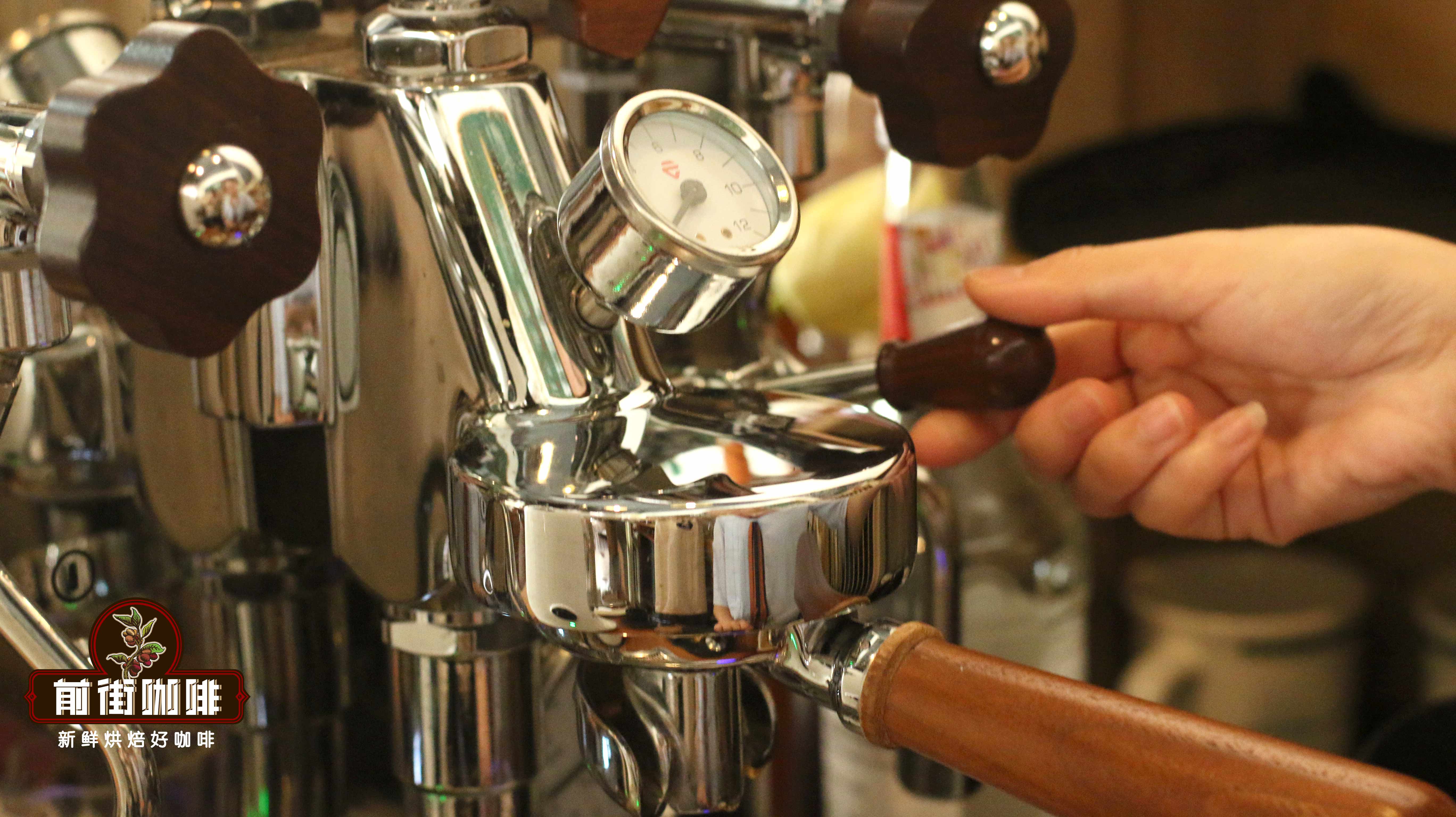
In modern cafés, you’ll almost always find a large, sturdy piece of equipment—the semi-automatic espresso machine—which is the soul behind all kinds of espresso-based drinks. Whether it’s espresso, cappuccino, or latte, the process starts with extracting espresso from this machine. To understand the essence of espresso, you first need to grasp how this machine works and how it influences the final flavor.
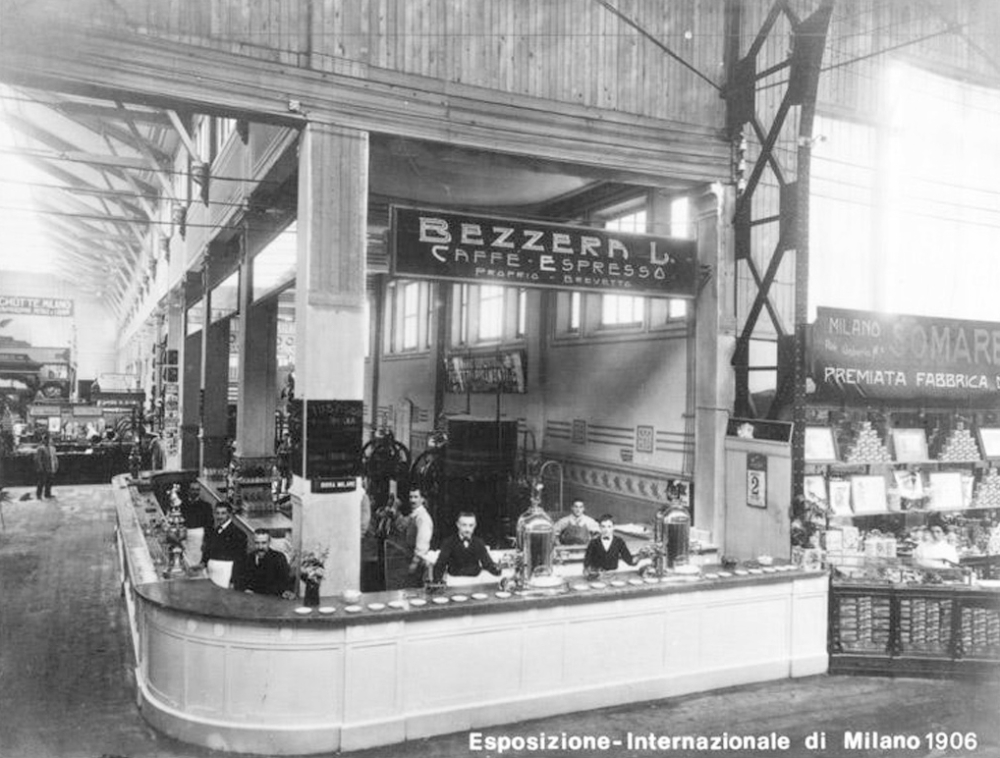
The history of the espresso machine dates back to 1884, when Angelo Moriondo of Turin, Italy, filed the first patent for an espresso machine. This machine was vastly different from modern models, featuring multiple spouts designed to serve multiple customers quickly. As technology evolved, in 1901 Luigi Bezzera of Milan improved the machine’s structure with the addition of a boiler and multi-spout design, boosting serving efficiency.
By 1903, Desiderio Pavoni acquired the relevant patents and founded the La Pavoni company in 1905, ushering in the era of commercial mass production. However, early machines were still imperfect—for example, high brew head temperatures but insufficient pressure led to light-flavored extractions that resembled drip coffee. The real turning point came in 1961, when Faema launched the revolutionary Faema E61, the world’s first semi-automatic espresso machine. It allowed baristas to manually adjust pressure and time, laying the foundation for modern espresso.
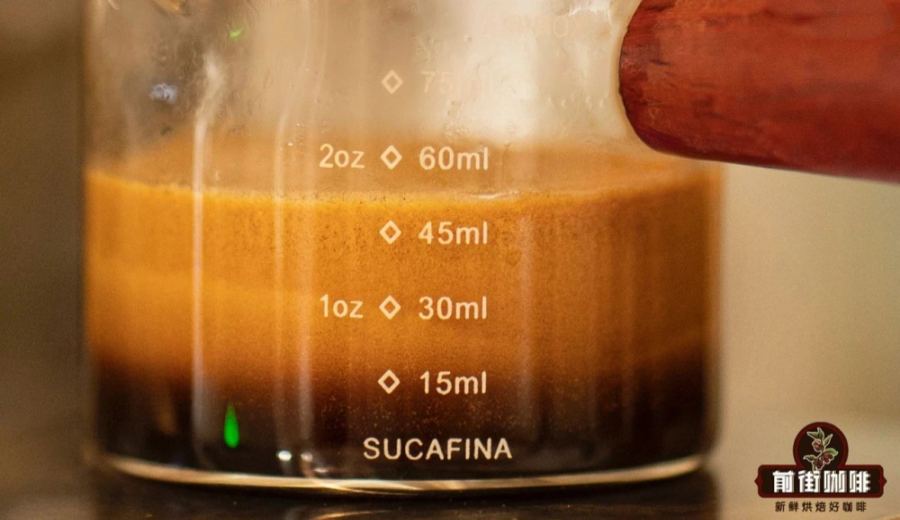
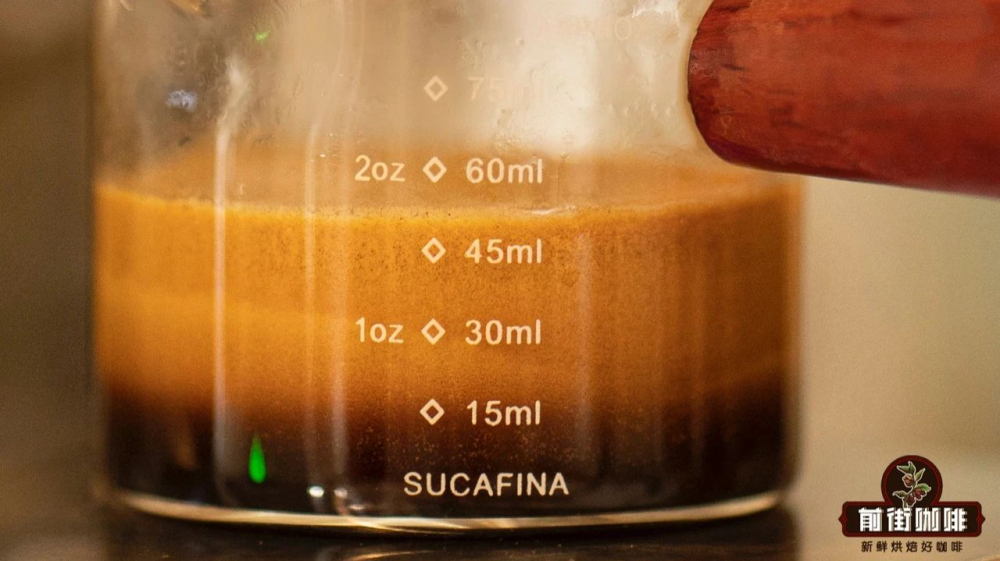
With the rise of semi-automatic machines, the espresso extraction process remains largely the same—dosing, distributing, tamping, and extracting—but the technical details and parameter settings have evolved significantly. The current international standard extraction parameters typically include: about 7 grams of coffee, water temperature around 92°C, pressure maintained at 9Bar, extraction time between 20 to 30 seconds, yielding 20 to 30 milliliters of espresso.
However, in practice, these values may be adjusted based on various conditions. For example,Doseshould be determined by the size of the portafilter basket—choosing a moderate capacity is recommended, as sizes that are too large or too small can affect extraction uniformity. Meanwhile,Brew Ratio(i.e., the ratio of coffee grounds to extracted liquid) usually falls between 1:1.5 and 1:2.5, with 1:2 being the most common. If the ratio is too low, the coffee may become overly intense with noticeable bitterness; if too high, it may taste weak and lack complexity, or even develop unpleasant acidity.
Extraction Timeis influenced by both grind size and brew ratio. A finer grind increases water resistance, extending extraction time but risking over-extraction; a coarser grind may lead to under-extraction. As forPressure, it is generally maintained at around 9Bar, which helps form an ideal crema layer. Too little pressure results in thin crema, while too much can damage the coffee's cellular structure, causing over-extraction. RegardingWater Temperature, it is advised to keep it between 90 to 94°C. Temperatures that are too high can extract excessive bitter compounds, whereas too low may result in incomplete extraction and sharp acidity.
Based on practical experience, a certain coffee shop’s standard extraction settings are: using 20 grams of coffee, a water temperature of around 92°C, an extraction time of 26 to 28 seconds, yielding 35 grams of espresso. These parameters can serve as a reference benchmark for both amateur and professional baristas.
As for coffee bean selection, it is even more crucial to flavor performance. A certain coffee shop’s espresso blend, under the aforementioned standard parameters, showcases distinct layers of fruit acidity, gentle berry aromas, followed by emerging notes of wine and chocolate, with a sweet and lingering aftertaste. This popular "Sunflower Warm Sun Blend" is composed of 70% Honduran Sherry and 30% Ethiopian Natural Red Cherry, with the two complementing each other to create rich layers and balanced taste.
Some coffee enthusiasts might want to try blending their own, but it’s important to note that espresso blends differ significantly in roast profiles and intended flavors compared to pour over beans. It’s generally better to opt for professionally blended options. Among the various espresso blends offered by a certain coffee shop, besides the Warm Sun Blend, there are also Premium Blend, Dark Cocoa Blend, and Commercial Blend.
Among them,Premium Blendconsists of 70% Brazilian beans and 30% Colombian beans, offering a balanced flavor with soft fruit acidity and a nutty aftertaste;Dark Cocoa Blendis a mix of 60% Brazilian and 40% Yunnan beans, delivering flavors of cream, nuts, and chocolate, making it ideal for those who prefer a bold taste;Commercial Blendcontains 60% Brazilian, 30% Colombian, and 10% Robusta, with rich crema, a full body, caramel sweetness, and combined nut and cocoa aromas. It offers balanced acidity and sweetness with a long finish, making it a popular choice for many shops for consistent output.
Finally, let’s talk about the difference between espresso and Americano. The Americano commonly found on the market is typically made by diluting espresso with water at a certain ratio. For instance, a certain coffee shop often extracts 40 grams of espresso from 20 grams of coffee, then adds 240 grams of water at a 1:6 ratio to produce a smooth and well-balanced Americano. This method preserves the aromatic core of the espresso while reducing its intensity, making it more suitable for everyday casual drinking.
The above content is compiled by CoffeeHunters, a coffee news website.


