







Introduction:Indonesian Golden Mandheling is renowned for its full body, low acidity, and rich aroma, making it a classic favorite among many coffee enthusiasts. This article delves into the characteristics of its growing regions, the wet-hulling processing method, and provides detailed pour over recommendations — including water temperature, grind size, brew ratio, and pouring techniques — to help you fully highlight its layered profile of nuts, spices, chocolate, and caramel.
Mandheling coffee has long been a representative of premium Indonesian coffee, beloved worldwide for its low acidity, full body, and intense flavors. Among them, Golden Mandheling is a classic embodiment of these flavor traits, originating from two renowned regions: Lake Toba in North Sumatra and Lake Tawar in Aceh’s Gayo Highlands, each showcasing distinct regional characteristics.
As an important coffee-producing region in Indonesia, Sumatra’s coffee cultivation history dates back to the late 17th century. At that time, the Dutch introduced coffee trees to Java, which were later expanded to Sumatra. The Lake Toba area became the birthplace of the early Mandheling flavor profile. Located in North Sumatra Province at an altitude of about 900 meters, the surrounding mountainous regions grow Typica or its variants, forming the foundational taste profile unique to Mandheling.
Another noteworthy region is Lake Tawar in the far north of Sumatra, situated in the Gayo Highlands of Aceh Province. Compared to Lake Toba, Lake Tawar is smaller in size, but the coffee produced there — especially the Gayo coffee primarily of the Ateng variety — has seen significant improvements in quality and market performance in recent years, even showing signs of surpassing Lake Toba.
The origin of the name “Mandheling” actually stems from a misunderstanding. During World War II, Japanese soldiers tasted high-quality coffee in Indonesia and hoped to source it again upon returning home. However, due to commercial confidentiality, the source could not be disclosed, so locals casually referred to it as “Mandheling,” the name of an Indonesian ethnic group. The name stuck and has since become synonymous with Sumatran coffee. It’s worth mentioning that so-called “Golden Mandheling” refers specifically to high-quality Mandheling beans sourced from the Lintong or Gayo Highlands and meticulously hand-selected; not all Sumatran coffee can bear this title.
In terms of processing methods, Mandheling predominantly uses Sumatra’s unique “wet-hulling” (aka Giling Basah) process. Due to the region’s rainy climate and limited sunlight, traditional sun-drying and washed methods are not easily implemented. Coupled with economic constraints, this led to the development of this distinctive processing approach. The wet-hulling method involves first removing the coffee bean's outer skin and pulp, followed by brief fermentation and initial drying. Then, part of the parchment layer is removed while the beans still retain some moisture, allowing them to continue drying in that state. This technique enhances the coffee’s low-acid characteristics while accentuating strong herbal, earthy, and spicy notes.
The selection of Golden Mandheling green beans is particularly stringent. Only handpicked, fully ripe coffee cherries are used, undergoing semi-washed processing, natural sun drying, double hulling, multiple cleanings, and four rounds of manual sorting to ensure every bean meets high standards. This processing flow also results in Golden Mandheling having significantly superior aroma and purity compared to regular Lintong Mandheling.
In roasting, Golden Mandheling — due to its relatively high moisture content — requires particular attention to stable control during the drying phase. It is recommended to start with an inlet temperature of about 200°C, with the initial fan setting at 3. Once the bean surface turns yellow and grassy notes fade, gradually adjust the fan speed and heat until the first crack begins, then set the fan to maximum. The roast is typically finished at around 204.5°C to fully develop its sweetness and full-bodied profile.
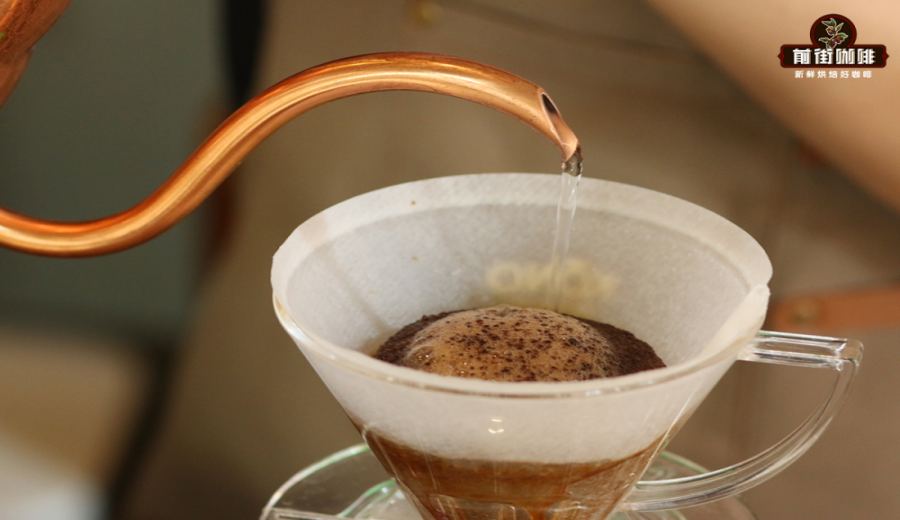
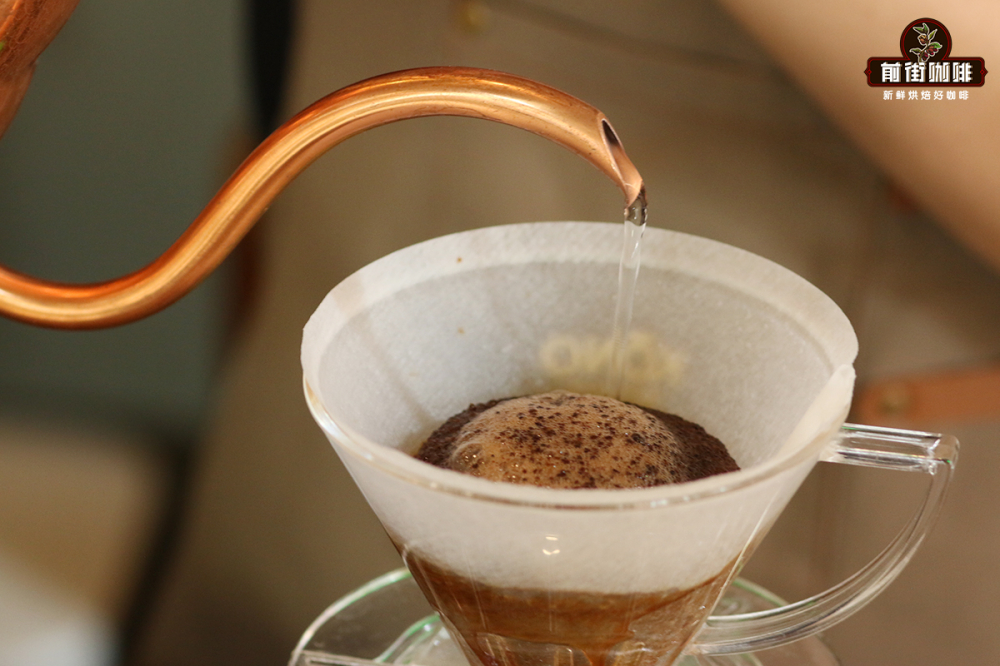
If you want to brew a balanced and layered Golden Mandheling at home, here is a practical and tested pour over recommendation: use a KONO filter, with water temperature controlled at88°C, grind size recommended asmedium-coarse (approximately 70% passing through a #20 sieve), and brew ratio set at1:15. Begin witha 30-second bloom, pouring 30 grams of water, then continue with circular pours up to125 gramsbefore pausing. Once the liquid level drops halfway, continue center-pouring up to225 gramstotal water volume, with total extraction time of approximately2 minutes.
This parameter setup effectively highlights the Golden Mandheling’s flavors of nuts, spices, herbs, licorice, chocolate, and caramel, while maintaining a clean and smooth mouthfeel. Additionally, because medium-dark roasted beans are prone to channeling during brewing, it is recommended to use a slightly coarser stream and control pour speed to avoid over-extraction and bitterness.
In summary, Indonesian Golden Mandheling is not only a flagship of Sumatran coffee but also a classic flavor that global specialty coffee lovers shouldn’t miss. With the right knowledge of its origin, processing traits, and pour over parameters, you too can enjoy this rich and complex coffee experience at home.
The above content is compiled by CoffeeHunters, a coffee news website.


