








Introduction:The French press and moka pot are popular starter brewing tools for many coffee beginners. They are simple to use yet capable of highlighting distinct flavor profiles. The French press excels in immersion brewing, ideal for showcasing the fruitiness and sweetness of coffee, while the moka pot utilizes steam pressure to deliver a rich and bold taste, better suited for medium to dark roasted beans. This article details the historical background, grind size parameters, brewing procedures, precautions, and offers practical bean selection advice to help you find the most suitable brewing method based on your drinking preferences.
Although both the French press and moka pot have low barriers to entry, they differ significantly in brewing principles, suitable coffee types, and final flavor profiles. The former is an immersion brewing device that can fully extract the oils and aromas from coffee, especially well-suited for single-origin beans. The latter, on the other hand, employs rapid extraction via steam pressure, making it ideal for those who prefer a bold flavor. This article will systematically guide you through the usage techniques of these two classic coffee brewing tools—from tool characteristics, bean selection, grind ratio, step-by-step operation, to key precautions.
The French press, known in English as the French Press or French-style press filter, first appeared around 1850 in France. Its structure is quite simple, primarily consisting of a heat-resistant glass carafe and a plunger with a metal mesh filter. Such devices are often seen as "lazy coffee tools," but in reality, their brewing logic is quite similar to professional cupping, preserving a wide range of coffee flavor compounds, including oils and aromas. The resulting brew usually has a smoother, sweeter, and more robust taste—definitely worth trying.
When using a French press, it is recommended to choose single-origin beans or flavor-oriented varieties. For example, beans like Small Tomato, Xi Zha, or Blackberry can exhibit a distinct juice-like character after proper steeping, making them particularly suitable for summer consumption. If you prefer coffee with fermented or fruity wine-like notes, beans such as Strawberry Sugar or Blackberry are also good choices, offering a full-bodied mouthfeel after brewing. In terms of grind size, since the French press directly steeps coffee grounds in hot water, a medium-coarse grind is recommended, roughly between levels 5–6. For reference, here’s a grind chart: Cold drip > Pour over > Siphon 80% > Moka > American drip 75–80% > Cupping 70–75% > French press 65–70%. A starting coffee-to-water ratio of 1:10 is suggested—for example, 20 grams of coffee beans with 200 grams of water—and a steeping time of about 3–4 minutes. Longer brewing times yield more extraction but may increase acidity and strength, so adjust according to personal taste.
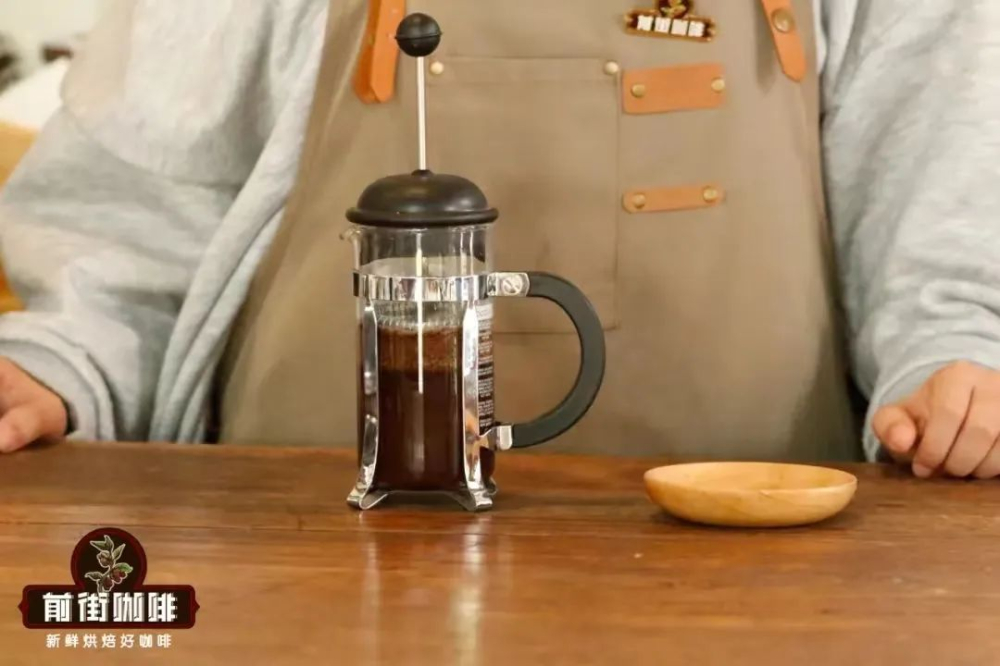
In terms of actual operation, start by grinding the coffee beans to a moderate coarse level. Avoid going too fine, as this could cause the grounds to pass through the filter, resulting in a cloudy brew.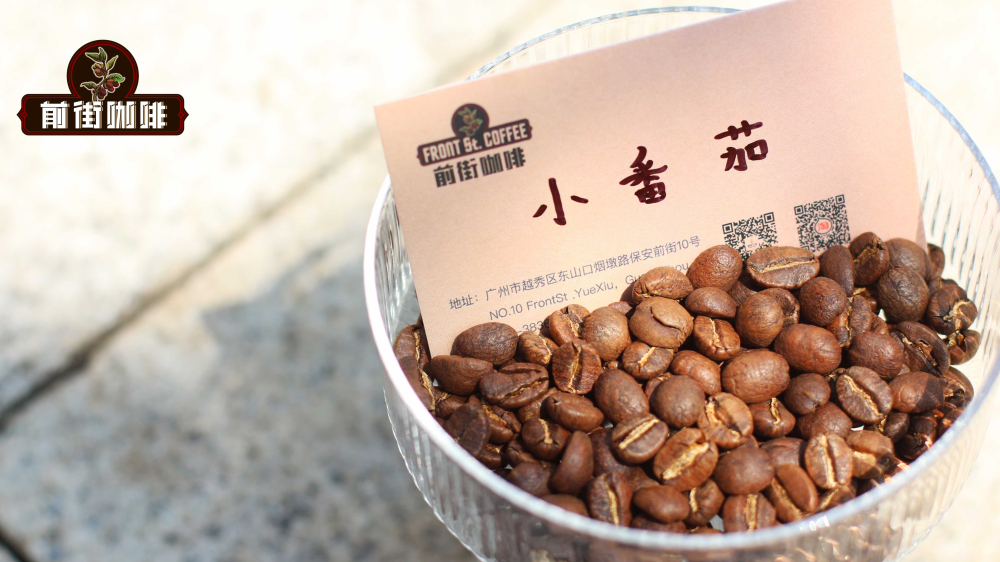 Next, heat the water to approximately 93°C, pour in 200 grams of hot water, and stir well to ensure the coffee grounds are fully saturated. After placing the lid on, keep the filter at the highest position and let it steep for about 4 minutes without pressing down immediately. Once the steeping time is up, gently skim off any foam and fine particles floating on the surface before slowly pressing down the filter. It’s advisable to pour the brewed coffee into a thermal container immediately afterward to avoid over-extraction, which can lead to bitterness. Additionally, using an electronic scale helps achieve more precise control of proportions, aiding in reproducing ideal flavors. Remember to use soft or filtered water, and maintain a steady motion when pressing down the filter to preserve flavor balance. If you want to make coffee with milk, you can also use the French press to froth warm milk for a different flavor experience.
The moka pot, known in English as the Moka Pot, is a classic brewing device that uses steam pressure to extract coffee and is closely associated with Italian coffee culture. Many believe the term “moka” originates from 17th-century Venice, symbolizing a strong coffee flavor. As such, the moka pot is considered a practical tool for making espresso-like coffee at home.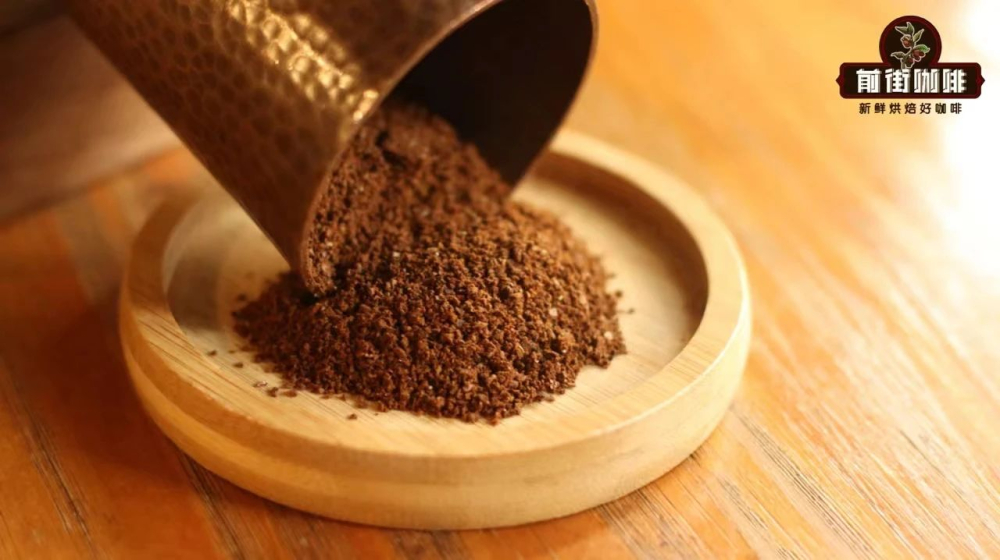 It mainly consists of three parts: the upper chamber, the funnel (or coffee chamber), and the lower chamber. Water is placed in the lower chamber, finely ground coffee is placed in the funnel, and the upper chamber collects the brewed coffee. Its principle involves heating the water in the lower chamber, generating steam pressure that pushes the water through the coffee grounds and into the upper chamber, producing a strong coffee.
If you want the moka pot to produce coffee with rich crema, two key points are crucial: first, selecting freshly roasted medium to dark roasted coffee beans, and second, ensuring sufficient pressure during the brewing process. Deeper-roasted beans typically contain more carbon dioxide, which helps form crema, so it’s advised to avoid using light roasted beans. For beginners, choosing a medium-dark roasted blended coffee is a cost-effective option. Examples include Black Cocoa Blend or Classic Blend, which come with natural caramelized aromas and can produce rich, crema-covered coffee.
When actually using a moka pot, it is recommended to first pour purified water into the lower chamber, keeping the water level about 0.5 cm below the safety valve.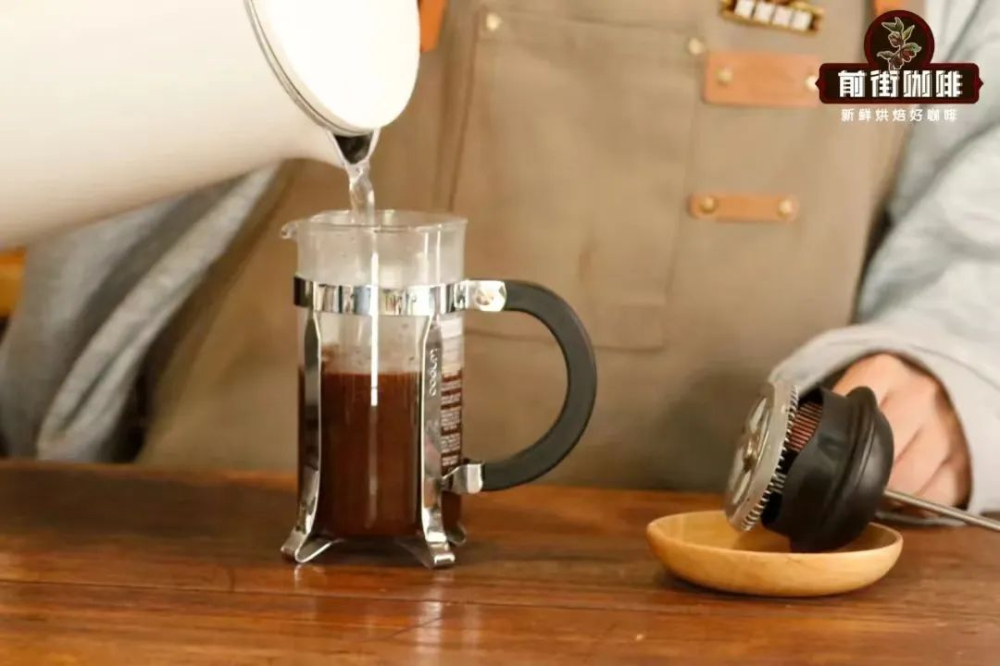 The grind size of the coffee should be slightly coarser than that used for espresso but not too coarse to avoid compromising extraction efficiency. You can refer to the gap size of the funnel’s mesh to ensure the coffee doesn’t fall into the lower chamber. After adding the coffee grounds to the funnel, gently tamp them down to form a small mound, which helps with even extraction. Then place the funnel into the lower chamber, securely tighten both chambers, and place the moka pot on an electric stove at high heat.
 When you hear a distinct “wuu wuu” sound, it indicates that pressure is gradually building up. At this point, switch to low heat and open the upper chamber’s lid to observe. Once about half of the coffee has flowed out, you can turn off the heat and let the remaining coffee be pushed up into the upper chamber by residual heat.
 Finally, pour the brewed coffee into a cup and enjoy. Moka pot coffee is usually strong and may have crema. You can also adjust the flavor to your liking by adding water or milk.
The above content is compiled by CoffeeHunters, a coffee news website.


