








Introduction:As Ethiopia’s most iconic high-altitude coffee region, Yirgacheffe is renowned for its distinctive floral and citrus notes. This article delves into the origins of the name Yirgacheffe, its geographical background, and provides a detailed comparison of the flavor profiles between washed and natural processing methods. It also offers professional-grade pour over parameters and steps to help coffee enthusiasts easily extract bright acidity and delicate sweetness.
Yirgacheffe (Yirgacheffe) is a dream origin for many coffee lovers. This small town located on the eastern edge of the East African Rift Valley sits on a plateau at an altitude of 1,800 to 2,000 meters, with a cool and humid climate that provides an ideal growing environment for coffee trees. The coffee produced here generally features fresh floral aromas, bright citrus tones, and a silky-smooth mouthfeel, making it one of the benchmarks in the global specialty coffee market.
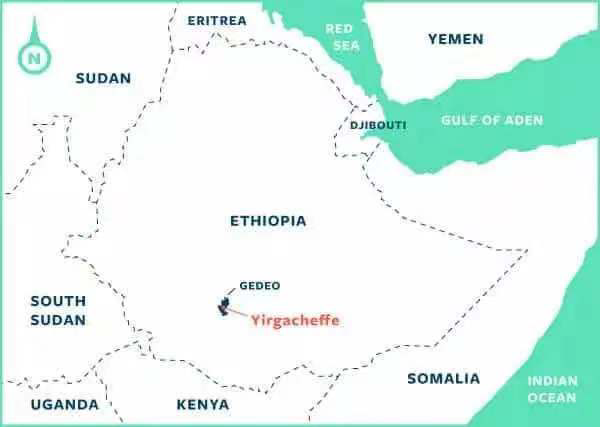
Yirgacheffe is not just a single origin but also includes surrounding small regions such as Wenago, Kochere, and Gelena Abaya. Due to similar geographical conditions, the coffee from these areas also exhibits comparable flavor profiles, and thus they are often grouped together under the broader Yirgacheffe region. The area is adjacent to Lake Abaya, and the wetland environment along with abundant water resources has allowed washed processing to flourish, becoming one of the main processing methods locally.
The name “Yirgacheffe” actually embodies the wisdom of the local people. “Yirga” means “to settle,” and “Cheffe” stands for “wetland.” Together, the name conveys the meaning of “let us settle in this wetland.” This name not only reflects the geographical environment but also tells the deep connection between the people and the land.
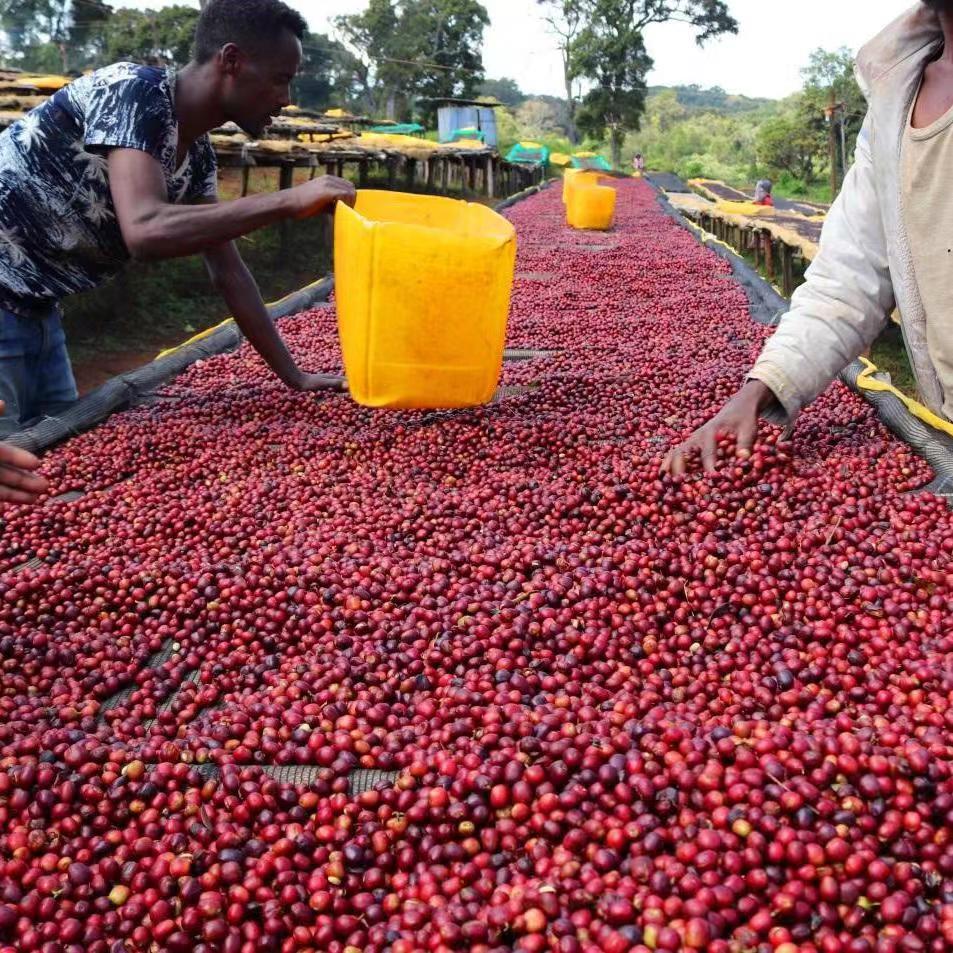
In terms of processing methods, Yirgacheffe coffee beans can be divided into two main categories: washed and natural. The flavor profiles of the two differ significantly. Washed processing involves removing the pulp and mucilage, followed by fermentation and washing, ultimately resulting in a clean and bright acidity. Common flavors include citrus, lemon, green tea, and white flowers. On the other hand, natural processing retains the pulp and mucilage for extended fermentation, making the coffee sweeter and imparting complex layers such as berries, strawberries, and fermentation wine-like aromas.
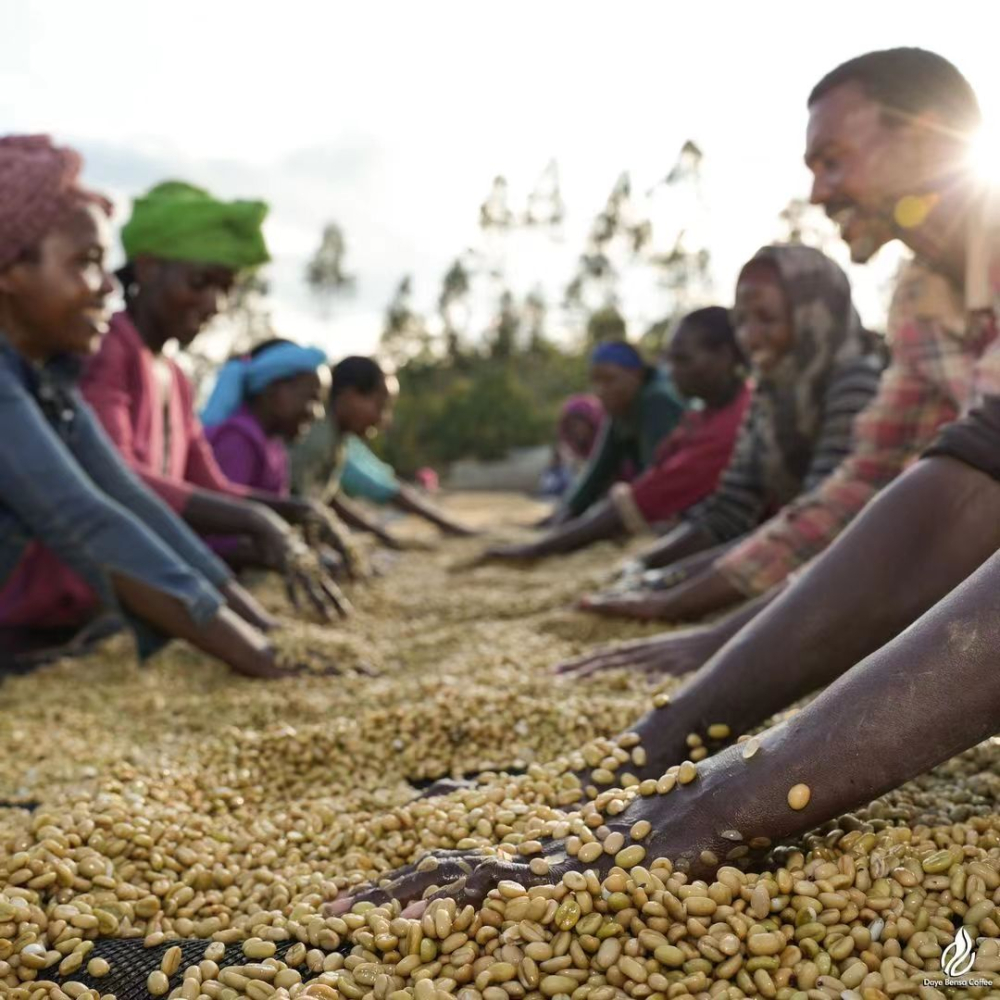
First, let’s introduce the washed processing flow: after harvesting the coffee cherries, unripe or overripe defective beans must be removed first. Then, the intact cherries are placed in a water tank, where the buoyancy principle is used to separate out underripe coffee. Next, a pulper is used to remove the skin and pulp, and the remaining coffee beans enter a fermentation tank for 16 to 36 hours of fermentation to break down the mucilage layer. After fermentation, the beans need to be washed again to remove residual fermentation bacteria and impurities. They are then placed on raised beds or drying fields until the moisture content drops to 11-13%. Finally, a hulling machine is used to remove the parchment and silver skin, completing the washed process.
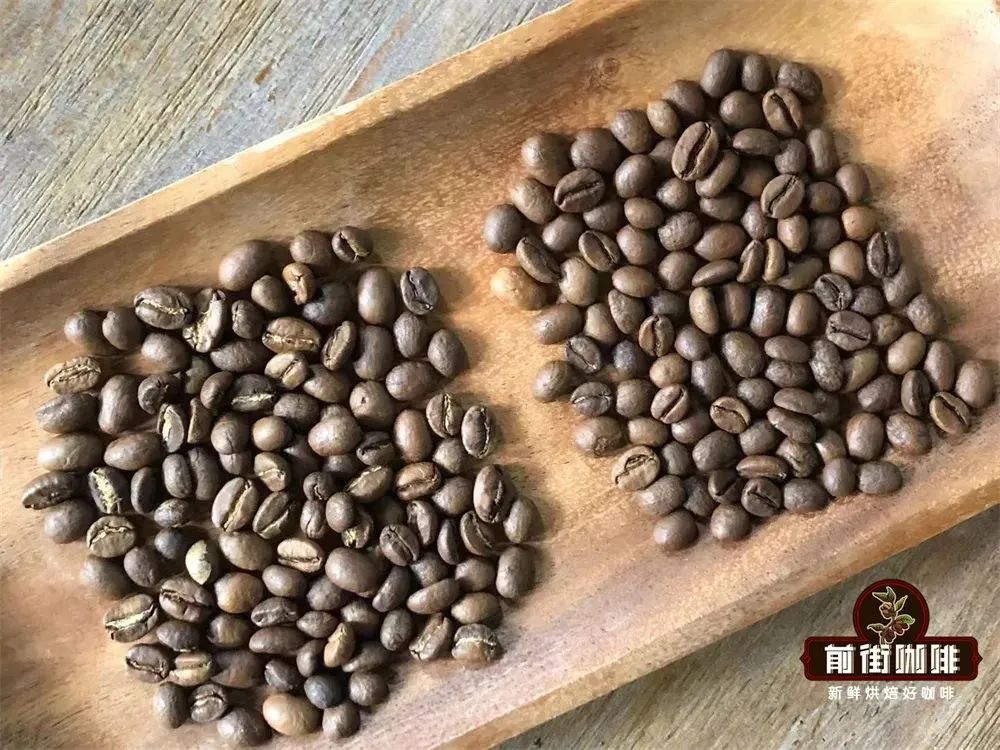
The highly recommended Banko Gotiti cooperative washed beans are produced in the Gedeo Zone at an altitude of 1,900-2,300 meters, cultivated by more than 300 smallholder farmers and meticulously processed using traditional washed techniques. These G1 grade coffee beans, of the local heirloom variety, feature a flavor profile centered around citrus, berries, lemon, cane sugar, and green tea. With a refreshing taste and distinct layers, they are a classic choice for experiencing the washed style of Yirgacheffe.
In contrast to the freshness of washed processing, natural processing showcases a distinctly different flavor charm. The Yirgacheffe Red Cherry Natural beans use 100% fully ripe red coffee cherries, which are sun-dried over a long period, allowing the sugars from the pulp and mucilage to fully penetrate the bean core. This imparts a rich sweetness and fermentation aroma to the coffee. These natural beans, produced at the Aleta Wondo processing plant at an altitude of 2,300 meters, feature a flavor profile dominated by berries, lemon, strawberries, and fermentation wine-like aromas. With a full-bodied mouthfeel and a long-lasting aftertaste, they are suitable for coffee lovers who enjoy intense fruitiness and sweetness.
The origin of the Red Cherry Project is also worth mentioning. Launched in 2007 by the Dutch trading company Trabocca BV, this initiative aims to enhance processing techniques and coffee quality in Ethiopia’s high-altitude regions. By providing professional cupping, technical guidance, and financial support, it ensures that all harvested coffee cherries are 100% ripe red fruits, thereby improving the overall flavor performance and market value of the coffee. This has also further elevated the reputation of Yirgacheffe.
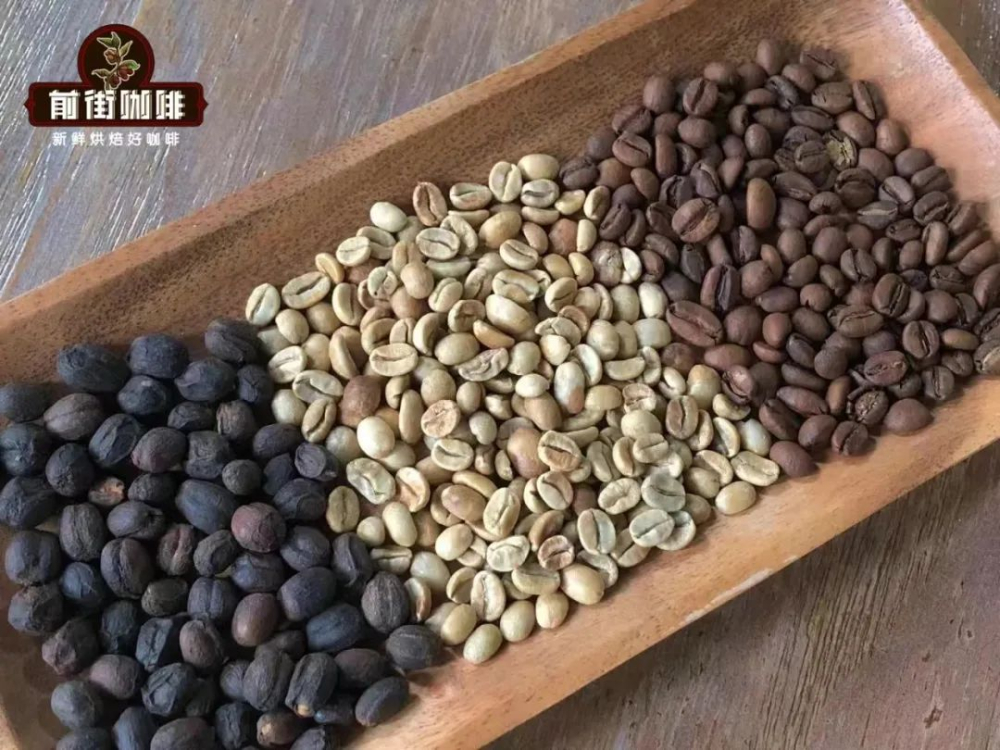
For beginner coffee enthusiasts, there is also a daily-drinking staple bean series available. Processed using washed methods and medium-light roasting, these beans preserve the classic citrus and floral notes of Yirgacheffe. They are suitable for brewing via pour over, cold brew, or French press. The small packaging design also makes it easy to try different flavor profiles.
For extraction, it is recommended to use a V60 filter cone, with water temperature controlled at 92-93°C to fully bring out the fruit acidity and floral notes of Yirgacheffe. The grind size is recommended to be medium-fine (approximately 78% passing through a #20 sieve, or a setting of 10 on the EK43s grinder). The coffee-to-water ratio can be chosen based on personal preference as either 1:15 (for a richer taste) or 1:16 (for clearer flavors). Below are the specific pour over steps:
1. Wet the filter paper and attach it to the filter cone, then add 15 grams of ground coffee and gently tap the walls to level the coffee bed.
2. In the first stage, pour 30 grams of water for a 30-second bloom, circling from the center outward to ensure even saturation of the coffee bed.
3. In the second stage, pour a larger stream of 95 grams of water, bringing the total to 125 grams over approximately 55 seconds, lifting the coffee bed to promote even extraction.
4. In the final stage, pour 100 grams of water using a small stream, for a total of 225 grams, with the dripping time controlled to around 2 minutes. After completion, remove the filter cone and gently swirl the server to evenly mix the coffee liquid before tasting.

Please note that each coffee bean has slightly different characteristics. It is recommended to fine-tune the grind size and water temperature based on actual flavor feedback to find the extraction method that best suits your taste. With a grasp of the basic principles and plenty of practice, you can easily enjoy the diverse flavor world of Yirgacheffe.
The above content is compiled by CoffeeHunters, a coffee news website.


