







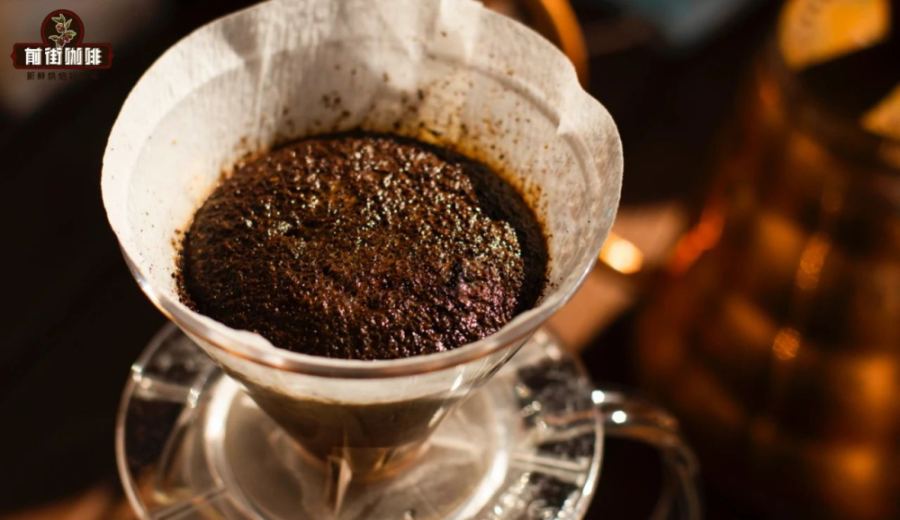
Introduction:Mandheling coffee, known for its rich body and low acidity, is the top choice for dark roast enthusiasts. How can you bring out its nutty, chocolatey, and herbal notes using pour-over, siphon, French press, and AeroPress? This article provides an in-depth analysis of the optimal parameters—grind size, water temperature, brew ratio, and step-by-step details—for these four brewing methods, helping coffee enthusiasts consistently brew balanced, sweet-tasting Mandheling at home.
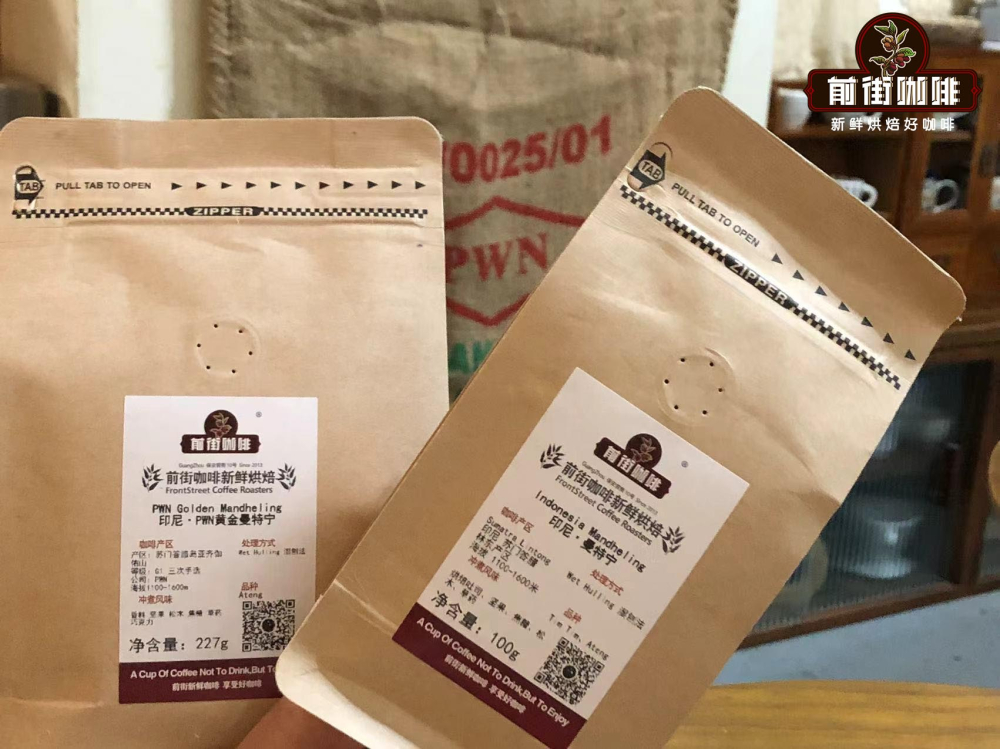
Mandheling coffee has long been celebrated for its dark roast profile, delivering a bold, full-bodied taste with low acidity, and is widely regarded as the classic representation of a "steady flavor" among global coffee lovers. To fully experience its nutty character, caramel sweetness, and subtle herbal finish, choosing the right brewing equipment and precise extraction parameters is crucial. This article will use two premium Mandheling beans from Sumatra, Indonesia—Lintong Mandheling and PWN Golden Mandheling—as examples to guide you through practical techniques and ideal settings for four common brewing methods: pour-over, French press, AeroPress, and siphon.
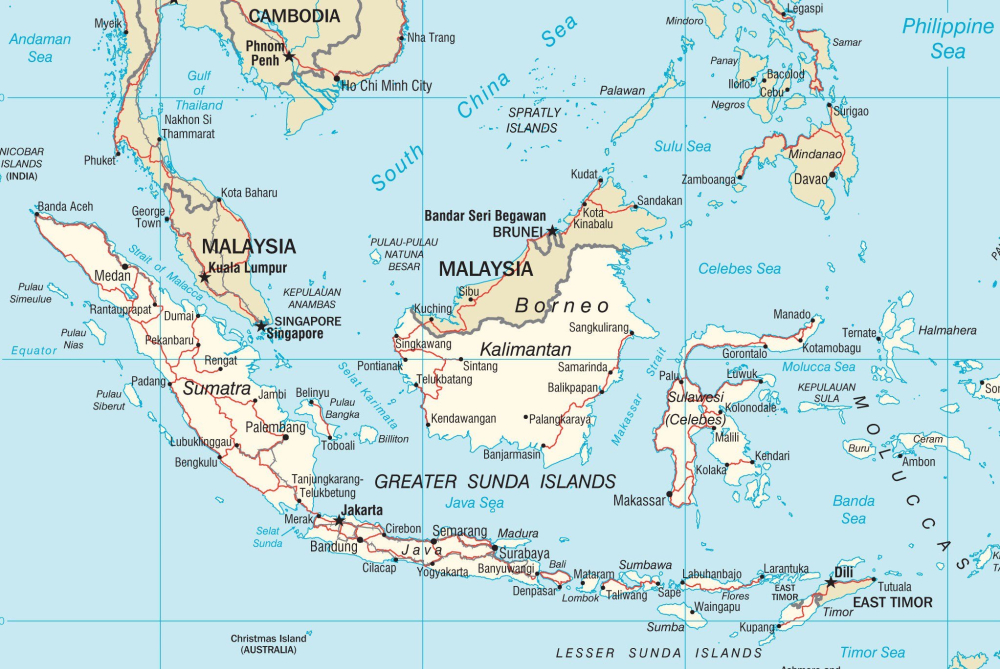
Mandheling beans from the Lintong region and the Gayo highlands benefit from unique volcanic soil and high-altitude conditions, producing specialty-grade beans with complex layers. These beans are typically roasted close to—but not into—the second crack, placing them at a medium-dark level. This roast preserves a robust foundation while maintaining a certain degree of clarity and sweetness. Due to the relatively loose structure of medium-dark roast beans, which release their internal compounds more quickly, it is recommended to use a coarser grind regardless of the brewing method. This helps avoid over-extraction while highlighting a combined profile of caramel, pine, and dark chocolate. Additionally, to maintain optimal flavor, it’s advised to use freshly roasted beans within five days of roasting.
Pour-Over Mandheling Coffee: Precise Parameters and Pulse Pouring Technique
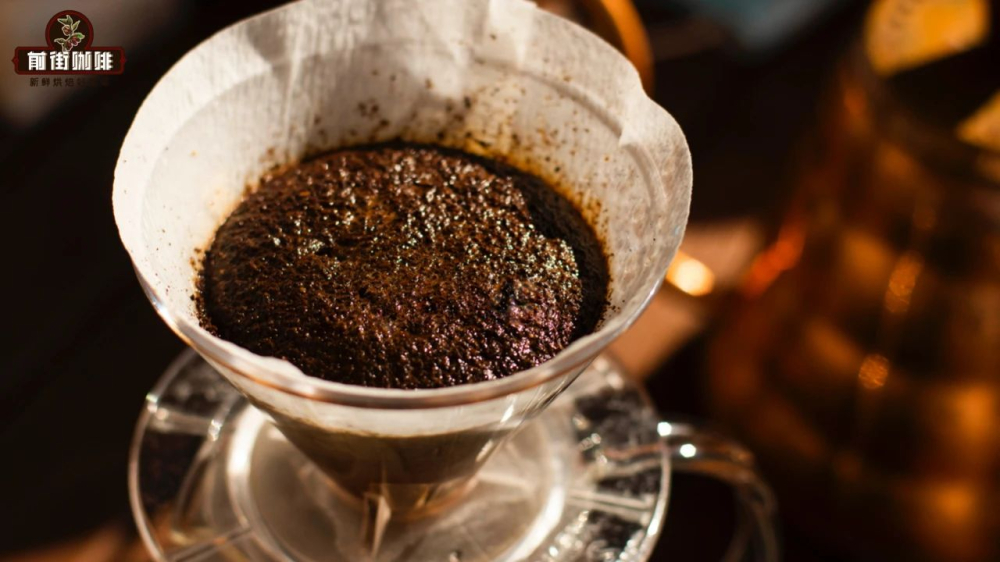
It is recommended to use a KONO short-ribbed filter cone, which effectively reduces channeling and allows water to evenly pass through the coffee grounds. The suggested water temperature is controlled at 88°C, with a medium-coarse grind size, roughly equivalent to a 20-mesh sieve passing rate of 70%. The coffee dose is set at 15 grams, with a brew ratio of 1:15, resulting in a total brew water volume of 225 milliliters.
For the brewing process, it is recommended to use a pulse pouring method: start with a bloom using hot water twice the dose (about 30 milliliters) for approximately 30 secondsto allow the coffee grounds to fully expand. Then, pour water in small streams in circular motions from the center outward. When the total water volume reaches 125 milliliters , that marks the first stage. Pause briefly to let the coffee bed settle, then continue pouring until the total reaches 225 milliliters. The entire process takes about 2 minutes. This method ensures even extraction and avoids over-concentrated release of any single flavor.
French Press Brewing: Simple Yet Refined Coarse Grind Strategy
The French press is one of the most suitable tools for the medium-dark roast characteristics of Mandheling, offering ease of use while preserving a rich mouthfeel. It is recommended to use a coarse grind, with a sieve passing rate of approximately 60%, and the same water temperature of 88°C. Use a coffee dose of 15 grams, with a brew ratio of 1:15, and a total water volume of 225 milliliters.
To brew, first add the coffee grounds to the press, then pour in the hot water. It is advised to pour quickly with a relatively high water flow, completing the pour in about 3 secondsto help agitate the grounds and improve extraction efficiency. After pouring, gently place the lid on but do not press down the filter yet. Let it steep for 4 minutes. Once the time is up, slowly and steadily press down the filter, ideally stopping when it reaches about 1/4 of the way down the pressto prevent fine particles from rising and affecting the taste.
AeroPress Operation: Balancing Grind Size and Two-Stage Pouring
The AeroPress offers high flexibility, making it ideal for coffee enthusiasts seeking personalized flavor profiles. It is recommended to use a medium grind, with a sieve passing rate of about 75%, and slightly lower water temperature of 85°C. The coffee dose is 20 grams, with a brew ratio of 1:17, and a total water volume of 240 milliliters.
Recommended procedure: first pour 100 grams of hot water, gently stir 3 to 5 timesto fully saturate the coffee grounds, then let it sit for 20 seconds. Next, add the remaining hot water to reach 240 grams, then let it steep for another 40 seconds, with an additional gentle stir for 5 seconds. Once the total time reaches 1 minute and 50 seconds , insert the filter plug and press down. The whole process takes about 2 minutes and 5 seconds. This method balances flavor complexity with a rich body.
Siphon Brewing: Enhancing Aroma Through Temperature and Stirring Control
The siphon brewer is perfect for enthusiasts who enjoy watching the “dancing” coffee process, and it also highlights the aromatic qualities of Mandheling. It is recommended to use a medium-coarse grind, with a sieve passing rate of about 60%, a coffee dose of 18 grams, a brew ratio of 1:10, and a total water volume of 180 milliliters.
For the brewing process, first heat the lower chamber until the water reaches 90°C, then attach the upper chamber. Once the upper chamber water also reaches 90°C , quickly add the coffee grounds and stir in a cross pattern 4 timesto ensure even contact between the coffee and water. Let it steep for 1 minute , then remove the heat source and use a dry cloth to wipe the outer bottom chamber to accelerate the return flow. The entire extraction time is about 1 minute and 20 seconds. This method effectively brings out the spicy and woody notes of Mandheling.
The above content is compiled by CoffeeHunters, a coffee news website.


