







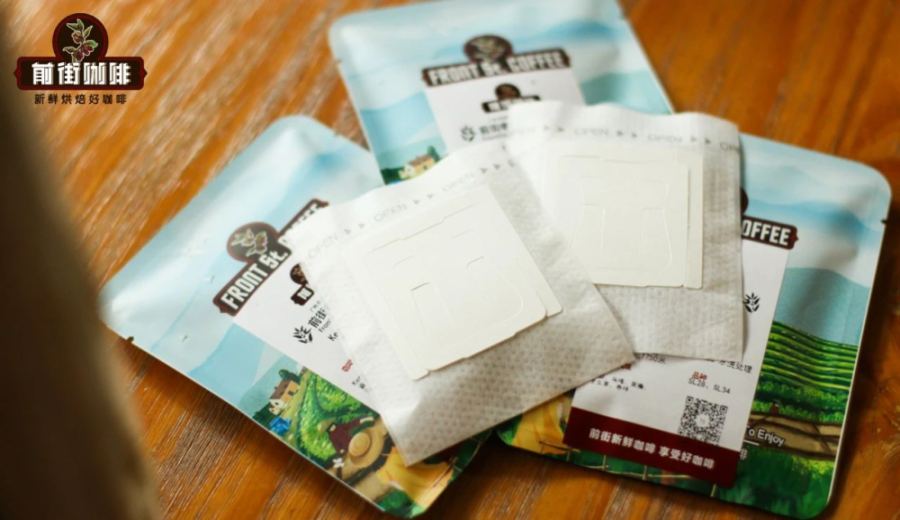
Introduction:Drip bags are the perfect choice for many office workers and travelers, offering a near-pour over experience without the need for professional equipment. However, many people have doubts about the caffeine content in drip bags, worrying about overconsumption, and there are also common misconceptions about the correct brewing method. This article provides a detailed analysis of the origins of drip bags, brewing precautions, daily safe intake limits, and includes practical tips for selecting flavors to help you enjoy each cup with peace of mind.
For busy modern individuals, especially office workers, wanting to enjoy a flavorful cup of coffee without professional equipment, drip bags are undoubtedly a blessing. They retain the delicate flavors of pour over coffee while offering the convenience of instant preparation. However, many still have questions: how much caffeine does a single drip bag contain? How many bags can be consumed in a day without exceeding safe limits? Additionally, beginners often mistakenly pour the coffee grounds directly into water, resulting in a mouthful of grounds and a greatly diminished taste. This article will take you from the origins of drip bags, step by step breaking down the correct brewing method, caffeine intake recommendations, and key points for flavor selection, helping you drink wisely and healthily.
The origin of drip bags can be traced back to Japan in the 1990s. In 1990, Yamankan Industry Co., Ltd. in Japan first developed a drip bag coffee design and applied for a patent, though it was only a single-side hanging ear design at the time. By 1996, Daiki Shoji Co., Ltd. improved the filter bag design by moving the hanging ears to the lower edge of the filter, but it remained single-sided. In 1999, Daiki Shoji further applied for a double-side hanging ear patent with the European Patent Office. This design significantly improved brewing stability and became the mainstream design seen in the market today. In 2001, drip bag coffee products were officially launched in the Japanese market. With their portability and ease of use, they quickly captured a certain market share, accounting for approximately 15% of Japan’s total coffee consumption to this day.
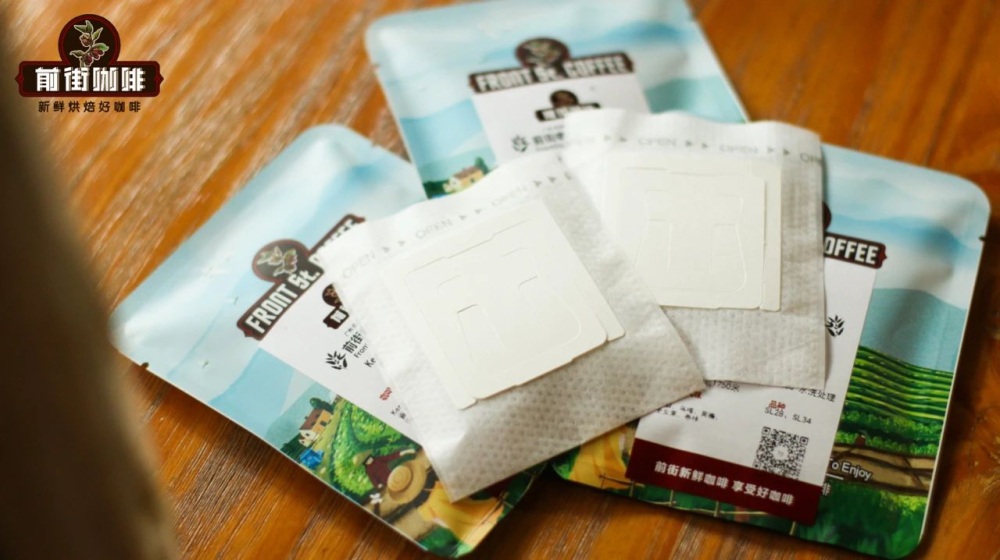
As life节奏 accelerates, more and more coffee enthusiasts are seeking solutions that balance efficiency and quality in the office or while traveling, making drip bags widely popular. Compared to traditional pour over methods that require tools like grinders and pour over kettles, drip bags only need hot water and a cup to brew, making them suitable for limited office spaces and also meeting the needs of drinkers who pursue the flavors of single-origin beans. Not only do they preserve the original flavors of the coffee beans, but they also avoid the artificial additives found in instant coffee, allowing you to enjoy a near-professional level coffee experience at home.
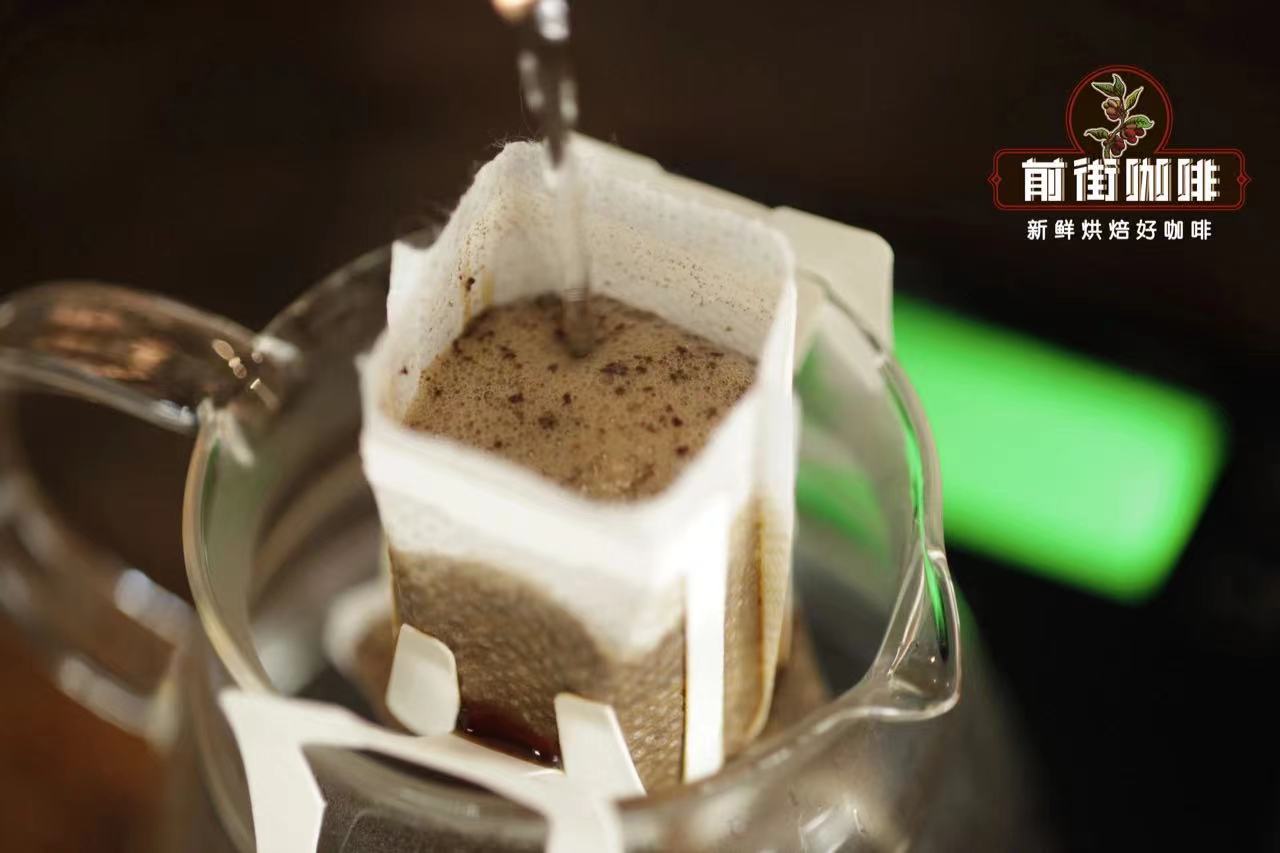
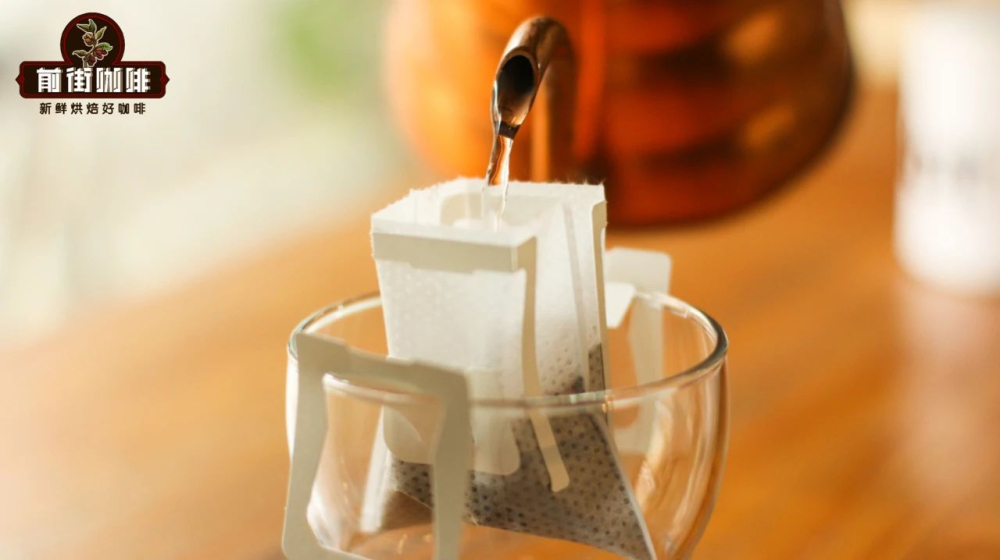
The correct way to brew drip bags is not complicated, but many beginners tend to make mistakes. Generally, a single serving of commercially available drip bag coffee contains about 8 to 12 grams of coffee grounds, and it is recommended to pour 120 to 180 milliliters of hot water, adjusted according to personal taste. If you prefer a stronger flavor, you can reduce the amount of water; if you like a lighter taste, you can moderately increase it. When brewing, hang the drip bag on the edge of the cup and slowly pour the hot water evenly. Let it steep for about 2 to 3 minutes before removing the bag. Be sure not to pour the coffee grounds from the filter bag directly into the water to mix, as this not only fails to effectively extract the flavors but also causes a large amount of coffee grounds to mix into the liquid, severely affecting the taste.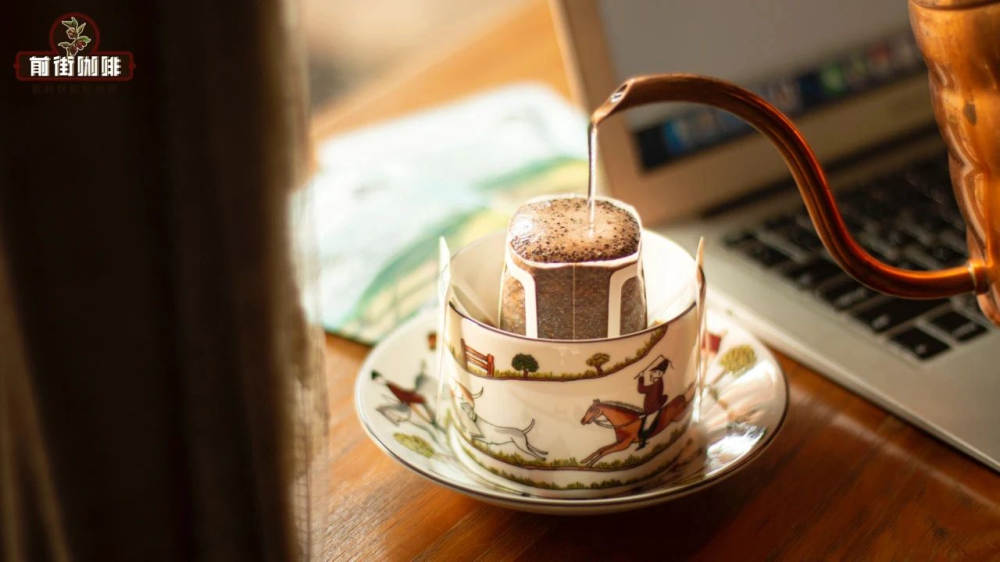
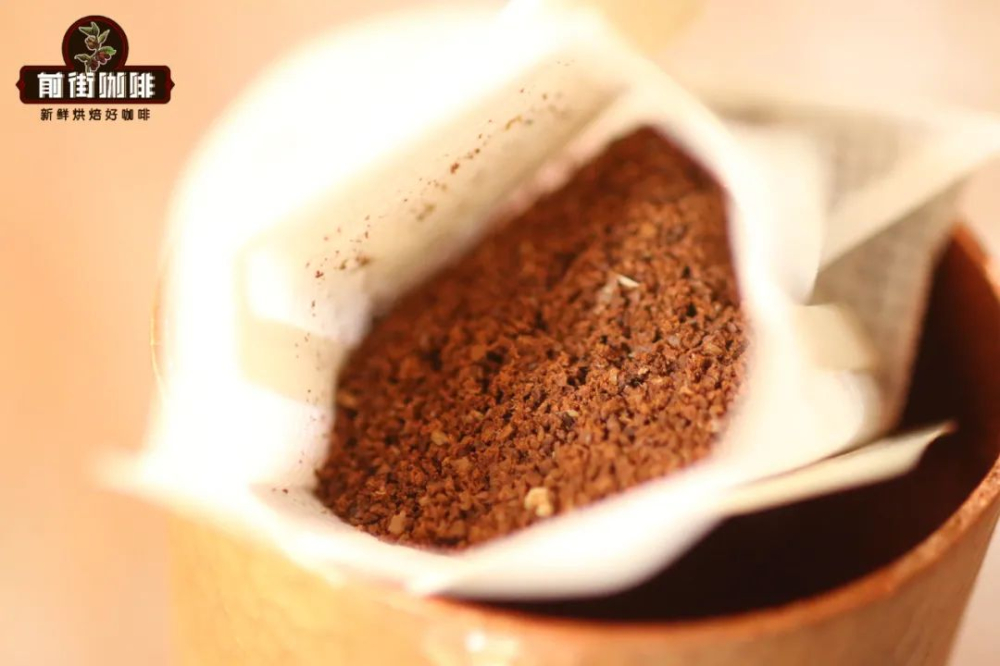
Some consumers, when using drip bags for the first time, mistakenly think they can pour the powder directly into water and stir it like instant coffee, not realizing that doing so will result in a drink full of sediment. In fact, the coffee grounds inside the drip bag are finely ground and contain insoluble plant fibers and fine particles. Only through the drip extraction method with the filter bag can coffee grounds be effectively filtered out, presenting a clear and fully flavored coffee liquid. Therefore, be sure to follow the instructions, hang the drip bag properly, and slowly pour the water—never pour the grounds out.
When choosing a drip bag coffee that suits your taste, you can consider three main aspects: the freshness of the coffee beans, the origin, and the flavor characteristics. Taking commonly available commercial products as an example, if you like bright fruity flavors, you might consider starting with the Yirgacheffe region of Ethiopia, where washed-process coffees often exhibit layers of citrus, jasmine, and honey notes. If you prefer delicate floral aromas and a rich mouthfeel, the Geisha coffee from the Boquete region of Panama is a good choice, grown at high altitudes of 1600 meters, often showcasing unique floral and fruity profiles. Additionally, for those who enjoy fermented or wine-like flavors, you might also try drip bag varieties with distinct fermentation traits, such as products with berry or chocolate aftertastes.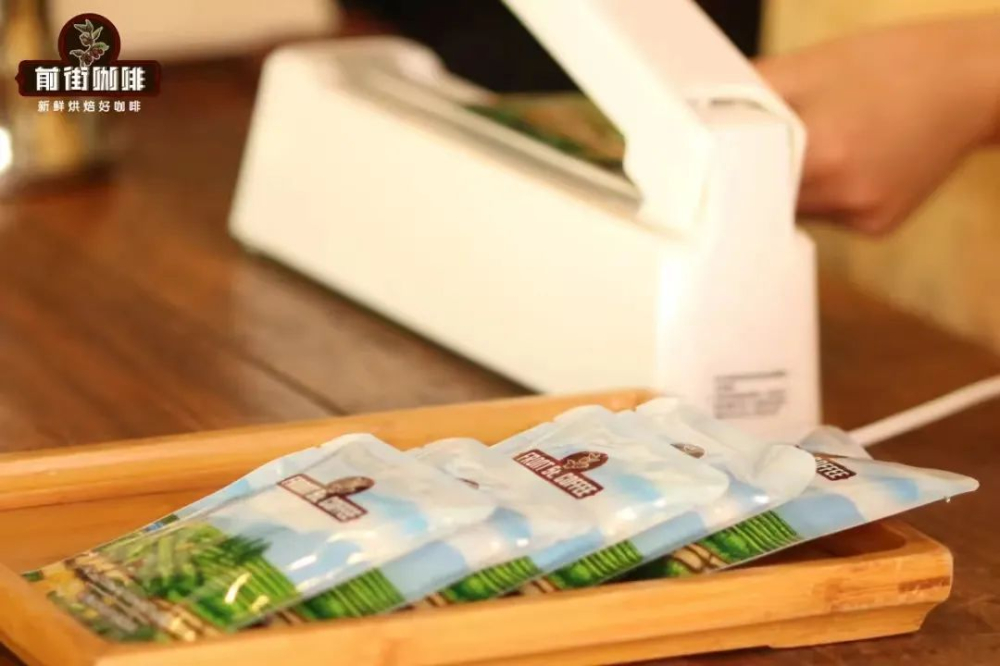
Regarding safe intake, many consumers wonder: how much caffeine does a single drip bag contain? Taking a typical drip bag that uses 8 to 12 grams of Arabica coffee beans as an example, its caffeine content is approximately between 120 to 180 milligrams, with actual values slightly varying depending on bean variety, roast level, and grind size. According to the U.S. Food and Drug Administration (FDA), the recommended daily caffeine intake for adults should be controlled within 400 milligrams, which translates to roughly 2 to 3 regular drip bags. However, individual sensitivity to caffeine varies; some may experience sleep disturbances or palpitations even with small amounts, so it is advisable to adjust intake based on your own reactions.
The reason caffeine can refresh and invigorate is mainly because it blocks adenosine receptors in the brain, delaying the transmission of fatigue signals. However, long-term overconsumption may lead to an increase in the number of adenosine receptors, meaning the body requires more caffeine to achieve the same effect—this is why some people gradually develop a tolerance to caffeine. Additionally, some individuals naturally metabolize caffeine more slowly and are more prone to side effects such as anxiety, hand tremors, or insomnia after consumption. Therefore, understanding your own tolerance level is more important than simply following recommended intake levels. It is advised that first-time users start with a small amount and observe their body’s reaction before gradually adjusting.
In summary, drip bags are an excellent choice that balances convenience and flavor, whether for everyday office use or during travel, allowing you to quickly enjoy a cup of coffee with consistent quality. As long as you master the correct brewing method, avoid common pitfalls, and control your intake based on your own situation, you can still enjoy a professional-level coffee experience even in a busy life. Remember, tasting coffee is not just about staying alert—it’s also about enjoying that unique flavor and moment of relaxation.
The above content is compiled by CoffeeHunters, a coffee news website.


