







Introduction:Frothing milk is the foundation of latte art, but many beginners often encounter issues such as milk foam that is not fine or collapses easily. In fact, the type of milk, its fat content, and frothing techniques are all key factors. This article delves into the differences between room-temperature milk and cold milk, whole milk and skim milk, and provides guidance on temperature control, step-by-step operation, and common mistakes when steaming milk. It will help you master the trick to consistently producing fine and long-lasting milk foam.
Many beginners who have just started learning latte art often find it difficult to froth milk, maintain it for long, or even produce large bubbles. In reality, the quality of milk foam is not only related to technique but also greatly influenced by the type of milk and how it’s stored. This article will explore in detail the differences between room-temperature and cold milk, whole and skim milk, as well as the correct procedures and key techniques for steaming milk. It will help you systematically master stable and delicate milk frothing methods.
In the world of coffee, milk can be categorized based on storage method into room-temperature milk and cold milk, and based on fat content into whole milk and skim milk. If the goal is to create latte art with fine and dense milk foam, using cold whole milk is usually the best choice—not only does it offer better flavor, but it’s also easier to handle and froth.
Room-Temperature Milk is made through high-temperature sterilization, reaching nearly complete sterilization, which allows it to be stored at room temperature for a long time, typically with a shelf life of six months. However, due to the high-temperature processing, its taste and nutritional content are usually slightly inferior to cold milk.
Cold Milk is treated with pasteurization, which kills most but not all bacteria, so it needs to be refrigerated and has a shelf life of about seven to twelve days. Although it has a shorter shelf life, its nutrients and natural flavor are better preserved, making it more suitable for applications with higher milk quality requirements, such as latte art.
As for fat content,Whole Milk with its higher fat content, is relatively easier to froth and can form finer and denser milk foam, making it the barista’s top choice. On the other hand,Skim Milk , while suitable for those with specific dietary needs, lacks fat, resulting in a thin flavor and noticeable watery texture. It also doesn’t support stable foam formation, and is not recommended for beginners as practice milk.
Next, let’s talk about practical operation. When frothing milk, it is recommended to use cold whole milk straight from the fridge—its lower temperature is beneficial for frothing and extends the life of the foam. Before using the steam wand, make sure the machine is fully preheated and that what comes out is pure steam, not water vapor, in order to provide enough pressure for frothing. If using a home or low-end coffee machine, be aware that its steam pressure may be insufficient, possibly only emitting water mist. In this case, adjust the position of the steam wand to avoid sucking in too much air.
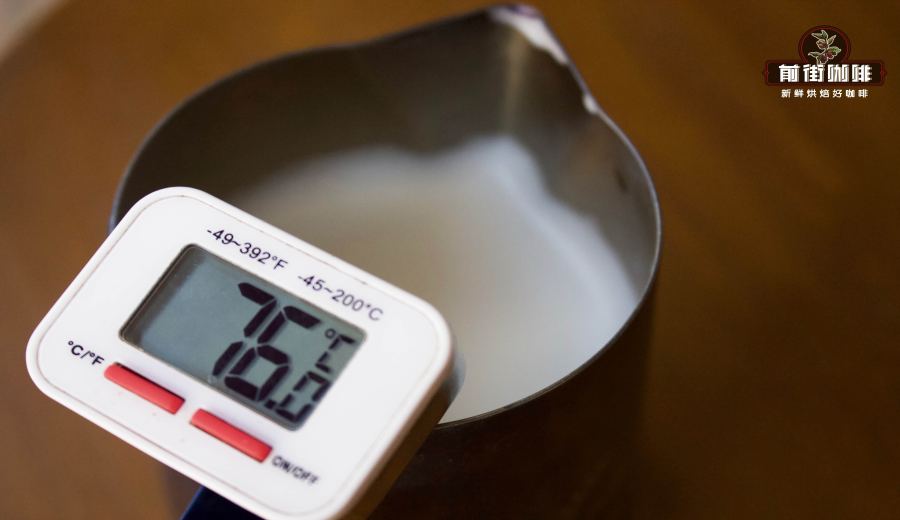
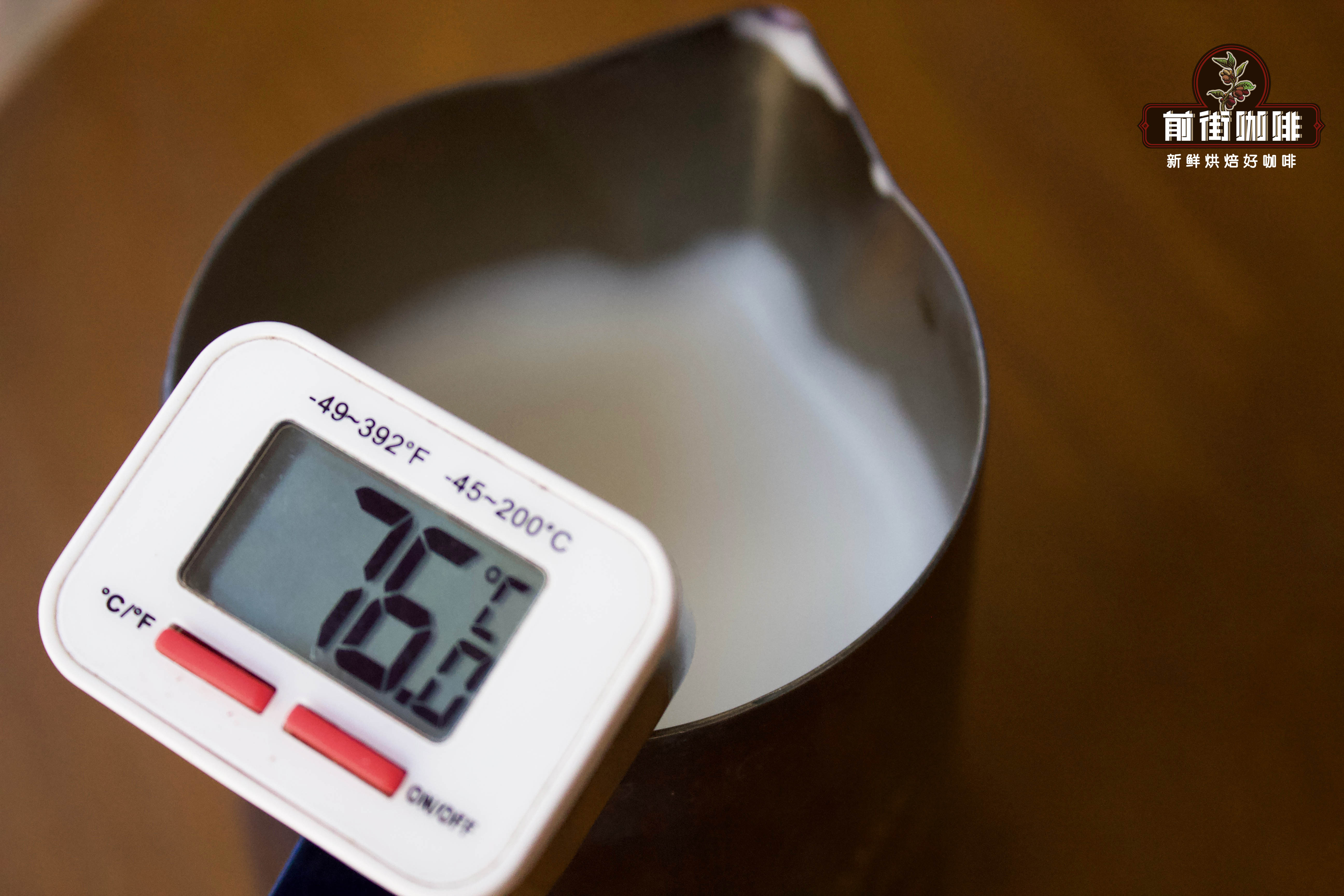
During the frothing process, it is recommended to place the steam tip about one centimeter below the surface of the milk to create a whirlpool and effectively incorporate air. Initially, you may hear a louder sound, indicating air is being drawn in; as the foam begins to form, you should submerge the tip deeper into the milk to reduce air intake and focus on heating the milk. The entire process should control the final milk temperature between approximately sixty to sixty-five degrees Celsius. The feel should be that the bottom of the pitcher is hot to the touch accompanied by a rich milk aroma. Beginners can use a thermometer for assistance, or feel the temperature with the inside of the palm (near the base of the thumb)—when it feels noticeably hot, turn off the steam immediately.
After frothing, a commonly overlooked yet very important step is to gently tap the pitcher on the table a few times to release large bubbles through vibration, making the foam finer and more uniform. Additionally, gently shaking the pitcher and observing whether the foam surface is smooth and silky is another way to judge foam quality. If the foam appears rough with visible bubbles, it is usually due to overly high temperature or turning off the steam too late.
To make milk foam last longer, several factors need to be considered together:Frothing Temperature,Milk-to-Foam Ratio,Individual Technique , and Resting Time are all crucial. Generally speaking, the optimal milk foam temperature is around seventy-five degrees Celsius—at this temperature, the foam structure is more stable and less likely to break quickly. However, some experienced baristas do not rely on thermometers but instead use their palms to sense the heat, judging the temperature with the most sensitive part of their skin.
If using a French press to froth milk (often used for cold drinks), even frozen milk can be used by quickly pumping to create bubbles. However, such foam is usually lighter and more suitable for iced coffee series.
Regarding the mixing ratio of milk and foam, taking 500 milliliters of milk as an example, frothing can yield a mixture of 600 to 1000 milliliters of milk and foam. The actual ratio depends on the type of coffee and latte art requirements. For example, cappuccinos usually require a higher proportion of foam, while lattes prefer a denser foam texture. Overall, the higher the milk ratio, the denser the resulting foam tends to be—but this also closely relates to individual technique.
Finally, a reminder: once frothing is complete, the foam should be used to make coffee as soon as possible. Over time, the foam will gradually dissipate and the structure will loosen, affecting the final coffee taste and latte art presentation. Mastering the skill of frothing milk is the first step toward becoming an excellent barista.
The above content is compiled by CoffeeHunters, a coffee news website.


