








Introduction:Want to brew rich, crema-covered coffee at home just like in Italian cafés? The moka pot is the most economical and beginner-friendly choice. This article delves into how a moka pot works, teaching you to master grind size, coffee-to-water ratio, and heating techniques, while recommending various coffee beans from Central and South America to Asian regions to help you easily extract bold aromas and delicate crema.
The moka pot is the go-to brewing device for many coffee enthusiasts who want to make espresso-style coffee at home. Originating in Italy in 1933 and invented by Alfonso Bialetti, it doesn’t require expensive equipment—just simple heating can produce coffee similar to espresso, rich and layered, making it a classic tool for home coffee brewing.
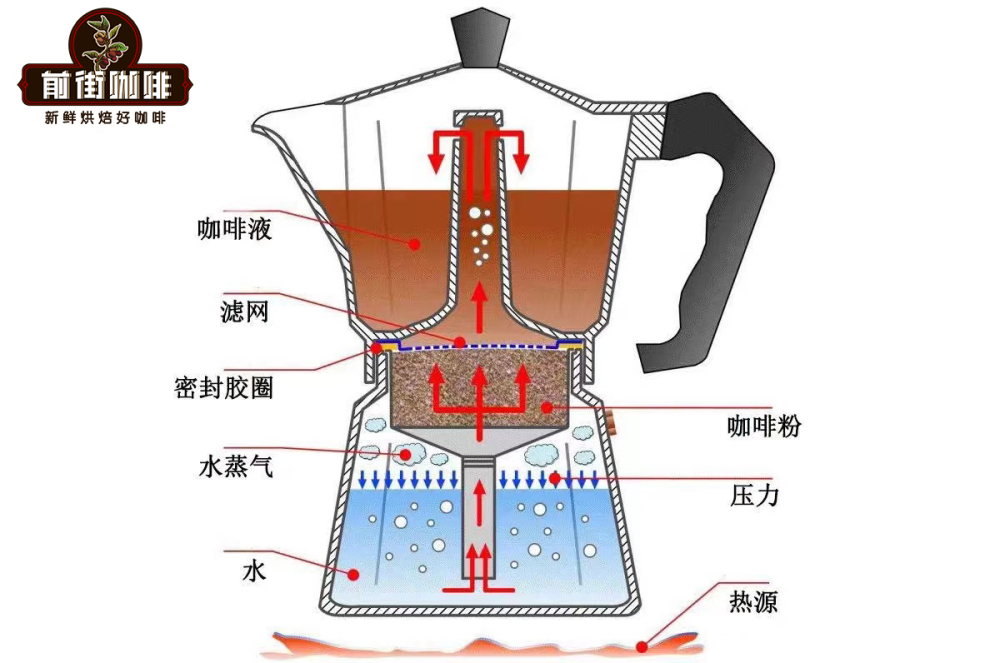
Understanding how the moka pot works is the first step to successful extraction. It mainly consists of three parts: the lower chamber holds water, the middle filter basket holds the coffee grounds, and the upper chamber collects the brewed coffee. When heated, steam pressure builds in the lower chamber, pushing hot water through the coffee grounds in the filter basket, eventually gathering in the upper chamber to form a richly flavored coffee.

To successfully brew good coffee with a moka pot, several key elements must be noted: coffee bean selection, grind size, coffee dosage, and heat control. It’s recommended to use medium to dark roasted beans, as their deeper roast level can withstand high-pressure extraction and release more oils and aromas, resulting in a rich taste.
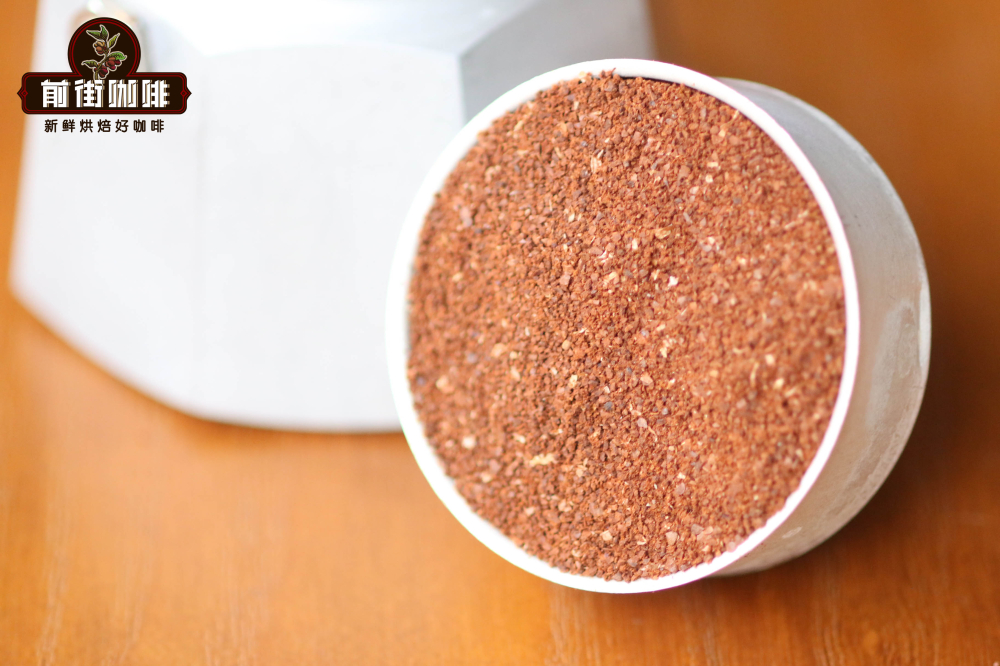
First, the choice of coffee beans. It’s suggested to choose medium to dark roasted blends or single-origin beans that showcase a bold flavor with caramel and chocolate notes. In terms of grind size, the coffee for a moka pot should be between that used for espresso machines and pour over, finer than pour over but slightly coarser than standard espresso grounds—roughly similar to fine sugar. Adjust according to the spacing of the filter basket’s mesh to avoid too fine (which may cause channeling) or too coarse (leading to under-extraction).
When filling the coffee grounds, it’s advised to gently fill the basket and level it slightly without overly compacting it—just ensure the coffee is evenly distributed. Over-tamping can lead to uneven water flow, affecting consistency in extraction. After filling, place the filter basket into the lower chamber, ensure the upper and lower chambers are tightly sealed without leaks, and then start heating.
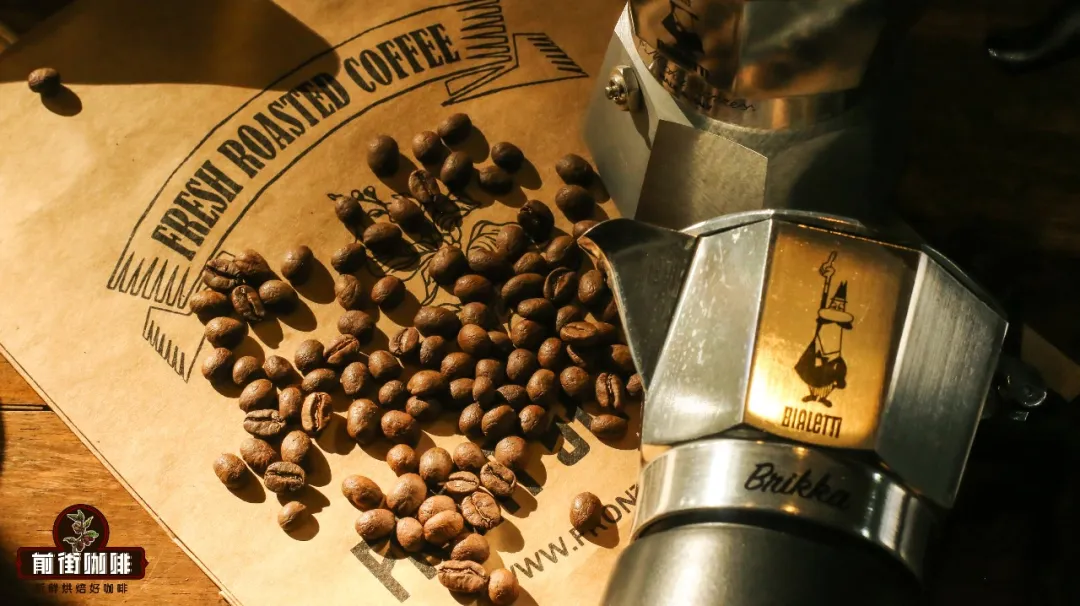
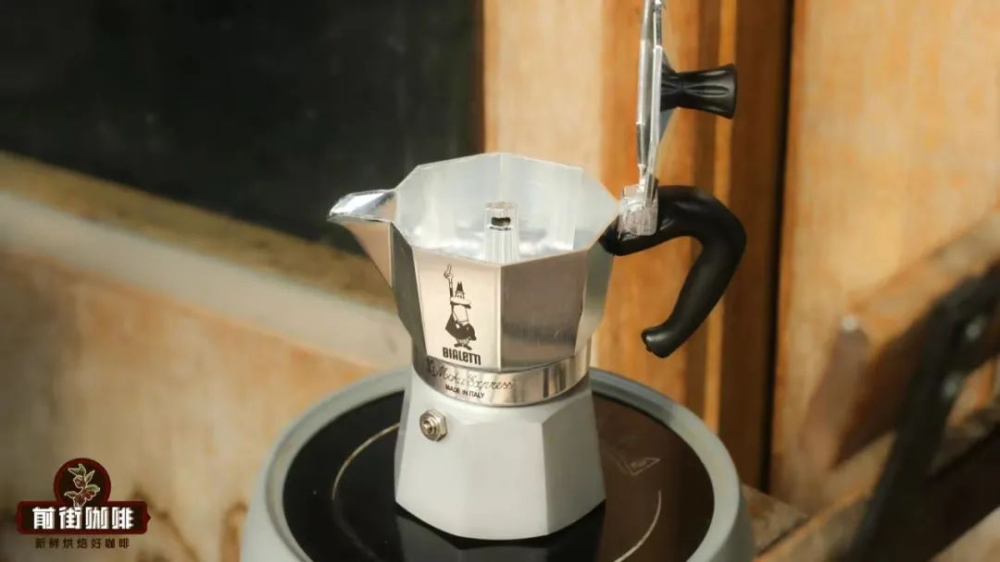
For heating, it’s recommended to use low to medium heat, especially on induction or ceramic stovetops. When you hear a distinct “wuu wuu” sound from the moka pot, it means sufficient pressure has built up inside. At this point, reduce the heat slightly and slightly open the lid of the upper chamber to observe the extraction. Once the coffee starts flowing and the stream becomes steady, continue extracting until about half of the liquid has flowed out, then turn off the heat and let residual heat finish the final extraction.
Regarding water control, it’s recommended not to fill the lower chamber above 0.5 cm below the safety valve to avoid water directly rushing into the upper chamber, which can affect the coffee’s taste. Too much water will prolong extraction time, leading to over-extraction, increased bitterness, and off-flavors. Additionally, moka pot extraction usually only takes 20–30 seconds; going longer will make the coffee overly strong and lose its nuances.
Freshly brewed moka pot coffee is not only rich in flavor but can sometimes also have a delicate crema. This is mainly due to the carbon dioxide released by dark roasted beans interacting with the high-pressure extraction. The so-called crema is actually a mixture of carbon dioxide bubbles and coffee oils—the darker the roast, the more gas released, which helps form a richer crema layer, enhancing both taste and aroma.
If you want to vary the coffee flavor, you can adjust the strength by adding hot water according to your taste or mix in milk to make lattes, cappuccinos, and other specialty drinks. Moka pot coffee is already bold and is perfect for those who enjoy stronger flavors, as well as being a great way to explore beans with different flavor profiles.
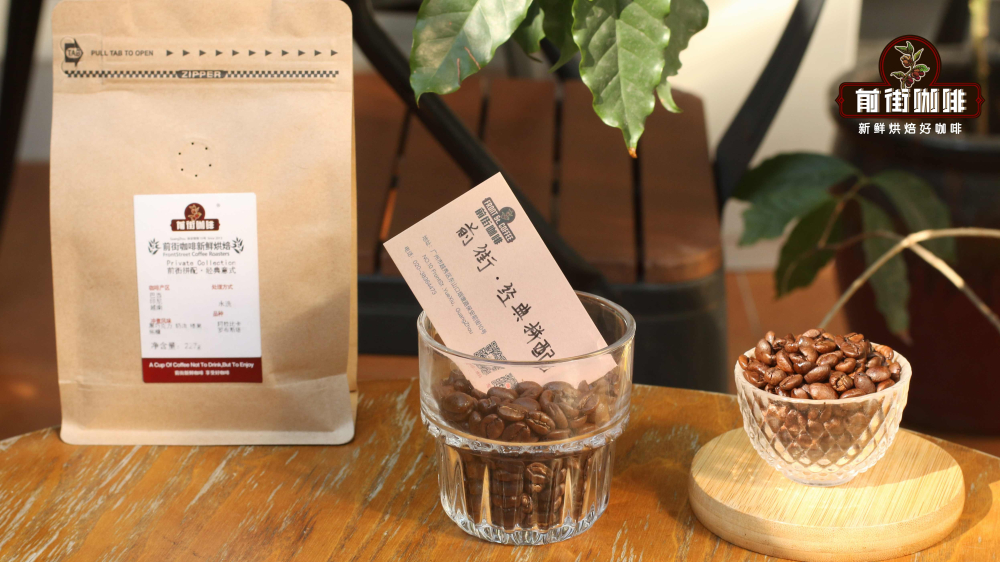
Below are several recommended coffee beans suitable for brewing with a moka pot. These beans come from various regions and offer diverse flavor characteristics to meet a range of taste preferences:
1. Brazilian Queen Estate Coffee Beans — Grown in Mogiana, São Paulo, Brazil, at altitudes of 1400–1950 meters, the variety is Yellow Bourbon, processed via natural (sun-dried) method. Flavors include sweet notes of nuts, chocolate, cream, peanuts, and caramel, with a smooth texture and rich layers, very suitable for fans of medium to dark roasts.
2. Colombian Huila Coffee Beans — Produced in the Huila region of Colombia, at altitudes of 1500–1800 meters, the variety is Caturra, washed process. It presents a balanced profile of dark chocolate, nuts, caramel, and gentle fruit acidity, a classic representation of Central and South American coffee flavors.
3. Golden Mandheling Coffee Beans — Sourced from the Gayo Highlands of Sumatra, Indonesia, at an altitude of 1600 meters, the variety is Ateng, processed using the traditional wet-hulled method. It offers intense tropical flavors such as spices, herbs, sandalwood, dark chocolate, and nuts, suitable for users who enjoy strong and layered profiles.
4. Yunnan Small-Leaf Coffee Beans — Grown in Baoshan, Yunnan, China, at an altitude of 1200 meters, the variety is Catimor, washed process. The flavors are dominated by nuts, chocolate, brown sugar, and tea-like notes, with a mellow texture and local characteristics, ideal for those who prefer light to medium roasts.

The above content is compiled by CoffeeHunters, a coffee news website.


