







Introduction:Delve deep into Guatemala, a major coffee-producing country in Central America, from the echoes of Mayan civilization to the rise of specialty coffee. This article takes you through the characteristics of its eight coffee-growing regions, the mainstream washed processing methods, and provides an in-depth look at the terroir, altitude, and cupping profiles of three representative regions—Antigua, Huehuetenango, and Nuevo Oriente—to help you master bean selection and brewing essentials.
Guatemala, this land that carries the ancient legacy of the Maya civilization, also holds a distinguished place in the global specialty coffee market with its delicate and richly flavored coffees. From the emergence of small-scale plantations in the early 19th century to becoming the leading coffee producer in Central America by the 20th century, Guatemala’s coffee industry has undergone a dramatic yet brilliant journey. This article will take you through the historical corridor of Guatemalan coffee, explaining how the local coffee association divided the country into eight flavor regions, while focusing on three classic regions—Antigua, Huehuetenango, and Nuevo Oriente. We’ll explore how factors such as altitude, climate, soil, and processing methods influence the flavors in the cup. Additionally, we will examine the key steps of the washed processing method and analyze the distinctive flavor profiles of beans from renowned regions.
 When it comes to Guatemala, many people first think of the ancient and mysterious Mayan culture. But for coffee enthusiasts, this Central American country is most memorable for its unique and layered coffee flavors. If you’re curious about this promising origin, join us as we explore the diverse world of Guatemalan coffee.
The history of coffee cultivation in Guatemala dates back to the mid-19th century, around the 1850s and 1860s. Early planting areas were mainly located in the southwestern regions of Amatitlán and Antigua Guatemala. At that time, the scale was small and the techniques were limited, with some areas even experimenting with intercropping with cochineal insects. Due to a lack of expertise and resources, many coffee farmers could only rely on family support to sustain their operations until foreign investment entered, gradually integrating and taking over many plantations, which led to significant changes in the industry structure.
Coffee cultivation is a highly labor-intensive industry, and the shortage of manpower long restricted rapid yield increases. In 1887, Guatemala’s annual coffee production first exceeded 22,000,000 kilograms (approximately 48,500,000 pounds), and by 1891, it surpassed 24,000,000 kilograms (approximately 52,000,000 pounds). Between 1879 and 1883, the country cumulatively exported a total of 133,027,289 kilograms (approximately 293,274,971 pounds) of coffee. Until the early 20th century, many of the world’s top coffee plantations were still concentrated along the southwestern coast of Guatemala.
For a long time, Guatemala maintained its position as the leading coffee producer in Central America until it was surpassed by Honduras in 2011. However, it is worth noting that official statistics do not include some coffee exports that illegally flowed into neighboring countries such as Honduras and Mexico.
In terms of growing conditions, Guatemalan coffee trees thrive best within a temperature range of 16°C to 32°C and are mostly planted at altitudes of 500 to 700 meters (1,600 to 2,300 feet) in highland areas, where good shading is required to reduce sun intensity. Planting areas at elevations of around 1,500 meters (4,900 feet) and above require special windbreak measures to guard against cold air currents from the north.
As a tropical country, Guatemala is home to numerous volcanoes and features a diverse climate. The northern and eastern coastal areas have a tropical rainforest climate, while the southern mountainous regions exhibit subtropical characteristics. The year is clearly divided into two distinct seasons: the rainy season from May to October and the dry season from November to April of the following year. Among these, the northeastern region receives annual rainfall of up to 2000 to 3000 millimeters, while the southern areas receive only 500 to 1000 millimeters, significantly influencing the flavor development of coffee in each area.
 In Guatemala, the coffee association plays a pivotal role. Established in 1960, the Asociación Nacional del Café (Anacafé) represents coffee producers nationwide and continues the statistical functions of the Central Coffee Office set up by the central government in 1928. Founded under the impetus of the International Coffee Organization (ICO), the association is dedicated to unifying and enhancing the standards and image of the coffee industry.
Anacafé developed the brand strategy “A Rainbow of Choices,” categorizing the country’s coffee into eight flavor regions based on origin: Acatenango Valley, Antigua Coffee, Traditional Atitlán, Rainforest Cobán, Fraijanes Plateau, Highland Huehue, New Oriente, and Volcanic San Marcos. Each region boasts unique geography and microclimates, giving rise to distinctly different coffee personalities.
Next, we will focus on introducing three particularly representative regions: Antigua, Huehuetenango, and Nuevo Oriente.
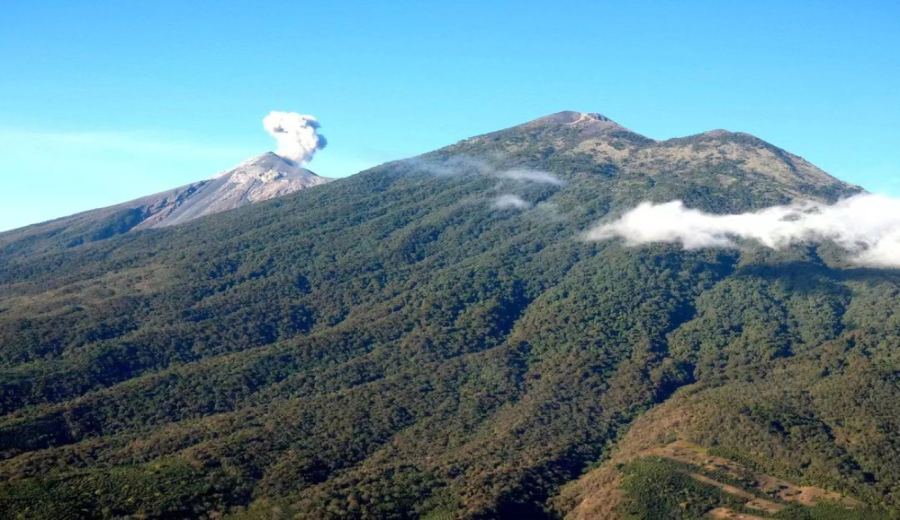
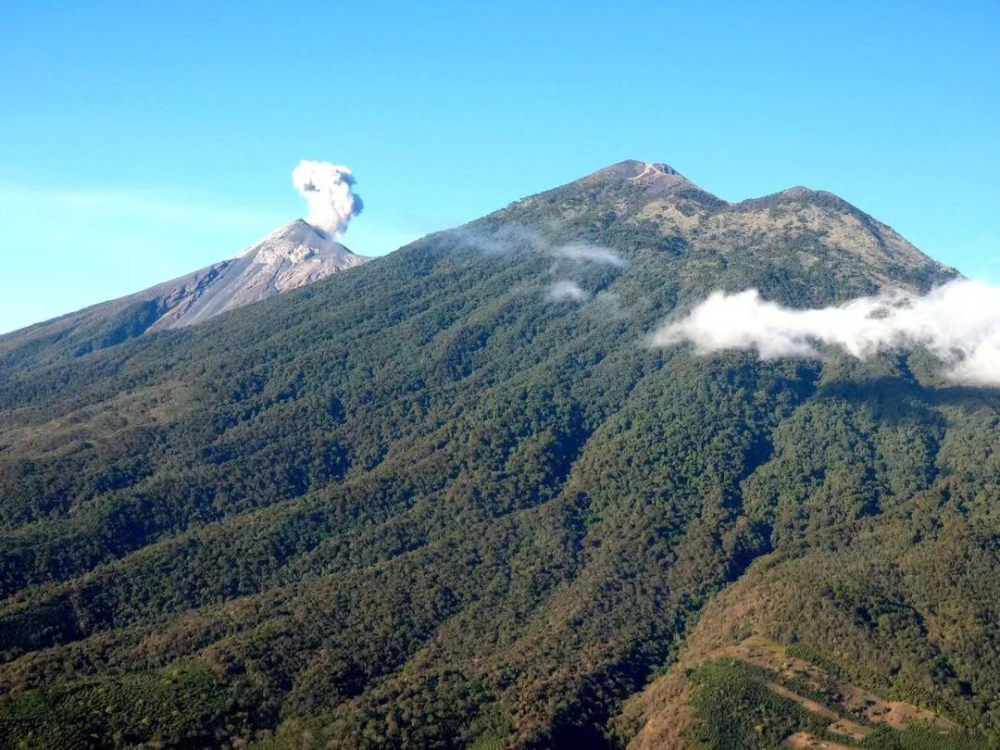
Antigua Region, is considered one of Guatemala’s most iconic coffee-producing areas, with planting altitudes of around 1500 to 1700 meters. The region offers fertile volcanic soils, moderate humidity, ample sunlight, and cool nighttime temperatures—nearly perfect growing conditions for coffee trees. Surrounded by three active volcanoes—Agua, Fuego, and Acatenango—Antigua benefits from periodic eruptions that deposit volcanic ash and pumice. These materials not only help retain soil moisture but also compensate for the area’s relatively low rainfall. The local coffee association describes Antigua coffee as elegant in flavor, balanced in acidity and sweetness, with intense aromas and a smooth mouthfeel. For example, “Guatemala Flora” from a certain coffee bean selection comes from the Finca El Artemisa in this region, processed using the washed method, making it ideal for brewers who enjoy bright acidity and floral-fruity profiles.
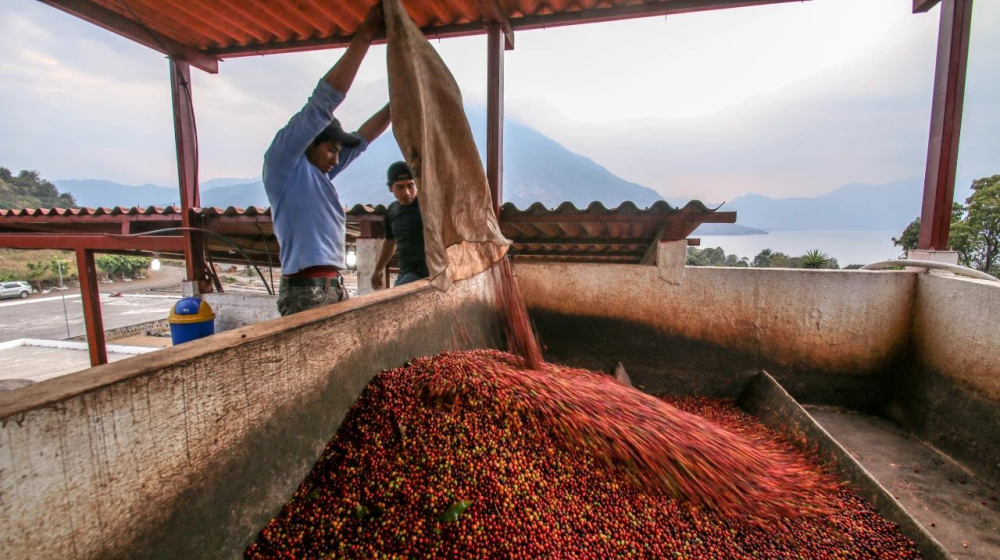
In Latin America, including Guatemala and other countries such as Colombia and Costa Rica, the washed processing method is the mainstream. Its basic process includes: first removing unripe beans via floatation after harvesting, then using a depulper to remove the outer skin and pulp of the coffee cherry, followed by the fermentation stage—where microbes break down the mucilage to separate the parchment from the green bean. Fermentation usually lasts between 16 to 36 hours. Afterward, the beans are thoroughly rinsed with water and finally dried on patios. The washed method not only effectively reduces defect rates and shortens drying times but also highlights clean, bright acidity and clear layering, making it an ideal choice for those pursuing specialty flavors.
Huehuetenango (Highland Huehue), also known as Huehuetenango or Quetzaltenango, is Guatemala’s highest-altitude coffee-growing region, with some areas exceeding 2000 meters in elevation. It is also one of the few non-volcanic-soil regions in the country. Located in the western highlands, which are the driest in the country, the region lies at a tectonic plate boundary, resulting in complex and varied terroir that gives rise to diverse coffee flavors. Additionally, dry, hot winds originating from the Tehuacán Plain in Mexico help regulate temperatures, so even at high altitudes, coffee trees are less susceptible to frost damage.
The Highlands of Huehue boast abundant water sources, with numerous streams crisscrossing the landscape. These not only provide irrigation but also support the operation of local washed processing facilities. Coffees from this area are often described as having vibrant and lively acidity, strong body, and refined notes of red wine and fruit. Han Huai Zong, in his book "The World of Coffee," even hailed it as the crown jewel of Guatemalan coffee. Common cupping profiles may include berries, citrus, light floral notes, along with soft acidity and chocolatey aftertastes—making it suitable for coffee lovers who prefer fruity and layered flavors.
Nuevo Oriente Region, located in eastern Guatemala near the Honduran border, is a more remote and economically underdeveloped area where coffee cultivation started relatively late. It wasn’t until the 1970s and 1980s, with growing international market demand, that local farmers gradually began production. The region experiences abundant rainfall and high air humidity, and coffee trees largely rely on natural precipitation without needing additional irrigation. Although there was once volcanic activity, today the volcanoes are largely dormant, and the volcanic ash soils have gradually transformed into metamorphic rock types. This results in coffees often carrying rich chocolate notes and subtle smoky undertones. Anacafé describes Nuevo Oriente coffee as well-balanced, full-bodied, and distinctly chocolatey with a sweet finish. With proper management and honey processing, certain beans—such as Geisha—can even exhibit refined aromas of sweet orange, bergamot, and toffee, offering a delightful surprise to brewers.
Overall, Guatemalan coffee has evolved from its earlier single-flavor impression into a diverse and layered specialty origin. Thanks to its numerous unique microclimates, rich native varieties, varied processing techniques, and continuous improvement in farming skills, this Central American country’s coffee is entering a new era of flavor explosion.
The above content is compiled by CoffeeHunters, a coffee news website.


