








Introduction:Indonesian Golden Mandheling is renowned for its rich and balanced flavor profile, making it a top choice for many beginners starting their pour over journey. This article delves into the origin of Golden Mandheling, the characteristics of the Ateng variety, the principles behind the wet-hulled processing method, as well as the certification and grading standards set by PWN for “Golden Mandheling.” Additionally, it provides detailed operational advice and practical tips on selecting pour over equipment, setting water temperature, adjusting grind size, managing coffee-to-water ratio, and employing segmented brewing techniques — all to help you consistently extract its captivating nutty and caramel aromas.
To brew a delicious cup of pour over coffee at home, choosing the right beans is key. Indonesian Golden Mandheling, with its bold and layered flavors, is especially well-suited for entry-level practice. This article will take you through a comprehensive exploration of this classic bean’s characteristics and brewing essentials, from origin to brewing.
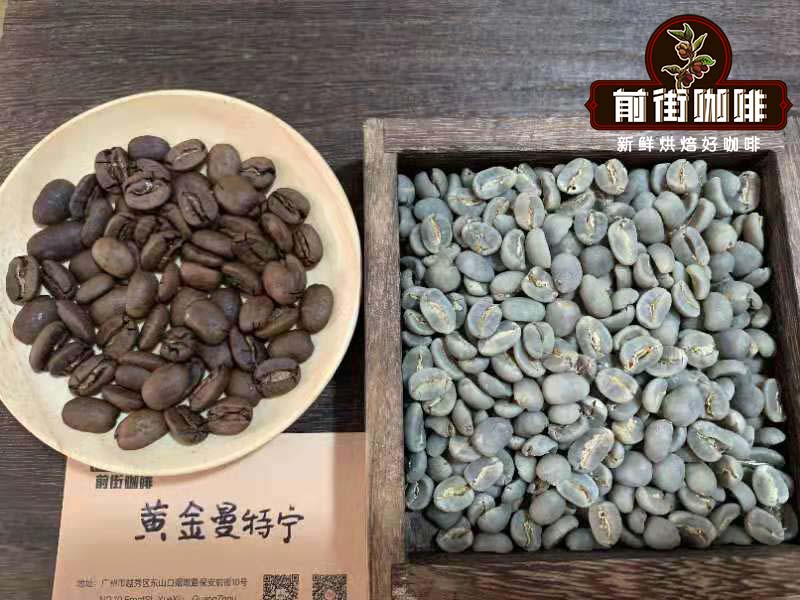
Golden Mandheling comes from the Gayo region in Aceh, Sumatra, Indonesia, grown at an altitude of approximately 1100–1600 meters. This coffee is made from the locally common Ateng variety and processed using the traditional wet-hulled method. This processing technique gives rise to its distinctive toast, nut, pine, and caramel notes, along with a hint of herbal undertone.
Indonesia is one of the few coffee-producing countries in the world where Robusta dominates, with only about 25% being Arabica. As the highest-altitude region in the country, Sumatra naturally becomes an important Arabica-producing area. Among Sumatra’s many regions, the Gayo Mountains in the north, Lake Toba, as well as the southern areas of Lidong and Tobasee, are all well-known Arabica coffee origins.
The Lidong region is considered the core producing area of Mandheling, and the coffee produced there is known as Lidong Mandheling, which is particularly outstanding in quality. Meanwhile, Lake Tawar in the Aceh Special Region, though smaller in size, has shown notable improvements in both coffee quality and yield in recent years, making it another noteworthy origin.
When talking about Indonesian coffee, one cannot overlook its most iconic processing method: wet hulling. This method originated from the region’s rainy climate, which makes full sun drying difficult, coupled with the higher costs of washed processing, leading to the development of this unique wet-hulled technique.
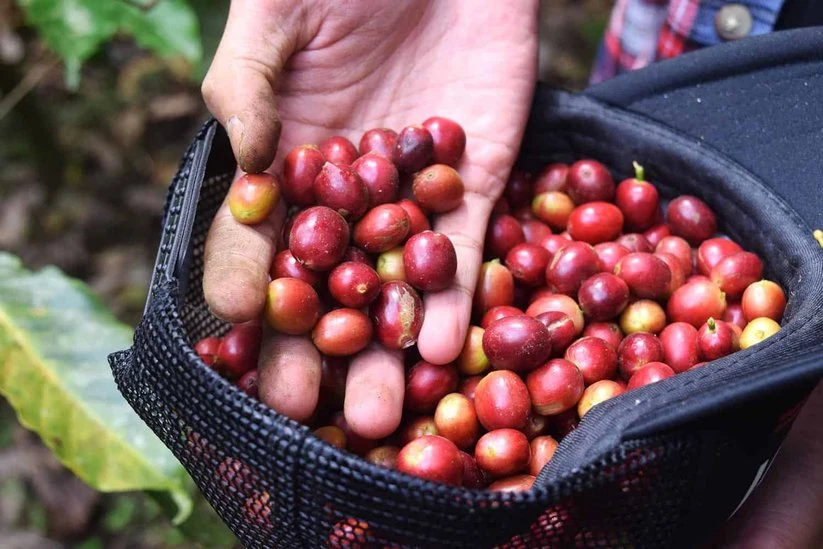
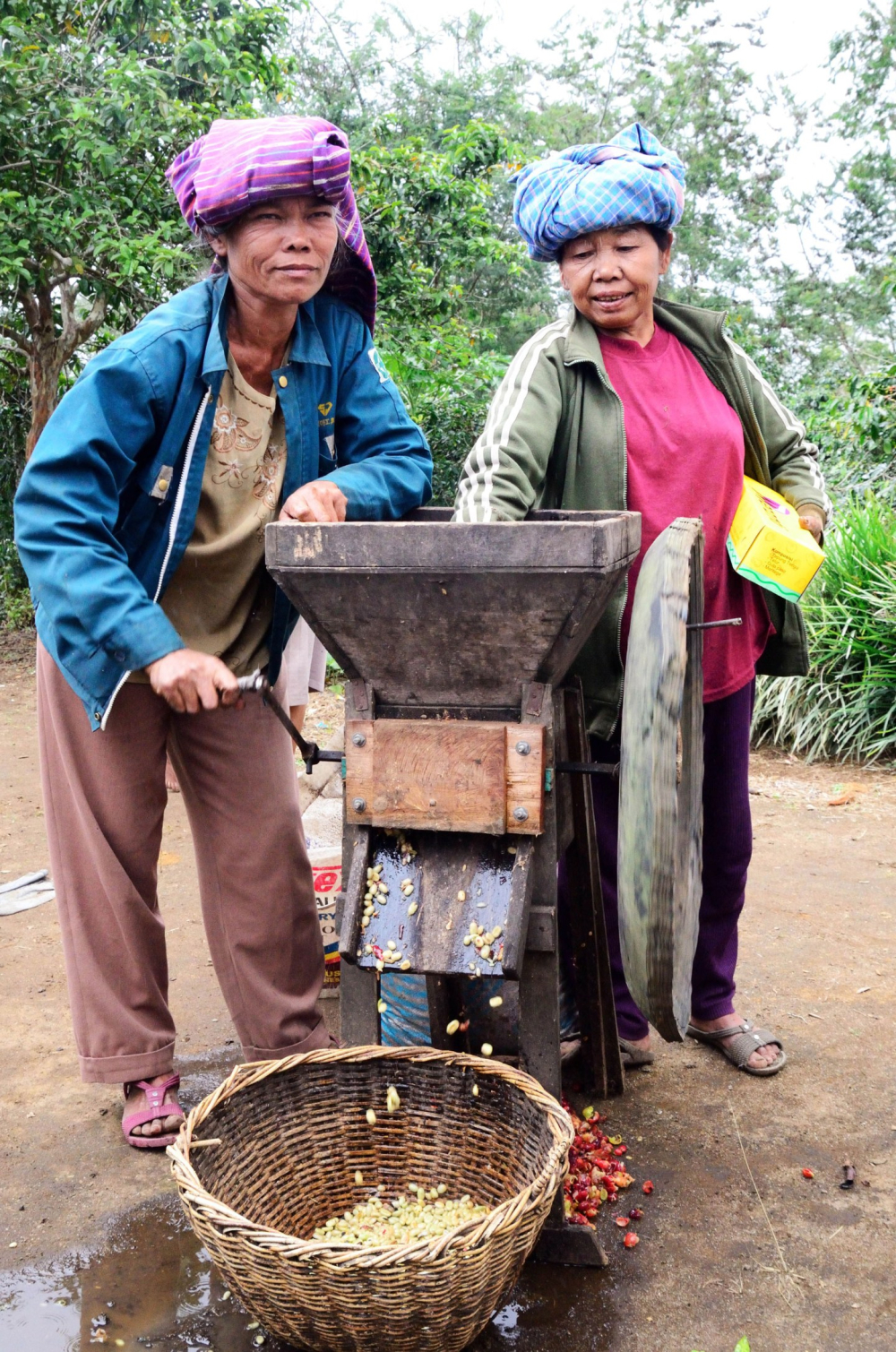
The so-called wet hulling process involves removing the skin and pulp of the coffee cherry first, followed by initial fermentation and sun drying until the moisture content drops to 30%–50%. Then the mucilage and parchment layers are removed, and the beans are further dried until the moisture level reaches about 12%–13%. During this process, the semi-hard, semi-soft green beans are prone to damage, resulting in the so-called “elephant ear” appearance, which is actually a common and normal trait of Mandheling, not a defect.
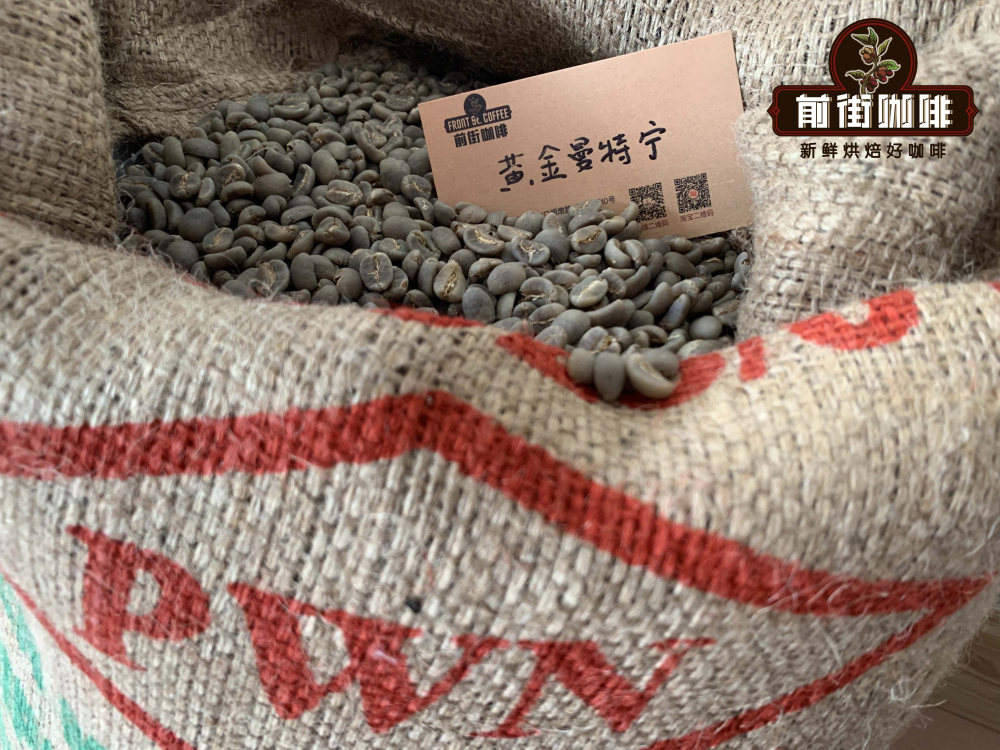
So, what is “Golden Mandheling”? This name originates from the well-known Indonesian coffee trading company PWN (Pusat Niaga Wangi). PWN focuses on purchasing high-quality Mandheling green beans from high-altitude areas in Sumatra and conducts rigorous manual sorting, selecting only plump and flawless beans, known as Golden Mandheling. It’s worth noting that PWN has registered “Golden Mandheling” as a trademark, meaning that only beans produced by this company can be rightfully called Golden Mandheling. Many similarly named products on the market are actually regular specialty-grade Mandhelings.
To brew a great cup of Golden Mandheling, choosing the right equipment is crucial. First, when selecting a pour over kettle, opt for one with a long, narrow spout and stable water flow, which helps achieve precise control over pouring. Beginners are advised to use a gooseneck kettle, which makes it easier to manage water speed and angle.
There is a wide variety of filter cones, commonly including fan-shaped, cone-shaped, and wave-shaped designs. Fan-shaped cones like KONO result in slower flow rates, highlighting a richer mouthfeel; cone-shaped cones such as V60 have faster flow rates, ideal for those seeking a cleaner flavor profile; wave-shaped cones feature a unique structure that offers more even extraction. In addition, metal filter cones can retain more coffee oils but may have issues with incomplete fine particle filtration.
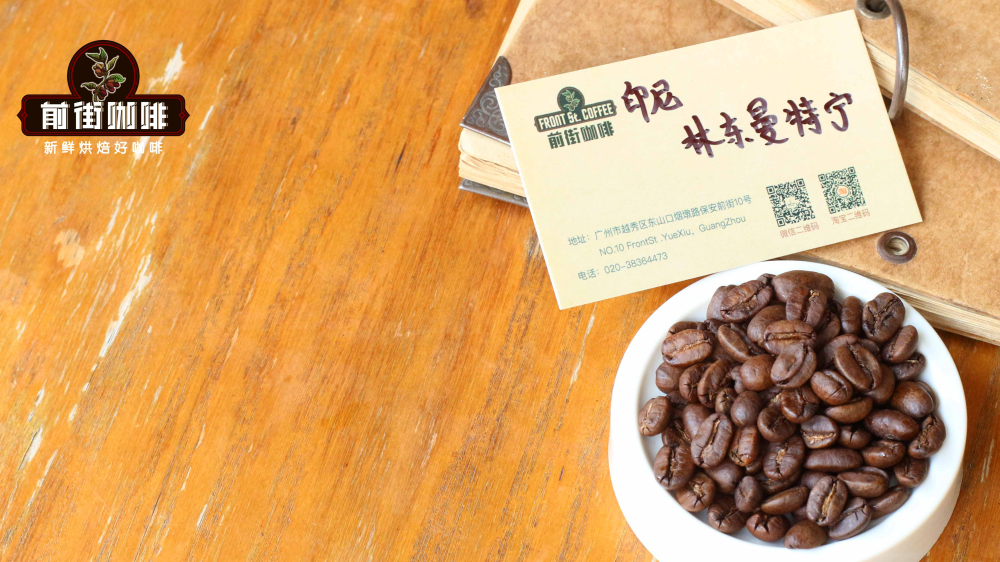
Regarding filter paper, there are both bleached and unbleached options, with the main differences lying in appearance and odor — both function effectively in filtering coffee grounds. Selection should match the type of filter cone used. The choice of grinder is also extremely important. Common types include burr grinders with flat, conical, or ghost (flat & conical hybrid) burrs, among which ghost burr grinders typically offer more uniform grind particle sizes.
A thermometer and digital scale are essential tools for controlling brew quality. A thermometer helps accurately measure water temperature; for light to medium roasts, 90–91°C is recommended, while for medium to dark roasts, 86–88°C is advised. A digital scale aids in precisely controlling the coffee-to-water ratio — a general recommendation is a 1:15 ratio, which yields a balanced intensity.
Additionally, a sieve or grind size analyzer is a practical tool for adjusting grind fineness. It is suggested to aim for 80% of particles passing through a Chinese standard No. 20 sieve as the baseline grind size for pour over, though actual use may require fine-tuning based on bean condition.
During actual pour over brewing, water temperature, grind size, and coffee-to-water ratio are three critical factors. Water that is too hot can lead to over-extraction, resulting in bitterness; water that is too cool may under-extract, leading to overly acidic flavors. For medium to dark roasted Golden Mandheling, it is recommended to keep the water temperature between 86–88°C.
For grind size, aim for around 70% of particles passing through a No. 20 sieve. This coarseness allows a rich release of flavor compounds within a moderate brew time. The recommended coffee-to-water ratio is 1:15, striking a balance between flavor and strength — suitable for most users.
Here’s a practical segmented pouring method to share: Start with a 30-second bloom using 30 grams of water to activate the coffee’s aroma. Then, pour in a small, circular motion until you reach 125 grams for the first pour. After a slight drop in water level, continue pouring up to 225 grams, then stop. Keep the total brew time around 2 minutes. This method enhances clarity of flavor layers and ensures a smoother mouthfeel.
Based on the above parameters, here are the recommended pour over settings for Golden Mandheling: Use a KONO filter cone, 15 grams of coffee, a 1:15 coffee-to-water ratio, 86–87°C water temperature, and a grind size of approximately 70% through a No. 20 sieve. Following the aforementioned segmented pouring technique will fully showcase its rich yet clean, well-balanced character, with prominent nutty and caramel notes, and a long, memorable aftertaste.
The above content is compiled by CoffeeHunters, a coffee news website.


