







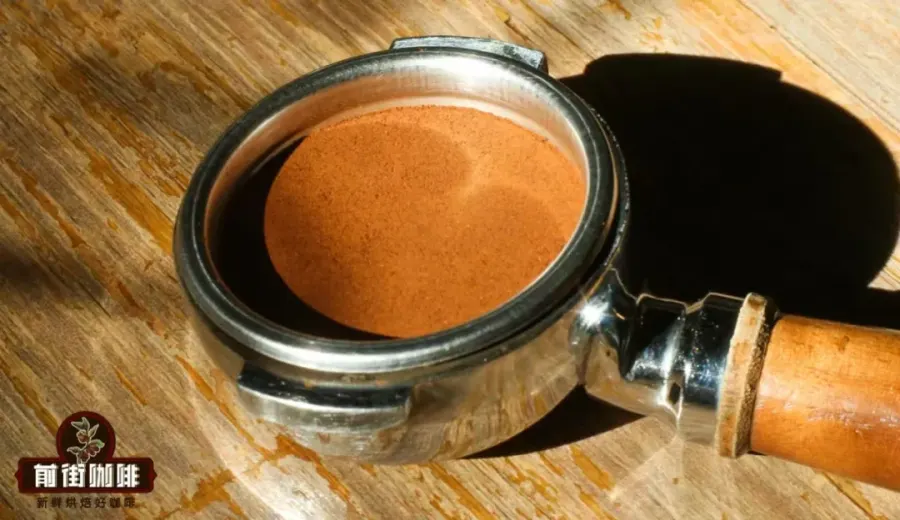
Introduction:The extraction quality of espresso is often determined by many details, among which the choice of portafilter basket is frequently overlooked but plays a crucial role. This article will delve into two core design parameters of portafilter baskets—diameter and capacity—and analyze how they influence puck formation, water-to-coffee contact area, and resistance, thereby altering the final extraction efficiency and flavor profile of the coffee. Understanding these principles can help you make more suitable accessory choices based on your equipment conditions, improving consistency in both home and café extractions.
In the process of crafting an ideal shot of espresso, many details can affect the final extraction performance, and while the portafilter basket may seem like a minor component, it is often the hidden key to success or failure. Many people only realize that the choice of basket might be the root of the problem when they encounter issues such as uneven extraction, channeling, or flavor imbalance. What exactly are the specific differences between baskets? And through what mechanisms do they influence extraction outcomes? This article will start with the two core elements—basket diameter and capacity—to provide a detailed analysis of how they affect the overall performance of espresso, helping you make more accurate judgments during selection and adjustment.
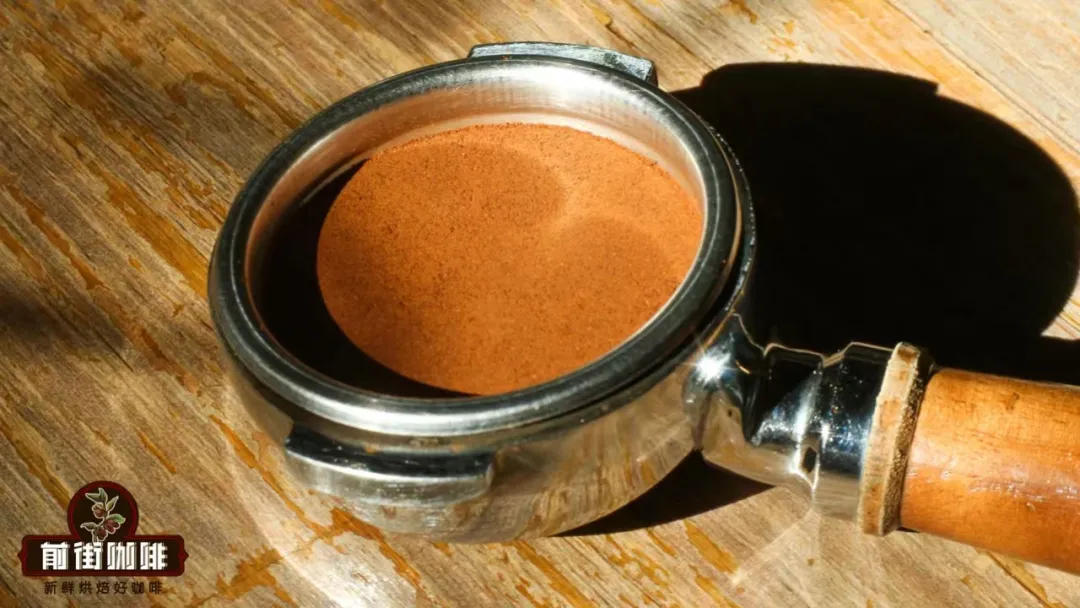
Although the portafilter basket is just a small part of the espresso machine accessories, it actually has a significant impact on the extraction result. It’s often said, “If your espresso extraction isn’t good, chances are you’ve chosen the wrong basket,” and this is not without reason. Different designs and specifications of baskets directly alter the physical characteristics of the coffee puck, thereby affecting water distribution, extraction time, and flavor release. So, what are the specific differences between baskets? And how do they influence the extraction process? Next, we’ll break down these questions in a simple and accessible way from several key dimensions.
First and foremost, the diameter of the portafilter basket cannot be ignored. If you’ve ever searched online for keywords like “portafilter basket,” “espresso machine accessories,” or “espresso equipment,” you’ve likely come across the numbers “51” and “58” frequently. These represent the two most common diameters of portafilter baskets/handles on the market today. When selecting an espresso machine or related accessories, this value is definitely worth considering, as it directly relates to the compatibility of the entire system.
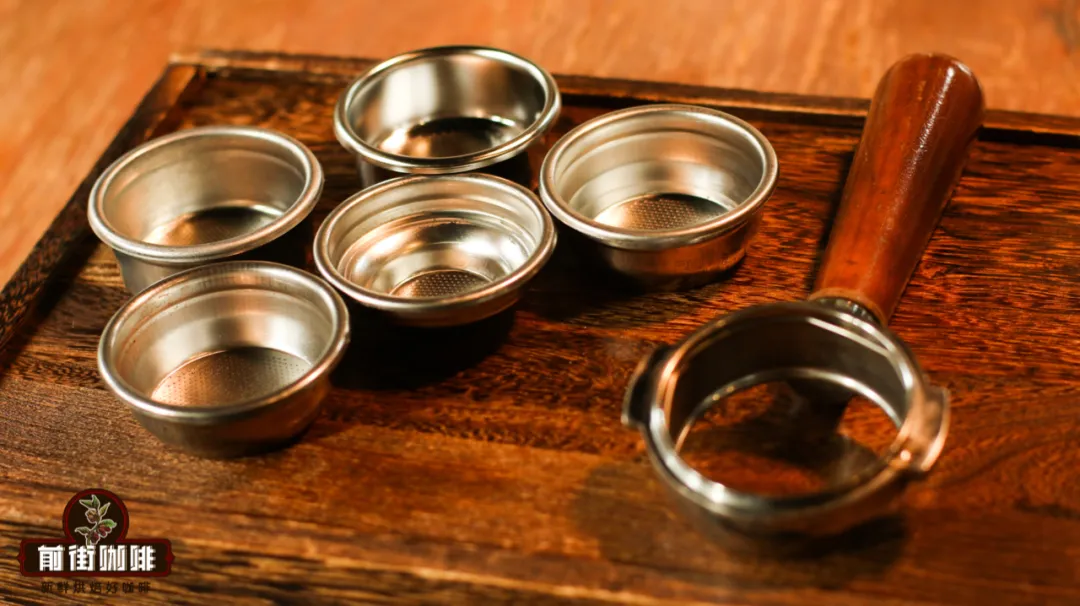
Why is diameter so important? Because the brew heads of different espresso machines are usually only compatible with portafilter baskets and handles of specific diameters, which is a hardware design limitation that cannot be arbitrarily changed. For example, if your machine is originally designed for a 58mm specification, you must use a basket, tamper, distributor, and shower screen of the same diameter; otherwise, improper sizing will prevent correct assembly or operation. In addition to 51mm and 58mm, there are other less common sizes on the market. Generally speaking, smaller-diameter baskets are more common in home or older models, while larger diameters are generally used in commercial or mid-to-high-end professional equipment.
The size of the portafilter basket diameter affects extraction in two ways: first is the surface area of the coffee puck. Simply put, the larger the diameter, the greater the contact area between the puck and hot water; conversely, a smaller-diameter basket limits the contact range between water and coffee grounds. The second factor is the thickness of the puck. With the same dose, a larger-diameter basket will form a thinner puck layer, while a smaller-diameter basket will produce a thicker puck. The thickness of the puck layer affects the resistance to water penetration, which in turn alters the extraction rate and uniformity, ultimately reflected in the flavor complexity and balance.
Another element that cannot be overlooked is the capacity design of the portafilter basket. Each basket has its recommended dosage range—both upper and lower limits—which is not arbitrarily set but rather the result of a comprehensive consideration of factors such as the basket’s structure, depth, and distance from the shower screen. The compacted puck must maintain an appropriate gap from the shower screen; if this gap is too small, it may lead to restricted water flow or even splashing; if it’s too large, water may pass through too quickly, resulting in under-extraction. Therefore, different baskets have their recommended ranges for coffee grounds, which directly influence the amount of coffee you can use and the final extraction flavor.
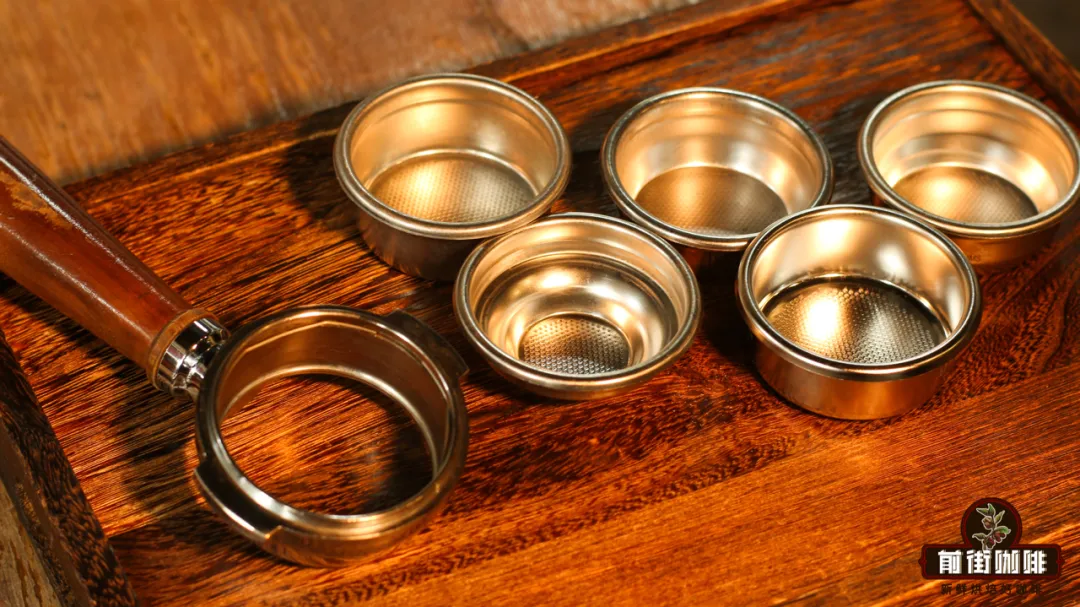
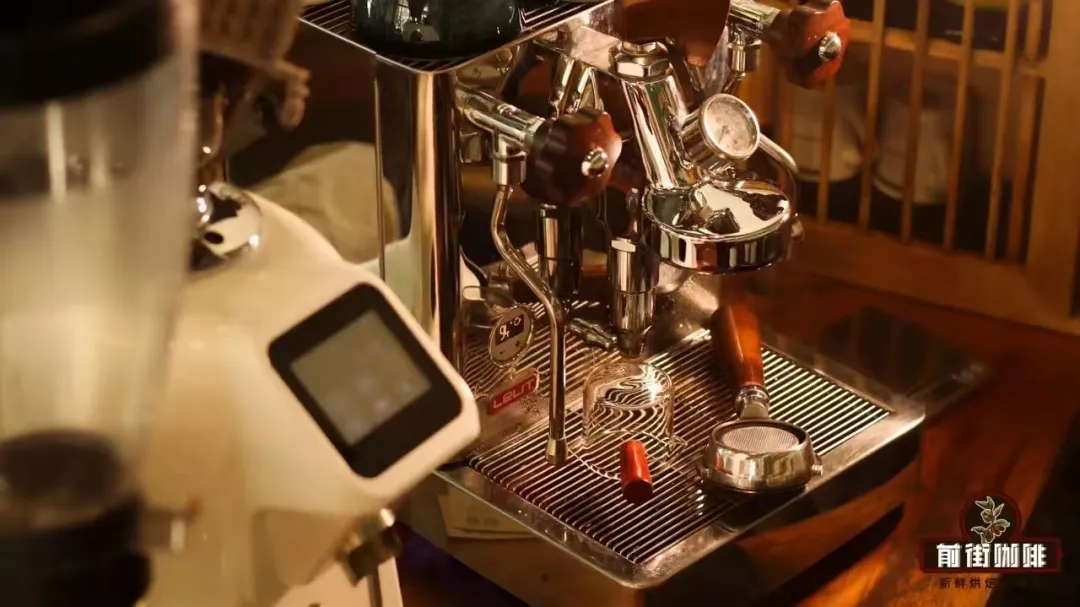
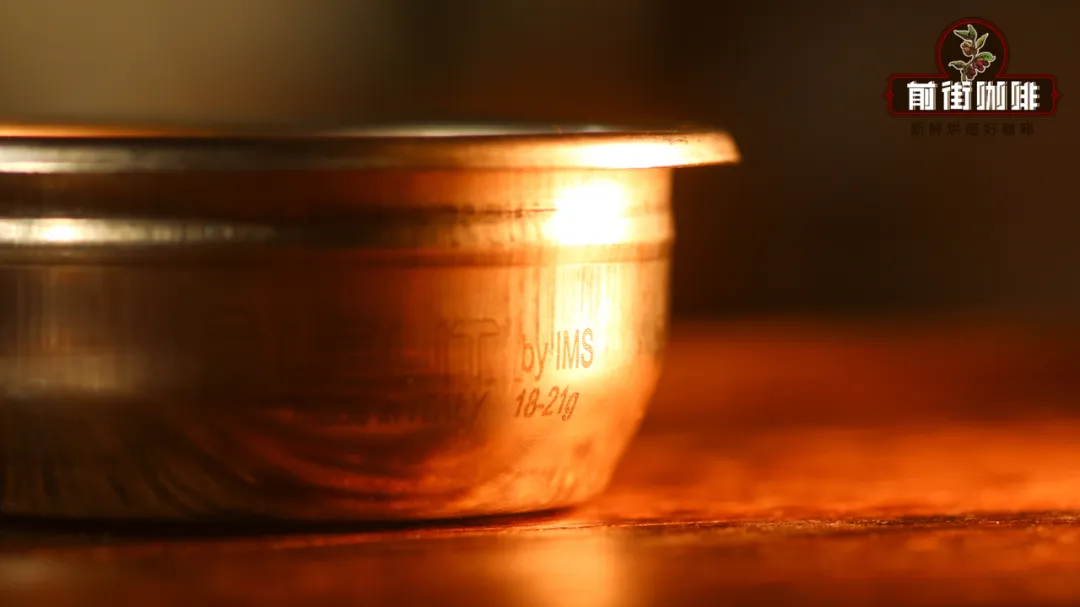
In short, if the amount of coffee you typically use exceeds the recommended capacity range of the basket, you may encounter issues with the puck being either too tight or too loose, which in turn affects extraction uniformity and flavor expression. This is why, when selecting a basket, in addition to considering the diameter, you should also pay special attention to whether the basket’s capacity design aligns with your brewing habits and coffee dosage. Understanding these basic design principles can help you more precisely control variables in practice—whether adjusting grind size, tamping pressure, or optimizing extraction time—you’ll have a clearer direction.
The above content is compiled by CoffeeHunters, a coffee news website.


