








Introduction:Blending Italian-style coffee beans is an art that emphasizes balance and consistency. This article delves into how to create blends with uniform flavor profiles—suitable for common Italian drinks like espresso and lattes—through the clever combination of beans from different regions and varieties. From the technical differences between pre-roast and post-roast blending to the flavor contributions of each bean variety in real recipes, it will guide you through the blending logic and practical techniques used by professional baristas.
Italian-style coffee blends are not just random mixtures of various beans, but rather a carefully selected combination of beans from different origins, varieties, and processing methods, allowing their flavors to complement one another to achieve a rich and consistently balanced taste. This blending method is particularly suitable for making espresso, lattes, and cappuccinos, delivering a more balanced acidity, sweetness, bitterness, and a rich mouthfeel.
In the professional coffee field, blends are also known as coffee mixes. Their core lies in leveraging both science and experience to bring out the strengths of each single-origin bean while compensating for their individual weaknesses. For example, if a certain bean has outstanding aroma but lacks body, it can be paired with another bean that has strong body but weaker aroma, thereby creating a more complete flavor experience.

There are two main blending methods: pre-roast (生拼) and post-roast (熟拼). Pre-roast blending refers to mixing green beans from different regions in set proportions before roasting them together. This approach preserves the original characteristics of each bean and allows them to influence each other during the roasting process. Post-roast blending, on the other hand, involves roasting each type of bean individually to its ideal level before mixing them according to the recipe. This method allows for more precise control over the roast degree of each bean and is suitable for blending formulas that prioritize detail.
When designing a blend recipe, the foremost consideration is flavor consistency. Since coffee beans are agricultural products, even beans from the same region and variety may show variations in flavor from year to year due to factors like climate and soil. By combining multiple beans, these natural fluctuations can be effectively buffered, ensuring that the blends produced each year maintain a similar flavor profile.

Additionally, achieving balanced flavor is another key objective of blending. The high-pressure extraction of espresso machines amplifies certain characteristics of the beans. If using beans from a single origin, the resulting espresso can easily become unbalanced if those beans are too acidic or bitter. Therefore, blending allows the acidity, sweetness, bitterness, and body of different beans to harmonize, creating a smoother and more universally appealing cup.
Consistency is also a crucial advantage of blended beans. For coffee shops or large-scale production scenarios, maintaining flavor consistency is vital. Blends can effectively reduce flavor fluctuations caused by a single origin or harvest year through the combination of multiple beans, ensuring customers have a similar experience with each cup.
In recent years, Single Origin Espresso (SOE) has gained popularity. This type of espresso is made using beans from a single origin and can showcase the unique characteristics of that region—such as the citrus notes of Yirgacheffe or the berry flavors of Kenya. However, while SOE offers distinctive flavors, it is also more susceptible to the influence of roasting, grinding, and extraction parameters. Moreover, the intense characteristics of a single origin may result in extreme flavor profiles that may not suit all consumers.
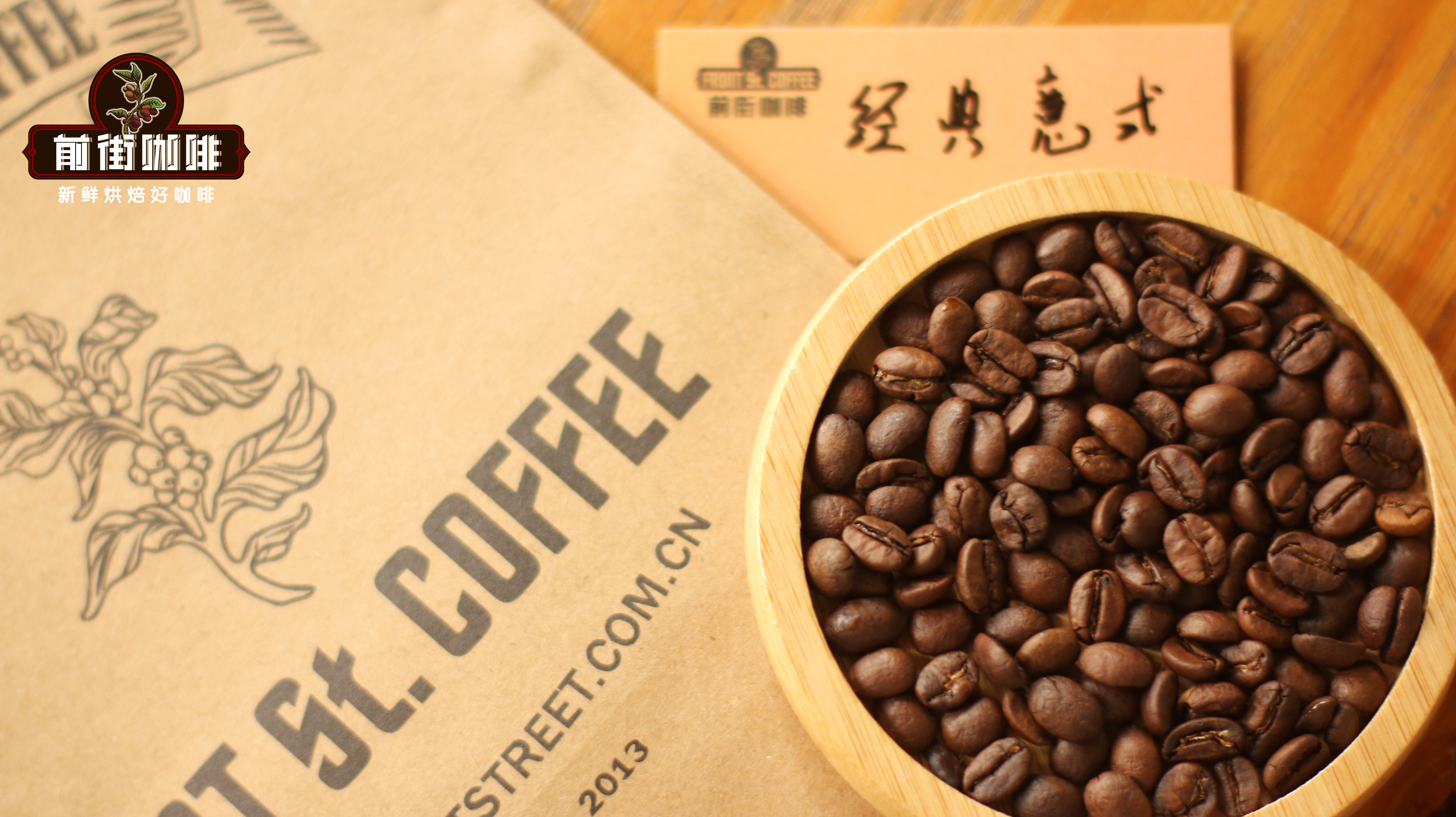
Taking an actual recipe as an example, a common Italian-style blend might use a combination of Colombian and Brazilian beans in a 3:7 ratio. The Colombian beans from the Huila region, grown at an altitude of about 1500–1800 meters with Bourbon and Caturra varieties processed via washed method, offer aromas of nuts, chocolate, and caramel, with moderate acidity and a solid body, making them a good foundation for the blend. The Brazilian beans from the Cerrado region, grown at a lower altitude (around 1000–1300 meters) and processed with semi-washed methods, have softer beans that respond well to medium roasting to bring out rich milk chocolate and nutty flavors. The combination of the two creates a balanced and smooth overall profile.
Another common commercial blend recipe incorporates Robusta beans, in a ratio of Colombian : Brazilian : Robusta at 3:6:1, using the pre-roast blending method. Although Robusta beans have a stronger flavor and higher caffeine content (about 2.2%, compared to Arabica’s 1.2%), they can add body and a balanced bitterness-sweetness to the blend, making them especially suitable for lattes and cappuccinos. They provide a richer mouthfeel and a longer-lasting aftertaste.

For consumers who prefer pour over or moka pot brewing, a blend of Yunnan AA and Brazilian beans (in a 3:7 ratio, post-roast blend) is another option. Yunnan AA, a Typica variety grown at high altitudes, offers fruity aromas and a rich body. When paired with the balanced characteristics of Brazilian beans, it delivers gentle fruit acidity, caramel sweetness, and dark chocolate notes—ideal for those who enjoy a milder flavor profile.
In summary, the key to a successful Italian-style blend lies in a clear target flavor profile, a rational combination of bean varieties, and precise control over roasting. Whether for commercial purposes prioritizing consistency or premium blends emphasizing flavor complexity, adjusting the recipe and technique based on actual needs is essential to creating a satisfying coffee experience.

The above content is compiled by CoffeeHunters, a coffee news website.


