







Introduction:Among the factors influencing coffee flavor, the raw bean itself accounts for the largest proportion, while roast level is one of the key elements that shapes its final flavor profile. How do you choose the most suitable roast degree based on bean variety characteristics, processing methods, and flavor goals? This article dissects the criteria for determining roast levels from a professional perspective, covering color value references, discharge temperature control, the critical windows of first and second crack, and analyzes the actual performance and selection logic of light, medium, and dark roasts using Mandheling, Yirgacheffe, and Geisha as examples — helping you better understand the formation process of coffee flavors.
The final flavor of a coffee is about 60% determined by the raw bean itself, 30% by the roasting process, and only 10% influenced by brewing technique. Therefore, choosing a roast level is not just a technical judgment, but also an understanding and interpretation of the bean’s characteristics. For roasters, there is no so-called absolutely correct roast level—only the flavor expression that best showcases the bean’s potential.
In professional practice, evaluating roast level is not based on any single indicator, but rather a comprehensive assessment of multiple factors: color values, discharge temperature, timing of first and second crack, as well as bean variety traits and market-historical backgrounds. This article will break down these key elements in an accessible way, and through practical cases of classic beans such as Mandheling, Yirgacheffe, and Geisha, illustrate the real-world performance of light, medium, and dark roasts along with the trade-off logic behind them.
Generally speaking, the industry often uses post-roast bean color as the basis for judging roast level. Terms commonly heard like “cinnamon roast,” “city roast,” and “French roast” are derived from the depth of the bean color. However, this standard is not 100% precise, especially when dealing with beans from different regions or processed differently — exceptions are common. For instance, some regional beans, due to their inherently high density or lower sugar content, may not easily darken even with extended roasting times, yet their flavors have already changed noticeably; conversely, some bean varieties, because of their high sugar content, might display intense caramel or chocolate notes even under seemingly lighter hues. Therefore, color value can only serve as a reference, not an absolute standard.
Additionally, many people are accustomed to using discharge temperature to determine roast level. But in reality, differences in roaster models, heating methods, and hot air circulation efficiency can all affect the actual discharge temperature. For example, some Japanese roasting profiles often fall between 230–240°C, which may differ significantly from common reference values. Thus, discharge temperature also serves only as an auxiliary reference, not the sole basis.
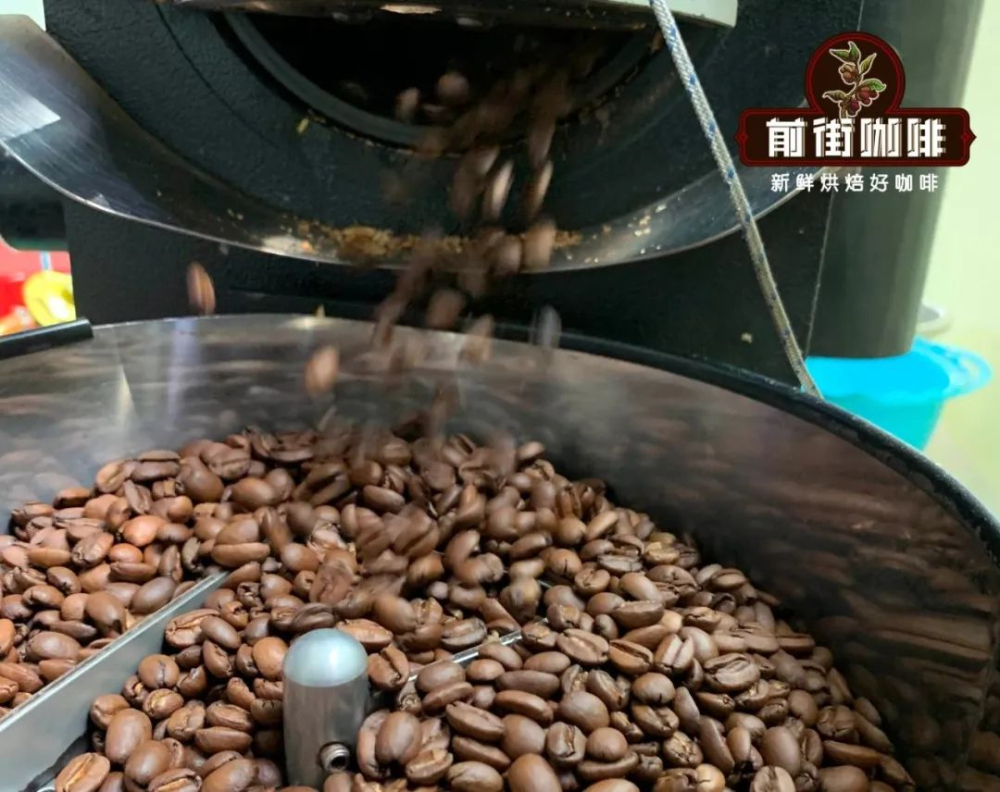
The essence of roasting is using heat to induce dramatic chemical and physical changes within the raw bean. During this process, the coffee bean undergoes dehydration, Maillard reactions, caramelization, and releases a large amount of volatile aromatic compounds during first and second crack. The entire process takes roughly ten to fifteen minutes, with temperatures reaching over two hundred degrees Celsius. Throughout, the bean expands, loses moisture, changes in color and density, and gradually develops complex layers of sourness, sweetness, bitterness, and saltiness.
Theoretically, a barista can choose to drop the beans at any point after first crack. But to balance flavor expression and risk management, it’s common to continue roasting for about 2–3°C after entering first crack, allowing the aroma more room to develop. That is to say, starting from around 2°C after first crack, up to the early stage of second crack — this brief span of approximately 10°C — is often simplified into three main categories: light roast, medium roast, and dark roast. Although the discharge temperatures of these roast levels may differ by just a couple of degrees, their appearance, flavor, and mouthfeel can vary significantly. Therefore, a comprehensive judgment based on color, bean appearance, and flavor profile is necessary.
In technical terms:
Light roast typically occurs in the mid-to-late stage of first crack. At this point, the Maillard reaction has just begun, enzymatic activity still dominates, and the organic acids in the bean (such as citric acid, malic acid, acetic acid) have not been significantly broken down. As a result, acidity is bright and bitterness is extremely low — making it very suitable for drinkers who prefer a clean, bright acidic profile. Coffees at this stage usually exhibit pronounced floral-fruity aromas, honey-like sweetness, and tea-like nuances.
Medium roast lies between the end of first crack and before second crack, and is the roast range most often chosen for many specialty coffees. Here, caramelization and Maillard reactions interact, achieving a better balance between acidity and sweetness. Bitterness begins to emerge but does not overpower the acidity, resulting in an overall rounded and smooth profile, often accompanied by layers of caramel, nuts, and chocolate. This range can highlight the bean’s regional characteristics and processing method flavors, and is also the most commonly used roast level in many professional coffee shops.
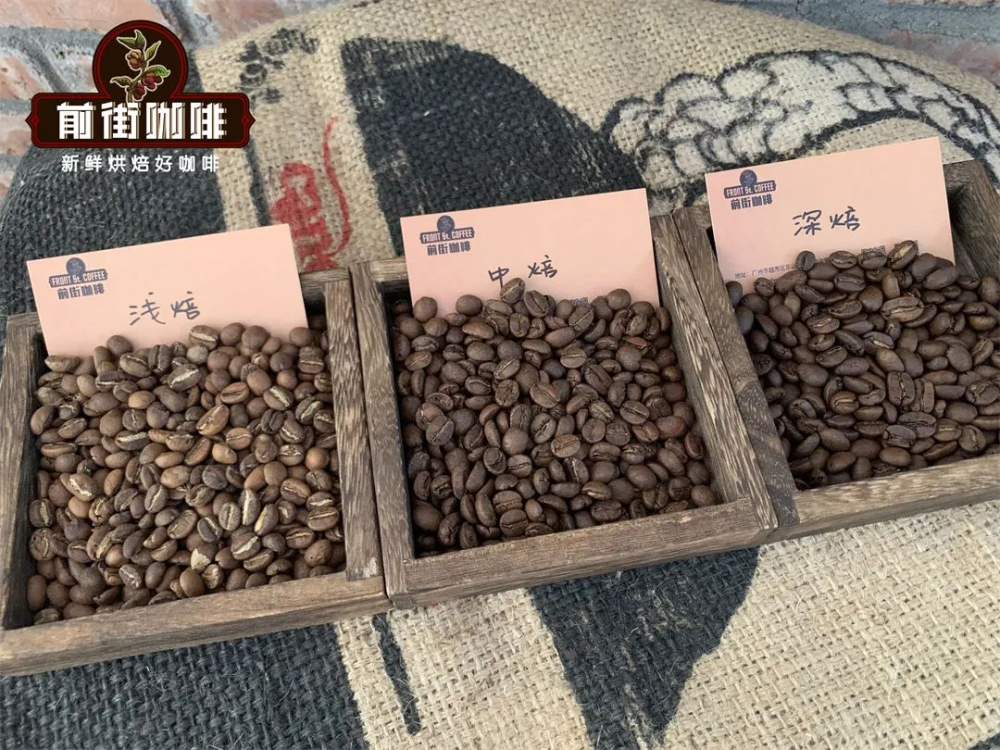
Dark roast refers to the roasting stage after the start of second crack. At this point, the Maillard reaction dominates, caramelization winds down, and the bean produces noticeable resinous, spicy notes, and may even exhibit carbonized flavors. Dark roasted beans usually have stronger bitterness, lower acidity, but showcase a rich, full-bodied mouthfeel and concentrated sweetness — making them suitable for pairing with milk or for making espresso.
So, how exactly do you decide how dark a bean should be roasted? There are two main considerations: historical tradition and bean variety characteristics.
First, from a historical standpoint, in the past, consumers didn’t pursue coffee flavors as meticulously as they do today; instead, they valued its function as a stimulant. Against this backdrop, dark roasting long dominated the market, especially in traditional origins like Blue Mountain, Mandheling, Colombia, and Brazil. Dark roasting could not only mask certain defects, but also create a rich, full-bodied mouthfeel. For example, Mandheling comes from Sumatra, Indonesia. The region’s high altitude, volcanic soil, and unique triple-washed giling basah (wet-hulled) process give it strong herbal and woody aromas, along with low acidity. To enhance these features, producers usually opt for dark roasting, which emphasizes its body and lingering sweetness. If light or medium roasting were used instead, the acidity might become overly prominent, losing the layered and steady character that Mandheling is known for.
Secondly, the shape and processing traits of the bean variety directly influence roasting strategy. Take Yirgacheffe, for instance — this Ethiopian coffee is famous for its bright citrus acidity and floral notes, yet it is often roasted lightly. The reason is that Ethiopian coffee beans vary in size, and official grading isn’t based on size but on defect rate and heirloom (Heirloom) variety. Due to significant differences in bean density and size, excessively long roasting times or overly high temperatures could lead to small beans being burnt while larger ones remain underdeveloped. To preserve its delicate floral-fruit tones and avoid flavor loss, roasters often choose a quick-drop light roast strategy to maximize its unique bright acidity and fruit aroma.
Another example is Geisha — a variety highly regarded in recent years for its distinctive floral, tropical fruit notes, and tea-like body. Geisha beans are usually more slender and relatively large in size compared to typical Ethiopian beans, and may require slightly longer roasting times for even heating. Yet to preserve its subtle aromatic compounds, roasters often opt for a medium-light roast level, allowing the beans to fully develop their aroma layers during development while avoiding excessive caramelization or Maillard reactions that could mask their original flavors.
In summary, choosing a coffee roast level is an art that combines science, experience, and sensory judgment. Whether it’s color value, discharge temperature, or the timing of first and second crack — they are all just tools for辅助判断. The true core lies in understanding bean variety traits, respecting regional terroir, and using roasting techniques to transform that potential into outstanding flavor in the cup.
The above content is compiled by CoffeeHunters, a coffee news website.


