







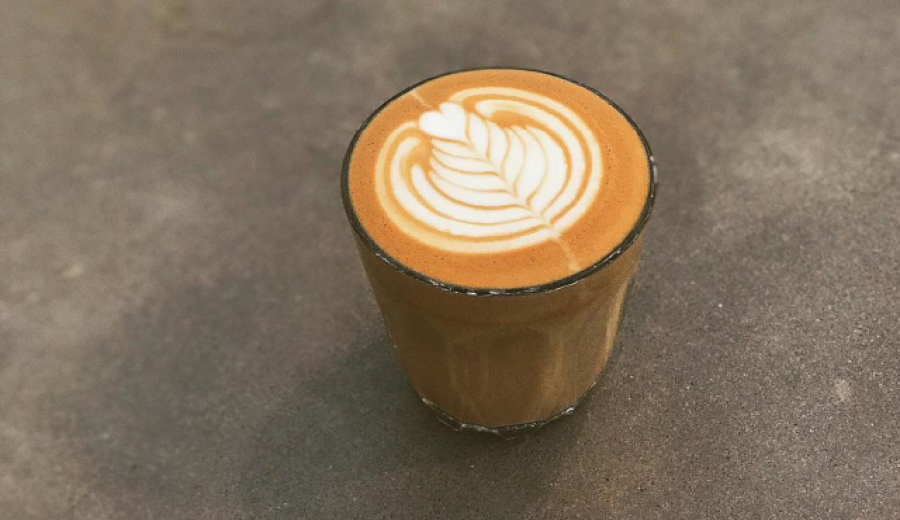
Introduction:The Piccolo Short is a beloved mini milk coffee in Sydney cafes in recent years. Not only is it compact in size, but it also highlights the delicate flavors of the coffee beans. This article will take you through its origins, recipe debates, and actual preparation to deeply understand this short macchiato-style latte that originated in Australia yet embodies a strong Italian spirit. We’ll also share tips on milk ratios, extraction essentials, and tasting techniques so you can recreate this mini specialty coffee at home.
Among many milk-based coffees, lattes, cappuccinos, and Flat Whites are all well-known classics. But when it comes to the Piccolo Short (short macchiato latte), many may be puzzled. This mini coffee, which originated in Australia, has only half the volume of a regular latte but boasts a rich coffee aroma and delicate milk foam texture, making it an excellent choice for coffee enthusiasts to evaluate bean flavors.
"Piccolo" means "small" in Italian, and this short macchiato latte is indeed famous for its compact size and refined flavor. Its volume is usually only 90 to 100 milliliters, about half that of a standard latte, and can be sipped in just two or three mouthfuls. It’s perfect for those who want to savor the essence of coffee without consuming too much caffeine or milk.
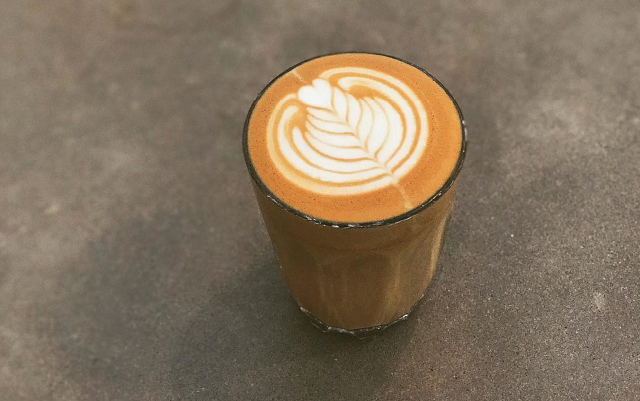
Many people, upon first seeing the name "short macchiato latte," wonder how it relates to a musical instrument. In fact, "Piccolo" is both the name of a small flute and means "small" in Italian. The birth of this coffee actually stems from the practical needs of baristas during cupping. To more accurately assess the extraction performance of coffee beans, many roasters compare brewed coffee with and without milk. However, since standard latte cups are large, leftover coffee is often wasted. As a result, some began reducing the amount of milk, eventually developing this mini latte designed specifically for evaluation.
As there is no strict international standard, baristas around the world still have varying opinions on the recipe for the short macchiato latte. Some use traditional espresso as the base, while others prefer a more concentrated and shorter-extracted ristretto. Regardless of the method chosen, the final flavor presented is closely related to the coffee beans used.
Locally in Australia, many specialty cafes use their own house-blended beans to make the short macchiato latte. For example, blending 70% Honduran Sherry-flavored beans with 30% Ethiopian Yirgacheffe sundried Red Cherry beans. The former brings a rich whiskey-like aroma, vanilla, and creamy layers, while the latter adds bright tropical fruit acidity and a natural fermentation character. The overall profile is both bold and full of variation.
To make an authentic Australian-style short macchiato latte, it’s recommended to use a small cup with a capacity of about 90 to 100 milliliters and preheat it to maintain the optimal drinking temperature. The golden ratio of coffee to milk typically falls around 1:5, meaning using one part ristretto mixed with an appropriate amount of textured milk. When extracting ristretto, it’s suggested to use about 20 grams of coffee grounds to yield 28 grams of coffee liquid, with extraction time controlled between 20 to 25 seconds. The first 14 grams extracted—what we call the ristretto—has a more concentrated and intense flavor.
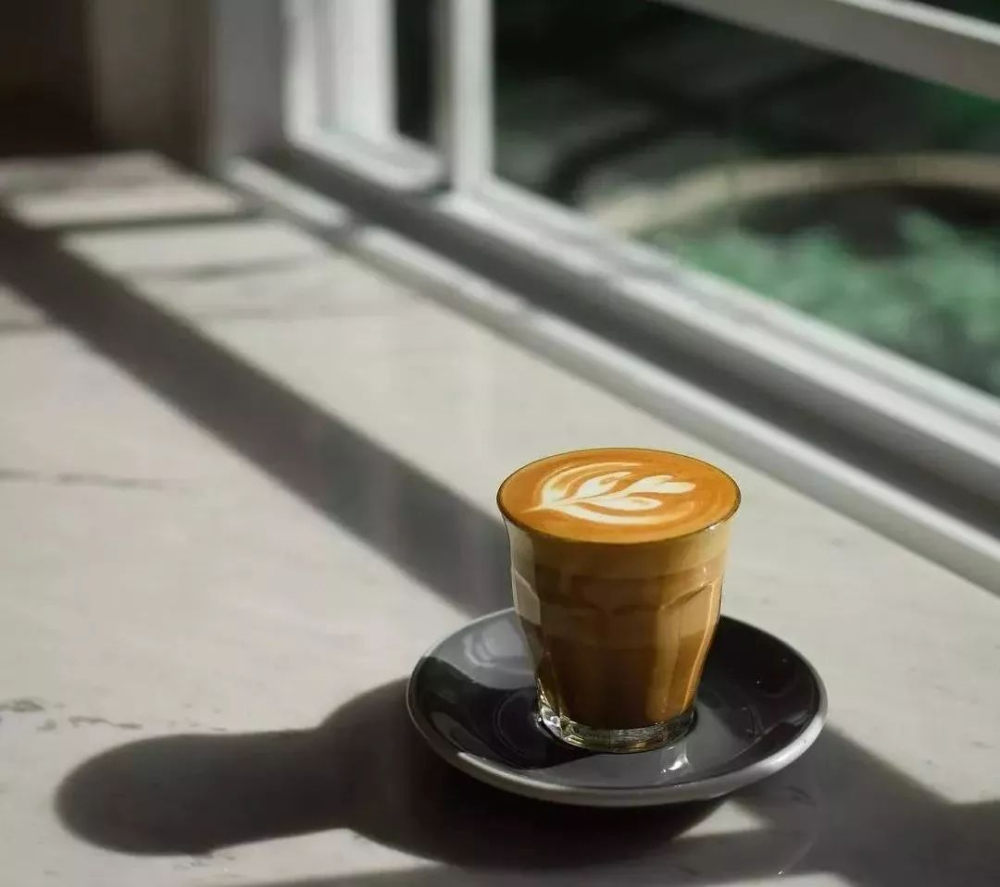
As for the milk, it’s recommended to use a 350-milliliter pitcher and pour in 100 milliliters of milk for texturing. Since the short macchiato latte doesn’t need to fill the entire cup like an Aussie flat white, the milk foam layer can be slightly thicker, maintaining about 0.3 to 0.5 centimeters of fine microfoam. The texturing temperature should be controlled between 55°C to 60°C, ensuring it’s not too hot upon drinking while preserving the milk’s sweetness and silky texture. During the pouring stage, the ristretto and milk foam should be evenly mixed to about seven-eighths full, followed by a simple latte art design if desired. It’s best to enjoy it immediately after preparation to experience its optimal flavor.
When drinking the short macchiato latte, it’s recommended to first gently sniff the aromas released from the cup. Typically, you’ll detect notes of vanilla, cream, chocolate, and a hint of whisky-infused chocolate tone. If the beans are well-chosen, you might also perceive a refreshing acidity reminiscent of berries. For the first sip, take it slowly to allow the milk foam and coffee liquid to fully integrate in your mouth, appreciating its delicate texture and layered complexity. After swallowing, pay attention to the aftertaste’s lingering quality. Finally, you may pair it with a sip of water to refresh your palate and further appreciate the coffee’s finish and layers.
The above content is compiled by CoffeeHunters, a coffee news website.


