








Introduction:Many coffee beginners often confuse the concepts of 'espresso coffee' and 'espresso', and are unclear about how to adjust factors like coffee dose, water temperature, and pressure to achieve optimal extraction. This article will delve into the differences between the two, analyze the principles and practical applications of the Golden Cup extraction standard, and from a hands-on perspective, explain how parameter adjustments can highlight the flavor layers of coffee, further enhancing your understanding and appreciation of espresso.
In the world of specialty coffee, the terms 'espresso coffee' and 'espresso' are often used interchangeably, but they actually carry different meanings. Espresso coffee broadly refers to various coffee beverages extracted using high-pressure espresso machines, while espresso is the most representative foundational type among them. Understanding the distinction between the two is the first step in mastering the logic of espresso extraction.
To deeply understand espresso, one must mention the 'Golden Cup extraction standard'—a system that scientifically evaluates the efficiency and flavor balance of coffee extraction. This standard indicates that the ideal extraction range should fall between 18% to 22% of the coffee's soluble substances. Too little leads to under-extraction and flat flavors, while too much may result in over-extraction and increased bitterness.
Traditionally, the Specialty Coffee Association of America (SCAA) established a classic set of parameters for espresso: using 7 to 9 grams of coffee grounds, at a water temperature of 88 to 92°C, with 9 atmospheres of pressure, extracting approximately 45 milliliters of espresso within 22 to 28 seconds. However, with the evolution of roasting techniques and consumer markets, these figures are no longer absolute standards.
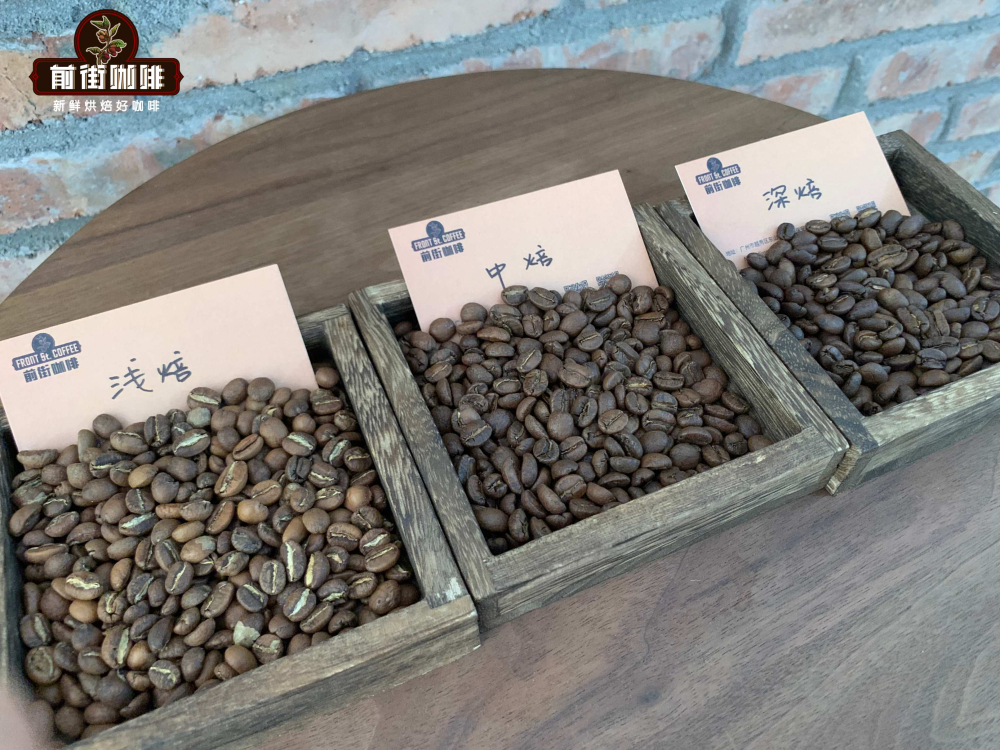
For example, dark roasts, which were highly popular in the past, emphasized nutty and cocoa flavor profiles, and even slightly burnt or bitter notes were acceptable. But in the third wave of specialty coffee, consumers now prefer lighter roasts that showcase bright flavors such as floral, citrus, or berry notes. This shift has required adjustments to extraction parameters—for instance, increasing the water temperature to 92 to 94°C and shortening the extraction time to avoid over-extraction and flavor imbalance.
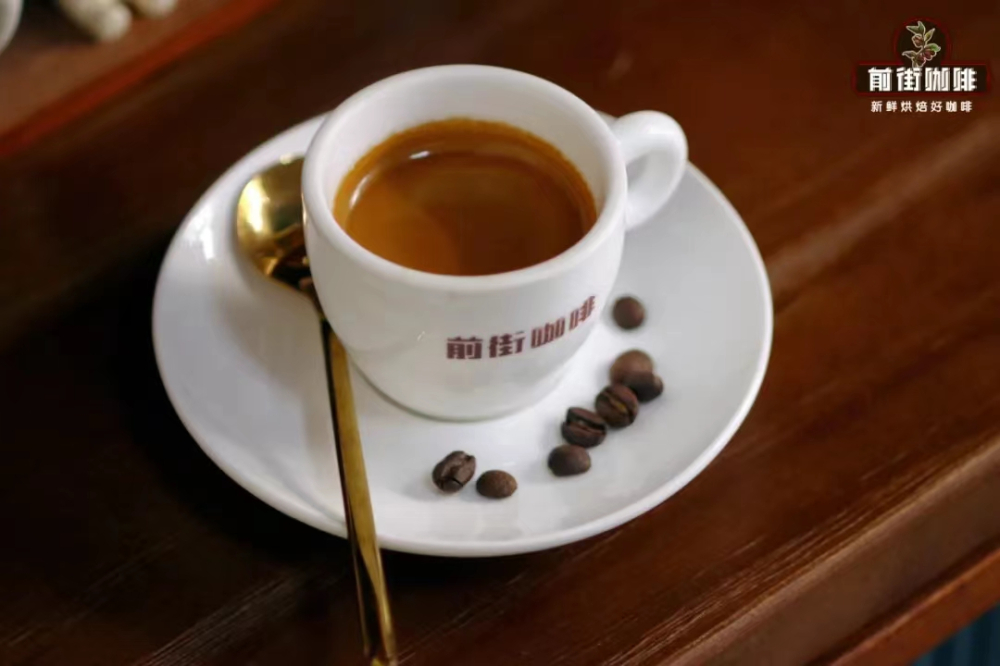
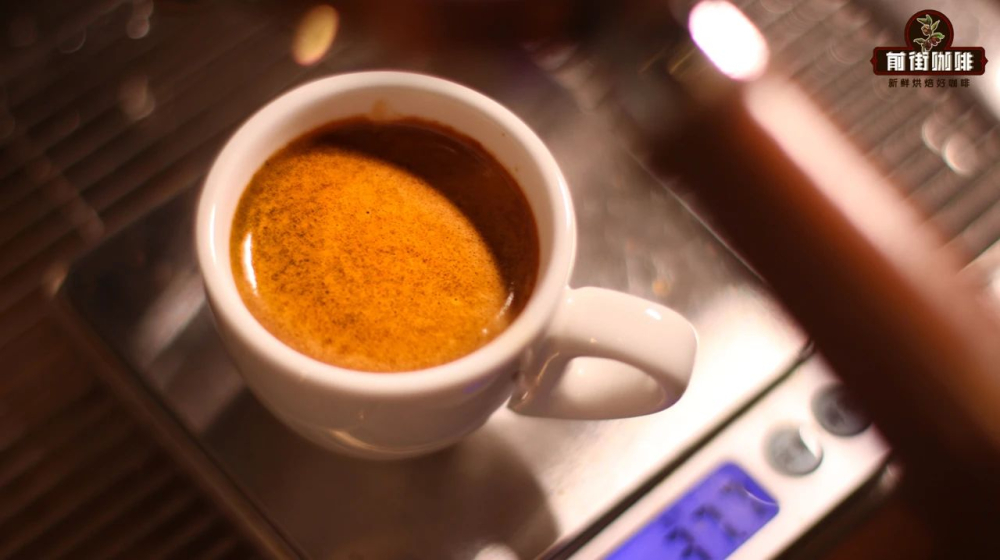
The contemporary trend in espresso extraction has also gradually shifted from merely pursuing liquid volume to more precise control over shot weight. This is because the thickness of the coffee crema is influenced by multiple factors such as pressure, roast level, and bean freshness, so relying solely on extraction volume can easily lead to misjudgment. Currently, the industry generally recommends using a dose of 18 grams and extracting around 30 grams of liquid, with an extraction time of 25 to 27 seconds, which helps stabilize the expression of coffee layers and flavors.
Advancements in espresso machine technology have also freed extraction pressure from being limited to the traditional 9 atmospheres. Many modern machines now offer variable pressure and pressure profiling features. By introducing low-pressure pre-infusion or gradually reducing pressure in the mid-to-late stages, they can guide completely different flavor directions. Even with the same coffee beans, adjusting the pressure profile can produce diverse expressions ranging from rich body to bright fruit acidity.
In practical operations, key parameters affecting espresso extraction include: dose, water temperature, time, pressure, grind size, and brew ratio. First, the choice of dose should be adjusted according to the portafilter basket capacity—too little can lead to channeling and under-extraction, while too much may prevent proper sealing of the extraction head. Second, water temperature settings are usually close to boiling point, around 90 to 96°C, which facilitates the release of coffee compounds, though minor adjustments should be made based on roast depth.
Extraction time is closely related to pressure. Early machines had pressures just slightly above atmospheric, making it difficult to form rich crema. It wasn’t until the widespread use of the Faema E61 machine that the stable pressure of 9 bars became mainstream, giving rise to espresso’s signature rich texture and crema. As for grind size, it needs to be flexibly adjusted based on daily climate, humidity, and the roast date of the beans. Too fine a grind can lead to over-extraction, while too coarse may result in incomplete extraction.
Taking practical experience as an example, a common setup using a Galileo Q18 grinder paired with a Faema E98 machine typically includes the following extraction parameters: grind size 2.1, water temperature controlled between 90.5 to 96°C, pressure maintained within 9 bars ±2, total extraction time between 20 to 30 seconds, using approximately 19.7 grams of coffee grounds, and finally extracting about 35 milliliters of espresso. This combination can maintain stable crema performance while highlighting the aroma and layered flavors of the coffee.
Through fine-tuning the above parameters, espresso can exhibit rich notes of wine, vanilla, and creamy body, along with berry acidity and a lingering dark chocolate finish, delivering a smooth and full-bodied mouthfeel. These flavor profiles often come from specific blend compositions, such as a mix of Honduran Sherry and Ethiopian Natural Red Cherry. The former, processed through sherry wine barrel fermentation, brings unique winey aromas and sweetness, while the latter contributes bright berry characteristics, making the overall flavor more distinctive.
When tasting espresso, it’s recommended to first cleanse your palate with a sip of ice water to help more acutely perceive flavor details. Additionally, you can use a small spoon to observe the thickness and uniformity of the crema layer, or even gently stir the coffee liquid to allow the upper and lower layers of extraction to fully integrate, improving the overall balance of the mouthfeel. These seemingly simple details are actually essential for truly experiencing the charm of espresso.
The above content is compiled by CoffeeHunters, a coffee news website.


