








Introduction:Caturra is a natural mutation of Bourbon that originated in Brazil. It is renowned for its compact plant size, strong adaptability, and bright acidity. This article provides a detailed overview of its historical origins, cultivation advantages, flavor differences at varying altitudes, and how common processing methods (natural and washed) affect its flavor profile. It also includes practical cupping references to help readers gain a deeper understanding of this classic mid-to-high altitude variety.
Caturra is a natural mutation of Bourbon that was first discovered between 1915 and 1918 in coffee plantations in Minas Gerais, Brazil. At the time, some Bourbon plants underwent a genetic mutation that resulted in their stature becoming notably shorter, almost "dwarfed." This characteristic was referred to locally in the Guaraní language as “Caturra,” meaning “small.” In addition to its significantly reduced plant height, Caturra also exhibited many advantages suitable for commercial cultivation, which gradually drew attention to the variety.
This variety has a relatively short tree structure, which not only facilitates harvesting but also allows farmers to plant at higher densities, effectively increasing yield per unit area. Compared to traditional tall coffee trees, Caturra’s secondary branches are more closely spaced, and it produces a greater number of coffee cherries. Furthermore, one of its most notable features is that it does not require shaded growing conditions and can thrive even under direct sunlight. As a result, it is often referred to as “sun coffee” and has relatively lenient environmental requirements for cultivation.
Caturra thrives at elevations between 700 and 1700 meters. Generally speaking, the higher the planting altitude, the better the flavor performance of the resulting coffee beans. In high-altitude regions, the significant diurnal temperature variation slows the ripening process of the coffee cherries, aiding in the accumulation of flavor compounds. This enables Caturra to exhibit a richer complexity and more refined acidity.
In terms of flavor characteristics, Caturra shares similarities with Bourbon, both showcasing bright acidity and good sweetness. However, its body is typically slightly lower than that of Bourbon, and its mouthfeel can occasionally lack a bit of cleanness. During cupping, Caturra often displays a clear and vibrant acidity, which has helped secure its place in the specialty coffee scene. Based on practical cupping experiences, Caturra under traditional processing methods particularly highlights its bright acidity, with an overall lively flavor profile. When processed well, its sweetness can also reach a satisfying level.
Different processing methods have a significant impact on the flavor direction of Caturra. Naturally processed Caturra beans often exhibit distinct berry notes, with lively fruit acidity upon entry, reminiscent of sipping fresh berry juice, delivering a warm and energetic taste experience. On the other hand, washed processing accentuates its citrusy acidity, akin to the refreshing sourness of lemonade, while retaining a certain level of sugary sweetness and a clean aftertaste. This is a common processing method in many Central and South American producing regions.
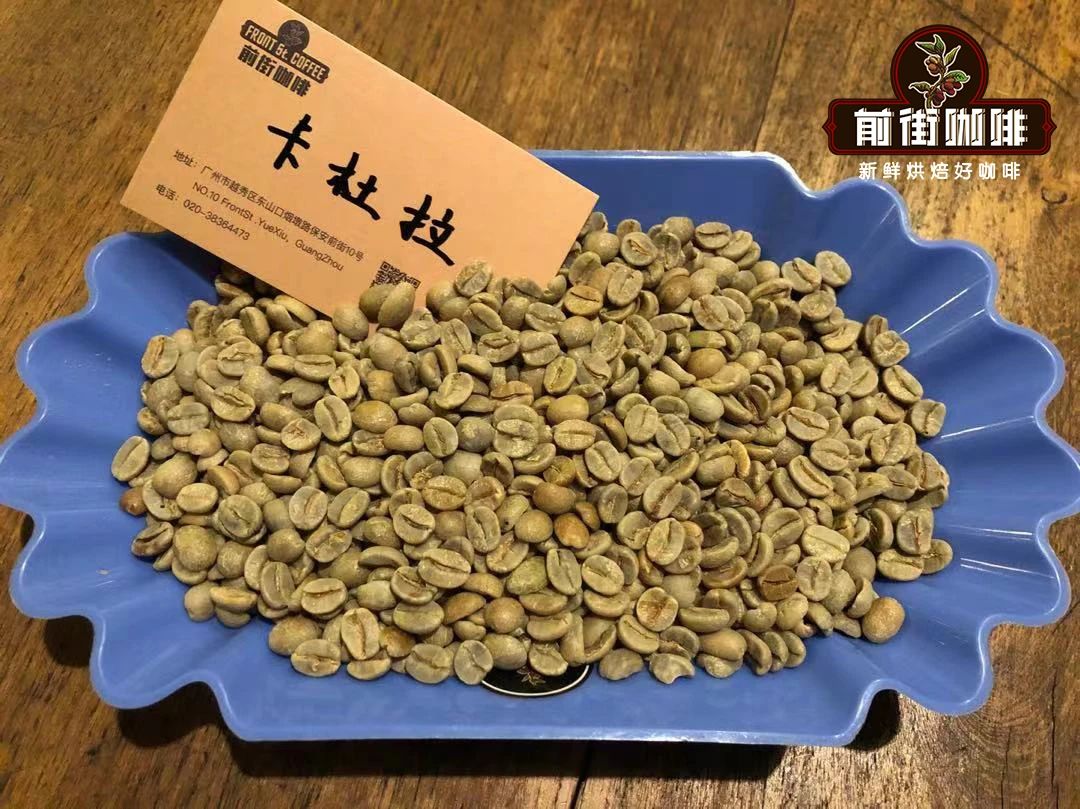
Regarding the influence of altitude, Caturra planted at elevations between 1500 and 1800 meters can showcase a more complex flavor spectrum. For example, Caturra beans from the Huila region of Colombia are often processed using the washed method and, after medium roasting, present a balanced profile of nuts, dark chocolate, caramel, and soft citrus acidity. Such beans are generally considered an excellent choice for entry-level specialty coffee, suitable for everyday pour over sessions or as an introductory taste of mid-to-high altitude Caturra characteristics.
It’s worth mentioning that, like Bourbon, Caturra exhibits what is known as a “biennial yield cycle,” meaning its yield and quality fluctuate noticeably every other year. This is due to the physiological characteristics of the coffee tree. Understanding this trait helps coffee farmers plan their harvesting and processing schedules, and also allows consumers to have more reasonable expectations regarding flavor variations when tasting.
In summary, as a natural mutation of Bourbon, Caturra has become one of the important cultivated varieties in many coffee-growing regions worldwide, thanks to its compact tree size, adaptability to high-density planting, tolerance to sunlight, and diverse flavor profiles across different altitudes and processing methods. Whether you enjoy bright acidity and fruity profiles, or want to explore the characteristics of mid-to-high altitude coffees, Caturra is definitely worth a try.
The above content is compiled by CoffeeHunters, a coffee news website.


