







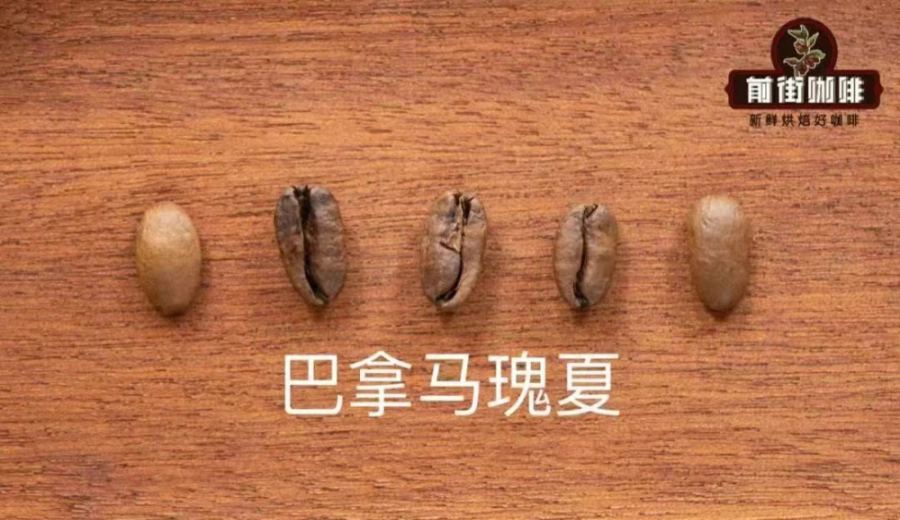
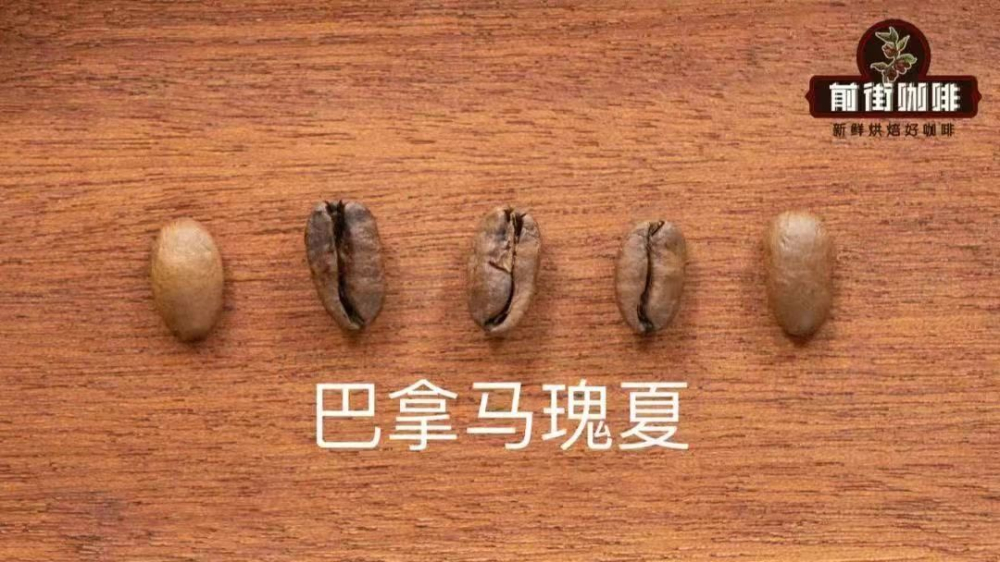
Introduction:Want to know why Panama’s Geisha from Hacienda La Esmeralda has won multiple coffee competitions in a row? From its varietal origins, the story of the estate’s transformation, to the grading logic behind its Red, Green, and Blue labels and the current “Volcanica” replacement batch, this article provides an in-depth yet easy-to-understand explanation. It also offers professional pour over recommendations and a detailed flavor profile to help coffee enthusiasts accurately select and brew this top-tier coffee bean.
In the world of specialty coffee, the Geisha (also translated as Gesha or Artisan) produced by Panama’s Hacienda La Esmeralda is undoubtedly one of the brightest stars. Not only has it repeatedly received international acclaim, but its unique floral and fruity aromas, along with its balanced sweetness and acidity, have made it a dream coffee for many enthusiasts. But do you know where the name “Geisha” comes from? And how did Hacienda La Esmeralda transform from a dairy farm into a global benchmark for specialty coffee?
Geisha and Gesha are actually the same variety. Due to the similarity between its English pronunciation and the Japanese word for “geisha,” it was initially translated as “geisha coffee” in Taiwan. Later, industry professionals renamed it the more elegant “Geisha.” This variety originated in Ethiopia and was not introduced to Panama until the 1960s. Initially overlooked, it wasn’t until 2004, when Hacienda La Esmeralda’s Geisha won first place in the Best of Panama (BOP) competition, that the legend of this variety truly began.
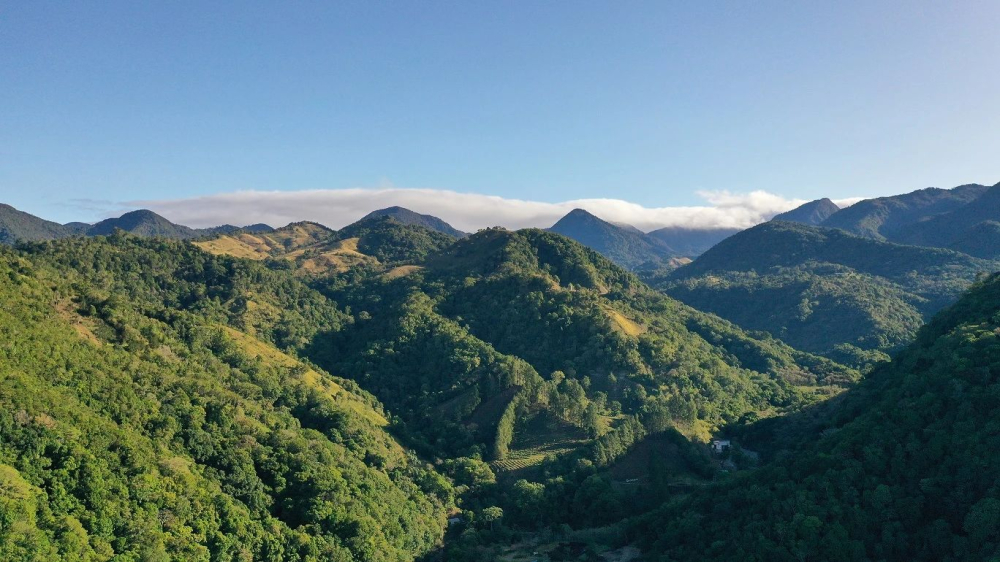
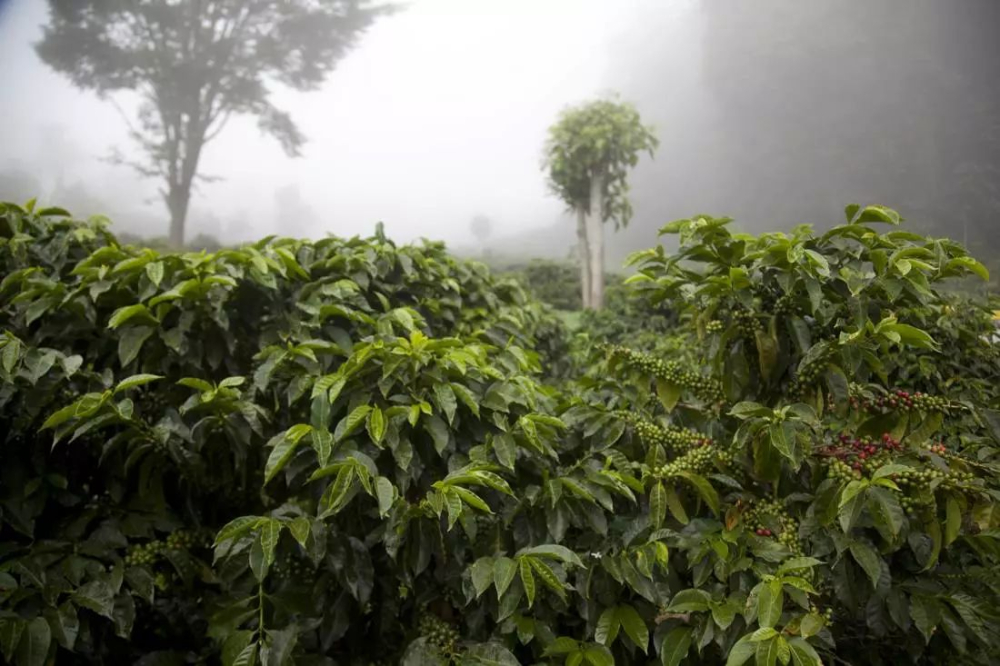
The history of Hacienda La Esmeralda dates back to 1964, when it was purchased by an American banker named Rudolph A. Peterson as his retirement residence and cattle ranch. Years later, his son Daniel Peterson and other family members gradually transitioned to growing coffee and established a wet mill in 1994. In 1996, they acquired the neighboring Jaramillo Estate, which boasted superior geographic conditions — situated at over 1600 meters above sea level, with a cool and foggy climate — providing the ideal setting for what would later become world-class Geisha.
According to records, Jaramillo Estate originally had some weak coffee trees with slender branches, which local farmers had almost given up on. However, coffee consultants discovered these were actually a special variety introduced from Costa Rica 30 years prior — the original strain of what is now globally renowned as Geisha. Later, in the 2004 BOP competition, this coffee surprised everyone with its remarkable flavor profile and won the championship. Since then, Hacienda La Esmeralda’s Geisha gained immense fame and continued to achieve outstanding results in global competitions.
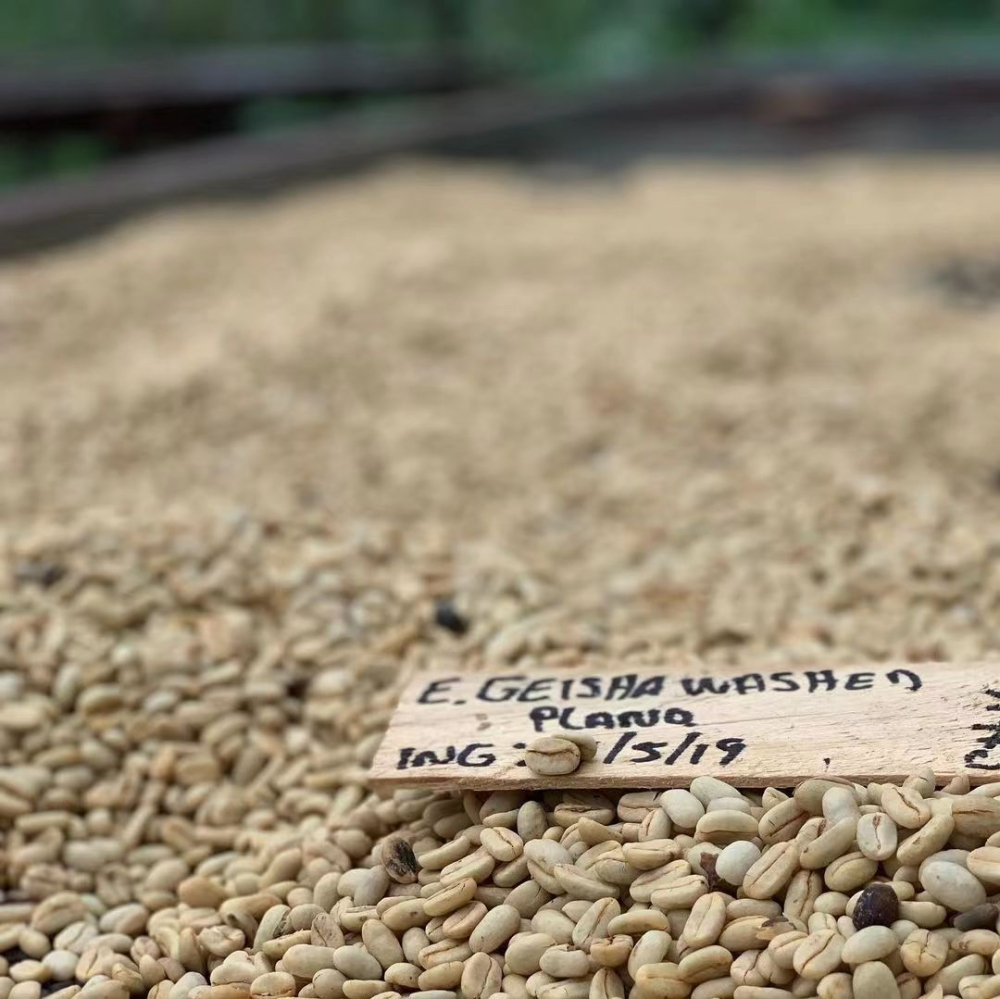
Currently, Hacienda La Esmeralda’s Geisha is mainly divided into three product lines: Red Label, Green Label, and Blue Label. Each label represents a different grade, processing method, and market positioning. Among them,Red Label Geishais the premium auction-grade batch, carefully selected from high-altitude core regions such as Jaramillo and Cañas Verdes (approximately 1600–1800 meters above sea level). These beans must score over 90 points in rigorous cupping evaluations and are offered in the estate’s independently organized auction events. These beans are often sun-dried, showcasing ultimate floral, citrus, honey, and complex fruit notes. They are the top choice for collectors and competition enthusiasts.
As forGreen Label Geisha, although not part of the auction batches, it also comes from high-altitude micro-regions at similar elevations of 1600–1800 meters. It retains the classic Geisha characteristics of fruity, floral aromas and bright acidity, with a rich and layered mouthfeel. Compared to Red Label, Green Label has a lower entry barrier but still offers excellent drinking quality, making it a great value-for-money option. Common processing methods include sun drying, with flavor profiles often featuring jasmine, citrus, berries, and melon.
As for the formerBlue Label Geisha, also known as “Geisha 1500,” it used beans grown at altitudes of 1400–1500 meters, sourced from regions including Jaramillo, Canas Verdes, and El Velo. This coffee had a lighter and crisper profile, with subtle floral notes, fruity acidity, and moderate sweetness. It was previously priced more affordably, appealing to many beginner coffee drinkers. However, the estate decided its pricing no longer aligned with its brand positioning, and Blue Label was officially discontinued in 2021. A similar alternative currently available on the market is the “Volcanica” Geisha, whose flavor profile is close to the old Blue Label, offering refreshing acidity and a well-balanced sweetness.
For coffee enthusiasts who enjoy brewing their own coffee, it is recommended to use freshly roasted Geisha beans (ideally within 5 days post-roast), allowing a 4–7 day rest period to fully develop the flavors. For pour over, it is advised to use a Hario V60 dripper, with water temperature around 90°C, a coffee-to-water ratio of 1:15, and grind size at medium-fine (about 80% passing through a No. 20 Chinese standard sieve). Specifically, you can use a pulsed pouring method: start with a 30-second bloom using 30 grams of water, then pour in small circles to reach 125 grams for the first pour. When the water level is about to expose the coffee bed, continue pouring to 225 grams and stop. The total brew time is approximately 2 minutes.
In summary, each of Hacienda La Esmeralda’s Geisha series has its own unique characteristics: Red Label stands out for its auction-grade quality and rich complexity, Green Label strikes an excellent balance between flavor and price, while Blue Label (or Volcanica) offers a gentler and more approachable option for beginners. If you’re trying Geisha for the first time, you might want to start with Green Label or Volcanica, then gradually explore the deeper world of Red Label. No matter which you choose, you’ll get to experience the endless charm of this variety that originated in Ethiopia and was reborn in Panama.
The above content is compiled by CoffeeHunters, a coffee news website.


