







Introduction:Delve into the origin and unique flavors of Honduras’ SHB Sigua specialty coffee beans. This comprehensive guide explores its six major growing regions, washed processing method, and medium-dark roast characteristics, offering an in-depth analysis of this highly acclaimed coffee. It also provides detailed French press brewing parameters and practical tips to help you easily extract a balanced, rich cup with chocolate notes and a lingering caramel finish at home.
Located in Central America, Honduras boasts mountainous terrain that offers ideal natural conditions for coffee cultivation. As one of the world’s top ten coffee-exporting countries, its coffee industry holds significant development potential. Stretching from the Caribbean coast in the north to the Gulf of Fonseca along the Pacific in the south, over three-quarters of the country consists of mountains and highlands, providing optimal altitude and microclimate for coffee trees.
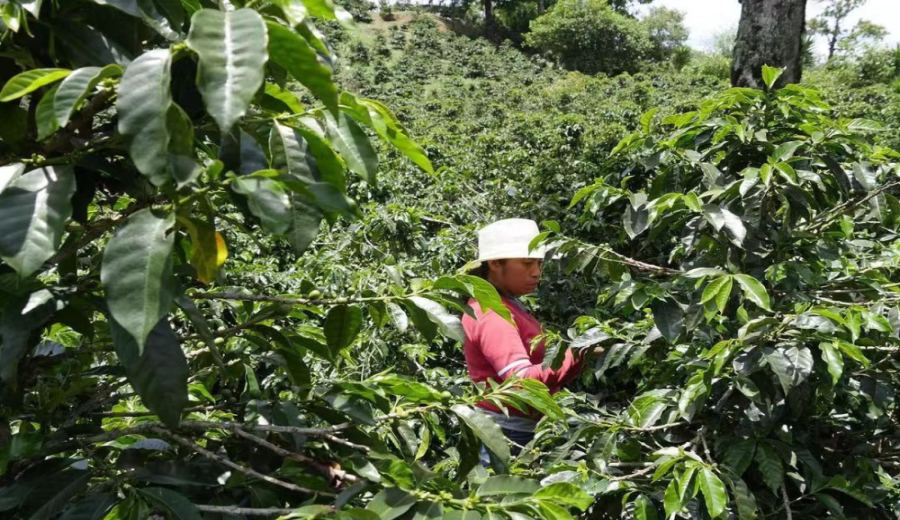
Coffee cultivation in Honduras is primarily concentrated in six major regions in the west and south: Santa Bárbara, Pérez Salazar, Copán, Ocotepeque, Lempira, and Opalaca. These areas typically grow coffee at elevations above 1100 meters. The region is dominated by small family farms, including numerous micro-farms smaller than 3.5 hectares, which collectively contribute about 60% of the country’s total coffee output. These farms mostly rely on manual harvesting to ensure each coffee cherry is carefully selected at peak ripeness.
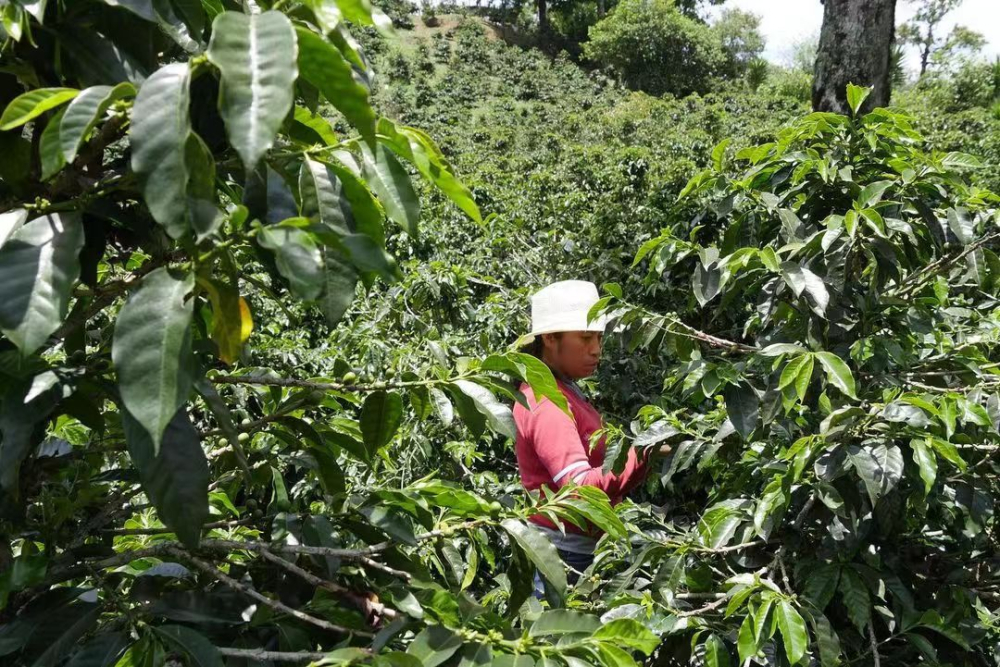
In terms of variety, Honduras mainly grows Arabica coffee, with high-quality HG (High Grown) accounting for 69%, SHG (Strictly High Grown) for 12%, and a small amount of CS varieties. Commonly planted varieties include Typica, Bourbon, Caturra, Villa Sarchi, and Lempira. These varieties exhibit diverse flavor potentials under different altitudes and microclimates.
This article focuses on Honduras’ SHB Sigua specialty coffee beans, sourced from the BECAMO Estate, grown at elevations between 1200 and 1800 meters, classified as SHB (Strictly High Grown). They are processed using the washed method. During washed processing, coffee cherries are first soaked to float off unripe or defective fruits, which are then removed. The pulp is subsequently stripped using a depulper, and the beans are sorted to retain those of uniform size and high maturity. These beans are usually dried in the sun, thus retaining subtle natural fruity aromas.
The Sigua SHB coffee beans perform exceptionally well with a medium-dark roast, exhibiting a cup profile with gentle acidity, balanced and full-bodied mouthfeel, where bright acidity complements a rich body.Recommended roast level: medium-dark, which fully showcases the chocolate base while delivering a mellow caramel sweetness and a long-lasting aftertaste.
For home brewers, we recommend using a French press for extraction. Specific parameters are as follows:Use 15 grams of coffee grounds with a grind size similar to white sugar, and control the water temperature at 88°C. The recommended brewing steps are to first pour a small amount of hot water for a 20–30 second bloom to allow the coffee grounds to expand and release aroma, then add the remaining hot water, with a total steeping time of about2 minutes and 30 seconds. After steeping, slowly press down the filter and pour out the coffee to enjoy.
When brewing, please note:Too fine a grind may lead to over-extraction and produce bitterness, while too high a water temperature can accentuate sharp acidity. We suggest adjusting the water temperature and grind size slightly according to personal taste preferences to find your optimal balance. Additionally, although French press brewing is simple, it’s essential to maintain the right coffee-to-water ratio—generally recommended at 1:15 to 1:16—for the best flavor expression.
In summary, Honduras’ SHB Sigua coffee beans, with their high-altitude growing background, clean washed processing flavor, and the chocolate and caramel notes brought by medium-dark roasting, are an excellent choice for daily drinking and deeper exploration. Whether using a French press, pour over, or other brewing methods, mastering the basic parameters will allow you to easily recreate its rich and balanced layers at home.
The above content is compiled by CoffeeHunters, a coffee news website.


