







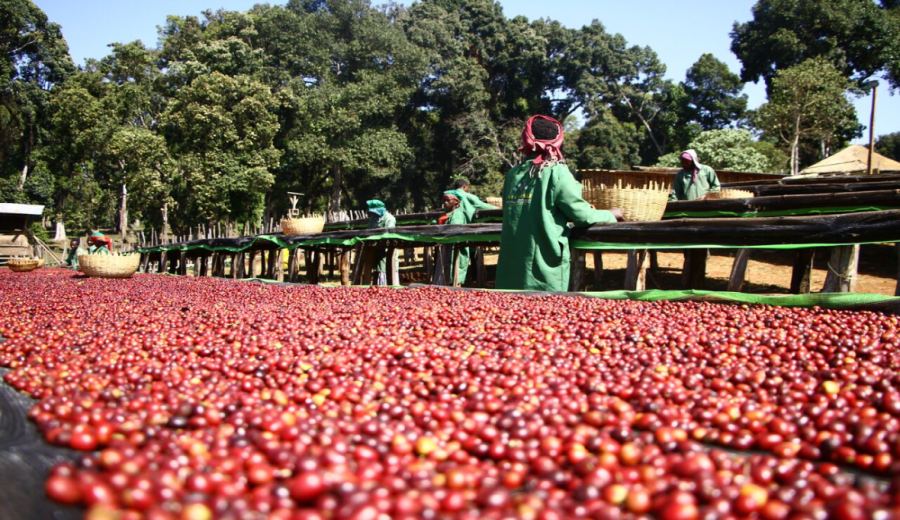
Introduction:As a renowned natural-processed coffee bean from Ethiopia's Guji-Hambela region, the Huacai (Hua Kui) coffee is celebrated for its abundant fruity aroma and juicy body. This article delves into the origin and naming logic of Huacai, covering everything from the history of the producing region and background of the processing farm to the evolution of its batches. It also offers a hands-on pour-over tasting experience of the latest Huacai 8.0, including dry fragrance, flavor notes across sips, and how temperature affects the cup—helping you better understand the characteristics and brewing essentials of this popular specialty coffee bean.
Huacai coffee, a highly praised Ethiopian natural-processed bean among single-origin coffee enthusiasts, stands out with its vivid fruitiness and ease of brewing excellence. It has become a go-to choice for many entering the world of specialty coffee. But do you know the story behind its producing region, the background of its processing farm, or the evolution from TOH champion to multiple batch names? This article will trace the development of the Guji and Sidamo regions, introduce the pivotal roles of the Haramba and METAD companies, and provide a detailed analysis of how Huacai rose to fame through competitions and evolved into named batches. Additionally, it brings you the latest pour-over flavor profile of the current season’s Huacai 8.0—from dry fragrance to aftertaste—to offer practical tasting insights.
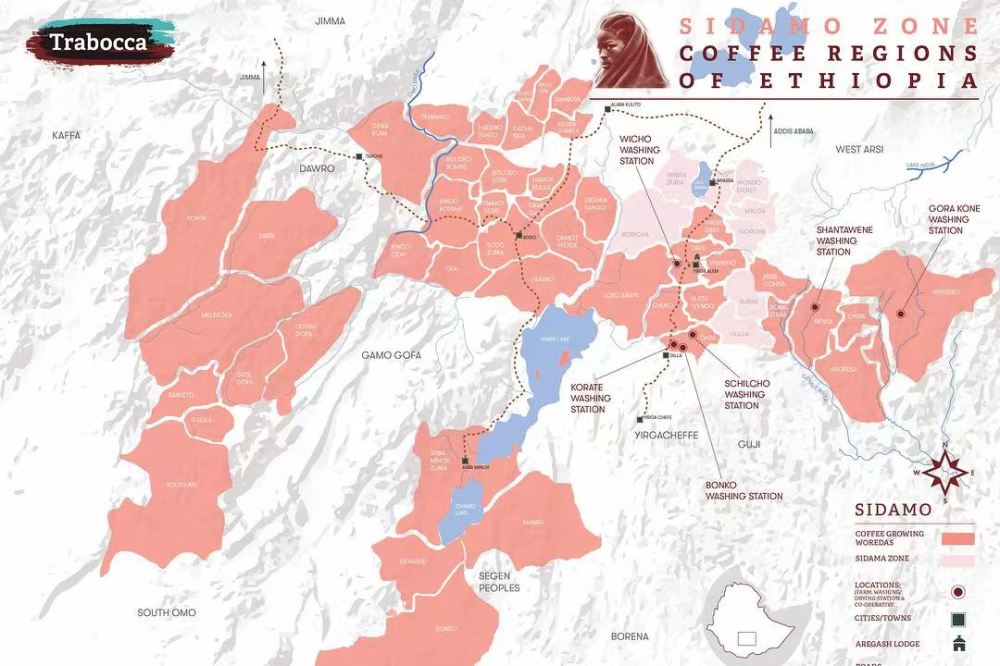
Sidamo in southern Ethiopia was once one of the country’s largest coffee-producing regions, encompassing 23 districts, over 50 cooperatives, and more than 200 processing stations. This vast area features diverse microclimates and soil types, resulting in coffee with rich and layered flavors. Interestingly, Yirgacheffe was originally part of Sidamo, and its exports were labeled as “Greater Sidamo Coffee.” However, due to its distinctive citrus and floral notes that quickly gained international attention, it was eventually granted the exclusive flavor trademark “Yirgacheffe®” in 2007, officially separating from Sidamo.
The trajectory of Guji’s development is similar. In the early days of the establishment of the Ethiopian Commodity Exchange (ECX) in 2008, Guji coffee was classified under the “Sidama A” category. As more small producing regions began gaining recognition in international competitions, the high-quality coffee from Guji gradually attracted attention. By 2015, the ECX finally designated it as an independent producing region category, highlighting its unique regional characteristics and flavor potential.
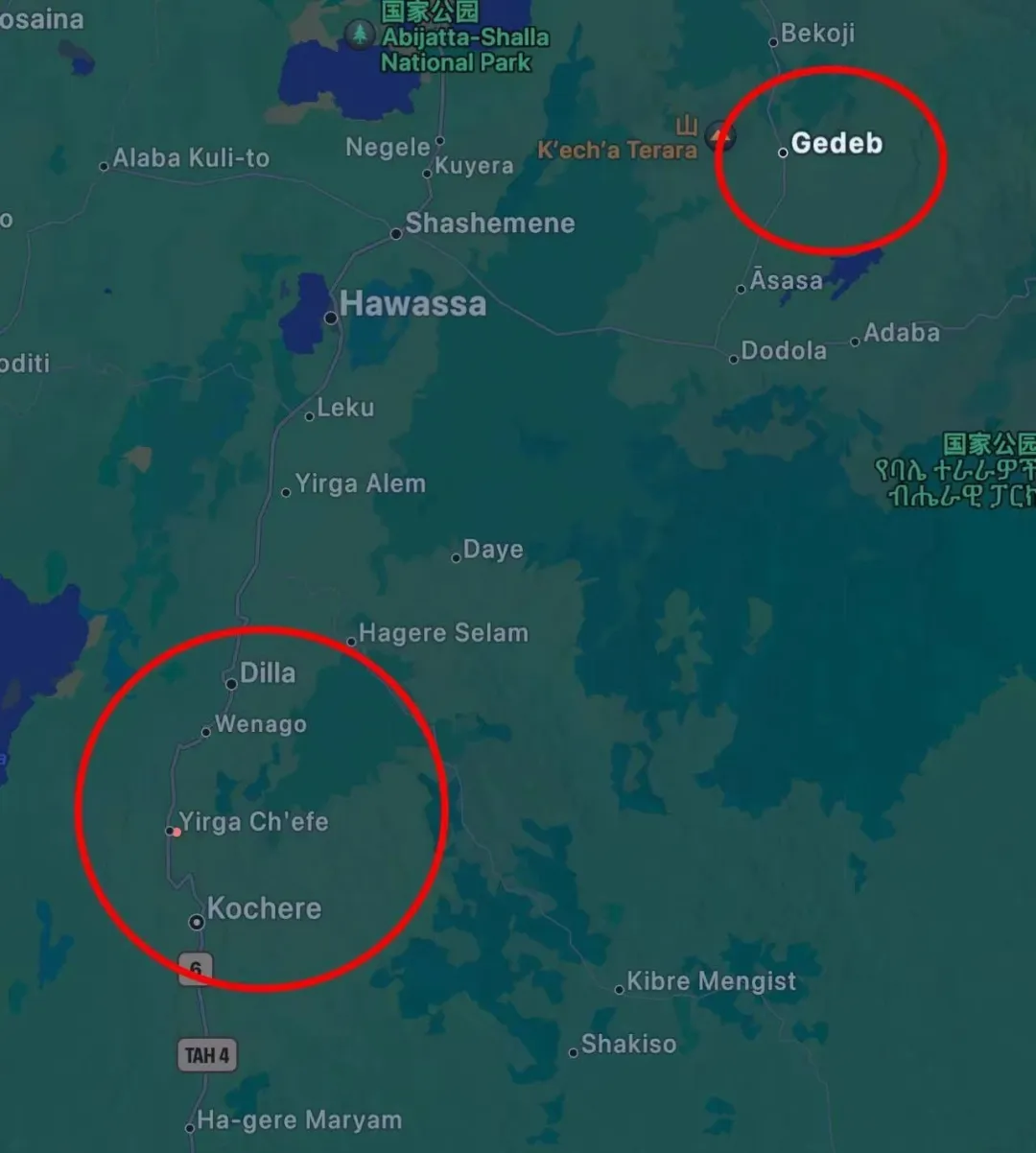
Compared to other well-known coffee regions, Guji is quite remote. Its mountainous terrain and poor transportation have long isolated it from the outside world. In earlier times, local residents mainly relied on animal husbandry for their livelihoods. Later, with the discovery of mineral resources, mining became a growing industry. It wasn’t until the past decade that the high-quality coffee of Guji was discovered by international buyers, which rapidly boosted the local coffee industry and turned it into a significant economic pillar. The region boasts high altitudes, mineral-rich fertile soils, and well-preserved virgin forests that conserve water and soil—providing optimal conditions for cultivating distinctive coffee flavors.
Guji includes several notable sub-regions such as Ana Sora, Hambela, Shakiso, Uraga, and Rogicha. Among them, Hambela is not only a geographical name but also the name of a renowned coffee farm owned by the METAD Agricultural Development PLC. Located at the junction of the Gedeo Zone, Gedeb District, and Guji Zone, the farm was established in 2013 by Aman Adinew. Coming from a coffee-growing family—his grandmother planted coffee in Harar and Sidamo as early as the last century—Aman also previously served as the Chief Operating Officer of the ECX. After leaving his post, he committed himself to modernizing the coffee industry and partnered with thousands of smallholder farmers to build a high-quality coffee supply chain.
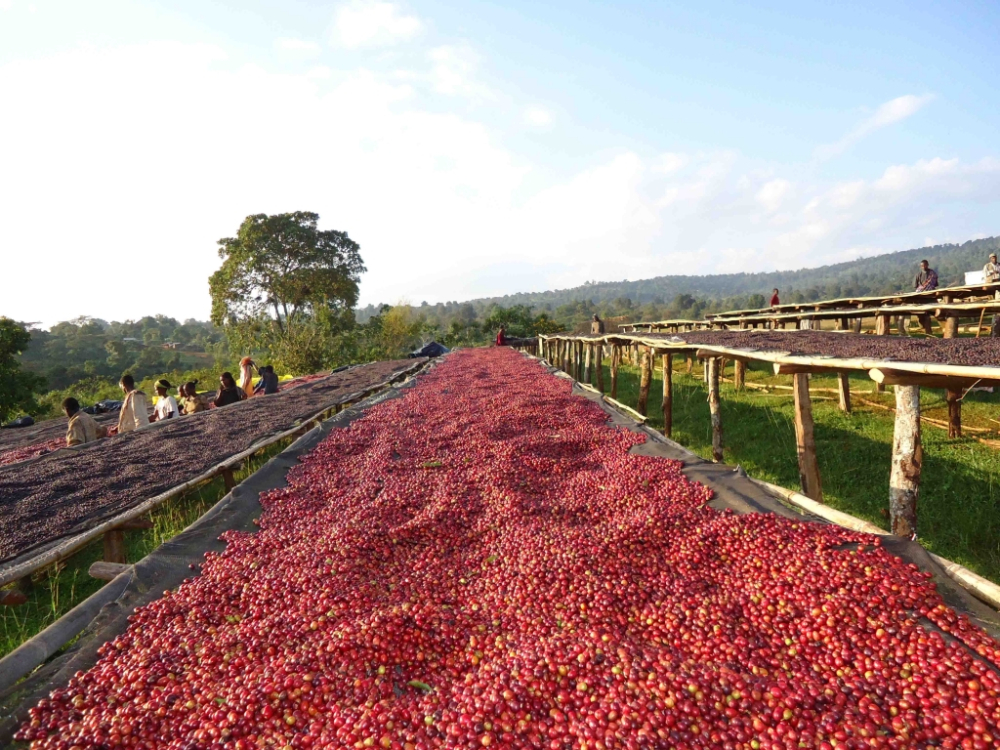
Covering a total area of 200 hectares, the Hambela farm lies approximately 75 kilometers from Yirgacheffe and sits at the heart of Ethiopia’s core coffee-producing region. Its processing stations are not only well-equipped but also benefit from volcanic soils, organic farming practices, and mature post-harvest techniques—laying a solid foundation for the production of high-quality natural- and washed-process coffees. When mentioning Hambela, one coffee that often comes to mind is the globally popular “Huacai.”
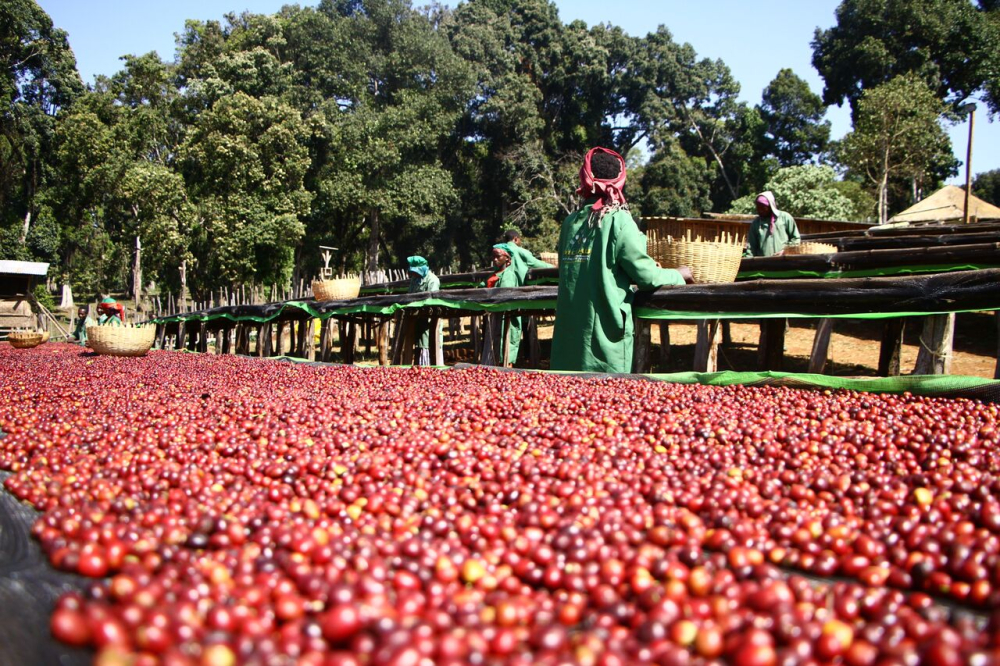
Huacai is actually a natural-processed Grade 1 G1 coffee bean from the Buku Abel processing station in Ethiopia’s Guji-Hambela region. Its full English name is “Ethiopia Guji Hambella Buku Abel.” Initially marketed under the name “Hambella,” the bean later earned the oddly evocative Chinese name “花魁” (Huacai), meaning “the foremost flower” or “queen of flowers,” after winning the natural category championship at the Taste of Harvest (TOH) competition. With its intense fruitiness, rich juiciness, and relatively accessible price, Huacai quickly rose to fame in the global specialty coffee market and has even been hailed as a high-value alternative “comparable to Geisha.”
In fact, prior to being called “Huacai,” this bean was simply known as “Hambella” on the market. Buku Abel is the specific processing station where this particular batch originates, located in Dimtu town—an important reference for tracing both flavor and origin. As Huacai’s popularity soared, DW Company established up to five additional professional processing stations in the Hambella Wamena Wereda, all situated within the core-producing Dimtu town. These include Buku Abel, Buku Saysay, Haro Soresa, Tirtiro Goye, and Seke Bokosa, collectively producing several thousand tons annually to meet global demand.
However, starting from the 2018 harvest season, although the coffee continued to come from the same region and processing stations, many coffee enthusiasts noticed differences in flavor compared to the early “first-generation Huacai” (i.e., the 2017 version)—especially in terms of body and aftertaste. To distinguish between batches of different years, domestic green coffee importers began using an “X.0” numbering system. For example, 2018 became “Huacai 2.0,” 2019 introduced “Huacai 3.0 and 3.1,” and so on, with 2023 being “Huacai 7.0” and the latest 2024 harvest being “Huacai 8.0.” This numbering system allows consumers to easily identify the year and batch of the Huacai they are purchasing.
According to the latest cupping results, Huacai 8.0 exhibits a more exuberant dry fragrance, releasing complex aromas of guava, jackfruit, apricot, citrus, and delicate floral notes. At slightly higher temperatures, hints of honey and berry sweetness can also be detected. During the pour-over process, the aroma layers are distinct after hot water is poured. The first sips reveal bright acidity and juicy body from dried mango, jackfruit, orange, and passion fruit, with a round and full mouthfeel and clear flavor definition. As the temperature drops, the sweetness of peach and subtle acidity of berries gradually emerge, while the aftertaste leaves a soft, tea-like lingering sweetness—delivering an overall balanced and memorable cup.
The above content is compiled by CoffeeHunters, a coffee news website.


