







Introduction:Delve into the historical origins, variety characteristics, and cultivation backgrounds of the Typica and Catimor coffee varieties, compare their flavor profiles across Yunnan’s four major producing regions, and analyze the unique expressions of sun-dried Typica and washed Catimor through practical bean examples. The article also provides recommended V60 pour over parameters to help you master extraction essentials and appreciate the layered differences between varieties.
In the world of specialty coffee, variety is one of the key factors influencing flavor and quality. As the mainstream cultivated species, Arabica encompasses numerous cultivars, among which Typica and Catimor have garnered significant attention from coffee enthusiasts due to their widespread planting and representativeness in Yunnan. This article begins with the origins of these two varieties, analyzes their characteristic differences, explores the terroir conditions of Yunnan’s main producing regions, compares the flavor profiles of actual bean lots, and includes pour over recommendations to provide a comprehensive understanding from cultivation to cup.
Typica: A Classic Variety with a Long History
Typica is regarded as one of the varieties closest to the original Arabica lineage, with its earliest traces dating back to Ethiopia around the 9th century. Although its official botanical name was not established until 1913 as Coffea arabica L. var. typica Cramer, it had already spread globally by the 17th century via the port of Mocha in Yemen. This long history of dissemination has made Typica prevalent across Latin America, Asia, and Oceania, even serving as the foundational variety in renowned regions such as Jamaica Blue Mountain and Hawaii Kona.
Typica plants are tall, with young top leaves exhibiting a distinctive bronze color, narrow and elongated foliage, and slender, tightly formed coffee beans. This variety is prized for its bright acidity, delicate mouthfeel, and multi-layered fruity aromas, with a clear flavor profile often featuring citrus, nuts, and caramel notes.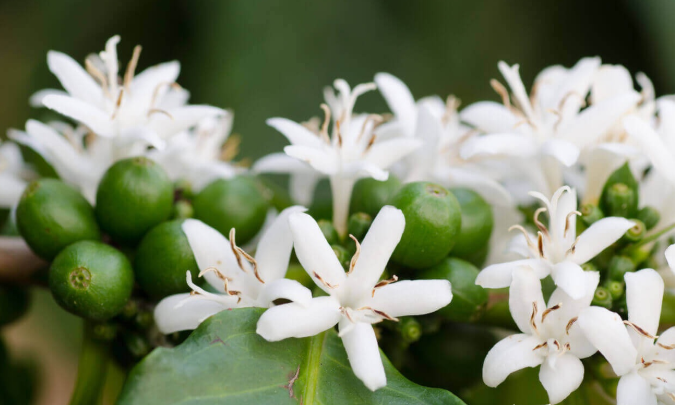 However, its drawbacks are also evident: slow growth, susceptibility to pests and diseases, and low yield, causing it to gradually be replaced in modern planting environments that prioritize efficiency and disease resistance.
Catimor: A Modern Solution for Disease Resistance and High Yield
Faced with the global spread of coffee leaf rust in the late 19th century, traditional Typica faced significant challenges. To address this crisis, the Portuguese Coffee Leaf Rust Research Center developed the Catimor variety in 1959, created by crossing the disease-resistant Timor variety with the better-flavored Caturra. Catimor not only exhibits high resistance to diseases but also boasts impressive yield potential, quickly becoming the dominant cultivar in many regions.
In China’s Yunnan, due to the raw material demands of international brands like Nestlé and Starbucks, as well as the economic considerations of coffee farmers, Catimor has gradually replaced the original Typica and now accounts for over 90% of the region’s planting area.Catimor 7963 is a representative stable variety, characterized by its short and compact plant structure, dense branching, suitability for intensive planting, and outstanding rust resistance.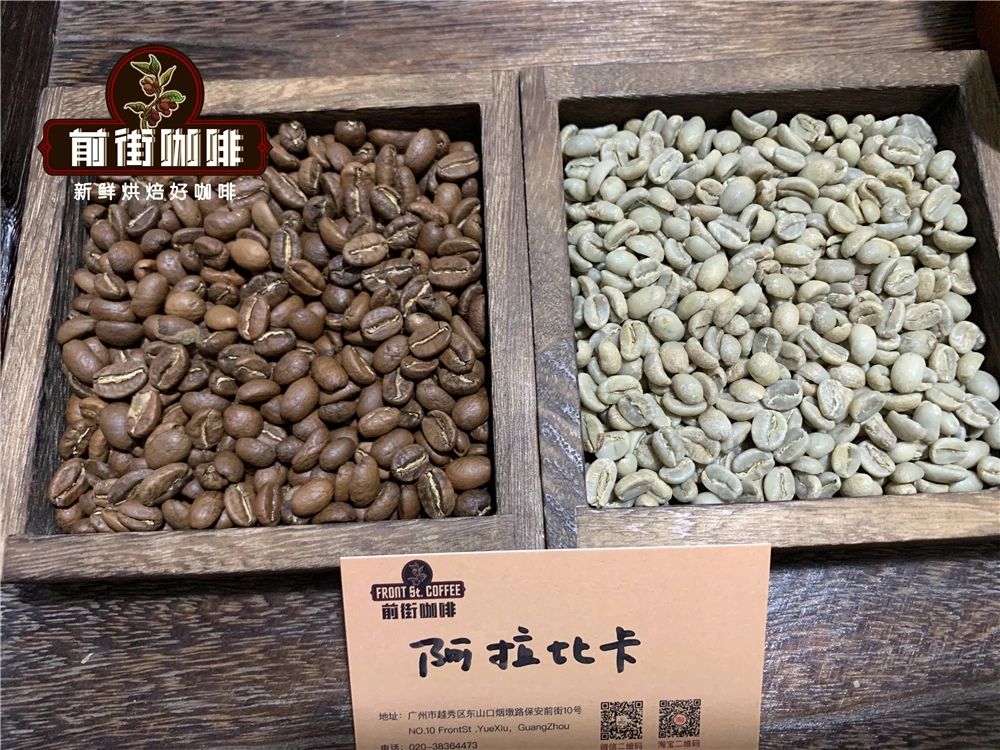 However, due to its genetic background, Catimor can easily develop off-flavors or defective notes when processed improperly. Nevertheless, with improved cultivation and post-harvest techniques, many high-quality Catimors have now entered the specialty coffee market.
The Diverse Terroir of Yunnan’s Producing Regions
As an important base for specialty coffee in China, Yunnan offers an ideal growing environment for Arabica, thanks to its high altitude, abundant sunlight, ample rainfall, and significant diurnal temperature variations. The region’s coffee generally exhibits a rich yet non-bitter profile, with pronounced fruitiness and sweetness.
The four major producing regions each have their own distinct characteristics:Dehongis known as the “Hometown of Chinese Coffee,” with a stable climate, small temperature fluctuations, and an average altitude exceeding 1,000 meters, making it highly suitable for small-seeded coffee varieties.Baoshanintroduced coffee in the 1950s, and its small-seeded coffee has even earned national geographical indication certification, boasting a long history and consistent quality.Lincangis located near the Tropic of Cancer and borders Myanmar, with unique climatic and geographical conditions where one coffee producer grows Typica.Pu’eris Yunnan’s largest coffee-producing region, with over 780,000 acres of planted area, leading the province in both coffee output and production value.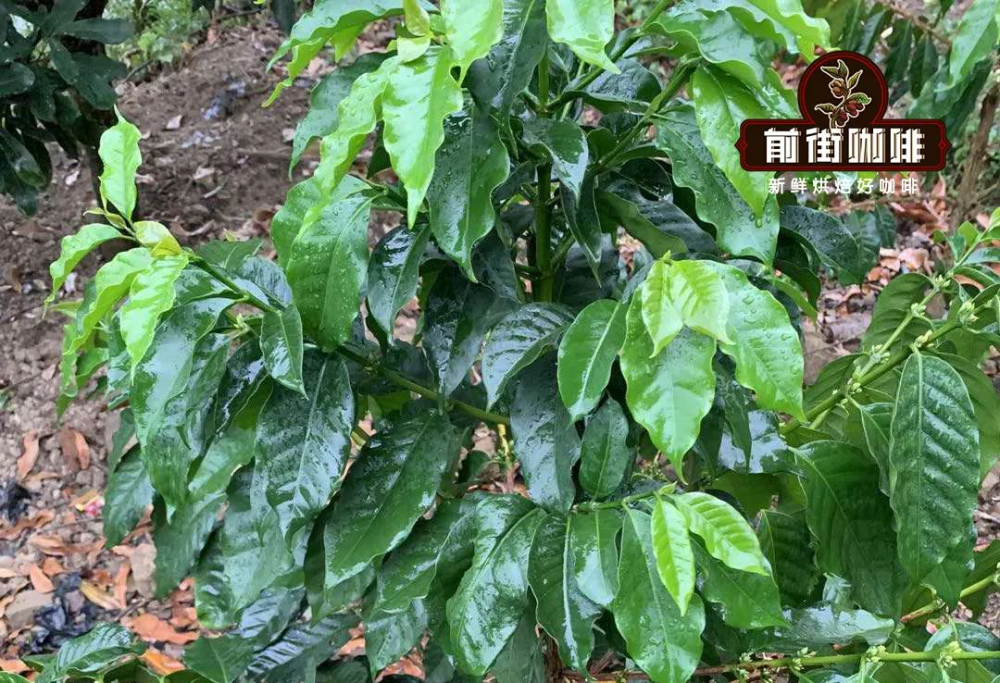
Flavor Comparison of Specific Bean Lots: Typica vs Catimor
In one coffee producer’s bean selection, you can find two representative Yunnan-grown coffees: a 2013-released sun-dried Typica and a washed small-seeded Catimor staple bean. These two beans not only differ in their planting backgrounds but also feature unique processing methods, allowing coffee enthusiasts to directly experience the differences between the two varieties.
The sun-dried Typica, through thorough fermentation during drying, develops intense caramel, nutty, and citrus aromas. When brewed at high temperatures, it presents layers of chocolate and berries, transitioning to plum-like acidity and trailing notes of black tea and sugarcane as the temperature cools, offering a rich and multifaceted profile. In contrast, the washed Catimor showcases a more balanced mouthfeel, with initial notes of herbs, chocolate, and caramel, followed by a subtle fruity acidity in the aftertaste, delivering an overall clean and crisp cup suitable for everyday drinking.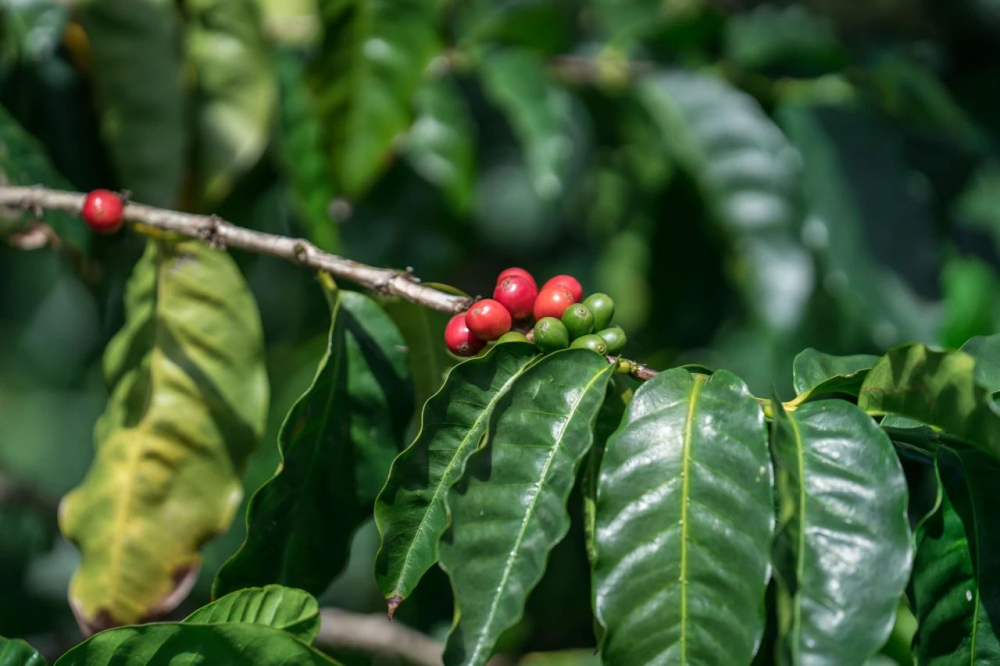
V60 Pour Over Reference Parameters
To fully experience the nuanced flavors of these two coffees, it is recommended to use a Hario V60 filter, with approximately 15 grams of coffee, a water temperature of 90°C, and a grind size based on a 75% passing rate through a #20 sieve. The water-to-coffee ratio is set at 1:15. Employ the classic three-pour method: start with a bloom using twice the coffee weight (about 30 grams) for 30 seconds, then pour in small circles from the center outward to reach 125 grams for the first pour, wait for the bed to settle, and continue pouring to 225 grams to complete extraction, with a total brew time of about 2 minutes. These parameters are suitable for most medium-light to medium-roasted Yunnan beans, helping to highlight their bright acidity and rich aromatic layers.
The above content is compiled by CoffeeHunters, a coffee news website.


