







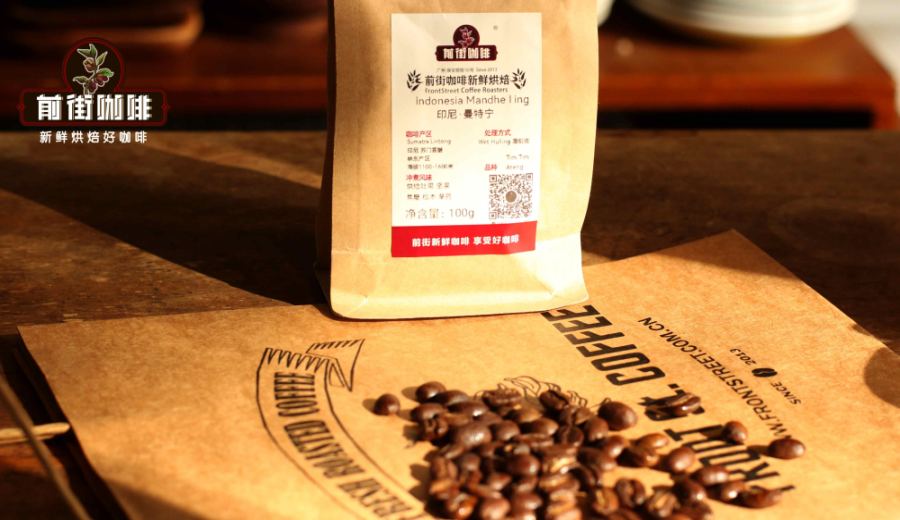
Introduction:Indonesian Golden Mandheling G1 is a classic choice for many coffee beginners exploring dark roast flavors, with its rich body and distinctive pine, wood, and spice notes leaving a lasting impression. This article delves into the origin of this specialty coffee bean, the stringent selection process by PWN, and offers practical pour-over brewing tips—including using the KONO filter, controlling water temperature, grind size, and a three-stage pouring technique—to help you fully unlock its layers of chocolate, caramel, and herbal complexity.
Mandheling coffee always holds a special place in the coffee journey of many enthusiasts, and P.W.N Golden Mandheling G1 stands out among these classic offerings. This dark-roasted coffee from Sumatra, Indonesia, is known for its bold, full-bodied taste and unique aromatic profile of pine and spices, making it the starting point for many who explore specialty dark roasts. This article not only introduces the history of Indonesian coffee and the origins of the name “Mandheling,” but also provides an in-depth look at PWN’s rigorous selection criteria, explaining why this Golden Mandheling boasts higher clarity and a solid sweetness. Additionally, we offer a pour-over brewing method designed by professional baristas, including the use of a KONO filter, ideal water temperature, brew ratio, grind size, and a three-stage pouring process—allowing you to fully experience the rich interplay of herbal, dark chocolate, and caramel notes in this coffee.
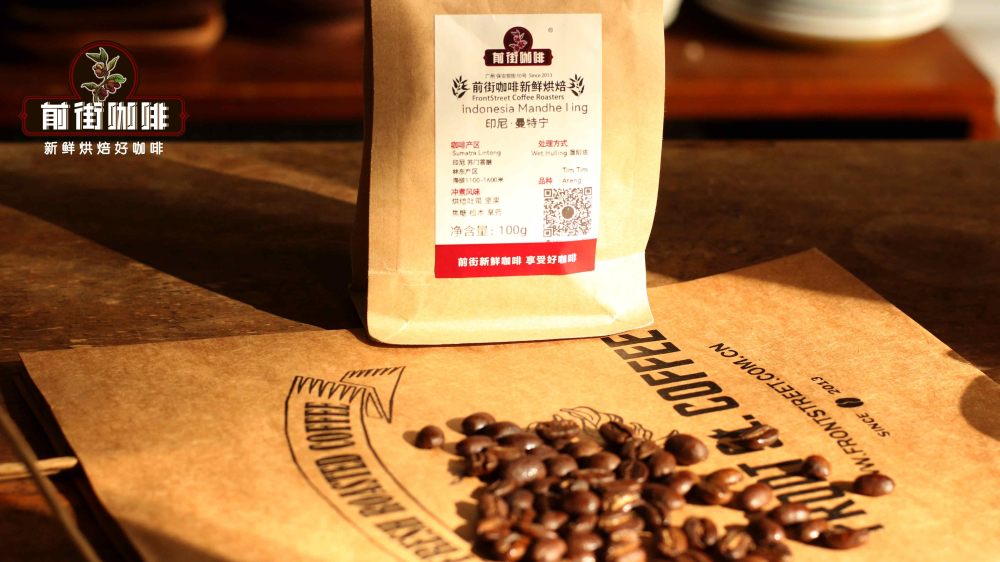
This Mandheling is a representative of distinctively bold dark roast flavors; even with a medium-dark roast level, it showcases its signature pine and spice characteristics. The overall mouthfeel is extremely rich, carrying a certain rugged quality unique to mountain-grown beans, making it perfect for beginners exploring coffee flavors to train their palates, as well as for those who prefer strong, slightly bitter black coffee. If you’ve already gained some coffee tasting experience and are looking for a higher-quality, more refined Mandheling, then Golden Mandheling G1 is definitely worth a try.
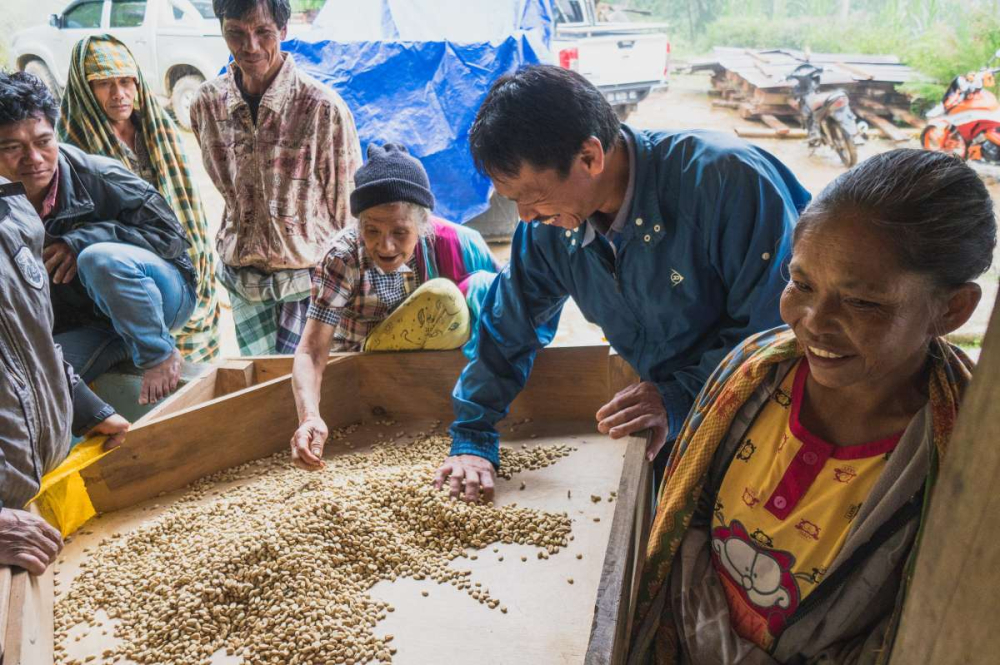
So, what exactly is Mandheling? This name hides an interesting historical story. Indonesia, a tropical country known as the “Land of a Thousand Islands,” began cultivating coffee as early as 1696, boasting a history of over 300 years. Local coffee production remains primarily smallholder-driven, often using organic farming methods, and relies on manual harvesting and sorting to ensure consistent quality across each batch. Indonesia’s major islands—including Sumatra, Sulawesi, Java, and Bali—each have their own coffee-growing regions, and due to differences in terrain and climate, the resulting coffee flavors vary widely.
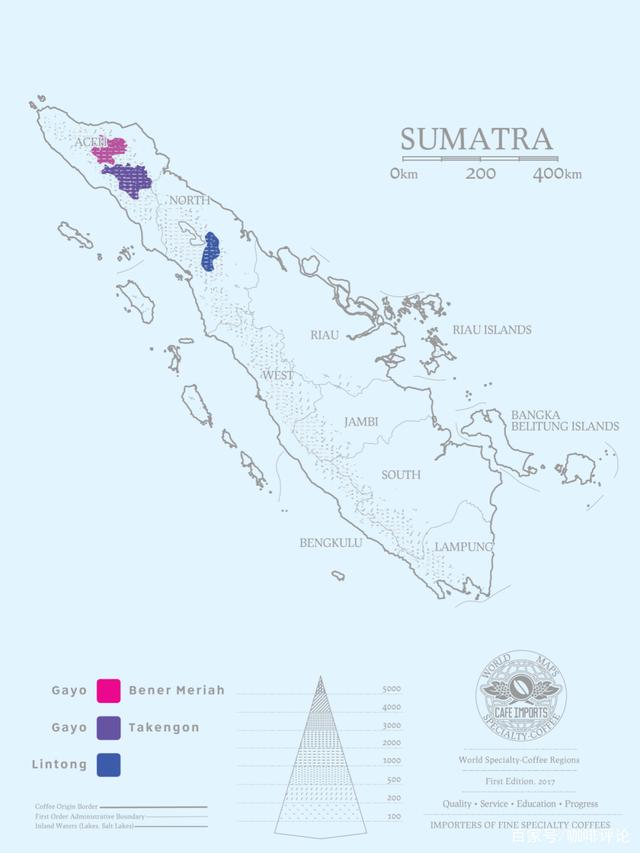
Among these regions, North Sumatra’s Aceh and North Sumatra provinces are the most renowned, as these high-altitude areas are the primary sources of Arabica coffee in Indonesia. Though they account for only about 10% of the nation’s total output, they produce highly acclaimed varieties such as Mandheling, Golden Mandheling, Sulawesi coffee, and aged Mandheling. These coffees typically boast complex aromas of cream, chocolate, and earthiness, standing strong in the specialty coffee scene for decades and widely loved by global consumers.
The history of Indonesian coffee dates back to the Dutch colonial period, but it was a small wartime anecdote that truly brought the name “Mandheling” international fame. It’s said that during World War II, a Japanese soldier stationed in Indonesia tasted an incredible cup of coffee at a local café and asked the owner for the name of the coffee. However, the owner misunderstood the question as being about his background and replied “Mandailing.” The soldier misheard it as “Mandheling,” and after the war, he introduced this coffee to Japan, where it received great acclaim. Since then, the name “Mandheling” has spread widely, becoming synonymous with premium Sumatran Arabica. This volcano-grown coffee, nourished by fertile soil, often features rich flavors of cream, chocolate, and earthiness, particularly favored in the Japanese market.
So, why do we specifically recommend P.W.N Golden Mandheling? The answer lies in its strict quality control and high-standard selection process. The grading of Indonesian green coffee beans is primarily based on the number of defects and bean size—the fewer the defects and the larger the beans, the higher the grade. Generally, Indonesia’s basic coffee requirements include: no live insects, no moldy or foul-smelling beans, moisture content not exceeding 12.5%, and impurity rate below 0.5%. Based on the number of defects per 300 grams of green beans, there are six grades, ranging from G1 to G6, with G1 being the highest.
PWN (Pawani Coffee Company), as Indonesia’s top-tier coffee supplier, implements an extremely rigorous quality control procedure for G1-grade Mandheling, including one mechanical screening and three rounds of manual sorting—to ensure every bean meets high standards, significantly reducing defect rates. Moreover, PWN also uses machines to screen for density and color before packaging, ensuring each batch of Golden Mandheling has uniform appearance and bright bean luster. This is why Golden Mandheling exhibits exceptional clarity, vibrant aroma, and prominent sweetness in cupping, with a full and solid overall profile.
To fully experience the rich layers of P.W.N Golden Mandheling, it’s recommended to use freshly roasted beans for pour-over. Typically, coffee beans reach their optimal flavor window 4 to 7 days after roasting, and after about a month and a half, the aroma gradually fades, possibly developing woody off-notes. The beans offered here are shipped within 5 days of roasting, coupled with reasonable logistics time, ensuring you can enjoy their peak flavor upon arrival.
For the pour-over method, we recommend using the KONO filter. This filter’s ribs extend only halfway up the cup, allowing the paper to tightly adhere to the walls when wet, thereby reducing airflow and extending the coffee grounds’ absorption time. This results in a more even extraction, enhancing body and mouthfeel richness. Additionally, the groove design at the bottom of the KONO filter helps create a siphon effect, further optimizing the extraction process. For a deeply roasted bean like Golden Mandheling, which has a looser structure, it’s advised to adjust the grind slightly coarser and use a lower water temperature to avoid over-extraction and bitterness.
Recommended Pour-Over Parameters:Water temperature: 87–88°C, coffee dosage: 15g, brew ratio: 1:15, grind size: medium (about 70% through a Chinese standard #20 sieve). Use a three-stage pouring method: first, pour 30ml of hot water for blooming to help release CO₂; second, pour 100ml to primarily lift the golden crema and raise the coffee bed; finally, slowly pour 95ml in the center, then remove the filter once dripping finishes, gently swirling the coffee in the server. This approach fully highlights Golden Mandheling’s bold character, along with the aromatic layers of herbs, dark chocolate, and caramel, with a lingering finish reminiscent of aged Pu-erh’s deep sweetness.
The above content is compiled by CoffeeHunters, a coffee news website.


