







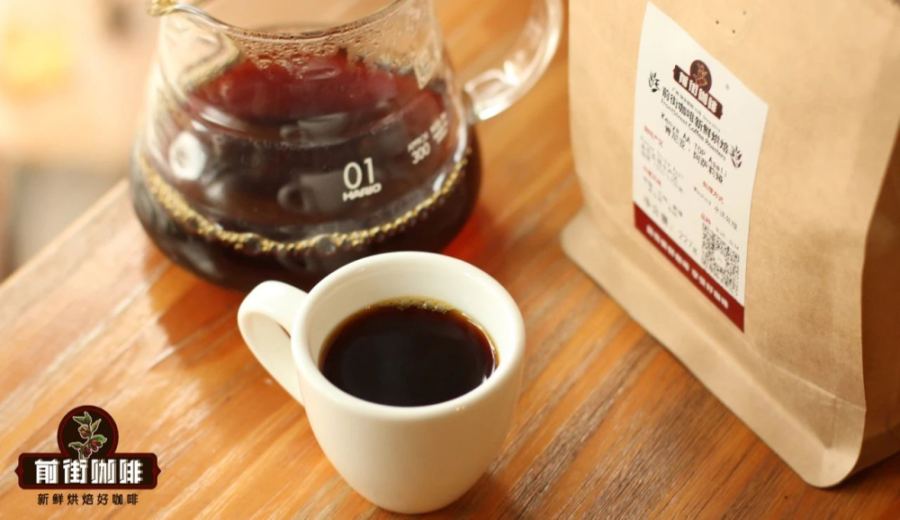
Introduction:Kenyan coffee is renowned for its intense fruit acidity and vibrant juiciness, with AA and AB grades being the most representative. But did you know? The region and processing method are the key factors influencing flavor differences. This article takes an in-depth look at two of Kenya’s six major regions—Nyeri and Kirinyaga—to explore their altitude, varieties, K72 washed processing, as well as practical cupping and brewing performance, bringing you useful tips for selecting premium Kenyan coffee beans.
As an important producer of specialty coffee in East Africa, Kenya’s coffee beans are widely praised for their distinctive acidity and rich juiciness. Many coffee enthusiasts’ first impression of Kenyan beans is often that unique "tomato-like" flavor, but that’s just one aspect. What truly captivates about Kenyan coffee is its solid, bright, and layered juicy taste. This article will comprehensively analyze the charm of Kenyan coffee—from regional distribution, grading systems, variety characteristics, to actual cupping and brewing performance—and focus on two renowned regions—Nyeri and Kirinyaga—to help you understand the flavor differences between them.
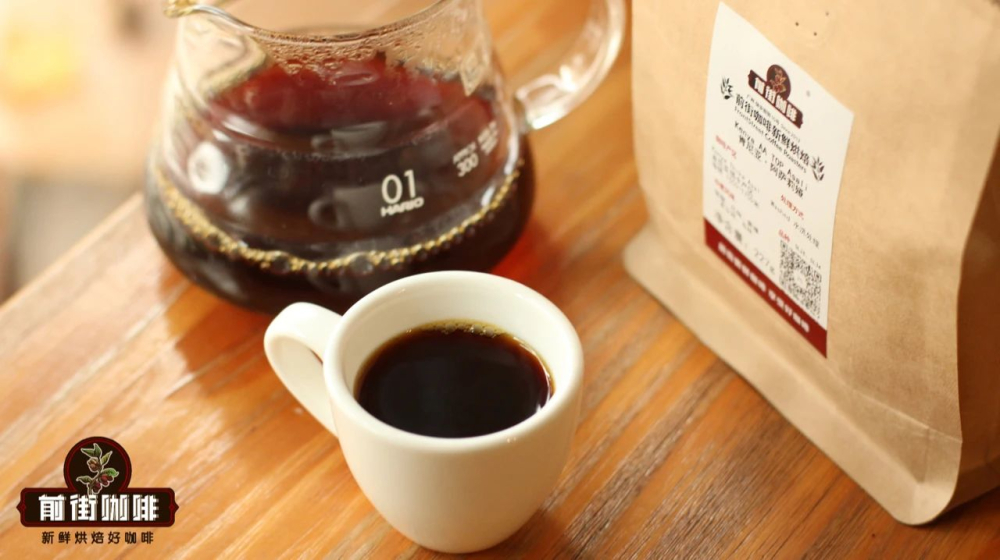
Kenya’s coffee production and sales system is quite well-developed, with the 'AA' and 'AB' grades being the most common. These grades are primarily categorized based on the screen size of the green beans, rather than directly indicating flavor quality. In fact, Kenya’s auction system is the one that truly uses cupping scores as the evaluation criterion, with many specialty-grade auction lots often fetching astonishing prices. Kenyan coffee is mainly grown at altitudes between 1,500 and 2,100 meters, with two main harvest seasons each year: the main season from October to December, and the secondary season from June to August. To ensure only fully ripe coffee cherries are picked, farmers often need to make multiple passes through the fields for careful harvesting—sometimes up to seven times or more.
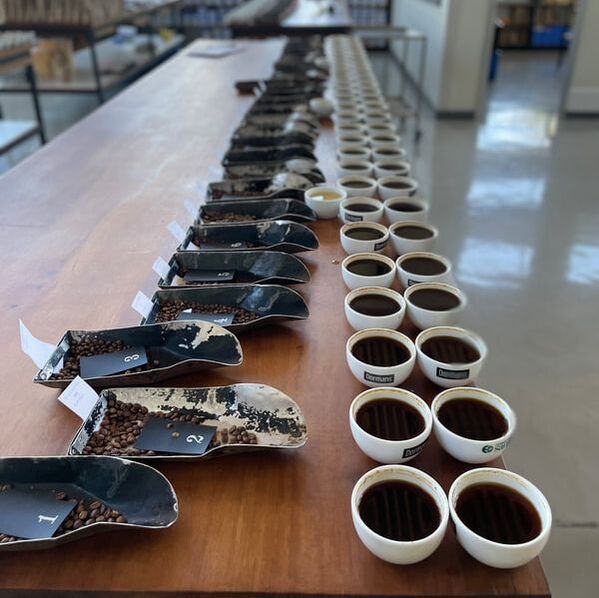
Kenyan coffee is primarily sold through two channels: the centralized auction system of the Nairobi Coffee Exchange (NCE), which accounts for about 85% of total production; and the so-called “second window” direct trade, making up just 15%. The Nairobi Coffee Exchange holds auctions every Tuesday, with market agents submitting green bean samples to the exchange twelve days prior for buyers to cup and select. Each auction features several hundred to over a thousand lots, with the entire process running from 9:30 AM to the afternoon. Buyers place bids based on the catalog and cupping results, in a tightly scheduled and professional procedure.
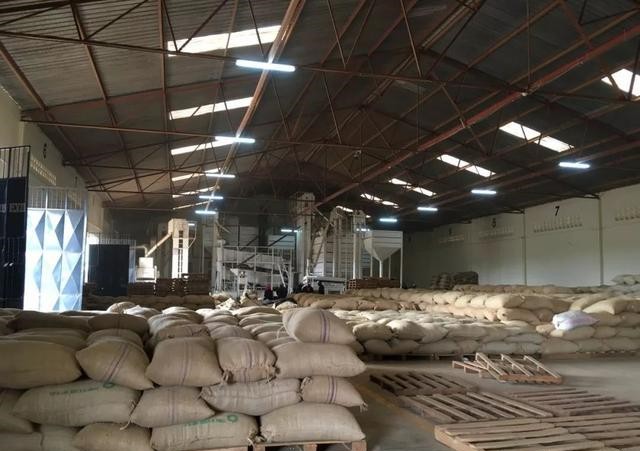
The grading of Kenyan coffee is mainly based on green bean size and physical characteristics after processing, where AA is the highest grade with a bean size of 17–18 mesh, typically offering the most outstanding flavor performance. The AB grade is 15–16 mesh, is the most produced, and offers good value for money. Other grades include C, E (elephant beans), PB (peaberry), T, and TT, classified according to size, processing traits, and air classification results. It’s worth noting that although the AA grade is generally considered to have better flavor, actual performance still depends heavily on the region, variety, and processing method.
Kenya has six major coffee-growing regions, including Thika, Kirinyaga, the western side of Mount Kenya, Nyeri, Kiambu, and Murang’a, among which Nyeri and Kirinyaga stand out for their excellent flavor profiles. The harvest seasons in these regions are mainly from October to December and June to August each year, with high altitudes and fertile volcanic soils providing ideal growing conditions for coffee trees.
The Nyeri region is located in the highlands near Mount Kenya, with an average altitude exceeding 1,500 meters, situated east of the Aberdare Mountains. It is a key specialty coffee-producing area in the central region. This district not only benefits from superior altitude and fertile soil but also has a long history of coffee cultivation and well-established infrastructure, enabling the stable production of coffee beans with rich flavor layers. The adjacent Kirinyaga region is situated on the slopes of Mount Kenya, at altitudes ranging from 1,300 to 1,900 meters, and is known for its intense flavors, clear layers, and solid mouthfeel, ranking alongside Nyeri as one of Kenya’s two top-tier regions.
The varieties of Kenyan coffee most well-known are SL28 and SL34, both originating from breeding programs in the 1930s. SL28 has strong drought resistance and is suitable for planting at medium to high altitudes. Its bean appearance is similar to that of Bourbon, and genetic testing has confirmed it belongs to the Bourbon genetic group. SL34, on the other hand, originates from a coffee tree known as the "French Mission" in the Kabete area of Kenya. Its bean shape resembles Typica, and genetic analysis shows it is related to the Typica lineage. It thrives in high-altitude environments, showcasing rich acidity and sweetness.
Kenya’s washed processing method is famed for its unique K72 technique. Unlike the traditional 24-hour fermentation, the K72 process divides fermentation into three stages, each lasting 24 hours, totaling 72 hours. After each fermentation stage, the beans are thoroughly rinsed with clean water before drying. This method allows the beans to undergo prolonged fermentation at low temperatures, resulting in a cleaner, brighter, and more rounded flavor profile—one of the keys to the distinctive juiciness of Kenyan coffee.
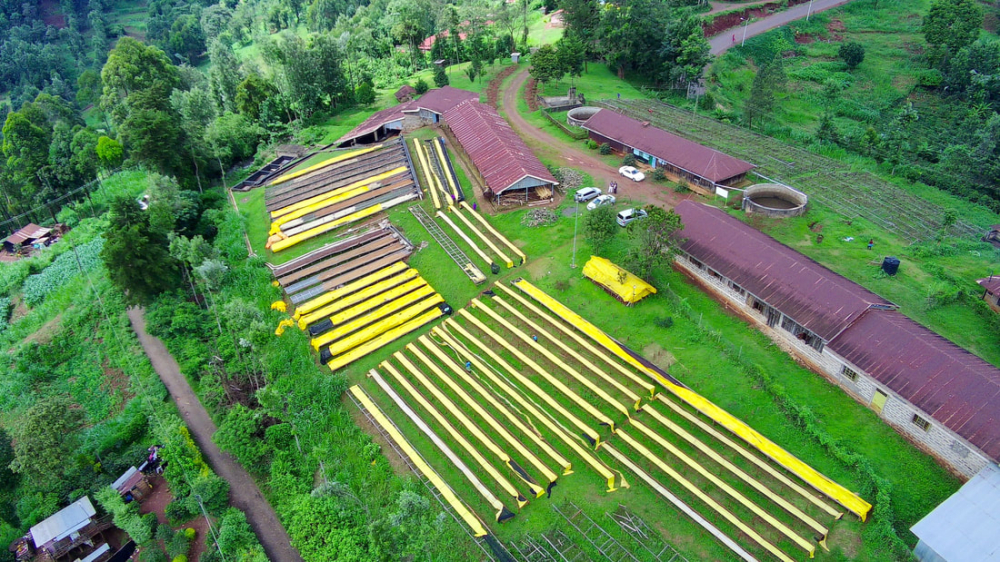
Practical cupping shows that AB-grade coffee beans from the Gachatha Cooperative in Nyeri, due to their higher altitude and greater diurnal temperature variation, exhibit more pronounced flavors. The dry aroma presents citrus notes, while the wet aroma carries plum scents. Upon tasting, one can perceive layers of citrus, berries, honey, and grapes, with a tea-like finish. In contrast, AB beans from the Mukurweini Factory at a slightly lower altitude show a different character—the dry aroma leans toward berries, the wet aroma hints at caramel, and the flavor profile is dominated by dark plum, plum, grape, and nuts, with notable sweetness and a round mouthfeel.
For brewing recommendations, using a V60 dripper with water temperature controlled at 90°C and a 1:16 coffee-to-water ratio is advised. A medium-fine grind (approximately 77% extraction through a #20 sieve) can fully highlight the sweet-acid balance and delicate flavors of Kenyan beans. It is recommended to start with a 30-second bloom, followed by pouring in small circles with a gentle stream. Fractional extraction can effectively enhance clarity and layering of flavors, ultimately delivering a Kenyan pour over coffee with bright acidity, rich fruitiness, and a long-lasting finish.
The above content is compiled by CoffeeHunters, a coffee news website.


