







Introduction:Since winning the TOH championship in 2017, the Huakui coffee beans have continued to attract global attention from specialty coffee enthusiasts. These sun-dried beans from Ethiopia’s Guji Hambella sub-region are renowned for their captivating strawberry and cream aromas. This article delves into the background of the producing region, the evolution of its batches over the years, and provides practical parameters for Moka pot extraction — including grind size, heat control, and coffee grounds filling techniques — to help you easily recreate the fruity and floral notes of Huakui 11 at home.
As a genetic treasure trove of coffee, Ethiopia has nurtured countless classic producing regions and uniquely flavored coffee varieties. Among them, the Hambella sub-region of Guji has drawn widespread attention since 2017 due to the emergence of a particular lot of sun-dried beans, which later became known as “Huakui.” Since its debut, Huakui has gone through eight harvest seasons, each year demonstrating consistent quality and subtle flavor evolution, making it a classic among many coffee lovers.
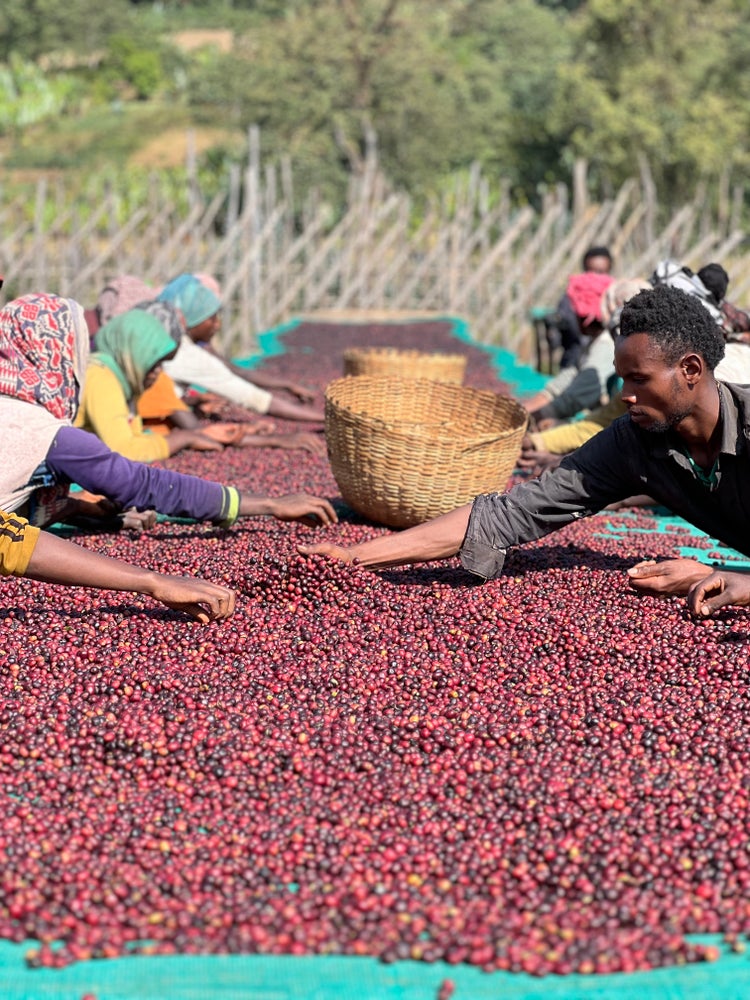
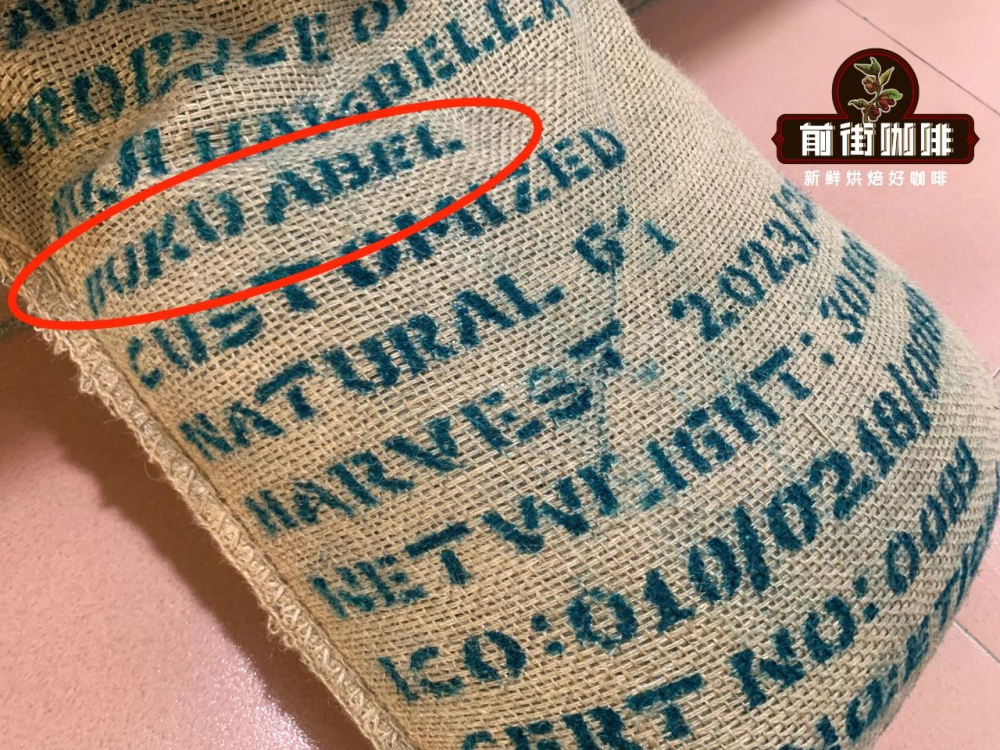
Huakui originally came from the “Buku Abel” washing station in Hambella, operated by DW Company. In the 2017 Ethiopia National Taste of Harvest Competition, it stood out with its remarkable strawberry and cream aromas, winning the TOH sun-dried category championship. This lot was later introduced to the Chinese market and, due to its outstanding performance in the World Brewers Cup, was given the name “Huakui,” symbolizing its premier status among competing lots, much like the leading geisha (courtesan) in a troupe.
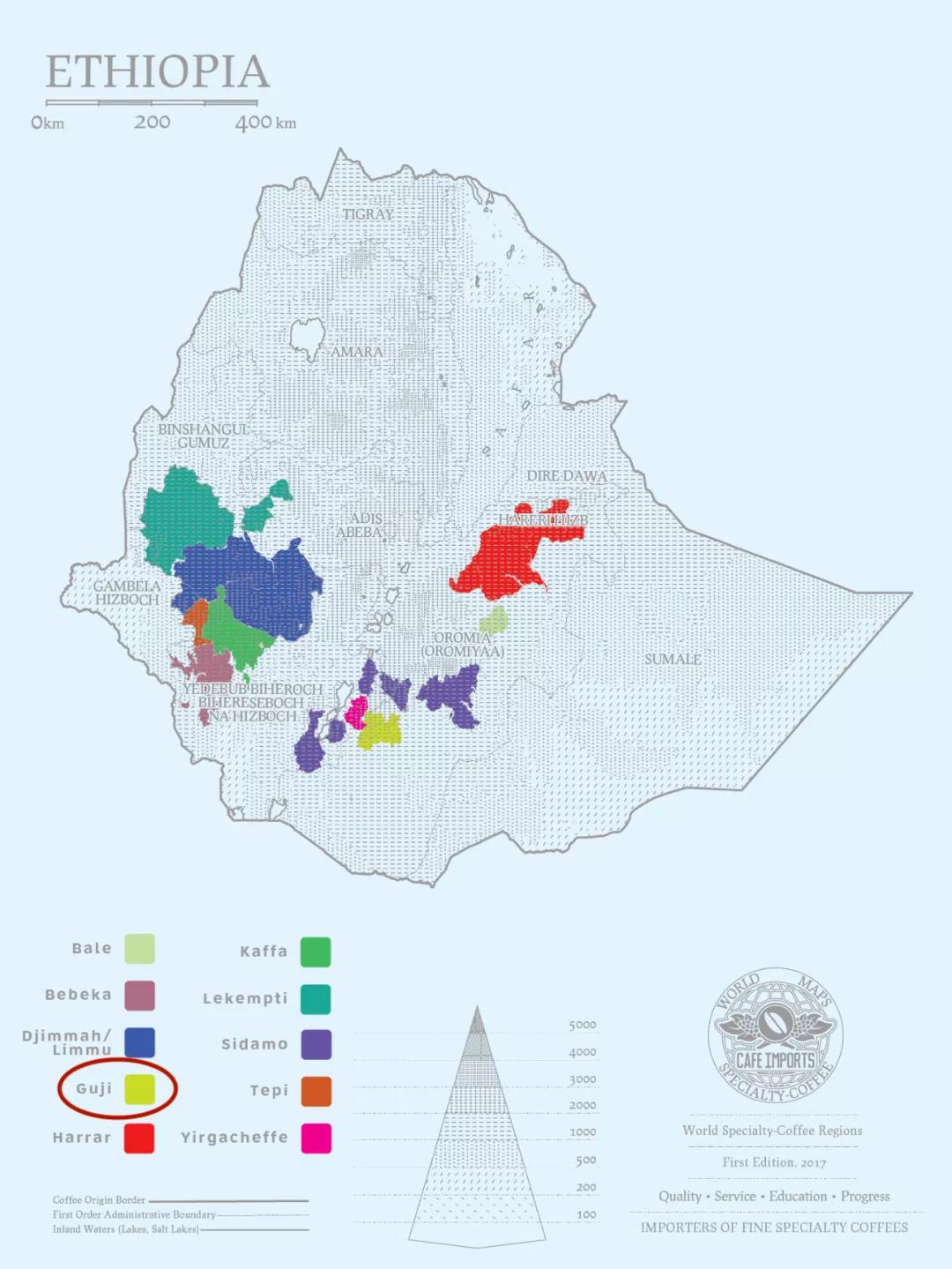
Hambella is located in the heart of Ethiopia’s Guji region and administratively belongs to the Oromia State. Its geographical position is unique — it borders Kochere of Yirgacheffe to the west, and is adjacent to other Guji sub-regions such as Shakiso, Uraga, and Kercha to the east, south, and north, making it one of the highest-altitude coffee-growing areas in the country. With an average elevation exceeding 1,800 meters, significant day-night temperature variations, fertile black soil (Vertisol), and a diversity of native coffee varieties, Hambella produces Huakui coffee with rich floral and fruity notes as well as a full-bodied mouthfeel.
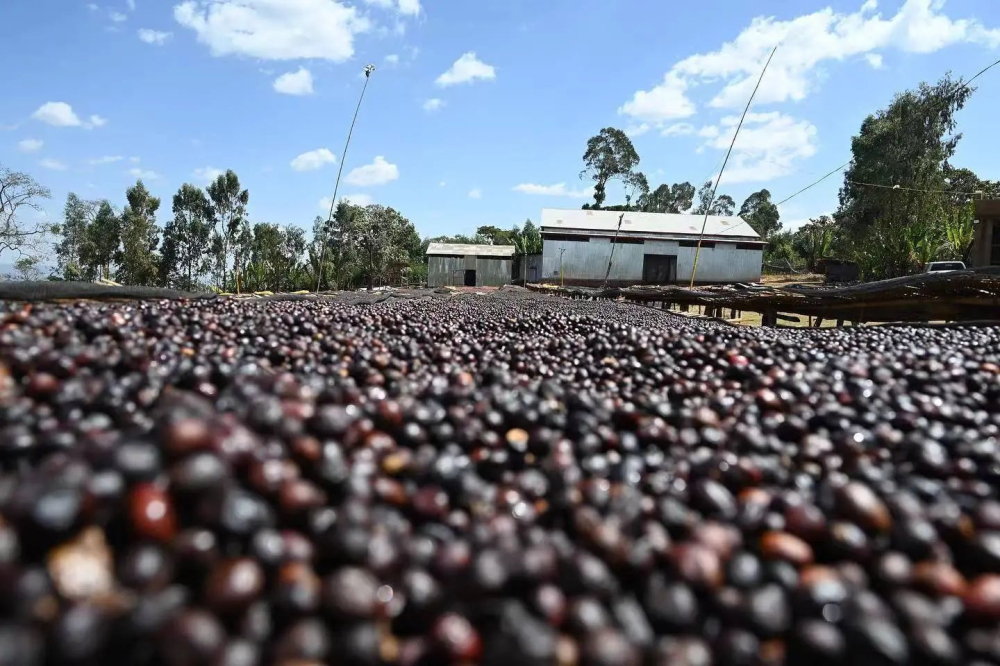
The Huakui producing area — Hambella — is home to numerous small-scale washing stations, among which Buku Abel is one of the most representative. The village has a population of around 30,000 and is located in a highland primitive tribal area where coffee is mostly grown in wild forest settings, coexisting with native banana trees, forming a unique ecological environment. This planting method not only preserves the natural growth rhythm of coffee trees but also brings more complex flavor layers to the beans.
The name “Huakui” originated in 2017 when a sun-dried lot from the Buku Abel washing station won first place in the TOH competition. After being imported to China, it was used by Li Jianfei during the China leg of the World Brewers Cup, where its exceptional performance earned it the name. Since then, to distinguish products from different years, domestic traders have released versions such as Huakui 2.0, 3.0, 3.1, up to the latest Huakui 11, allowing consumers to clearly identify the harvest season and flavor characteristics of the beans.
A certain coffee brand pays special attention to preserving the unique aroma of the native Ethiopian Heirloom variety when roasting Huakui. These beans vary in size, mostly with pointed tips, have a moisture content of about 11%, and are of medium-to-high density. Roasters recommend using a medium-light roast to highlight its floral and fruity profile. The charge temperature is around 190°C, the drying stage should be extended to avoid excessive volatilization of small aromatic molecules, and the roast should be completed within about 1 minute and 30 seconds after the start of first crack, with a recommended drop temperature of around 193°C. The overall process is best kept within 11 minutes.
If you’d like to use a Moka pot to brew Huakui 11 at home, here are some battle-tested parameters and operational suggestions. First, the grind size for Moka pot brewing should be between that of pour over and espresso. It is recommended to set an EK-43s grinder to position 3.5, approximately equivalent to a 20-mesh sieve with a 30–40% passing rate. Too coarse a grind can lead to under-extraction, while too fine may cause over-extraction and produce burnt, bitter flavors.
When filling the coffee grounds, evenly pour the ground coffee into the Moka pot basket, gently level it without compacting it too firmly, so as not to obstruct water flow. Then tightly attach the upper and lower chambers of the Moka pot, place it on the heat source, and use low to medium heat to avoid concentrated heating at the bottom that could cause pressure to rise too quickly. When you hear a slight hissing sound, it indicates that the water has begun to boil — you can then reduce the flame and wait for the coffee to slowly flow out. Once the upper chamber is about half full, it is advisable to turn off the heat immediately and let the residual heat complete the final extraction.
The brewed coffee has distinct floral and fruity aromas with sweet and tangy berry notes, making it perfect for direct enjoyment or as a base for Huakui Americano. If you prefer a crisper taste, mix it with about 80°C hot water at a 1:5 ratio to create a Huakui Americano with a refreshing acidity akin to lemon black tea and a subtle caramel finish. When paired with milk, it can even showcase a sweet flavor reminiscent of cranberry chocolate.
The above content is compiled by CoffeeHunters, a coffee news website.


