







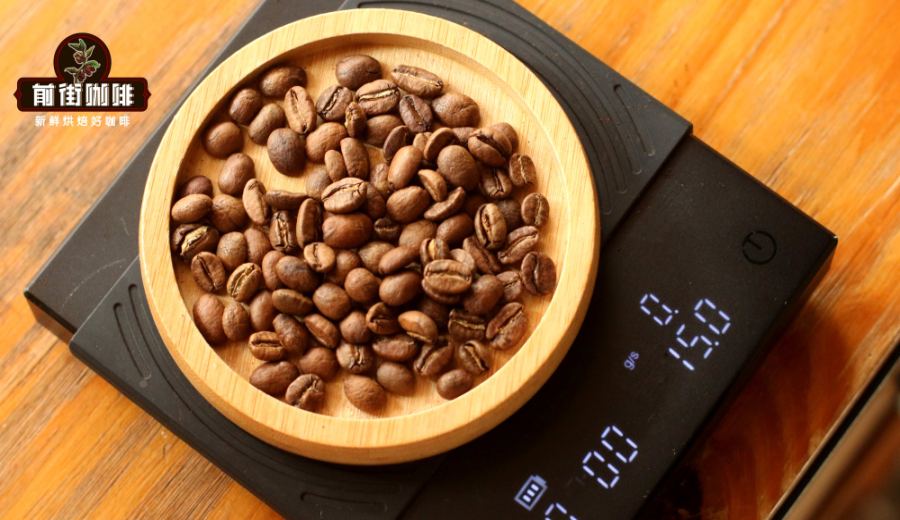
Introduction:Gain an in-depth understanding of the blending principles and practical applications of espresso beans, from six classic recipes to the details of roasting and extraction. Learn how to adjust your blending strategy according to different needs. This article provides a detailed breakdown of various flavor profiles in blends, along with practical advice. Whether you're a home user or a professional café, you’ll find a blend direction that suits you.
The unique flavor of espresso primarily comes from the skillful combination of blend design and roast level. Blends intended for milk-based drinks like lattes and cappuccinos derive their charm from the synergistic effects of beans from different regions and processing methods. This article will systematically analyze the design logic of espresso blends, explore six representative flavor types, and explain key operational points to help readers build a comprehensive blending mindset.
Truly high-quality espresso blends depend on a deep understanding of the characteristics of the coffee beans. When selecting beans, it’s essential to avoid defects such as insect damage, underripe beans, or hollow beans, all of which can severely impact the final extraction flavor. Additionally, beans from different regions vary in acidity, sweetness, and body—balancing them properly is key to highlighting their strengths. For instance, Central American beans often exhibit bright fruit acidity and citrus notes, while South American beans showcase rich nutty and chocolatey foundations.
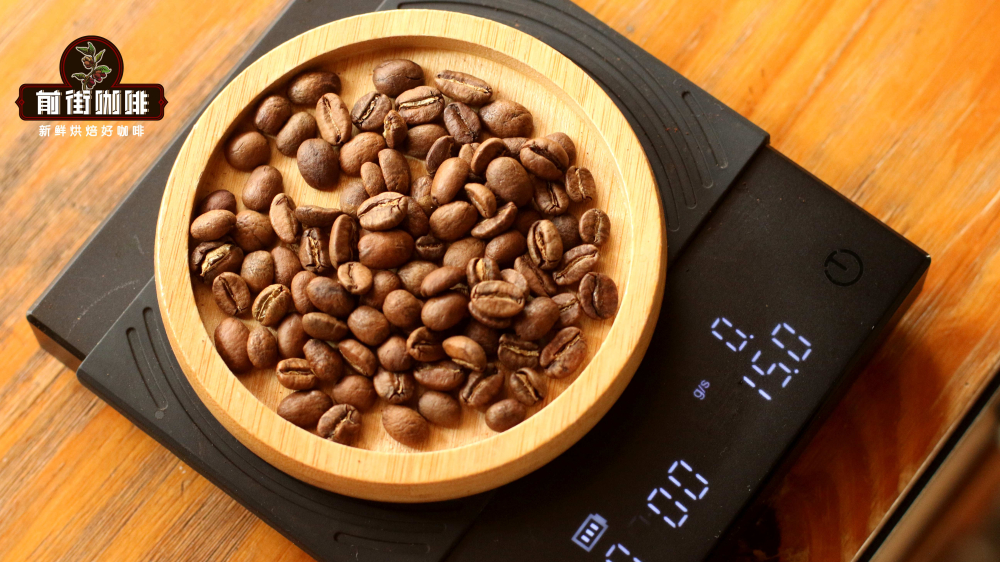
Espresso blends refer to coffee beans that are mixed in specific proportions from two or more origins, or with varying roast levels. This combination is not a random stacking but a professional formulation where the strengths and weaknesses of each bean type complement each other, ultimately shaping a balanced and layered flavor profile. Taking a common latte as an example, the ideal blend should highlight the coffee's richness and complexity while complementing the smooth sweetness of the milk.
Crema performance is one of the key indicators of espresso quality. An appropriate crema thickness ensures perfect integration between milk and coffee during latte art. Too thick, and it may separate; too thin, and it won’t support pattern stability. Generally, medium to dark roasts are more likely to produce a rich crema, but over-roasting can mask the original flavor characteristics.
Below are six common types of espresso blends and their typical recipes:
1. Balanced Flavor Type
Blend Ratio: Guatemala (30%), Colombia (30%), Brazil (20%), Tanzanian Kilimanjaro (10%)
Characteristics: Achieves a good balance of acidity, bitterness, and aroma, suitable for beginners. Tanzanian beans provide a bright acidity, Colombian and Guatemalan beans add layers of fruity notes, while Brazilian beans stabilize the overall bitterness.
2. Bold and Bitter Type (Commonly Used Commercially)
Blend Ratio: Colombia (30%), Brazil (60%), Robusta (10%)
Characteristics: Emphasizes a rich mouthfeel and deep-roast caramelization. The addition of Robusta enhances viscosity and crema performance, making it suitable for daily use in high-volume cafés.

3. Bright Fruity Acidity Type
Suggested Blend: Costa Rican honey-processed beans + Ethiopian natural beans + Colombian
Characteristics: Medium-light roasting preserves berry notes, resulting in a smooth acidity and creamy mouthfeel after extraction. The flavor profile resembles strawberry taffy, suitable for consumers who prefer refreshing flavors.
4. Wine-Fermented Type
Blend Ratio: Honduran sherry cask beans (60%), Yirgacheffe red cherry (40%)
Characteristics: Fermentation processing gives a distinct wine-like aroma. The lemony acidity of Yirgacheffe serves as a flavor accent, creating a warm and rich complex aroma overall.
5. Classic Balanced Type
Blend Ratio: Brazil (70%), Colombia (30%)
Characteristics: Medium-dark roasting highlights a nutty and dark chocolate foundation, suitable for cafés requiring consistent daily supply. The flavor profile is clear and widely accepted.
6. High-Value Basic Type
Blend Ratio: Yunnan beans (40%), Brazil (60%)
Characteristics: A cost-effective solution balancing taste and budget. The soft qualities of Yunnan beans buffer the strong bitterness of Brazilian beans, suitable for home use or budget-oriented scenarios.
When designing a blend, pay special attention to the following practical considerations:
• Strictly select raw beans, ensuring there are no physical defects or underdeveloped beans
• Clearly document the processing methods and regional characteristics of each bean type as a basis for blending
• It is recommended to rest the beans for 3–5 days after roasting to allow flavors to fully develop before blending
• During actual extraction, adjust grind size and tamper pressure to achieve optimal crema performance

In summary, successful espresso blending is not just a simple combination of beans but a deep understanding of flavor science and market demand. Every stage—from bean selection, roasting, to final extraction—affects the final cup. Beginners are advised to start with simple two-bean blends and gradually build their own flavor database.
The above content is compiled by CoffeeHunters, a coffee news website.


