







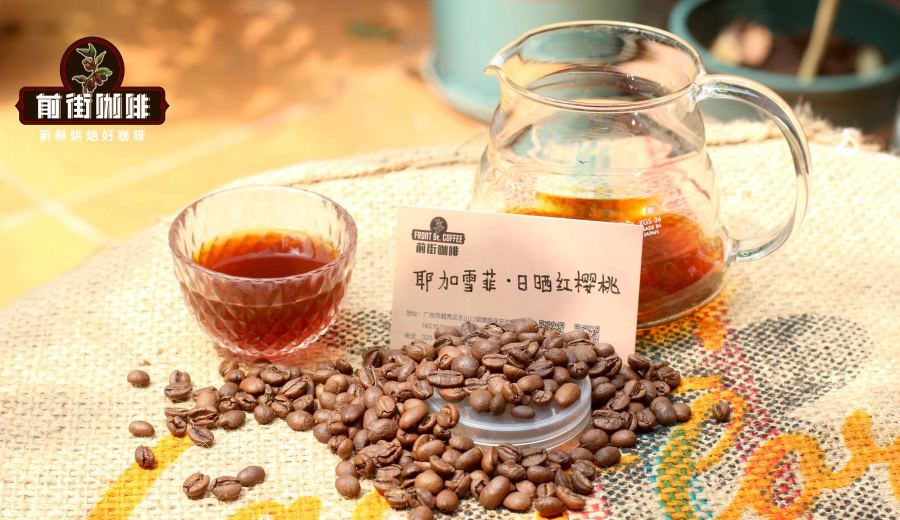
Introduction:Delve into the unique charm of the Ethiopian Yirgacheffe G1 Red Cherry Project Aricha coffee beans — from the terroir of high-altitude regions and the natural sun-drying processing method to its vibrant profile of berry and wine-like flavors. This article provides a comprehensive overview of the growing region, bean variety characteristics, along with pour over brewing suggestions and practical parameters to help you brew at home with vibrant fruitiness and sweetness.
Yirgacheffe, a highland region located in southern Ethiopia at elevations between 1700 and 2100 meters, is one of the sacred spots for global specialty coffee enthusiasts. Among them, the Yirgacheffe G1 Red Cherry Project Aricha from the Gediyo area stands out with its refined natural sun-drying process, showcasing intense and layered fruit notes, often hailed as a “fruit bomb” by coffee aficionados.
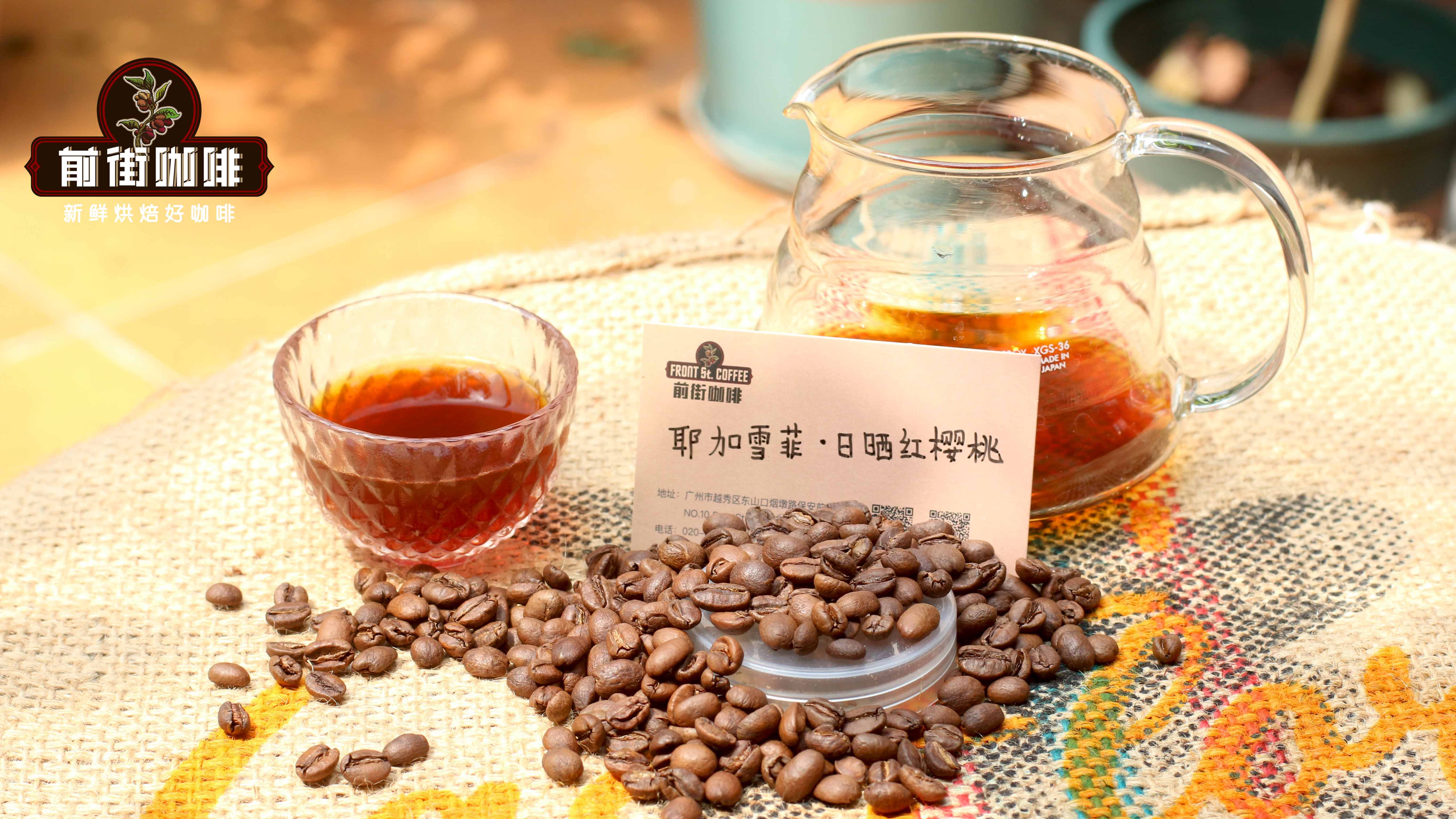
These coffee beans come from the Kebel Aricha processing station, grown at altitudes of 1900 to 2100 meters amidst a mountainous environment surrounded by Lake Turkana, Lake Abaya, and Lake Chew Bahir. The area enjoys year-round humidity and a microclimate often shrouded in morning fog, creating ideal conditions for coffee tree growth. Such an environment not only facilitates the slow ripening of coffee cherries but also lays a solid foundation for flavor concentration during the subsequent sun-drying process.
The so-called “Red Cherry Project” refers to the processing station’s meticulous selection of fully ripe, bright red coffee cherries. Through elevated raised-bed sun drying, the cherries are dried in a well-ventilated, off-the-ground environment for over two weeks. This refined processing method effectively reduces interference from impurities and earthy flavors while preserving the natural sugars and fruity aromas within the pulp, resulting in a clean, bright, and distinctly fermented wine-like coffee profile.
Official profiles describe this Aricha Natural G1 coffee as exhibiting notes of light fermented wine, sweet orange, spices, and honey-like sweetness. In actual tasting, one often experiences intense berry characteristics paired with subtle wine-like notes and soft sweetness. The acidity is bright yet not sharp, with an overall balanced and layered profile, making it highly suitable for coffee drinkers who enjoy distinct fruitiness and clarity of flavor.
Regarding regional grading systems, Ethiopian coffees are mainly divided into two categories: washed (Washed) and natural (Natural). Among them, washed Yirgacheffe is typically graded as G1 or G2, as defined by the Specialty Coffee Association of America (SCAA), with G1 being the highest grade characterized by citrus and floral notes that are fresh and bright. Natural-processed Yirgacheffe is categorized into G1, G3, G4, and G5, also with G1 as the top tier. Aricha belongs to this high-standard Natural G1 grade, known for its rich fruitiness and complex layers, often referred to as a specialty bean variety that can “redefine your impression of coffee.”
This Aricha coffee bean belongs to the Heirloom variety — a type of coffee that has naturally evolved over time within Ethiopia without commercial hybridization, boasting extremely high genetic diversity, which is one of the key reasons behind the region's diverse flavor profiles. After harvest, the processing station selects only fully ripe red cherries and retains the intact pulp for sun drying. Through prolonged drying, the sugars and flavor compounds in the pulp fully permeate the seeds (i.e., the coffee beans), resulting in roasted coffee that often carries natural sweetness and intense fruitiness.
For roasting recommendations, to highlight its floral and fruity characteristics, a light to medium roast is generally advised — darker roasts may easily mask its delicate acidity and aroma. When brewing via pour over, it is recommended to use a medium-fine grind (similar in size to granulated sugar), paired with a V60 filter cone, with water temperature controlled between 90 to 91 degrees Celsius, to better present its berry and light fermented wine features.
Practical pour over parameter recommendations are as follows: Use 15 grams of coffee grounds with a medium-fine grind (similar to sugar granules), employing a V60 filter cone, with water temperature around 90–91°C. First, pour 30 grams of water for a 30-second bloom, then pour up to 105 grams for the first pour and pause when the coffee bed drains to about half. Continue pouring up to 135 grams for the second pour, then slowly add water until reaching a total of 225 grams to complete extraction. The overall coffee-to-water ratio is recommended to be maintained at 1:15, with a total extraction time of approximately 2 minutes. This parameter setup helps balance acidity and sweetness, highlights fruity notes, and avoids over-extraction that could lead to bitterness.
In summary, the Yirgacheffe G1 Red Cherry Project Aricha is an exemplary natural-processed specialty coffee bean that not only showcases the unique terroir of Ethiopia’s high-altitude regions but also delivers a stunning combination of berry, spice, and light wine-like flavors through refined processing and strict grade selection. With the right roast level and pour over parameters, you can easily recreate this coffee’s bright acidity and rich fruitiness at home, experiencing the true charm of Ethiopian coffee.
The above content is compiled by CoffeeHunters, a coffee news website.


