







Introduction:Mandheling and Mamba are often confused, but in fact, Mamba is a classic blend of Indonesian Mandheling and Brazilian beans, offering a richer layering of flavors. This article delves into the origins and characteristics of the Mamba blend, as well as how to bring out its intense caramel aroma and full-bodied taste through appropriate roasting and extraction. It also provides practical parameters for making espresso and lattes, allowing you to recreate this classic old-school Taiwanese coffee flavor at home.
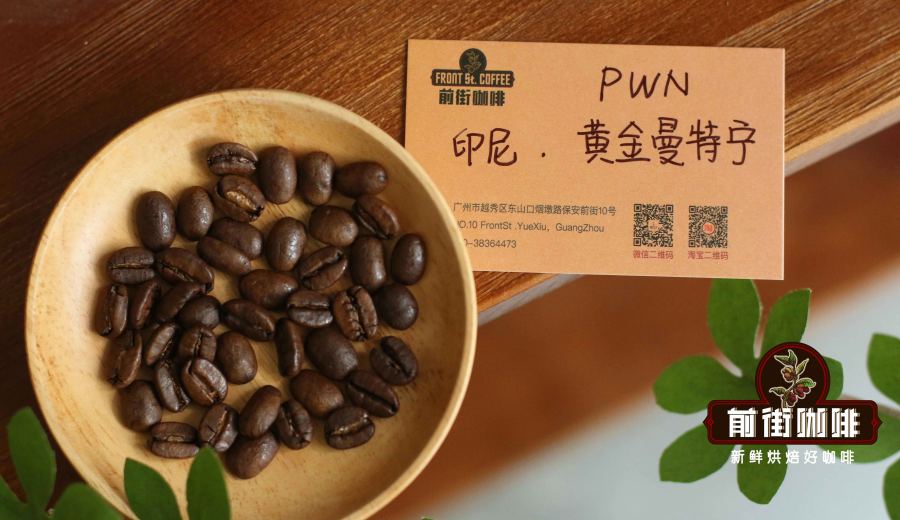
Mandheling coffee beans originate from Indonesia. The green beans are short and oval in shape, with a relatively dark green color and a clearly visible white center seam. When roasted lightly, although the acidity is quite pronounced, the overall flavor tends to be rather thin; once deeply roasted, the bitterness intensifies, yet it releases captivating aromas of spices, pine, and caramel, resulting in a rich mouthfeel and a long-lasting aftertaste. Because of these characteristics, Mandheling is often used as a base bean in blends, influencing the texture and body of the final espresso.
Among them, Golden Mandheling represents the high-quality tier of Mandheling. Its appearance is more slender, and during the dehydration process after roasting, the beans are plump and tightly structured, exuding a notable sense of strength. After medium-dark roasting, its unique dark chocolate aroma becomes a favorite among many coffee enthusiasts, suitable for various brewing methods and showcasing diverse flavor potentials.
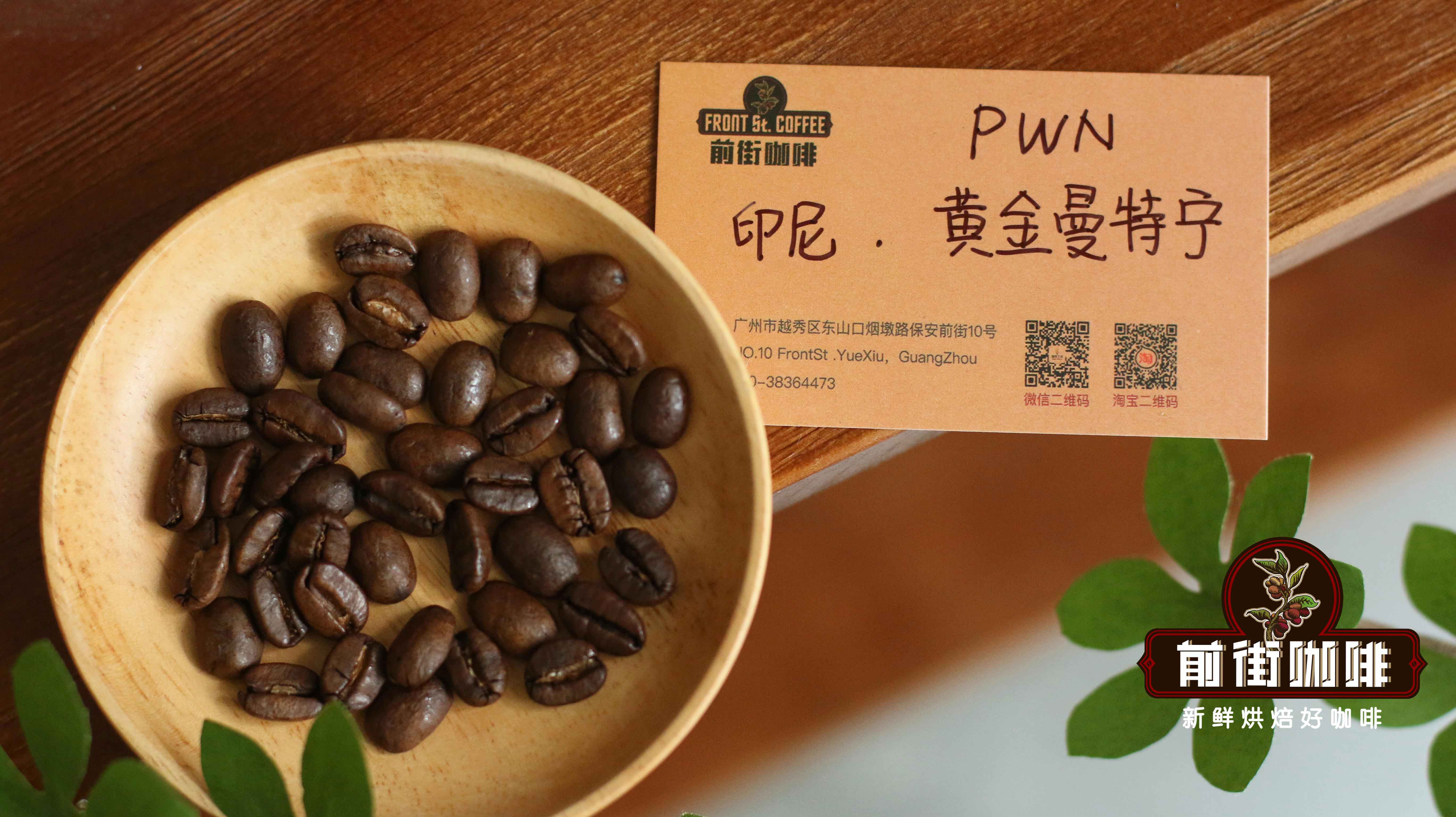
The so-called “Mamba” is actually a classic blend of Indonesian Mandheling and Brazilian coffee beans. This recipe was extremely popular during the early days of coffee shops in Taiwan. The Mamba blend skillfully combines the characteristics of both types of beans: Mandheling offers a rich and layered flavor, while Brazilian beans, due to their high yield, low cost, and relatively mild flavor, are often used to balance the overall taste. However, because Brazilian beans are mostly machine-harvested, resulting in inconsistent ripeness and significant quality variation, selecting the right growing regions and processing methods is particularly important—such as the commonly used Sidamo honey-processed beans, which are a highly cost-effective choice.
As the world’s largest producer of coffee beans, Brazil, despite its impressive output, suffers from uneven quality across its vast regions. To control costs, machine harvesting is widely used locally, leading to inconsistencies in bean ripeness. However, this also makes Brazilian beans a common base bean for roasters when formulating blend beans, helping to balance overly intense flavors. This characteristic allows the pairing of Brazilian beans with Mandheling to not only highlight the richness of Mandheling but also harmonize the overall taste with the smoothness of Brazilian beans, creating a unique flavor balance.
Many beginners to espresso often look for a bean that is suitable for latte art and offers balanced flavor—and the Mamba blend is a great choice. Taking a commonly available classic espresso blend as an example, it typically uses medium-dark roasted Indonesian wet-hulled Mandheling and Brazilian semi-washed Sidamo, sometimes with a small amount of washed Robusta added to enhance the crema layer and caramel aroma of the espresso, while also reducing extraction difficulty to achieve a rounder, fuller overall flavor.
If you want to try making espresso at home, you can refer to the following practical parameters: use a double-shot portafilter, with a recommended coffee dosage of about 18–20 grams (20 grams is the standard in cafés). The ideal coffee-to-espresso ratio is 1:2, meaning 20 grams of coffee grounds yield 40 grams of espresso. Extraction time is generally controlled between 20–35 seconds, with 28–30 seconds being the optimal range—too short may result in underdeveloped flavor, while too long could lead to burnt or bitter notes.
In practice, start by drying the portafilter, grinding the appropriate amount of coffee, and weighing it precisely with an electronic scale. Then distribute the grounds evenly and tamp them down firmly to ensure stable extraction. Before starting the extraction, run water to rinse the group head and remove any residual coffee grounds, then attach the portafilter and begin extraction. When the scale shows 40 grams of espresso and the time reaches around 30 seconds, the extraction is complete—pour and enjoy. The resulting espresso usually features a beautiful golden crema with a distinct caramel aroma, making it an excellent base for lattes or cappuccinos.
Turning this espresso into a latte further highlights the flavor charm of the Mamba blend. It is recommended to use a cup of about 30 ml, pour in a double shot (around 40 ml), then steam 240 ml of fresh milk to around body temperature, with a milk foam thickness of about 0.5 cm for easy latte art. Blend the milk and espresso evenly, and use the milk foam to create a beautiful pattern—a deliciously rich and smoothly textured Mamba latte is complete.
The final Mamba latte delivers a rich entrance of buttery and caramel aromas, fused with the sweetness of chocolate milk, complemented by the velvety texture of fine milk foam. With its layered flavors, it not only satisfies coffee lovers’ pursuit of taste but also offers a comfortable drinking experience, serving as a modern interpretation of retro Taiwanese coffee flavors.
The above content is compiled by CoffeeHunters, a coffee news website.


