







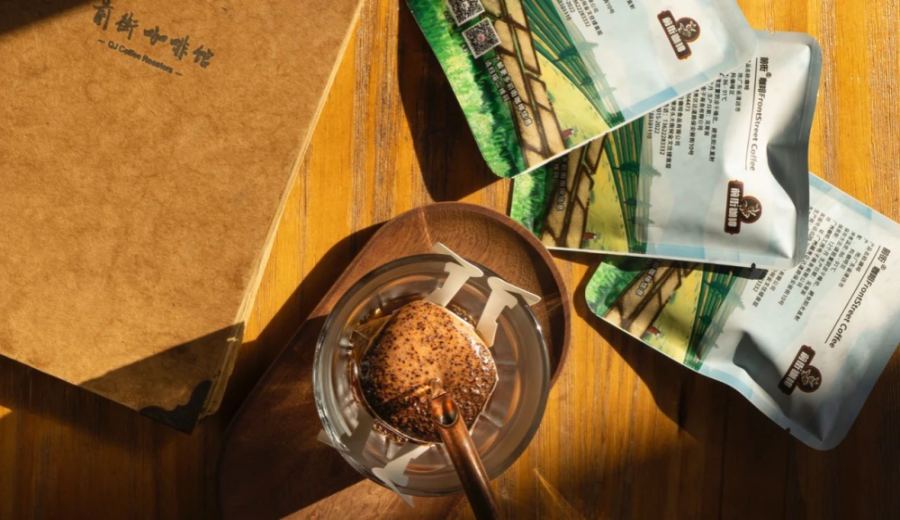
Introduction:Drip bags offer the convenience of easy operation without the need for specialized equipment, allowing many people to effortlessly enjoy hand-brewed-level coffee flavors. But can they be brewed multiple times? What are the optimal brewing parameters? This article delves into the origins of drip bags, their pros and cons, and provides a detailed guide to the correct brewing method—including coffee-to-water ratio, water temperature, and pulse pouring techniques. It also recommends suitable drip bag styles based on different flavor preferences, helping beginners avoid common mistakes and brew a bright, aromatic cup of black coffee.
Thanks to their grind-free and equipment-free advantages, drip bags have successfully brought specialty coffee into everyday life, becoming the go-to choice for many busy individuals seeking a hand-brewed flavor experience. However, many coffee enthusiasts still have questions about whether they can be rebrewed and how to brew them to highlight the best flavors. This article will take you through the historical background of drip bags, analyze their advantages and disadvantages, and focus on answering the most frequently asked question—how many times they can be brewed—while also offering practical brewing advice and flavor options to help you get started with ease.
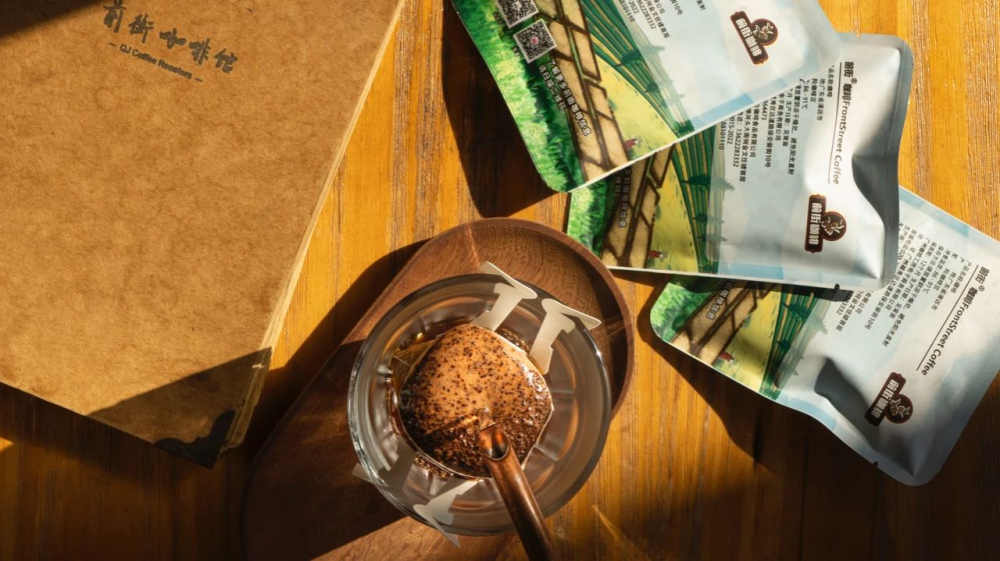
The concept of drip bags can be traced back to 2001, when it was developed and patented by Japan’s UCC Ueshima Coffee. It was officially introduced to the market shortly after. In Japanese, it is called “ippai chūshutsu-gata kōhī” (one-cup extraction-type coffee). The design concept involves packing a measured amount of pre-ground coffee into a non-woven or cotton filter pouch, paired with two paper “ears.” To use, simply hang it on the rim of a cup, pour in hot water, and the extraction process—similar to pour over but simpler and faster—is complete.
The biggest advantage of drip bags lies in their simplicity. The entire structure is like a portable, minimalist pour-over setup, containing pre-measured coffee grounds and eliminating the need for grinding, preparing filter paper, or a filter cone. Just tear open the package, hang it on a cup, pour in hot water, and you can easily enjoy an aroma and layering that’s close to pour-over coffee. However, some coffee enthusiasts believe that drip bags lower the professional threshold and appreciation level of specialty coffee. In reality, this convenient format is one of the key drivers behind the popularization of specialty coffee.
However, drip bags also have their limitations. Since the coffee grounds are pre-ground before packaging, even with individual sealing, it’s difficult to maintain their aroma and freshness for long periods. It is generally recommended that,the optimal flavor window is within about 30 daysfrom the date of grinding. Consumers are advised to purchase drip bags produced recently and avoid bulk buying, which can lead to flavor loss. Additionally, the structure of the drip bag filter makes it harder for the coffee grounds to distribute evenly, so compared to pour-over using a filter cone, the flavor layering may be slightly less pronounced.So, can drip bags be brewed more than once? The answer is no—it’s not recommended. Since only about 30% of the flavor compounds in coffee beans are extractable, the first brew already releases most of the essence. Even if more hot water is added afterward, only a thin, lackluster coffee liquid with little layering or aroma will result. Therefore,drip bags are generally suitable for just one brew, and it’s recommended to control the concentration with an appropriate coffee-to-water ratio to achieve the best flavor performance.
For different taste preferences, there are various drip bag options available on the market. If you prefer a rich and full-bodied taste, you can choose a Brazilian red fruit-flavored drip bag with notes of nuts and cream—it has a mellow flavor with almost no acidity. If you enjoy a bright and vibrant acidity, an Ethiopian Yirgacheffe drip bag is a great option, offering a lemon-like crisp acidity and elegant white floral aromas. For something more unique, a Honduran sherry-flavored drip bag delivers intense whisky-like notes paired with smooth vanilla creaminess, perfect for coffee lovers who enjoy low-acidity, full-bodied profiles.
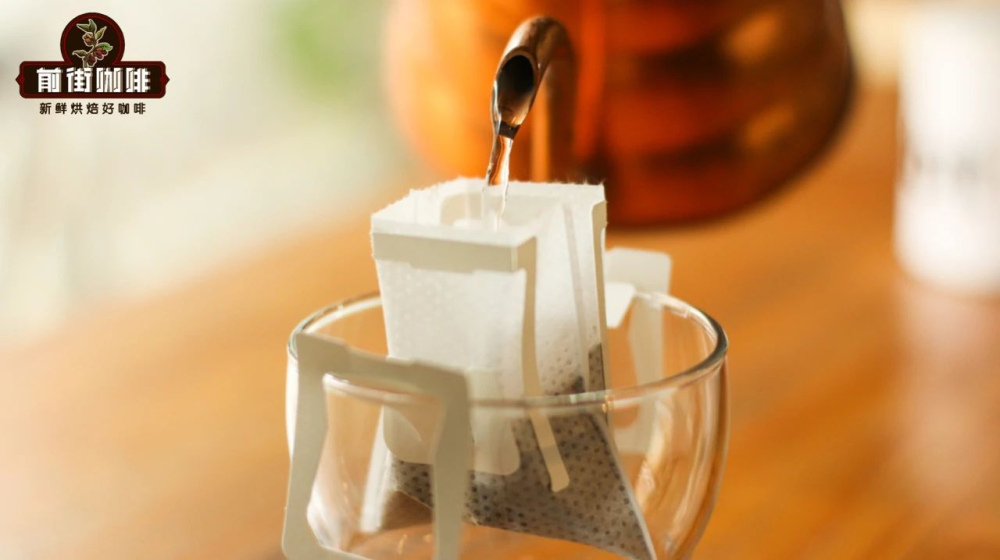
In terms of brewing, each standard drip bag is typically packed with 10 grams of coffee grounds. It is recommended to usea 1:15 coffee-to-water ratio, which means pouring in 150 milliliters of hot water. Here are the specific steps: First, tear open the outer package, take out the drip bag, and hang the two “ears” on the rim of your cup (preferably one that isn’t too wide to ensure stability), then prepare the required amount of hot water.
Next, control the water temperature to around90°C[temperature to be specified], and first pour an amount of hot water equal to the coffee grounds for a bloom, for about 10 seconds. This step helps to awaken the coffee’s aroma. After blooming, once the coffee grounds have slightly settled, you can begin pulsing hot water in stages. It’s recommended to pour until the drip bag is about 80% full each time, repeating until the total water volume is reached. Finally, wait for all the coffee liquid to fully drip through before enjoying.
When brewing drip coffee, in addition to paying attention to the coffee-to-water ratio and water temperature, it’s also important to consider the freshness of the coffee grounds and how they’re stored. Since coffee grounds have a large surface area exposed to air, their aroma can dissipate quickly over time, and if stored for too long, may even develop woody off-flavors. Therefore, it’s recommended to consume them soon after purchase and store them properly in a cool, dry place, away from direct sunlight and humid environments.
Additionally, water temperature is another key factor affecting extraction. If the water temperature is too low (below 86°C), it may result in under-extraction, leading to a weak and flat-tasting coffee lacking in complexity. If you cannot increase the water temperature, you can moderately extend the contact time between the coffee grounds and water to compensate for extraction efficiency. Also, maintain a steady pouring speed to avoid going too fast, which can shorten extraction time and negatively affect flavor development.
The above content is compiled by CoffeeHunters, a coffee news website.


