








Introduction:Yirgacheffe is a representative producing region of Ethiopia, renowned for its captivating floral and fruity aromas and bright acidity. Among them, the washed beans from the Kochere Cooperative are the top choice for entry-level specialty coffee enthusiasts. This article delves into the region’s geographical advantages, the evolution of washed processing techniques, and provides practical V60 pour over parameters, allowing you to brew a refreshing cup at home with jasmine, lemon, and green tea aftertastes.
Yirgacheffe, a high-altitude producing region located in south-central Ethiopia, has long been a floral and fruity sanctuary in the hearts of global specialty coffee lovers. The coffee produced here is famous for its bright acidity, rich floral and fruity aromas, and tea-like refreshing aftertaste, among which the washed beans from the Kochere Cooperative are particularly noteworthy. This article will take you through the region’s environment, processing history, and hands-on pour over parameters to fully explore the charm of this classic coffee.
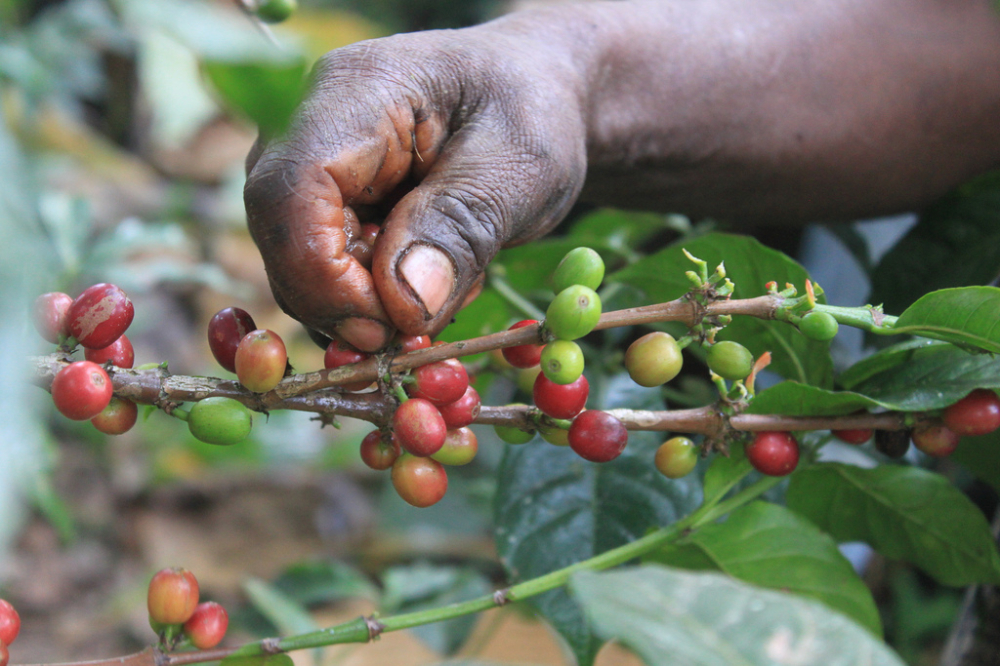
The uniqueness of Yirgacheffe coffee is inseparable from its exceptional geographical conditions. The average altitude of the region exceeds 2,000 meters, and farmers mostly grow coffee trees on a small scale, either in their backyards or intercropped with other crops. Though the yield is not large, it gives rise to beans with distinctive flavors. These mountain villages are often shrouded in fog year-round, with a mild and stable climate and significant day-night temperature differences, which help the coffee cherries ripen slowly and accumulate richer aromatic compounds. The harvest season generally lasts from October to January of the following year, during which farmers hand-pick the coffee cherries and send them to local cooperatives for subsequent processing.
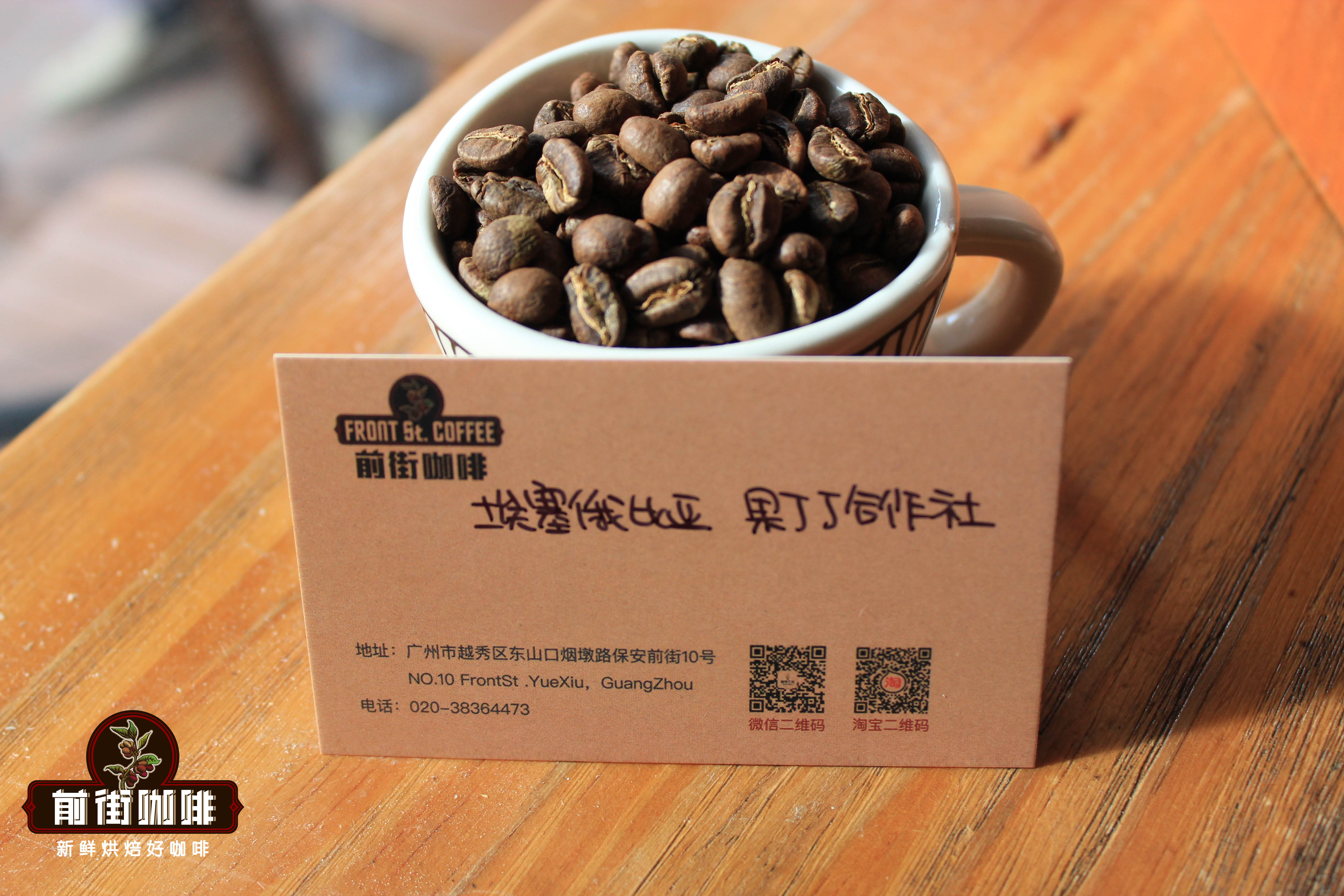
When talking about Yirgacheffe, one cannot overlook its renowned micro-regions, such as Kochere, Guji, and Gedeb, each with its unique flavor characteristics. Among them, the Wolkite region, located at the southeastern edge of Yirgacheffe, boasts an experienced production team—the Kochere Cooperative, composed of about 300 farmers. Officially designated as an independent producing region in 2012, this cooperative is widely praised for producing Yirgacheffe with bright and layered flavors. The cooperative continues to use traditional washed processing methods, resulting in its coffee’s distinctive bright acidity and fruity notes.
Looking back at history, early Yirgacheffe, like other regions in Ethiopia, primarily used the natural (sun-dried) processing method. However, after Ethiopia introduced washed processing technology from Central and South America in 1972, the coffee flavors of the entire region underwent a revolutionary transformation. Washed processing not only improved the overall quality of the beans but also enhanced their inherent citrus and lemon aromas, making the taste cleaner and brighter, and solidified Yirgacheffe’s status as a representative of specialty coffee.
The steps of washed processing are quite meticulous, with each step affecting the final flavor profile of the coffee. First, farmers place the harvested coffee cherries in water; unripe or defective beans float due to lower density, while those that sink are of good quality, effectively improving the efficiency of subsequent processing. Next, the sorted cherries are sent to a pulper to remove the skin and pulp, leaving a layer of mucilage on the bean surface, which is then thoroughly rinsed with large amounts of clean water. The next step is fermentation, where microbes break down the mucilage, typically taking about 18 hours. After fermentation, the beans are rinsed again to ensure a clean surface. Finally, the processed beans are placed on drying beds to air-dry until their moisture content drops to around 11%, though in regions with better facilities, machines may be used to assist the drying process.
For those who prefer milder, less bitter flavors, Yirgacheffe is a highly approachable choice. Its bright acidity and light body are mainly attributed to light roasting. A roaster from a specialty café noted that to highlight Yirgacheffe’s fruity acidity and floral notes, the roasting level is usually controlled to avoid overly deep roasts that bring out excessive nutty or chocolatey tones, thereby preserving its most pure flavor characteristics.
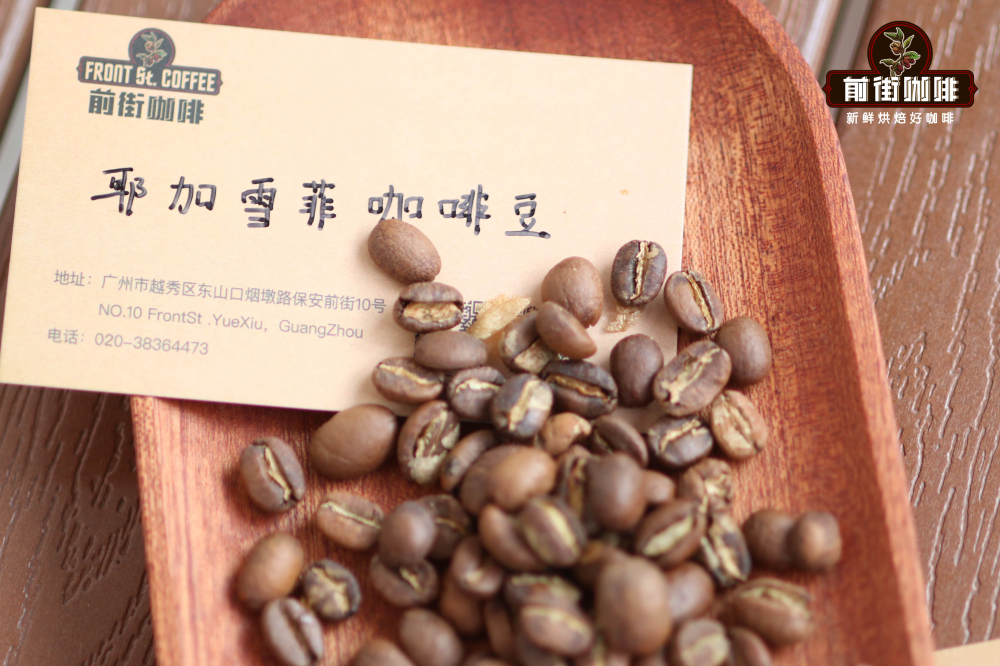
Freshly roasted Yirgacheffe can display a rich aroma profile during cupping. One particular washed bean has a dry fragrance of passionfruit, citrus, and berries with a fresh acidic scent, while its wet aroma is dominated by citrus and berry notes. Upon tasting, the first impression is a bright citrus acidity paired with a berry sweetness, accompanied by a nutty almond-like tone and a tea-like refreshing aftertaste. The overall mouthfeel is clean and refreshing, with medium-low body, making it highly suitable for coffee lovers who enjoy a bright and refreshing style.
To fully extract the essence of Yirgacheffe, selecting the right brewing method and parameters is crucial. Professionals recommend using a V60 dripper for pour over. Its unique spiral channel design and large hole structure extend the contact time between water and coffee grounds while enhancing the layered extraction. A resin V60 dripper is especially suitable for light-roasted coffee with prominent acidity, helping stabilize the water flow and bringing out more intricate flavor details.
Below are the recommended pour over parameters for the Kochere Cooperative washed beans from Yirgacheffe: use a V60 dripper, with water temperature controlled at 92-93°C, suggested coffee dose of 15 grams, coffee-to-water ratio of 1:15, grind size approximately granulated sugar size (sifted through a #20 sieve to 78% retention). Specifically, the first step is to pour 30 grams of waterfor blooming, for about 30 seconds; then pour 95 grams of water (total weight around 125 grams), completed within about 1 minute; when the water level drops to two-thirds of the coffee bed, pour another 100 grams of water (total weight around 225 grams), completed within about 1 minute 35 seconds. The total extraction time is approximately 2 minutes 10 seconds, and the dripper should be removed promptly upon completion.
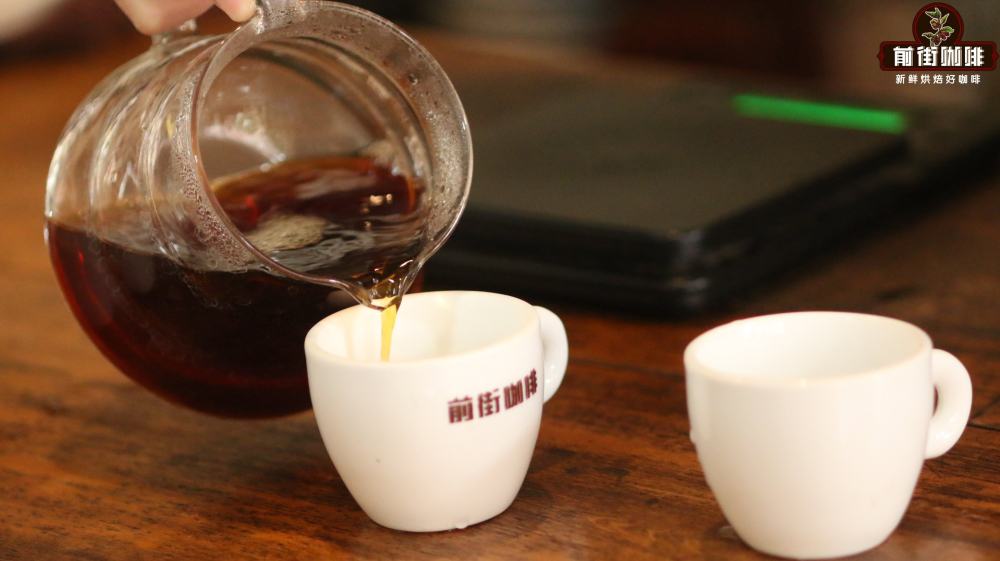
The brewed Yirgacheffe delivers a distinct jasmine floral aroma, along with the bright acidity of lemon and citrus. As it cools, berry, cream, and sugarcane aftertastes emerge, with a pronounced lingering sweetness, a refreshing mouthfeel, and clear layering. This coffee is not only great for everyday drinking but also an excellent entry point for exploring Ethiopian coffee flavors.
The above content is compiled by CoffeeHunters, a coffee news website.


